
by Joe Heaney | Mar 12, 2012 | Tanks and Fuel Management
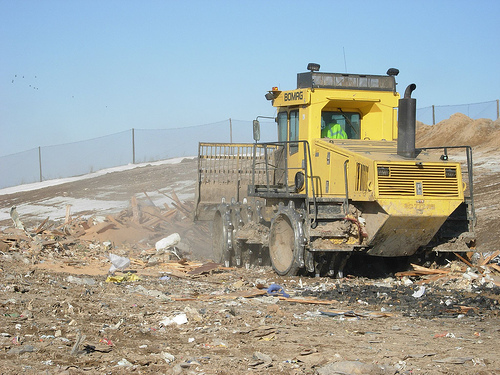
Following widely-publicized discovery of extensive toxic waste dumps such as Love Canal in the 1970s, Congress created the Superfund by enacting the Comprehensive Environmental Response, Compensation and Liability Act of 1980 (CERCLA). The name Superfund refers both...
by Joe Heaney | Feb 28, 2012 | Tanks and Fuel Management
Let’s face it: waste management and disposal regulations can lead to a mine field of confusion. Determining whether wastes you generate are hazardous, knowing what regulations apply to your facility, and being prepared to manage your wastes can help you avoid...
by Joe Heaney | Feb 21, 2012 | Read the latest Environmental Services Articles & News
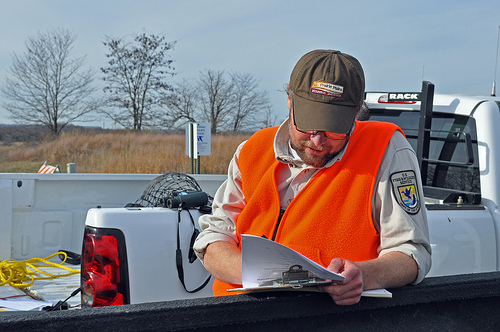
In our fast-paced digital world, remediation project success depends on effective environmental data management. For site managers, environmental consultants, field crews, and clients alike, success hinges on thorough and accurate environmental data collection at the...
by Joe Heaney | Feb 16, 2012 | Right-To-Know Filing, Tanks and Fuel Management
To help ensure the safety of employees and the public and safeguard the environment, NYC Community Right-To-Know Filing and SARA Title III require that certain commercial, industrial and even public facilities fulfill these obligations: Annual Inventory Your facility...

by Joe Heaney | Feb 6, 2012 | Tanks and Fuel Management
Filing a NYC Community Right-to-Know annual report is the same under both Federal and City law. If you own or manage multiple facilities, you must file a separate report for each location. The Facility Inventory Form (FIF) requires you to provide the following...

by Joe Heaney | Feb 2, 2012 | Tanks and Fuel Management
The OSHA inspection process strikes fear into the hearts of business owners and managers. But if you know what to expect there’s no reason to cower. The OSHA inspection process reflects five priorities, in this decreasing order of severity: Imminent danger. OSHA can...
by Joe Heaney | Jan 31, 2012 | Air Quality, Environmental Health and Safety, Right-To-Know Filing
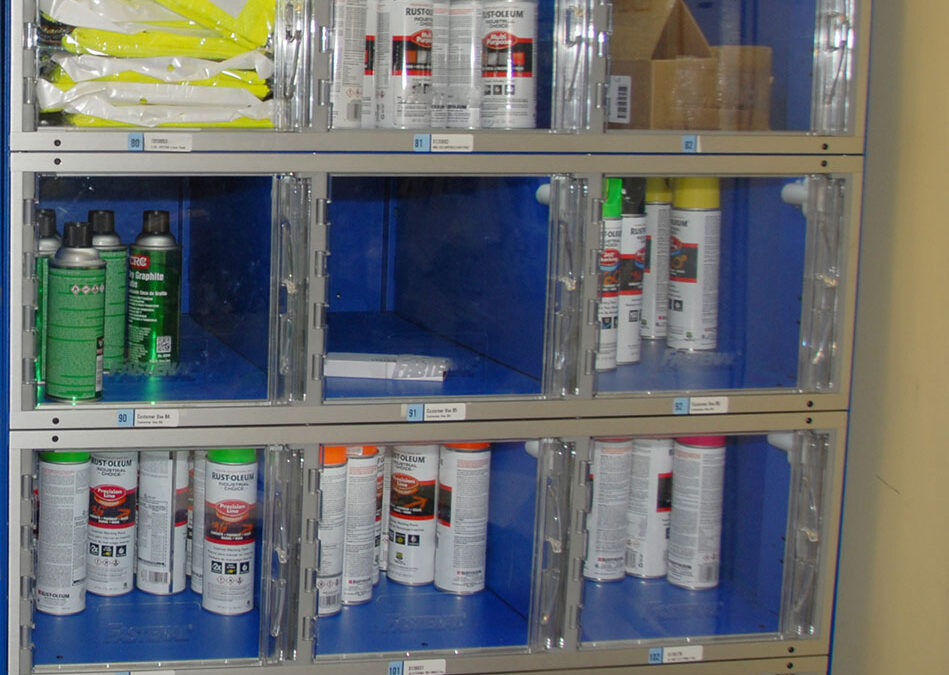
sThe details of Community Right-to-Know (RTK) and Hazardous Communication (HAZCOM) both affect how your facility functions. HAZCOM is one of OSHA’s most important compliance requirements. Its education, training, chemical labeling and safety programs are all designed...

by Joe Heaney | Jan 26, 2012 | Right-To-Know Filing
If you have a business in New York City and you store hazardous substances, the time to act is now! New York City’s Community Right-to-Know (RTK) regulations require all NYC businesses that store or handle hazardous substances to inventory and track those substances...

by Joe Heaney | Jan 24, 2012 | Right-To-Know Filing
In the 1970’s, the public began to express increasing concern about the health of our natural environment as well as potential dangers to human health resulting from exposure to hazardous wastes and other toxic chemicals released by catastrophic events. These concerns...

by Joe Heaney | Jan 22, 2012 | Read the latest Environmental Services Articles & News
When you’re performing site assessments, groundwater or soil investigations, or working to meet regulatory remediation compliance requirements, each of your jobs is different. But they’re all highly complex. An environmental database management system (EDMS) can help...