NY Environmental Siting Law and Part 617 Regulations
New York State amended the Environmental Conservation Law on January 11, 2023, with the amendment effective on January 11, 2025. Specifically, the existing New York State Climate Leadership and Community Protection Act, Chapter 106 of the Laws of 2019 (CLCPA or...
2026 CFA Program Highlights
Are you interested in applying for grants offered through New York State’s (NYS’s) Consolidated Funding Application (CFA)? Each year, several state agencies accept applications to a variety of funding programs through the CFA. This makes the funding application...
How Walden Engineers Support Construction Projects from Start to Finish
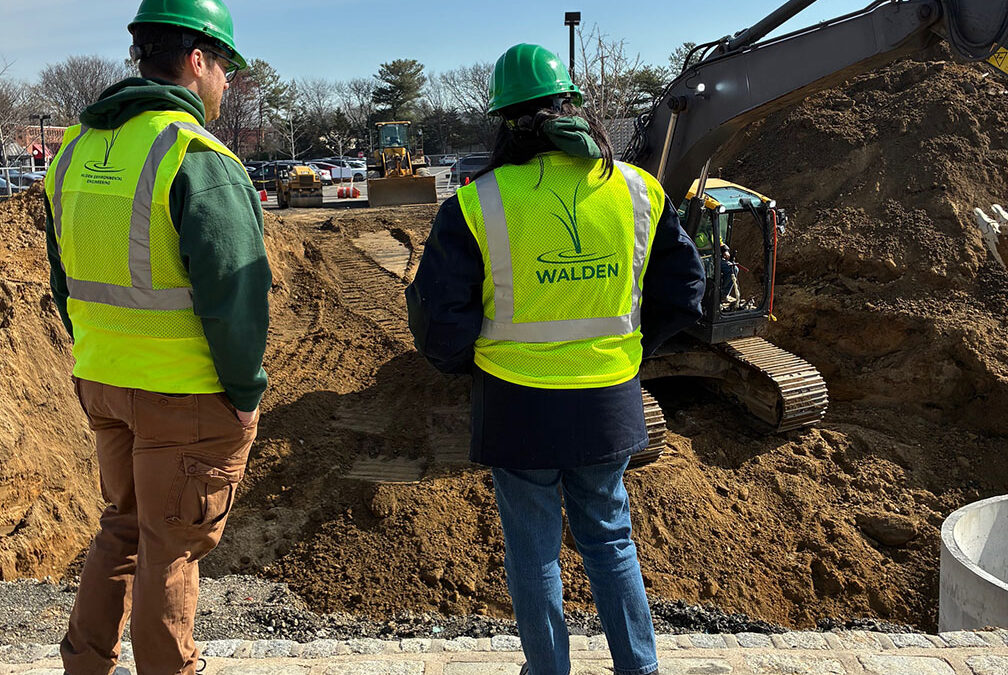
Construction projects require more than just labor and supplies. These projects must follow strict regulations, meet technical standards, and be environmentally responsible. Walden can help with these necessities. Walden provides an extensive range of contractor...
Wetlands 101: The Benefits of a Wetland Delineation
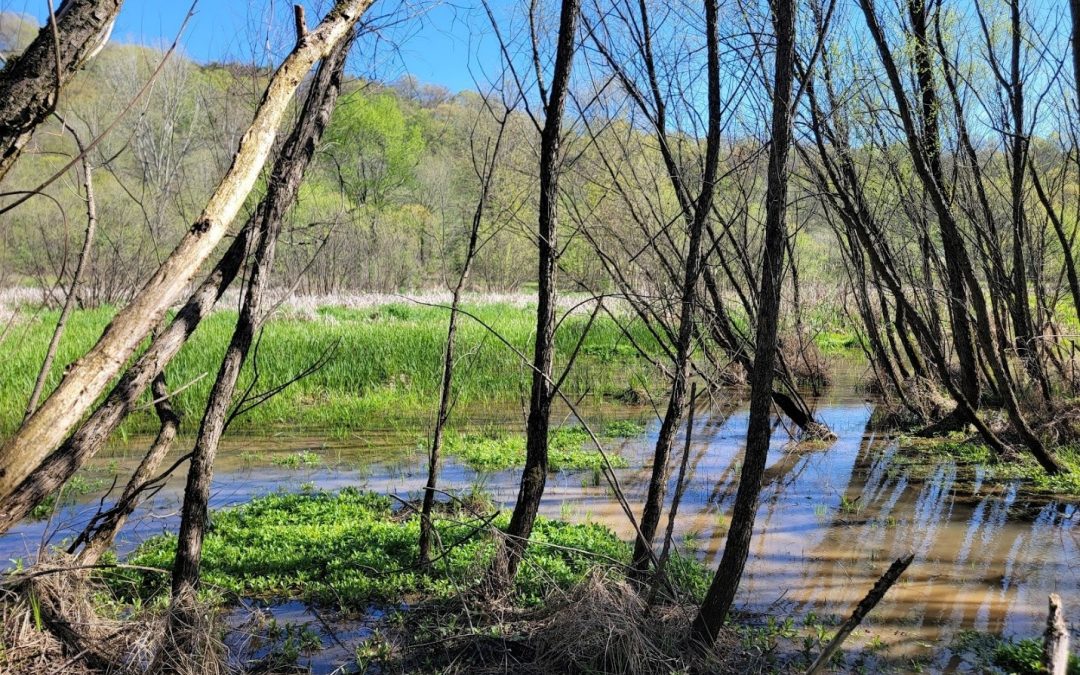
As engineers and scientists based on Long Island, Walden’s consultants have ample experience helping clients manage wetland habitats located either on or in proximity to their properties. Wetlands are critical to the health and stability of local ecosystems, and they...
PFAS Reporting Update: What You Need to Know for 2026
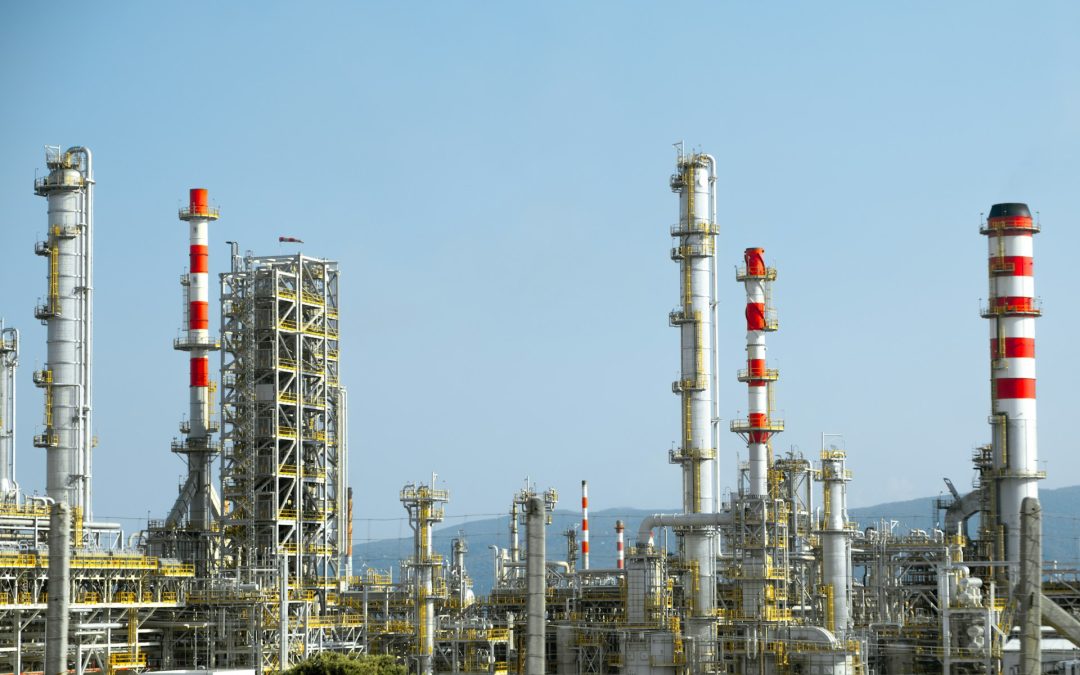
The environmental compliance landscape for per- and polyfluoroalkyl substances (PFAS) continues to evolve. After the Environmental Protection Agency (EPA) finalized its PFAS reporting rule under TSCA Section 8(a)(7) in 2023, regulated parties have been working to...
CT Reissues the Dewatering and Remediation Wastewater General Permit
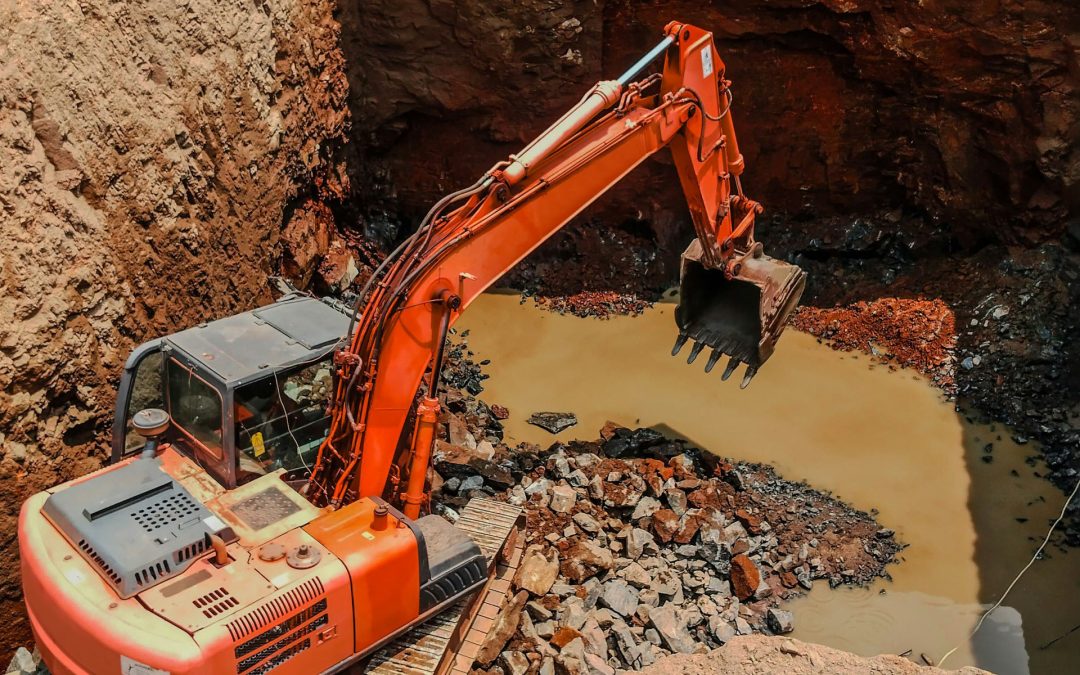
The Connecticut Department of Energy and Environmental Protection (CT DEEP) has reissued the General Permit for the Discharge of Dewatering and Remediation Wastewaters (D2R GP) effective March 1, 2026. This follows the reissuance of the General Pretreatment Permit for...
Revised NYSDEC Part 375 Regulations for Brownfield Cleanup Program
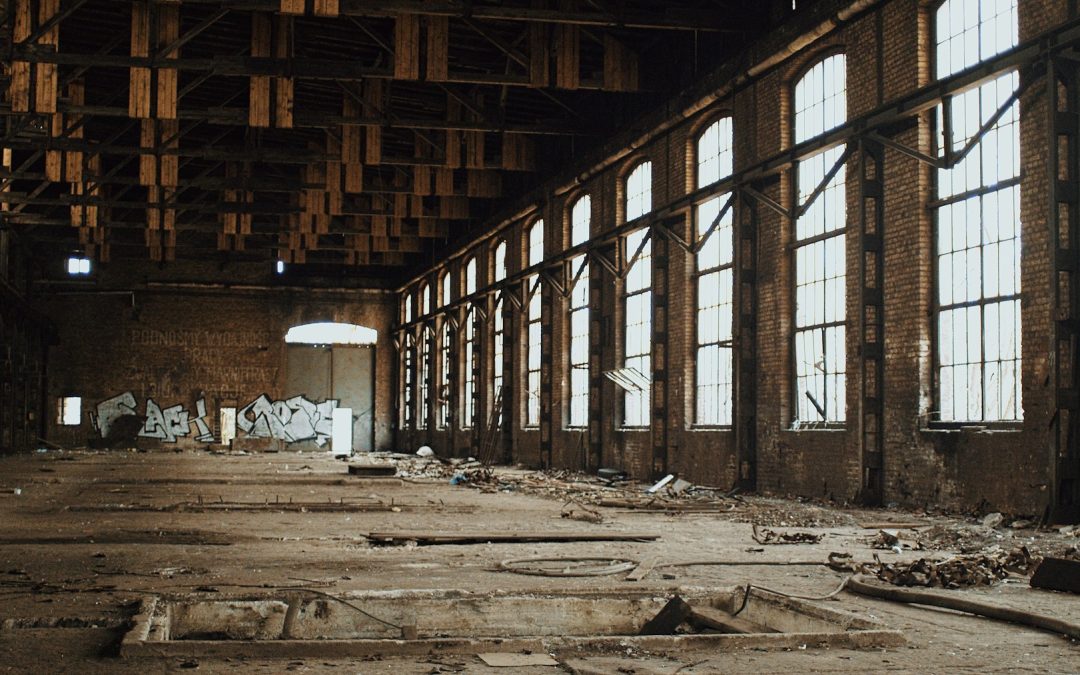
Effective on December 31, 2025, the New York State Department of Environmental Conservation (DEC) has adopted revised 6 NYCRR Part 375, Environmental Remediation Programs, which conforms with both the 2015 and 2022 amendments with respect to the Brownfield Cleanup...
Title V Annual Emissions Reporting
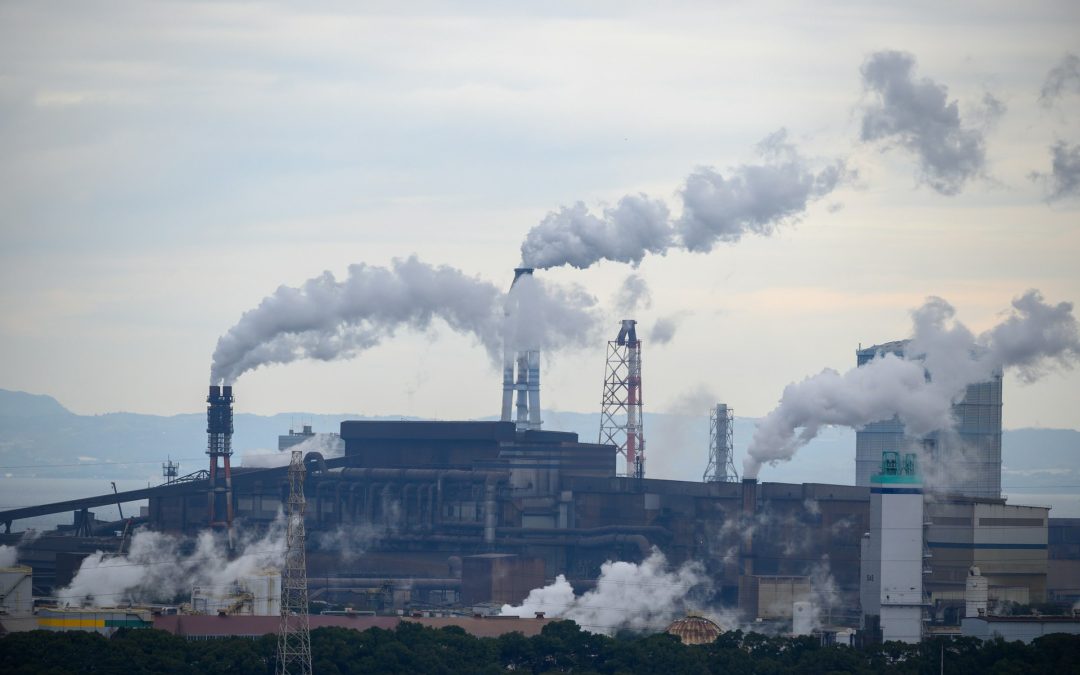
Annual emissions reports for facilities holding a Title V Operating Permit in New York State are required to be submitted to the New York State Department of Environmental Conservation (NYSDEC) by April 15 for the previous calendar year. What Is the Purpose of...
Waters of the United States: Updates Regarding Proposed Rule
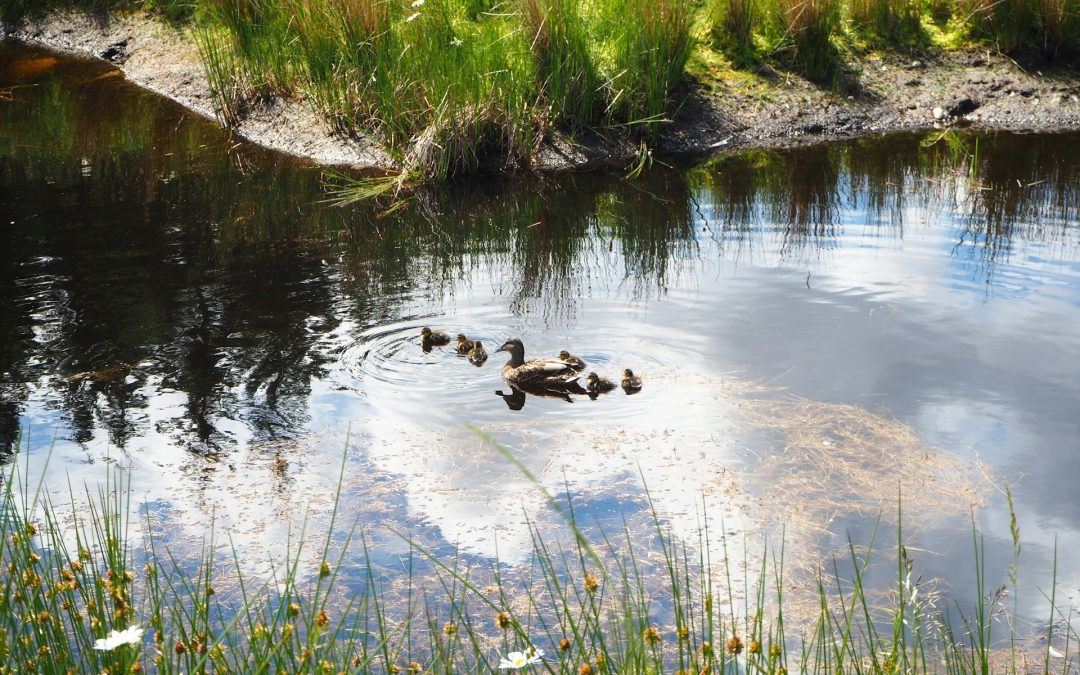
The term Waters of the United States (or ‘WOTUS’) and its implications on federal wetland protection have been a major point of contention, most notably sparked by the case brought upon by Michael and Chantell Sackett in 2007 to resume construction work on their...

CT’s New Release-Based Cleanup Regulations
Connecticut (CT) has adopted the Release-Based Cleanup Regulations (RBCRs), a major change to how environmental contamination is managed statewide. The regulations were adopted on May 16, 2025 and take effect March 1, 2026. What the New Regulations Cover The CT...