
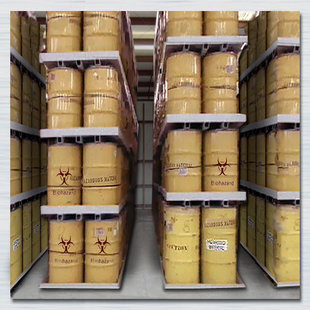
Right To Know – Be Sure To File On Time!
New York City Business Owners: Failure to submit your Community Right-to-Know (RTK) filing on time could get you into some serious hot water. Since fines can run upwards of $5,000 it is clearly in your best interest to comply with the law. If government officials have...

Rising Waters: How Fast and How Far Will Sea Levels Rise in NYS?
Warming temperatures contribute to sea level rise by: expanding ocean water; melting mountain glaciers and ice caps; and causing portions of the Greenland and Antarctic ice sheets to melt or flow into the ocean. [3] Since 1870, global sea level has risen by about 7.5...

Is Your Facility’s Equipment in Compliance with Both NYS and NYC Regulations?
Don’t find out the hard way! New York City Air Pollution Control Code Sections 24-120 and 24-122 require that equipment causing air contaminant emissions (including all fossil fuel burning equipment) must obtain either Registration and/or Certificate of Operations...
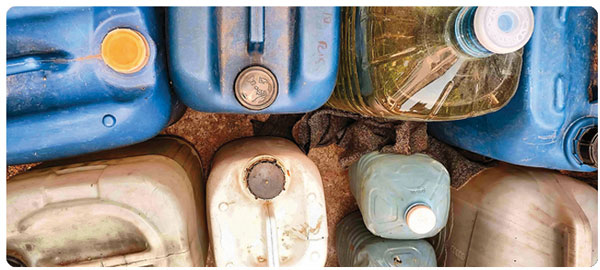
What You Need to Know About Right-to-Know (RTK) Filing
RTK is a program for documenting hazardous chemicals to ensure the safety of both first responders and the general public. Because of RTK, emergency authorities are made aware of dangerous materials stored in commercial and industrial facilities in the five boroughs...
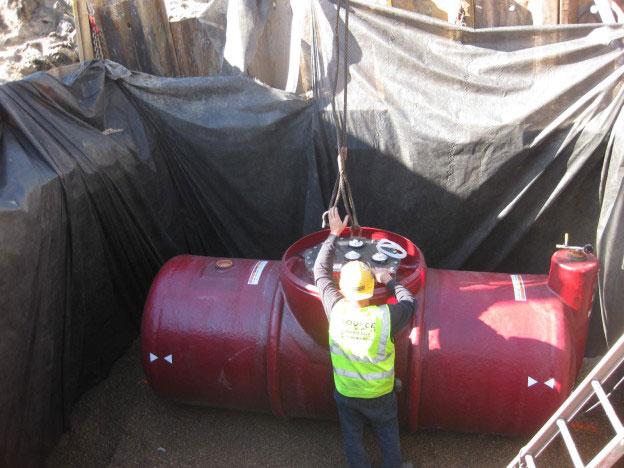
New Underground Storage Tank Operator Training Required by the State and Federal Regulations.
Recent New York State Department of Environmental Conservation (DEC) revisions to the PBS and CBS regulations have resulted in the DEC issuing DER-40, Operator Training. This program policy summarizes the requirements for training Underground Storage Tank (UST)...
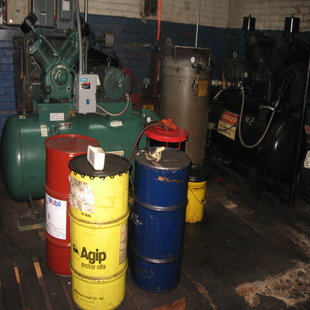
New OSHA HAZCOM Regulations for Labeling and Storing Chemicals
Effective June, 2016, OSHA has adopted new standards for chemical container labeling and Safety Data Sheets (SDSs) for all companies that store or use chemicals in the work place. There have also been changes made to Hazard Classification criteria, which is...
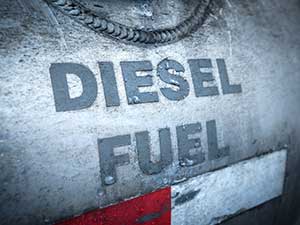
Diesel Fuel Storage: Solving Common Problems – Part 3
Did you know that diesel fuel can decompose? Proper practices can prevent this from happening. Problem: Fuel Degradation What is fuel degradation? Fuel degradation is when the components of diesel fuel decompose into byproducts. Why is this a problem? After a...
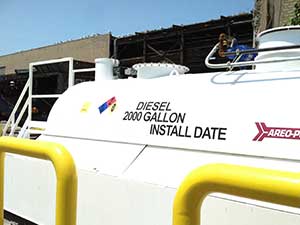
Diesel Fuel Storage: Solving Common Problems – Part 2
Do you store diesel fuel at your facility? Read this article to make sure you're not inadvertently allowing water into your tanks. Problem: Water in storage container How does it get in? Water can enter your storage container as either liquid or gas....
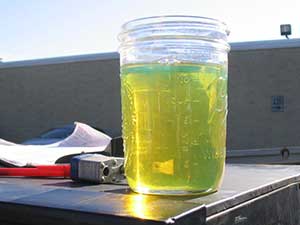
Diesel Fuel Storage: Solving Common Problems – Part 1
Now that Spring is finally on the horizon, there are some steps you should be taking to maintain the stability of your diesel fuel. Problem: Seasonal Changes Why are seasonal issues a concern? When fuel is cooled below its cloud point temperature, solid wax particles...

Diesel Fuel Makes a Dangerous Solvent!
Don’t let a dirty job become a dangerous one. A number of municipalities have adopted the practice of using diesel fuel as a solvent for cleaning asphalt off both trucks and equipment. This is a risky practice that is in violation of DEC regulations. Due to diesel’s...