
EPA Releases Draft TSCA Risk Evaluation for 1,1,2-Trichloroethane
The Environmental Protection Agency (EPA) has released a draft risk evaluation for 1,1,2-trichloroethane under the Toxic Substances Control Act (TSCA), marking another step in the agency’s ongoing review of existing chemicals. While the evaluation is not yet final,...

What You Should Know about EPA’s Risk Evaluation for 1,1-Dichloroethane
On June 17, 2025, the U.S. Environmental Protection Agency (EPA) finalized its Toxic Substances Control Act (TSCA) risk evaluation for 1,1-dichloroethane, concluding that the chemical poses an unreasonable risk to human health under certain conditions of use (COUs)....
Process Safety Management for General Industry Facilities
When people hear “Process Safety Management,” they often assume it only applies to massive refineries or chemical plants. However, the Occupational Safety and Health Administration’s (OSHA’s) Process Safety Management (PSM) standard can apply to a wide range of...
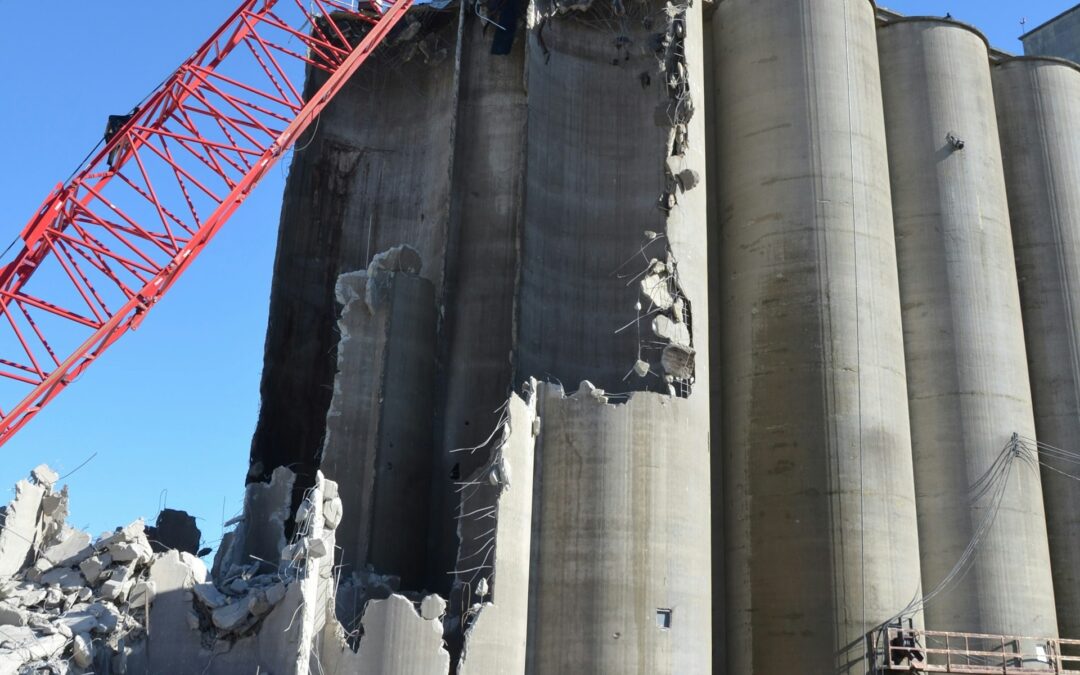
Federal Court Upholds EPA PFAS Hazardous Substance Designation: What You Should Know
Per- and polyfluoroalkyl substances (PFAS) regulations have changed significantly in recent years, and a new federal court decision has reinforced one of the Environmental Protection Agency’s (EPA’s) most consequential actions involving these “forever chemicals.” On...

Emergency Preparedness in Schools: Beyond Active Shooter and Fire Drills
Schools devote significant attention to fire drills, lockdowns, and active shooter response. While these plans are critical, they represent only part of the emergencies a school may face. A chemical spill, gas leak, personal injury, severe storm, or power failure may...

Hazard Communication and Chemical Hygiene Plans in CT Schools: Do You Need Both?
Science classrooms are not the only places where chemicals are used in schools. Custodians work with cleaning products and disinfectants. Facilities employees may use paints, solvents, adhesives, fuels, and water treatment chemicals. Art departments may store glazes,...

Machine Guarding and Lockout/Tagout in Schools
Schools are not usually thought of as industrial workplaces, but many contain the same equipment and hazardous energy sources found in manufacturing facilities. Wood and metal shops have table saws, drill presses, lathes, sanders, grinders, and milling machines....

Electrical Safety in Schools: Common Hazards Hiding in Plain Sight
Electrical hazards in schools rarely look dramatic. More often, they look ordinary: an extension cord stretched across the floor, an overloaded power strip beneath a teacher’s desk, a filing cabinet placed in front of an electrical panel, or a damaged cord repaired...

Connecticut Schools Face Increased EHS Compliance Oversight: Is Yours Ready?
When most people think of environmental, health, and safety (EHS) compliance, they picture manufacturing plants, warehouses, or construction sites. However, schools are workplaces too, with a responsibility to provide a safe environment for students, staff, and...
7 OSHA Topics Under Review: OSHA Schedules Public Hearings
On June 3, 2026, the Occupational Safety and Health Administration (OSHA) announced that it will hold a series of informal public hearings starting on August 19, 2026, to gather stakeholder input on several proposed regulatory changes affecting workplace safety and...