
Emergency Preparedness in Schools: Beyond Active Shooter and Fire Drills
 Schools devote significant attention to fire drills, lockdowns, and active shooter response. While these plans are critical, they represent only part of the emergencies a school may face.
A chemical spill, gas leak, personal injury, severe storm, or power failure may each require very different responses. Employees (and students) need to know whether to evacuate, shelter in place, isolate an area, provide first aid, or wait for trained emergency responders.
With the Connecticut Department of Labor’s Division of Occupational Safety and Health (CONN-OSHA) increasing programmed inspection activity at Connecticut schools, educational facilities should evaluate whether their emergency planning addresses actual workplace conditions and dangers.
School Emergency Plans Must Address Employees
A district may have a comprehensive emergency operations plan focused on student safety, but that does not automatically mean all employee emergency planning requirements have been addressed.
Where OSHA requires an Emergency Action Plan (EAP), the plan must include procedures for:
- Reporting fires and other emergencies;
- Evacuating the building and assigning escape routes;
- Employees who remain behind to perform critical operations;
- Accounting for employees after an evacuation;
- Employees assigned rescue or medical duties; and
- Identifying the people employees should contact for additional information.
The plan should also identify the types of emergencies employees could reasonably encounter and explain how the expected response may change. Evacuation may be appropriate for a fire, while a severe weather event or outdoor chemical release could require employees to remain inside.
CONN-OSHA’s recent guidance for educational facilities specifically identifies Emergency Action Plans and employee training among the requirements that may be reviewed during school inspections.
Common Citations: Missing or incomplete EAPs, employees who have not been trained on the plan, inadequate emergency reporting procedures, and failure to establish a method for accounting for employees after evacuation.
 Chemical Spills Require Predetermination
Chemical spills can occur anywhere chemicals are used, transferred, or stored, including laboratories, art rooms, custodial closets, kitchens, maintenance areas, and pool rooms. Vapors, runoff, or tracked contamination may also carry the hazard beyond the original spill area and expose employees who do not normally work with chemicals.
The first question should not be, “Who is willing to clean this up?” Schools must determine in advance which releases employees may handle, what training and equipment those employees need, and when they should evacuate the area and call 911.
A small, incidental spill may be handled by properly trained employees when it presents no significant safety or health hazard and can be safely controlled at the time of release. A spill involving an unknown chemical, toxic vapor, fire or explosion hazard, significant exposure risk, or a need to evacuate may constitute an emergency response requiring much more extensive planning and training.
The quantity spilled does not decide the issue by itself. A small amount of a highly hazardous chemical may create a greater emergency than a larger spill of a lower-hazard material.
Employees should know:
- How to report a spill;
- When to evacuate or isolate the area;
- Who is authorized to evaluate or clean it;
- Where spill control materials are located;
- When the fire department or hazardous materials contractor must be called; and
- How exposed employees will receive medical attention.
Common Citations: Employees responding beyond their level of training, missing spill procedures, improper PPE, unavailable spill supplies, and failure to distinguish between an incidental spill and a hazardous materials emergency.
 Medical Response Cannot Depend Only on the Nurse
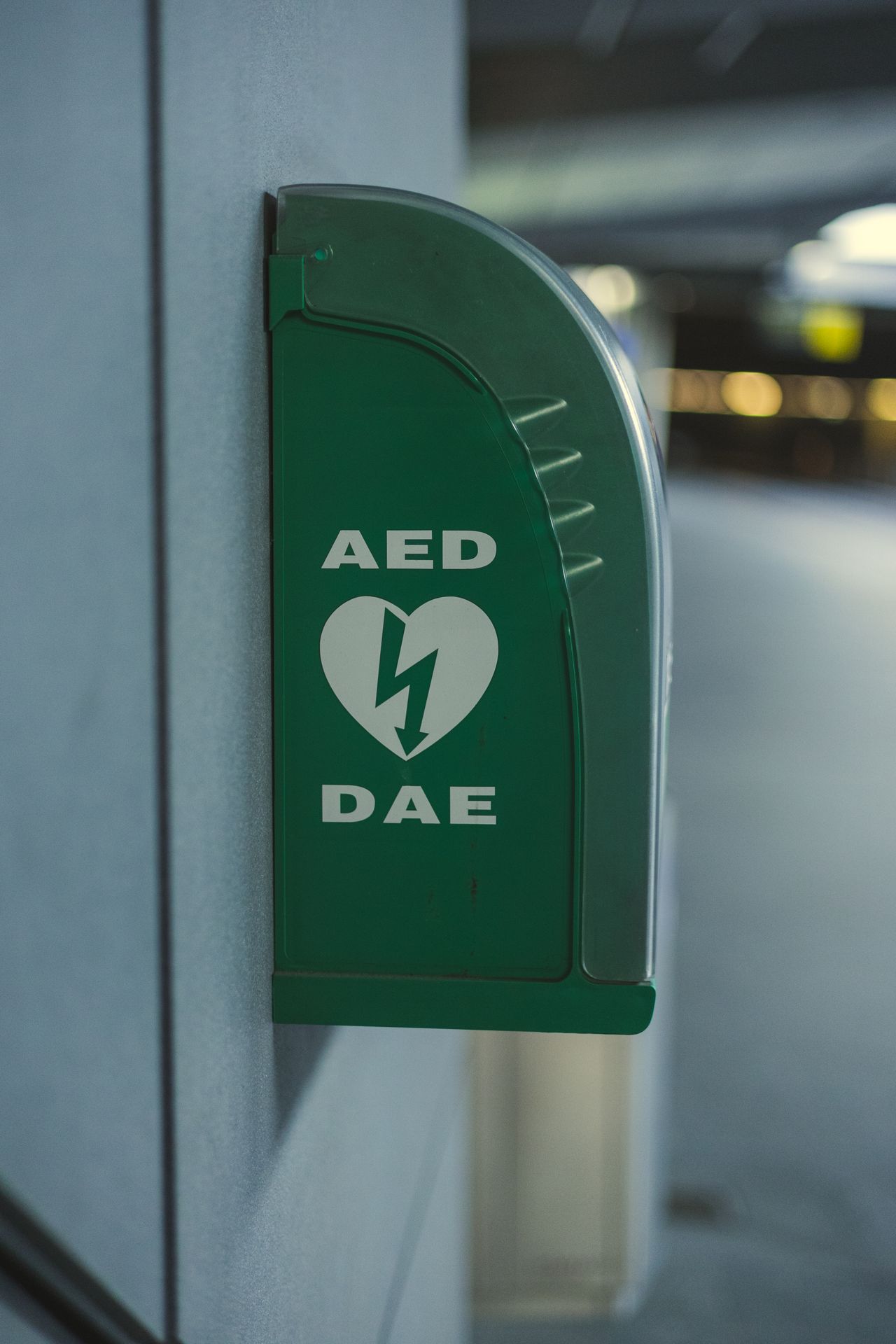
The school nurse is an important part of emergency response, but injuries and exposures do not always occur while the nurse is present. Facilities employees may work before or after school, athletic events may continue into the evening, and contractors may be onsite during vacations or weekends. Alternatively, the injury may require additional personnel or equipment that is not traditionally available at a school.
Schools should determine how prompt medical assistance will be obtained during all operating hours and which employees, if any, have assigned first aid or medical response duties. Employees given those responsibilities may also be subject to additional training and bloodborne pathogen (BBP) requirements.
Emergency contact information and first aid supplies should be accessible in the areas and during the hours when employees are working; they should not be limited to the nurse’s office.
The plan should also address how emergency responders will be directed to an injured person in a large building or on an extended campus. Calling 911 won’t help much if responders cannot quickly locate the correct entrance, room, athletic field, or roof. It is recommended to designate someone to meet emergency responders at the main entrance and guide them to the location of the emergency.
Eyewashes and Safety Showers Must Work Immediately
Where employees may be exposed to injurious corrosive materials, OSHA requires suitable facilities for quickly flushing the eyes or body within the work area for immediate emergency use.
Installing an eyewash or safety shower does not complete the school’s responsibility. The equipment must be accessible, functional, and appropriate for the hazard. Employees should know where it is located and how to use it.
Access can be compromised by stored materials, locked doors, equipment placed in front of the unit, or a route that requires an exposed employee to navigate stairs or hallways. Eyewashes and showers should also be inspected and maintained so the school does not discover a malfunction during an actual exposure.
Common Citations: Missing flushing equipment where corrosives are used, blocked or inaccessible units, equipment that does not function properly, and employees who do not know how to respond to a chemical exposure.
Severe Weather, Power Failures, and Gas Leaks
Not every emergency requires employees to leave the building. In some cases, it may actually be safer to stay.
Severe weather may require occupants to use a shelter area. A gas leak may require immediate evacuation without activating equipment or switches that could create an ignition source. A power failure may affect alarms, emergency lighting, electronic access systems, elevators, ventilation, communications, and equipment needed to maintain safe building conditions.
Schools should consider how employees will receive emergency instructions if normal communication systems are unavailable. Plans should also identify who is authorized and qualified to shut down utilities or critical equipment and when employees should evacuate without attempting to intervene.
Employees should not be expected to improvise these decisions while an emergency is unfolding.
 After-Hours and Community Use Changes the Plan
Schools often remain active long after students leave. Athletic events, theater productions, adult education programs, municipal meetings, community groups, and outside organizations may use the building during evenings and weekends.
The people managing these events may not know the building as well as school employees. They may not have access to public address systems, emergency contact lists, utility shutoffs, first aid supplies, or all areas of the facility.
When building an Emergency Action Plan, don’t forget to address:
- Who is responsible for the building during an after-hours event,
- How emergencies will be reported,
- Who can access emergency equipment and communication systems,
- How employees, contractors, visitors, and community members will be accounted for,
- How emergency responders will enter the building, and
- Who has authority to evacuate, shelter, or cancel an event.
Contractors should also receive information about alarms, evacuation procedures, assembly locations, and hazards that could affect their work. The school should understand the contractor’s emergency procedures when the work introduces additional hazards.
Plans Should Be Tested Against Real Conditions
A plan may look complete on paper but fail under actual school conditions. Doors may be locked after hours, assembly areas may be inaccessible during snow, substitute employees may not know their responsibilities, or the person assigned to account for employees may have called in sick.
Schools should supplement required drills with tabletop exercises and scenario-based reviews. These exercises can test how the school would respond to situations such as:
- A chemical spill while students are changing classes,
- A medical emergency in a mechanical room,
- A power failure during an evening performance,
- A gas odor when the main office is closed,
- Severe weather during dismissal, or
- An emergency involving contractors in an isolated work area.
The purpose is not to create a plan for every possible event. It is to make sure employees understand how decisions will be made, how information will be communicated, and who is responsible when normal operations break down.
How Walden Can Help Prepare Your School
Walden’s EHS specialists can review or create your school’s EAP, evaluate chemical spill and medical response procedures, inspect emergency equipment, identify after-hours planning gaps, and help conduct drills or tabletop exercises based on actual facility conditions.
Do not wait for an emergency to reveal that the plan does not work as expected. Contact us today at 860-846-4069.