
Connecticut DEEP Releases PFAS Roadmap 2.0
On June 30, 2026, the Connecticut Department of Energy and Environmental Protection (CT DEEP) released its Industrial Wastewater PFAS Roadmap 2.0, providing an updated strategy for how PFAS will be addressed through the state’s industrial wastewater permitting programs.
While the document does not establish any new requirements, it provides insight into how CT DEEP plans to address PFAS in the future. Facilities that discharge industrial wastewater should become familiar with the guidance and consider how it may impact future permitting, monitoring, and compliance efforts.
PFAS – A Brief History
PFAS, commonly known as “forever chemicals,” have been used in manufacturing and consumer products for decades because of their resistance to heat, water, grease, and other chemicals. PFAS are used in products such as non-stick cookware, textiles, construction materials, and more. However, as research has continued to identify their persistence in the environment and potential health impacts, the Environmental Protection Agency (EPA) and state agencies have increased efforts to better regulate PFAS and reduce their release into the environment.
In 2023, the CT DEEP released its first PFAS Roadmap for industrial discharges, outlining how PFAS would begin to be incorporated into wastewater permitting. With the release of PFAS Roadmap 2.0, DEEP is building on that framework by providing updated guidance and clarifying how PFAS monitoring, reporting, and permitting may be implemented moving forward.
Key Takeaways from PFAS Roadmap 2.0
Roadmap 2.0 reflects several significant regulatory developments that have occurred since the original roadmap was released, including EPA drinking water standards, expanded PFAS reporting requirements under TSCA, and increased federal and state attention on PFAS source reduction. The updated roadmap explains how CT DEEP intends to incorporate these existing requirements into its wastewater permitting programs.
The memorandum emphasizes pollution prevention by encouraging facilities to identify and eliminate PFAS at the source whenever possible, rather than relying solely on water treatment technologies. Furthermore, facilities with known or suspected PFAS discharges may be required to conduct routine PFAS sampling, source identification, control measures, and additional reporting.
The roadmap also mentions standardized sampling and analytical methods. Facilities that are required to monitor PFAS should expect strict quality assurance requirements and approved laboratory methods to ensure sampling results are legally defensible.
Rather than applying a one-size-fits-all approach, DEEP indicates these requirements may be implemented on a case-by-case basis or sector-specific basis, depending on facility operations and discharge characteristics.
What You Should Do Today
Many facilities unknowingly use or process materials that contain PFAS. Potential sources include:
- Metal finishing operations
- Firefighting foam
- Textile manufacturing
- Food packaging
- Electronics manufacturing
- Surface coatings
- Certain cleaning agents
If your facility recently applied for or renewed its wastewater permit, you may have already noticed the increased focus on PFAS. Although not every facility will immediately be subject to new permit requirements, organizations can take these proactive measures:
- Review manufacturing processes for potential PFAS use,
- Inventory chemicals, coatings, and products that may contain PFAS,
- Ensure your Safety Data Sheet (SDS) inventory is up to date,
- Evaluate wastewater discharge points, and
- Stay informed about permit modifications and future EPA/DEEP guidance.
Additionally, and depending on your operations, voluntary PFAS sampling may be beneficial to establish a baseline before future permit requirements take effect. Taking these steps now can help facilities track PFAS use and respond more efficiently if future monitoring or reporting requirements are incorporated.
How Walden Can Help
PFAS regulations continue to evolve rapidly at both the federal and state levels. Connecticut’s PFAS Roadmap 2.0 demonstrates that DEEP intends to further integrate PFAS considerations into industrial wastewater permitting over the coming years.
If you need assistance evaluating wastewater discharges, sampling for PFAS, training employees, or applying for permits, Walden can help! Contact us today at 860-846-4069.
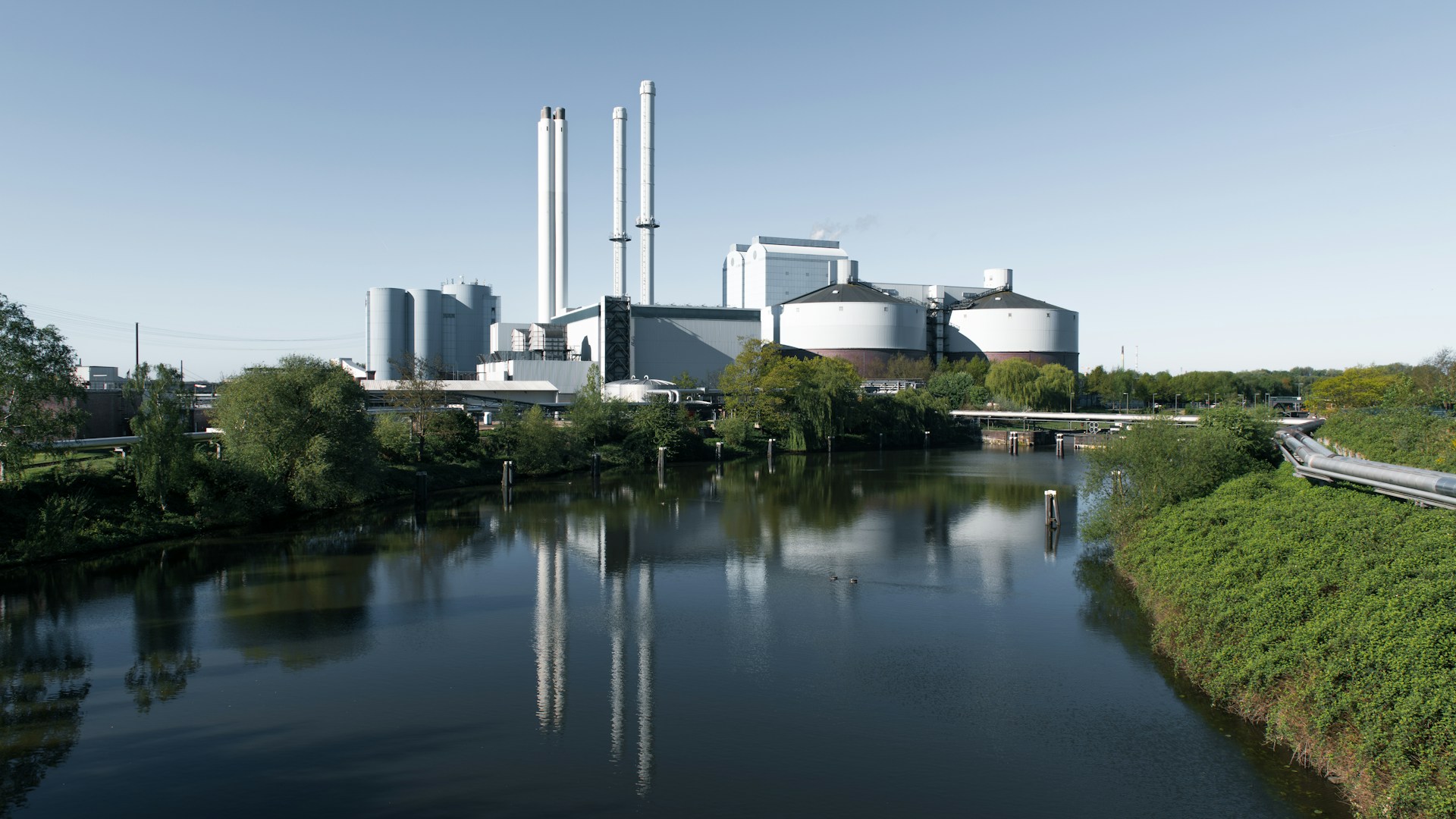
Photo by Wolfgang Weiser on Unsplash
Contact Walden’s experienced consultants at 860-846-4069 to learn more about PFAS regulations, including reporting requirements.