
Electrical Safety in Schools: Common Hazards Hiding in Plain Sight
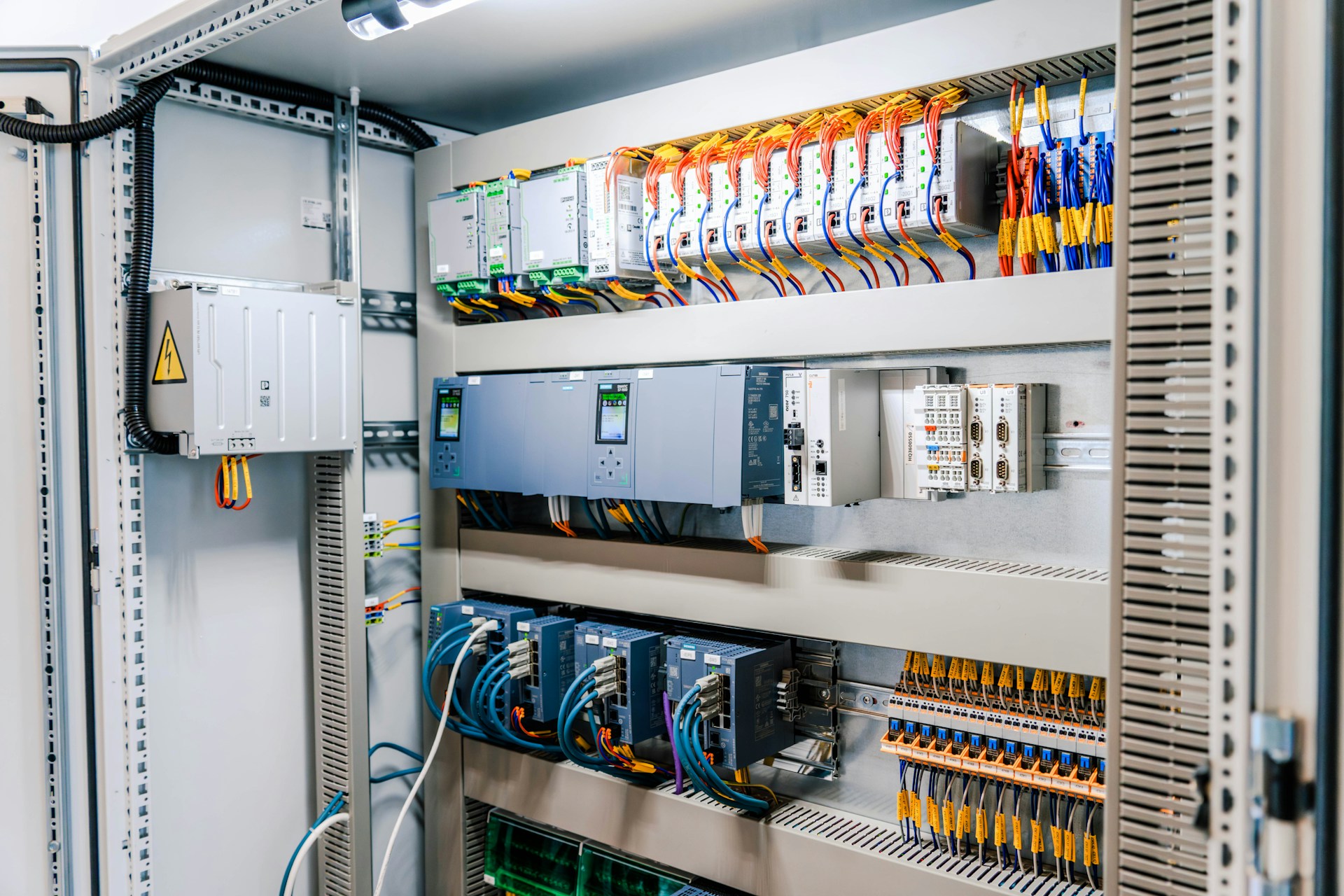 Electrical hazards in schools rarely look dramatic. More often, they look ordinary: an extension cord stretched across the floor, an overloaded power strip beneath a teacher’s desk, a filing cabinet placed in front of an electrical panel, or a damaged cord repaired with electrical tape.
A temporary setup remains in place for years, employees bring small space heaters from home, and storage gradually accumulates around panels. To most people, these hazards become normal, everyday occurrences. However, familiarity does not make an electrical condition safe or compliant.
With the Connecticut Department of Labor’s Division of Occupational Safety and Health (CONN-OSHA) increasing programmed inspection activity at schools in Connecticut, educational facilities should take a closer look at the electrical hazards hiding in classrooms, offices, shops, laboratories, kitchens, and storage rooms.
Why Electrical Hazards Are Easy to Miss
Schools are constantly adapting their facilities. Classrooms designed decades ago now need to power computers, projectors, charging stations, printers, air purifiers, and other equipment. When permanent electrical infrastructure does not keep up with those demands, extension cords and power strips naturally become the default solution.
The problem develops gradually. One extension cord becomes two. A power strip is added beneath a desk. An appliance is brought in from home. Eventually, no one remembers that the setup was supposed to be temporary.
These examples may sound minor, but they can result in overheating, electrical burns, fires, and other serious hazards.
In its recent guidance for educational facilities, CONN-OSHA specifically identified electrical requirements under 29 CFR Subpart S among the standards commonly cited in school science departments. The agency also emphasized that its programmed inspections may include technical education, buildings and grounds, maintenance, and other schoolwide locations.
 Extension Cords Are Not Permanent Wiring
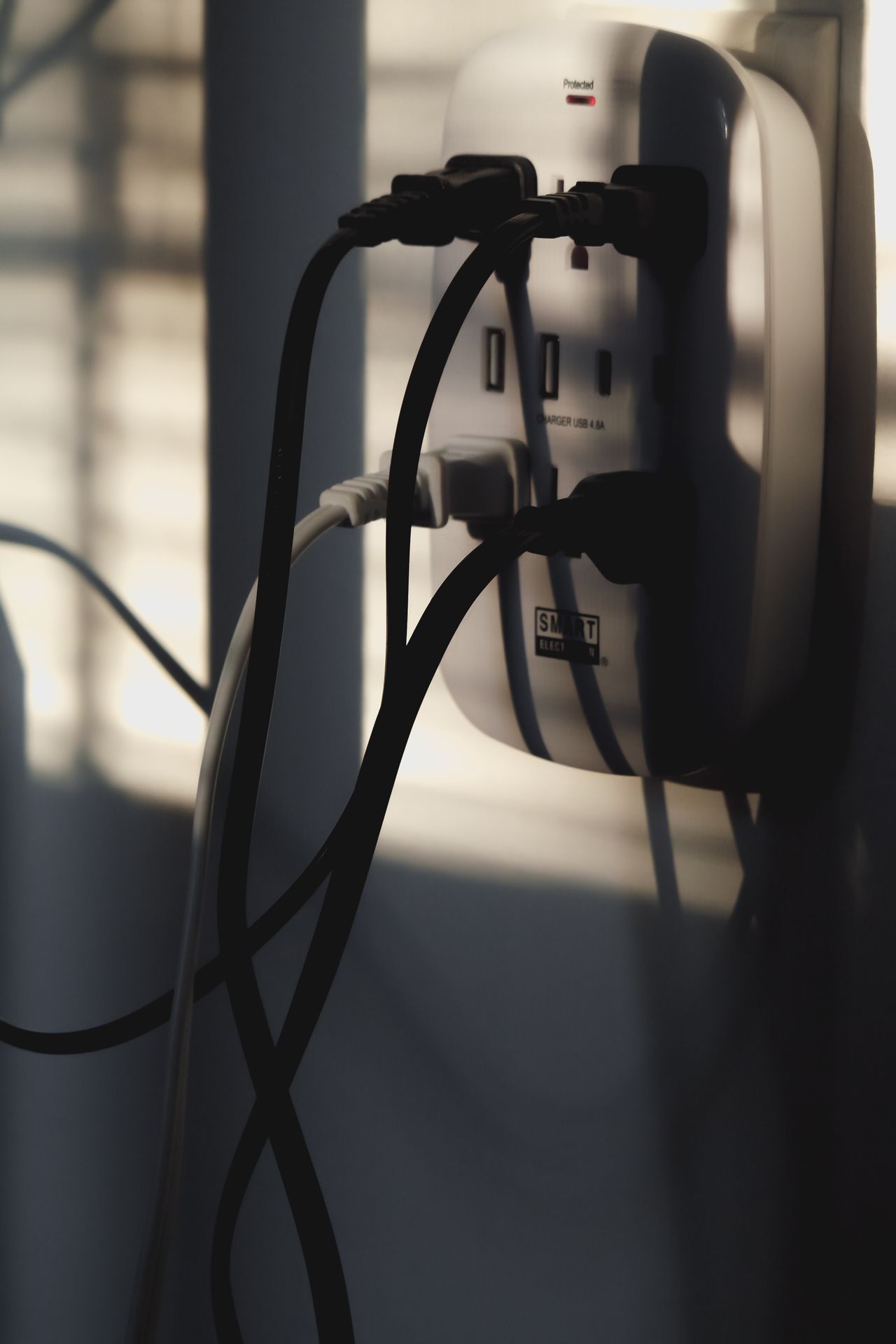
Extension cords are intended for temporary (less than 90 days) or other specifically permitted use. They should not become a substitute for the permanent wiring of a building.
Warning signs that an extension cord may be functioning as permanent wiring include:
- A cord that remains installed indefinitely;
- A cord attached to a wall, ceiling, desk, or other building surface;
- A cord routed through a wall, ceiling, floor, doorway, or similar opening;
- A cord hidden beneath carpeting, ceiling tiles, or furniture;
- Multiple cords connected together to reach equipment; or
- A cord supplying equipment that should have a permanent receptacle.
An extension cord running through the wood shop for several years does not become acceptable simply because it has never caused a problem. If equipment needs continuous power in a location without sufficient receptacles, the appropriate solution may be to have additional outlets installed.
Power strips must also be used in accordance with their listing and manufacturer’s instructions. Daisy chaining (plugging one power strip into another power strip or an extension cord) is not permitted. Appliances such as space heaters, refrigerators, microwaves, coffee makers, and hot plates may also need to be connected directly to permanent outlets.
Common Citations: Extension cords being used as permanent wiring, cords routed through prohibited openings, multiple cords connected in series, cords exposed to pinching or physical damage, and cords that are not suitable for the conditions in which they are used.
Blocked Electrical Panels and Disconnects
Unless you’re a maintenance employee or hired electrician, electrical panels often disappear into the background. In classrooms and offices, they may become hidden by posters, shelves, filing cabinets, or furniture. In storage areas, boxes and supplies may gradually accumulate in front of them. These obstructions can delay emergency access, interfere with safe operation or maintenance, and result in OSHA citations.
OSHA requires sufficient access and working space around electrical equipment so it can be operated and serviced safely. The required working space cannot be used for storage. Although the exact clearance depends on the equipment and installation, at least three feet of clear space is generally required around typical electrical panels.
Panel doors must be able to open properly, and breakers and disconnects must remain accessible. OSHA also requires each service, feeder, and branch circuit at its disconnecting means or overcurrent device to be legibly and durably marked to indicate its purpose, unless the purpose is already evident. Labels should be specific enough to identify the area or equipment served; vague or outdated descriptions may not provide employees with the information needed during maintenance or an emergency. Required manufacturer and equipment rating markings must also remain in place.
Common Citations: Blocked panels/disconnects, panel doors that cannot open fully, unlabeled panels or disconnects, missing covers or knockouts, open spaces in electrical cabinets, and missing or illegible circuit identification.
 Damaged Cords and Equipment
A cord does not need to expose bare copper before it becomes unsafe. Cuts, cracked insulation, crushed sections, missing grounding prongs, loose plugs, scorch marks, pulled strain relief, and makeshift repairs can all indicate a problem.
Additionally, “repairing” a damaged cord with electrical tape does not necessarily restore it to a safe condition. Employees should be instructed to stop using damaged equipment and report it instead of attempting an informal repair.
Schools should include electrical cords and portable equipment in routine facility inspections, particularly in shops, kitchens, laboratories, maintenance areas, and other locations where equipment receives frequent or heavy use.
Equipment Brought in by Employees
Teachers and other employees may bring personal appliances and equipment into school, including lamps, fans, refrigerators, microwaves, coffee makers, space heaters, chargers, and decorative lighting.
Once personal equipment is used in the workplace, it creates the same electrical and fire safety concerns as school-owned equipment. Schools should establish clear rules for what employees may bring in, whether approval is required, and how unsafe equipment will be identified and removed.
This is especially important around holidays and classroom events, when decorative lights, cooking appliances, and temporary equipment may be introduced without facilities personnel knowing.
Common Citations: Personal appliances with damaged cords or missing grounding prongs, space heaters or high-demand appliances connected to extension cords or power strips contrary to their instructions, daisy-chained devices, frayed wiring, equipment used in an unsuitable location, and equipment that is not used in accordance with its listing or labeling.
 Maintenance and Contractor Work
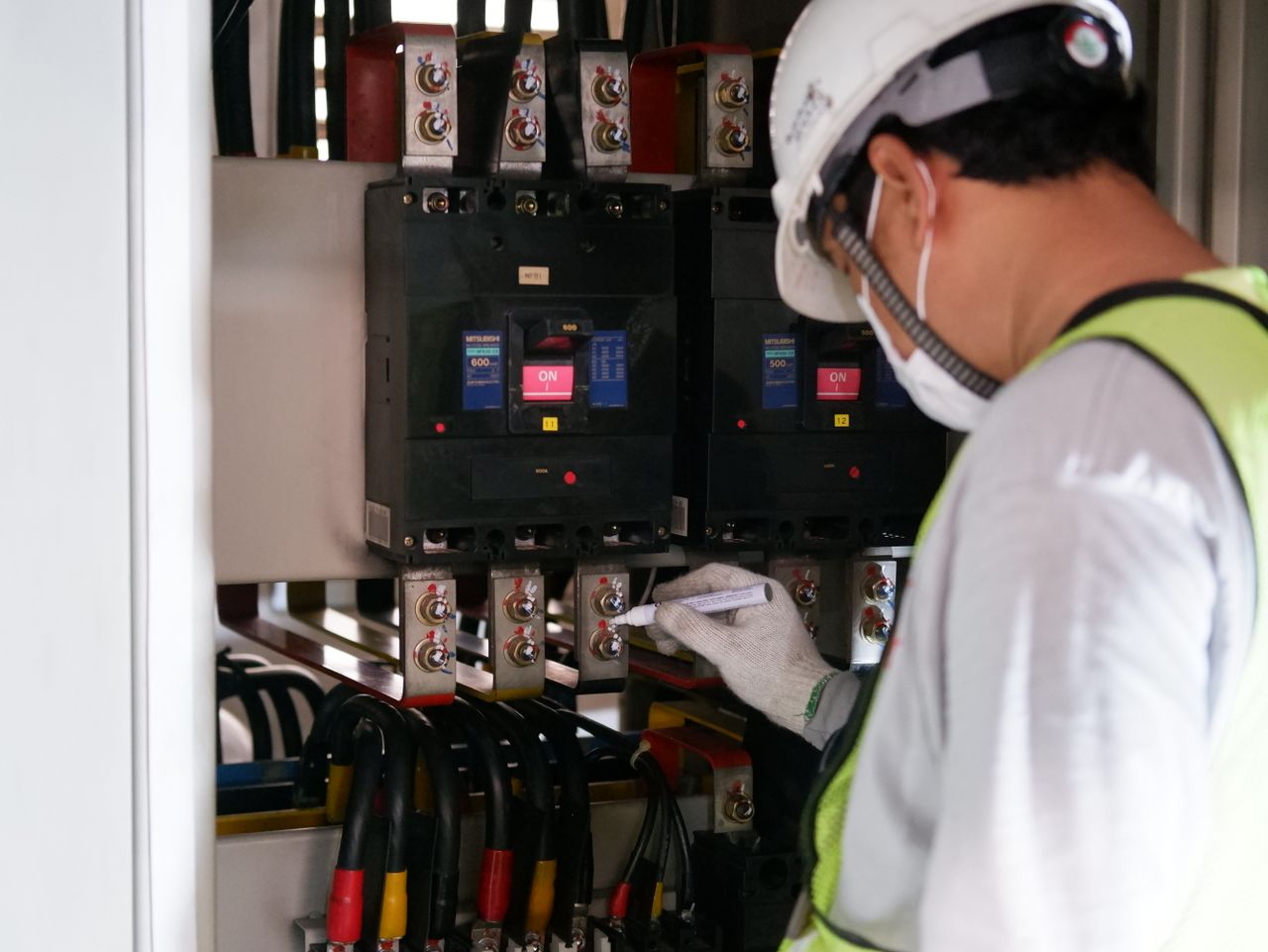
Renovations, repairs, theatrical productions, technology upgrades, and maintenance projects can introduce temporary cords, open electrical boxes, incomplete wiring, and exposed components into occupied school buildings.
Electrical work must be performed by appropriately qualified personnel, and incomplete work areas must be protected from unauthorized access. Contractors should coordinate with school representatives regarding shutdowns, temporary power, work areas, and conditions that could affect employees, students, or visitors.
Before an area is returned to normal use, temporary wiring should be removed, electrical covers should be installed, and the space should be checked for hazards left behind.
Common Citations: Exposed energized parts, open electrical boxes, missing covers, unclosed openings, improper temporary wiring, cords exposed to damage, inadequate guarding of work areas, and unqualified employees performing work reserved for qualified electrical personnel.
Ordinary Does Not Mean Safe
Electrical conditions in schools change constantly. A room that was compliant at the beginning of the school year may look very different several months later.
Electrical safety must be incorporated into routine facility inspections and employees should be encouraged to report concerns before attempting their own solutions. Extension cords, power strips, blocked panels, and damaged equipment are easy targets for an inspector, and often preventable through regular inspections, prompt corrective action, and clear expectations.
How Walden Can Help
Walden’s EHS specialists can conduct facility-wide compliance inspections, identify electrical and fire safety concerns, evaluate existing policies and inspection practices, and help your school prioritize corrective actions before they result in an employee injury or regulatory citation. Contact us today at 860-846-4069.