Connecticut Schools Face Increased EHS Compliance Oversight: Is Yours Ready?
When most people think of environmental, health, and safety (EHS) compliance, they picture manufacturing plants, warehouses, or construction sites. However, schools are workplaces too, with a responsibility to provide a safe environment for students, staff, and visitors. From science laboratories and maintenance shops to custodial operations and large campuses, schools face many of the same environmental and workplace safety obligations as other employers. Historically, those obligations have not received the same level of attention as they have in industrial settings, but that is beginning to change.
Recent initiatives from both the Connecticut Department of Labor’s Division of Occupational Safety and Health (CONN-OSHA) and the Connecticut Department of Energy and Environmental Protection (CT DEEP) are shifting focus to put greater regulatory attention on educational facilities throughout the state.
For school districts, colleges, and other educational institutions, now is an important time to evaluate existing environmental and safety programs and identify potential compliance gaps before an inspector does.
Schools Are Workplaces Too
As part of its Fiscal Year 2026–2030 Strategic Plan, CONN-OSHA has identified elementary and secondary schools and junior colleges among the high-hazard public-sector workplaces targeted for programmed inspections.
Science laboratories, art departments, workshops, maintenance areas, building operations, kitchens, storage areas, offices, and other areas of school facilities may all fall within the scope of a CONN-OSHA inspection. Inspectors may also request copies of written safety programs, policies, training documentation, and injury and illness records.
This means hazards and compliance obligations commonly associated with industrial workplaces can be just as relevant within a school.
Some topics educational facilities should consider when evaluating their OSHA compliance include:
- Chemical storage and labeling,
- Personal protective equipment (PPE),
- Machine guarding,
- Electrical safety,
- Ladder use,
- Respiratory protection,
- Bloodborne pathogens (BBPs),
- Emergency response procedures, and
- Employee training.
While many schools have strong maintenance and custodial programs, environmental and workplace safety requirements often develop over time as facilities expand, renovations occur, new equipment is installed, or regulations change. Periodic compliance reviews can help identify issues before they become citations.
DEEP’s Environmental Requirements Are Expanding
Workplace safety isn’t the only area receiving increased regulatory attention.
CT DEEP recently reissued the General Permit for the Discharge of Stormwater Associated with Commercial Activity (Commercial Stormwater GP), which has been expanded to include educational services.
Under the permit, coverage is required for any site in Connecticut that has:
- Five or more acres of contiguous impervious cover; AND
- A primary activity matching one of the eligible Standard Industrial Classification (SIC) or North American Industry Classification System (NAICS) codes found in Appendix A of the permit; AND
- A stormwater discharge that is not covered under another permit.
Note: Impervious surfaces can include parking lots, buildings, sidewalks, driveways, and other surfaces that prevent stormwater from naturally infiltrating the ground.
Educational facilities are listed in Appendix A under:
- SIC 82: Educational Services (Division 1), and
- NAICS 611: Educational Services (Sector 61)
For a large high school, college campus, or other educational facility with extensive buildings and parking areas, five acres can be covered easily.
Facilities subject to the permit may be required to develop and implement a site-specific Stormwater Management Plan (SMP), implement pollution prevention practices and stormwater controls, and conduct inspections and analytical monitoring.
Facilities that meet the applicability criteria but were not covered under the previous Commercial Stormwater General Permit (this includes schools and universities) generally have until December 1, 2026 to register for coverage.
How Walden Can Help
The recent actions by CONN-OSHA and DEEP demonstrate why educational institutions should begin treating EHS compliance as an ongoing component of facility management.
The best time to determine whether your school is prepared is before an OSHA or DEEP inspector arrives. Schools should consider conducting a comprehensive EHS compliance review to identify missing programs, outdated training, unsafe practices, and permit coverage applicability.
If you need assistance auditing your facility or identifying compliance gaps, Walden can help! Our team of EHS specialists is very familiar with stormwater permitting and regulatory compliance requirements. Contact us today at 860-846-4069 to speak with an experienced safety professional.
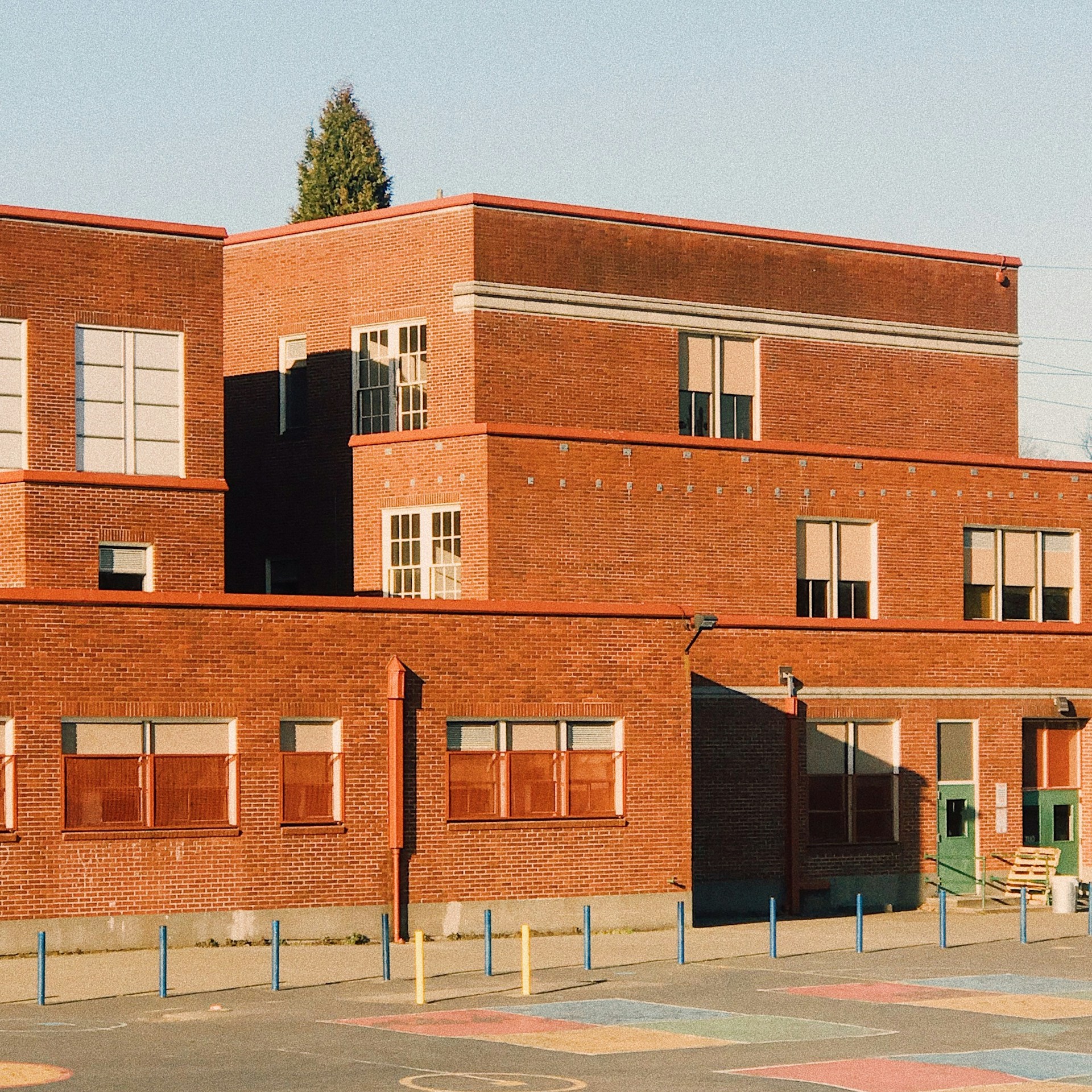
Photo by Zachary Keimig on Unsplash
Walden’s EHS specialists can review your current safety programs and, if necessary, work with your team to make improvements. Contact us today at 860-846-4069 to speak with an experienced consultant.