
Hazard Communication and Chemical Hygiene Plans in CT Schools: Do You Need Both?
 Science classrooms are not the only places where chemicals are used in schools. Custodians work with cleaning products and disinfectants. Facilities employees may use paints, solvents, adhesives, fuels, and water treatment chemicals. Art departments may store glazes, inks, resins, and photographic chemicals.
With chemicals spread across multiple departments, it is easy for safety responsibilities to become fragmented. The science department manages its chemicals, custodial staff manage theirs, and so on. Unfortunately, this approach can leave significant gaps in chemical inventories, labeling, employee training, emergency preparedness, and more.
This is why a single chemical safety binder is not always enough. A school may need more than one program or training to comply with regulatory requirements. The answer depends on the actual chemicals being used and what employees are doing with them. With the Connecticut Department of Labor’s Division of Occupational Safety and Health (CONN-OSHA) planning to increase programmed inspections in schools, now is the time to review your current processes and make any adjustments needed to ensure compliance.
The Difference Between Hazard Communication and Chemical Hygiene
OSHA’s Hazard Communication Standard (HazCom) generally applies to employees who may be exposed to hazardous chemicals under normal working conditions or during a foreseeable emergency. In a school, this may include custodians, maintenance/grounds employees, art/science teachers, lab assistants, and culinary staff.
At minimum, a written hazard communication program should include:
- A current inventory of hazardous chemicals,
- Container labeling requirements,
- How to access safety data sheets (SDSs),
- Employee information and training,
- Procedures for non-routine tasks,
- Hazards associated with the chemicals in unlabeled pipes, and
- Methods for informing contractors and other employers about chemical hazards.
In addition to HazCom requirements, school laboratories may also be subject to OSHA’s Occupational Exposure to Hazardous Chemicals in Laboratories Standard. The standard applies when all of the following are true:
- Hazardous chemicals are used on a laboratory scale,
- Multiple chemicals or chemical procedures are involved,
- The work is not part of a production process, and
- Protective laboratory practices and equipment are available and commonly used.
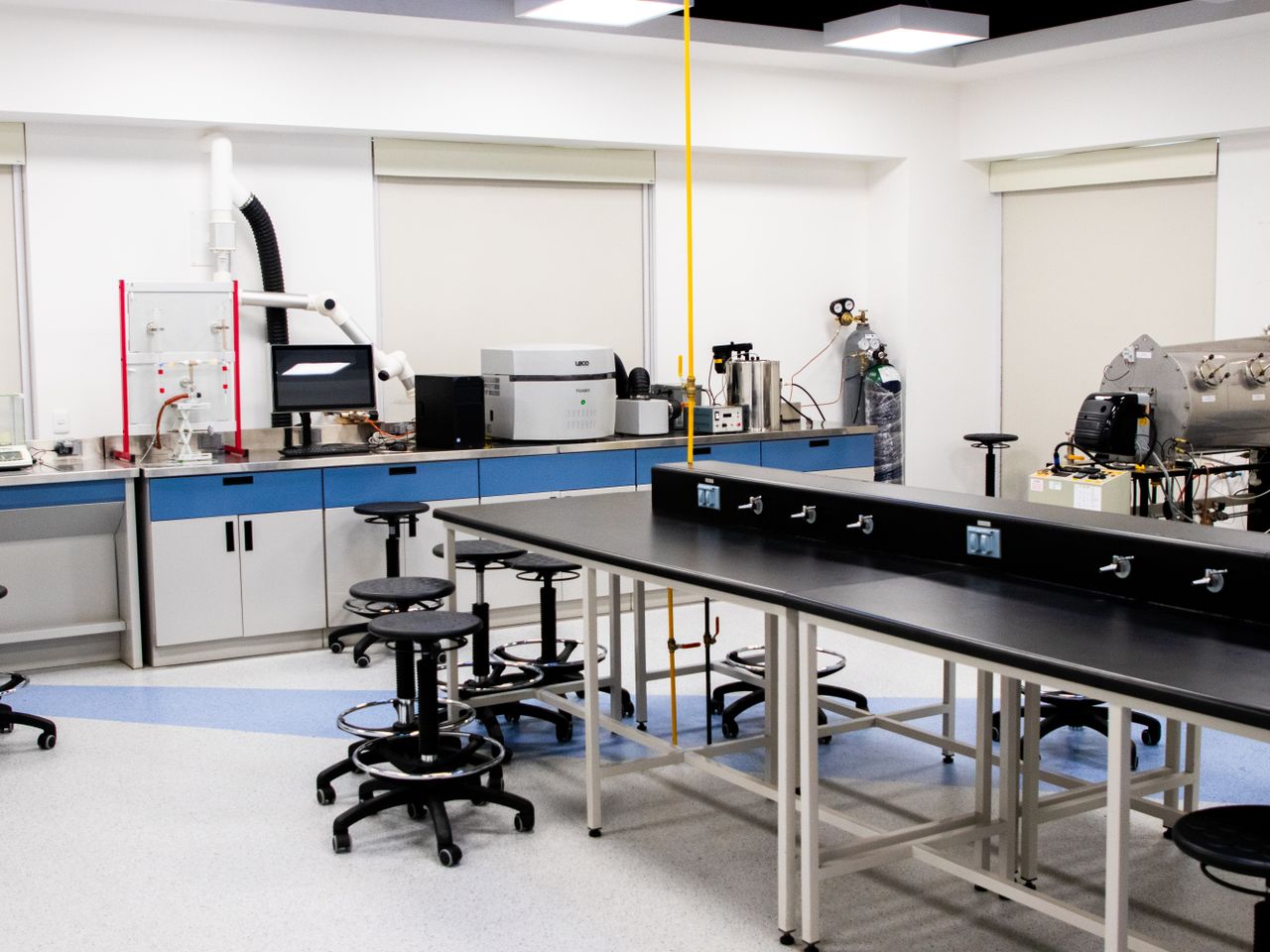 CONN-OSHA recently published guidance specifically for science departments in educational facilities, identifying science teachers and laboratory assistants working in chemistry, biology, health science, physics, and environmental science laboratories as examples of school employees who may be covered.
When applicable, this standard requires the school to develop and implement a written Chemical Hygiene Plan (CHP). A CHP must address laboratory procedures, exposure control measures, fume hood and protective equipment performance, employee training, medical consultation, and additional protections for particularly hazardous substances.
The school must also designate personnel, including a qualified Chemical Hygiene Officer, to support implementation of the plan. Both the CHP and HazCom Program must be reviewed at least annually and updated as necessary.
So, when would a school need both? A high school with chemistry laboratories, custodial chemicals, art supplies, and maintenance products will likely need a CHP for covered laboratory activities and a HazCom Program for non-laboratory chemical use. A middle school may also need both if employees perform qualifying laboratory work.
A school without covered laboratory use may only be subject to HazCom requirements. Even within a science department, HazCom applies to tasks that do not meet OSHA’s definition of laboratory use. The grade level does not decide the issue; the chemical use and potential for employee exposure do.
Chemical Safety Is Not Just for Science Labs
One of the most common mistakes schools make is assuming that the science department has chemical safety handled for the entire facility. Science teachers may be knowledgeable about the substances used in their classrooms, but they probably could not tell you what is stored in the janitor’s closet down the hall, which fertilizer is used on the grounds, or what products maintenance employees use after hours. In the same way, a district-level HazCom Program may cover those products without addressing the specialized procedures required in a chemistry laboratory.
The practical solution is to review chemical safety across the school as one connected system. Administrators need to know where chemicals are used, which employees may be exposed, which OSHA requirements apply to each activity, and whether the written programs match what is actually happening. A science teacher, custodian, or facilities employee may play an important role, but no single employee should be expected to manage the school’s entire chemical safety system without clear responsibilities, administrative coordination, and support.
 Common Chemical Safety Compliance Gaps in Schools
These issues are especially timely. CONN-OSHA’s Fiscal Year 2026–2030 Strategic Plan identifies public elementary and secondary schools and junior colleges for increased programmed inspection activity, while the Connecticut Department of Energy and Environmental Protection’s (CT DEEP’s) expanded Commercial Stormwater General Permit may now reach qualifying educational facilities. The two agencies enforce different requirements, but together their initiatives signal greater EHS attention on school campuses. During an OSHA inspection, the existence of a written program is only the beginning; inspectors will also evaluate the program’s completeness, site-specific applicability, and whether employees follow it in practice.
Chemical Inventory
It is common for chemical inventories to be outdated or to miss entire departments. Chemicals are not limited to science laboratories; they may also be found in art rooms, kitchens, custodial closets, shops, maintenance areas, pool rooms, and groundskeeping storage. Schools should periodically reconcile the inventory against what is actually on the shelves, including products that have been stored for years or inherited from former teachers and employees.
What an inspector may look for: Whether the written list is complete, identifies chemicals in all covered work areas, and can be cross-referenced to product labels and SDSs.
Safety Data Sheets
Employees must have ready access to applicable SDSs during each work shift. Electronic systems are acceptable, but they cannot create a barrier to immediate access, and the school should have a reliable backup for emergencies or technology disruptions. A binder kept only in the main office may not help an employee handling a spill in another building or working after normal business hours. A current chemical inventory makes it much easier to identify missing or outdated SDSs.
What an inspector may look for: Whether each hazardous chemical on site has a corresponding SDS available and whether employees can explain how to access them promptly from their actual work areas.
Secondary Container Labeling
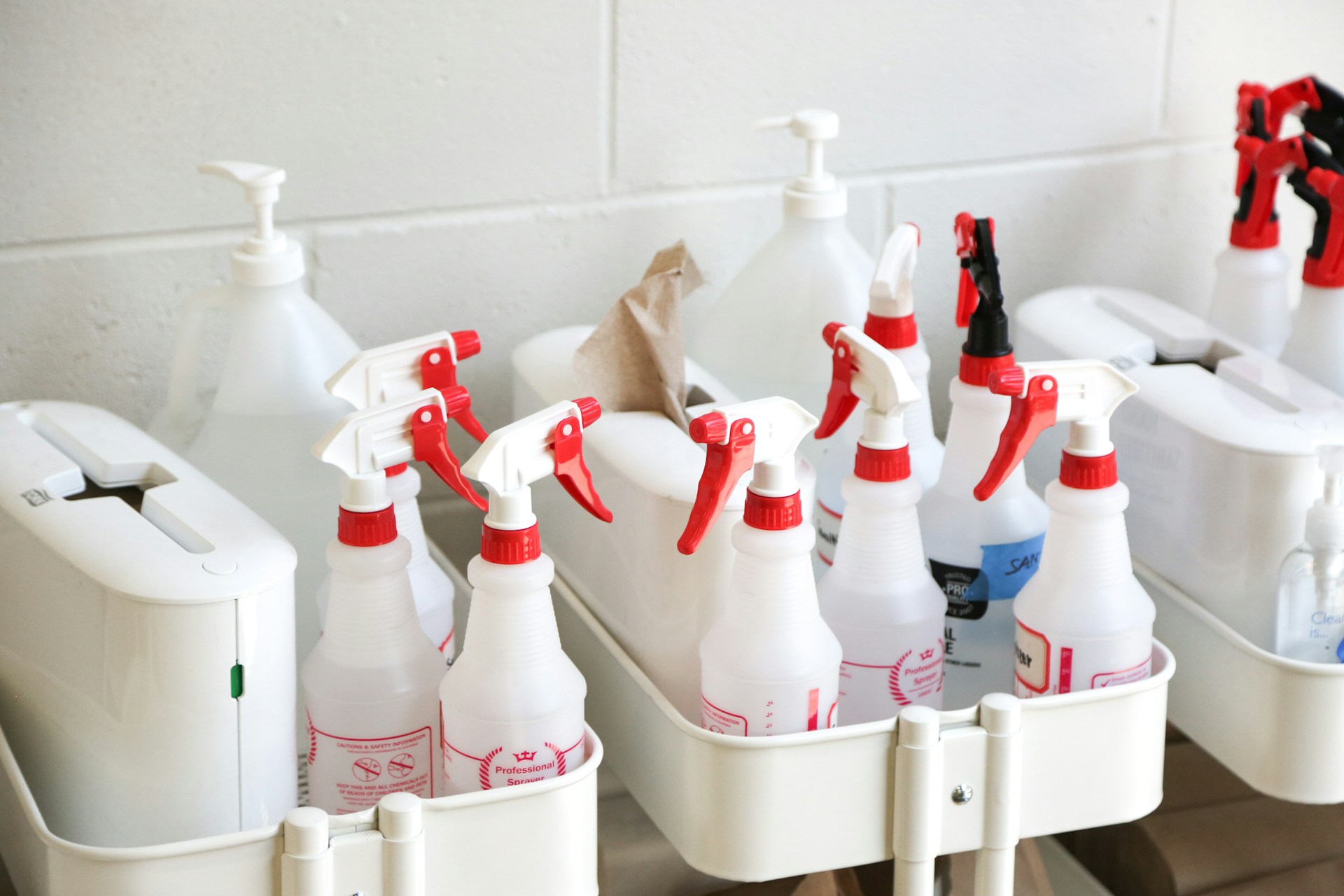
When a hazardous chemical is transferred from its original container into a spray bottle, squeeze bottle, jar, etc., the secondary container must be labeled in accordance with OSHA’s HazCom Standard. At a minimum, the name of the chemical and its hazards must be present and legible.
A handwritten label such as “cleaner,” “acid,” or “lab solution” does not adequately identify the substance or its hazards. OSHA provides a limited exception for portable containers intended only for the immediate use of the employee who performs the transfer, but schools should be cautious about relying on the exception when containers are stored, shared, or left for later use.
What an inspector may look for: Whether original labels remain intact and legible, workplace containers carry adequate identification and hazard information, and unlabeled bottles are not used.
 Old, Unwanted, or Unstable Chemicals
Older school laboratories sometimes contain chemicals that have not been used in decades because no one is sure how to dispose of them. Containers may be corroded, labels may be illegible, and some substances can become unstable as they age. Other chemicals may be perfectly usable but stored alongside incompatible materials. Acids, bases, oxidizers, flammables, water-reactive chemicals, and other incompatible materials should not simply be arranged alphabetically on the same shelf.
Unknown or potentially unstable chemicals should not be opened, moved, consolidated, or discarded by unqualified employees. The school may need help from an environmental professional or licensed waste vendor to characterize and remove them. Proper disposal is also where OSHA and DEEP responsibilities can overlap: the immediate concern may be employee safety, while the disposal method may be governed by environmental waste requirements.
What an inspector may look for: Deteriorated or leaking containers, illegible labels, incompatible storage, unsecured chemicals, obstructed work areas, and whether the school implements proper waste disposal procedures.
Eyewashes, Safety Showers, and Fume Hoods
Where employees may be exposed to corrosive materials, suitable facilities for quickly flushing the eyes and body must be available within the work area for immediate emergency use. Simply having an eyewash installed does not establish that it is accessible, functional, appropriately located, or maintained.
A laboratory fume hood provides protection only when it is functioning correctly and used properly. The CHP must require fume hoods and other protective equipment to function properly and identify measures for ensuring adequate performance. A hood that has not been evaluated in years, has a blocked airflow path, or is used for chemical storage may not provide the protection employees assume it does.
What an inspector may look for: Whether flushing equipment is immediately accessible where corrosives are used, whether emergency equipment is inspected and maintained, and whether the CHP explains how the school verifies proper fume hood and protective equipment performance.
Employee Training
General chemical safety training is not enough for every employee. Training must reflect the hazards employees may encounter and the procedures they are expected to follow. It should cover how to recognize a chemical release or exposure, physical and health hazards, required protective measures, labels, SDS access, emergency procedures, and the applicable parts of the school’s written program.
A science teacher or laboratory assistant will need training on the applicable details of the CHP and the hazards and procedures in the laboratory. A custodian needs training on the cleaning and disinfecting chemicals used during the employee’s shift. A gym teacher or librarian who does not work with hazardous chemicals may not need the same content. Training should occur before an employee begins work and when a new chemical hazard is introduced into the work area.
What an inspector may look for: Whether covered employees received training appropriate to their assignments, know where the written program and SDSs are located, understand relevant labels and hazards, and can describe the protective and emergency procedures they are expected to use.
How Walden Can Help
With CONN-OSHA placing increased attention on Connecticut schools, educational institutions should not wait for an inspection to determine whether their chemical safety programs are complete. A school-wide review can identify missing or outdated programs, incomplete inventories, improperly labeled containers, inaccessible SDSs, storage concerns, aging laboratory chemicals, and deficiencies involving emergency equipment or employee training.
Walden’s EHS specialists can evaluate chemical use throughout your facility, determine whether HazCom, the Laboratory Standard, or both apply, review or develop written programs, and help your school address compliance gaps before they result in an employee injury or regulatory citation. Contact us today at 860-846-4069.