
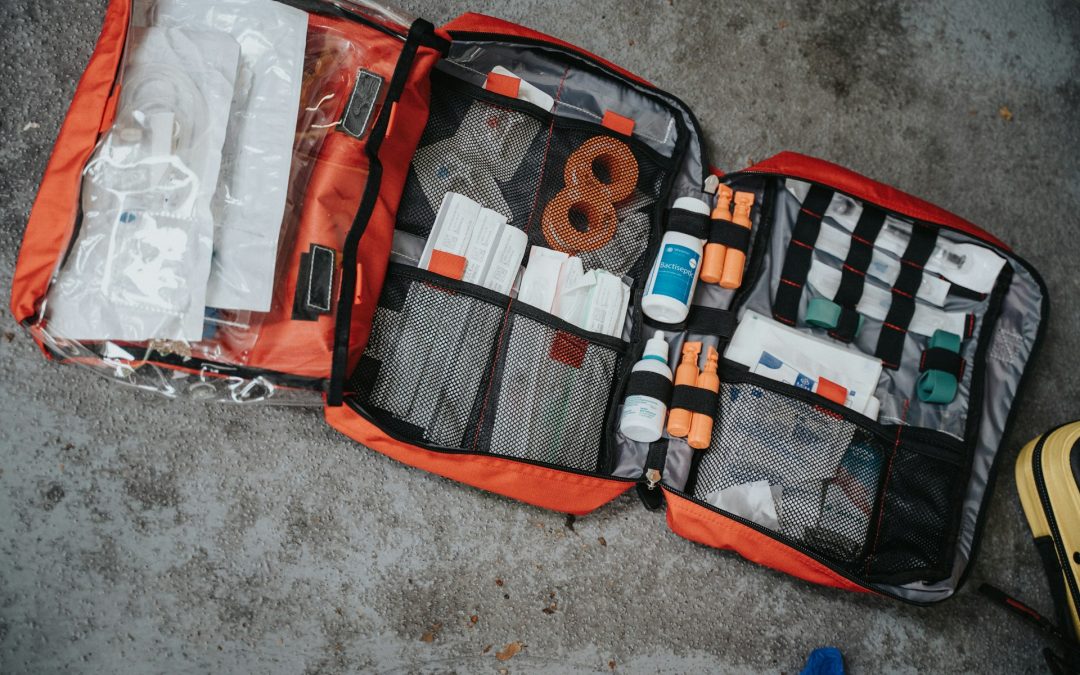
The Role of First Aid and CPR in Emergency Response Plans: How Prepared Are You?
Most people don’t head into work expecting to deal with a serious injury or life-threatening emergency, but these situations do happen. The truth is, emergencies can happen anywhere at any time, and the best defense is being prepared. When an emergency strikes, time...
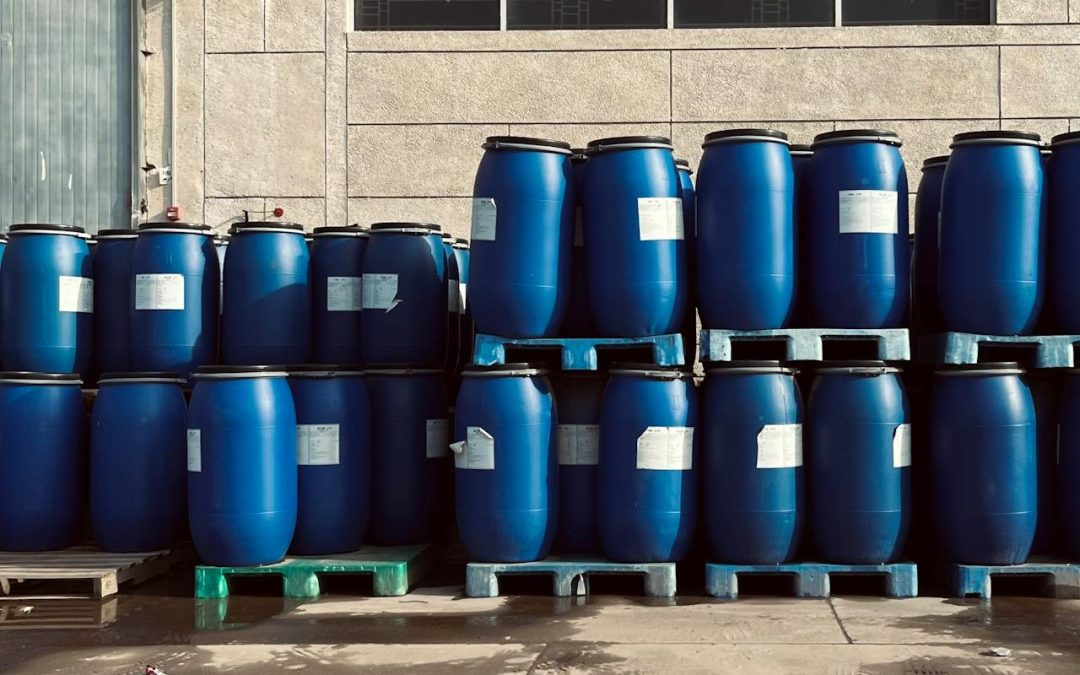
Annual/Biennial Hazardous Waste Reports Due March 1, 2026
Certain hazardous waste generating facilities operating in New York State are required to file Annual Hazardous Waste Reports with the New York State Department of Environmental Conservation (NYSDEC) by March 1 each year in accord with the Resource Conservation and...
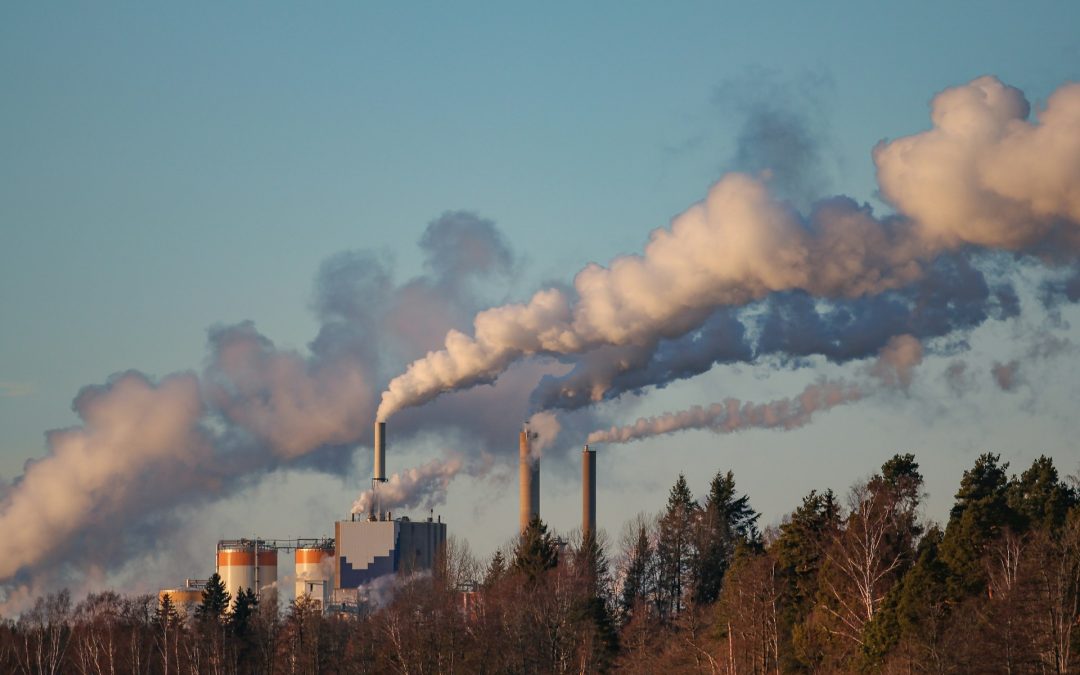
Part 253: DEC Finalizes Program for Climate Pollution Sources Tracking
On December 1, 2025, the New York State Department of Environmental Conservation (DEC) issued its final ruling for Part 253 (Mandatory Greenhouse Gas Reporting), which enacts the state’s new greenhouse gas (GHG) reporting program. These regulations were established to...
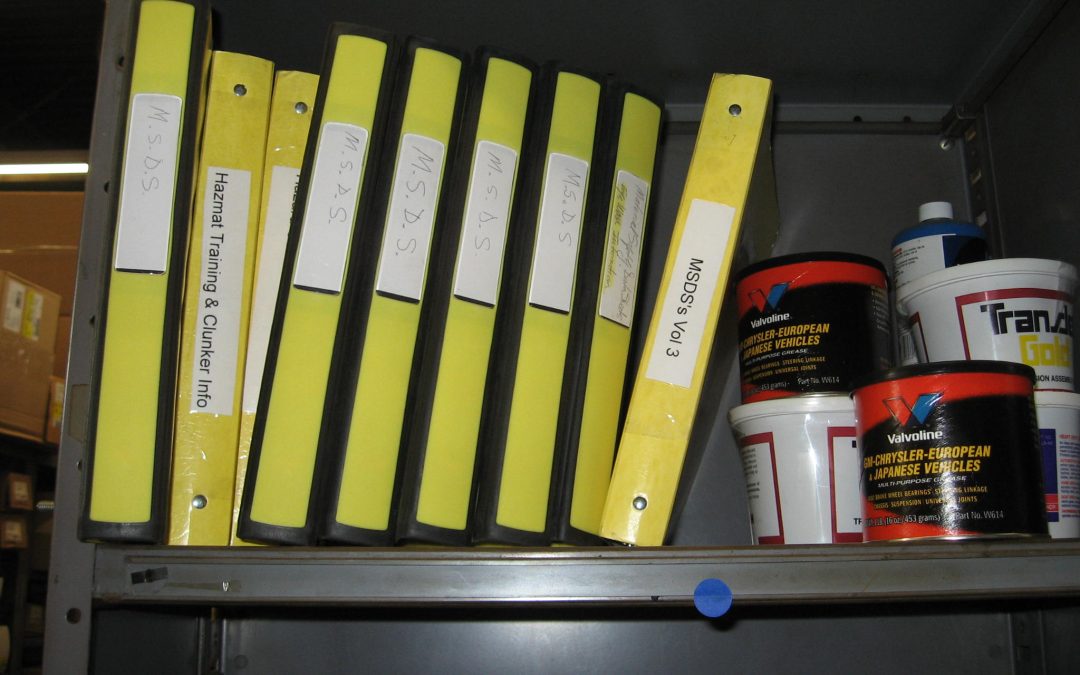
Current Safety Data Sheets (SDSs) Required at Facilities That Store Hazardous Substances
Annual Right-to-Know Tier II Reports As the March 1 deadline to file annual Right-to-Know (RTK) Tier II Reports is approaching, now is a good time for businesses and facilities that handle and store chemicals/hazardous substances to ensure that Safety Data Sheets...
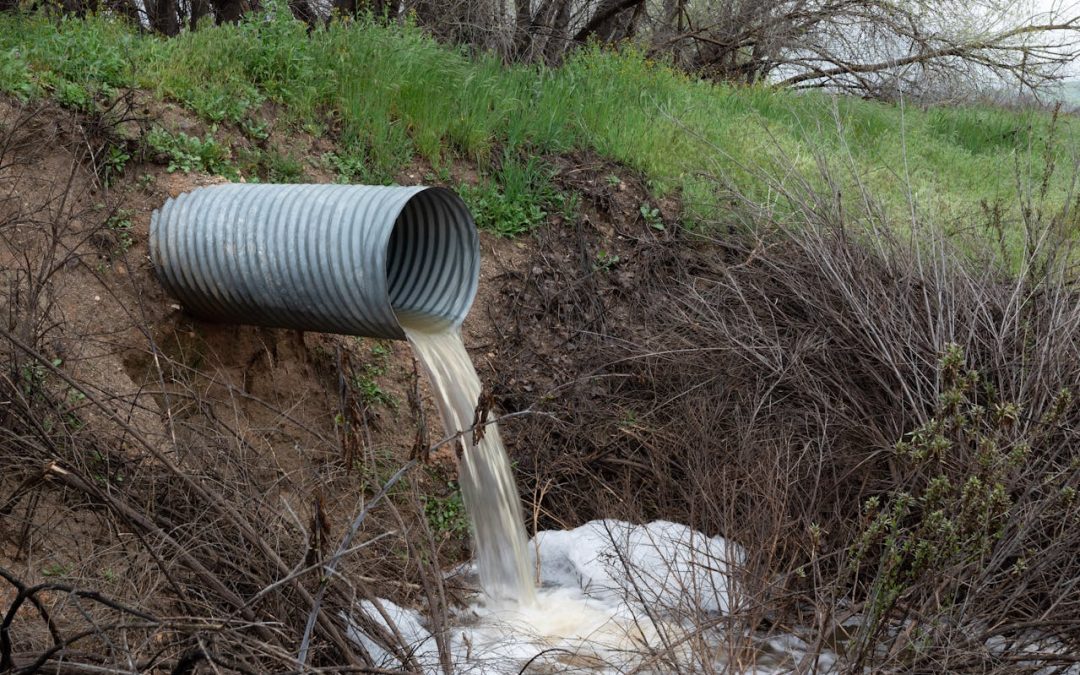
General Permit for the Discharge of Dewatering and Remediation Wastewaters
The Commissioner of the Connecticut Department of Energy and Environmental Protection (DEEP) issued a Notice of Tentative Determination on December 24, 2025, indicating the agency’s intent to renew the General Permit for the Discharge of Dewatering and Remediation...
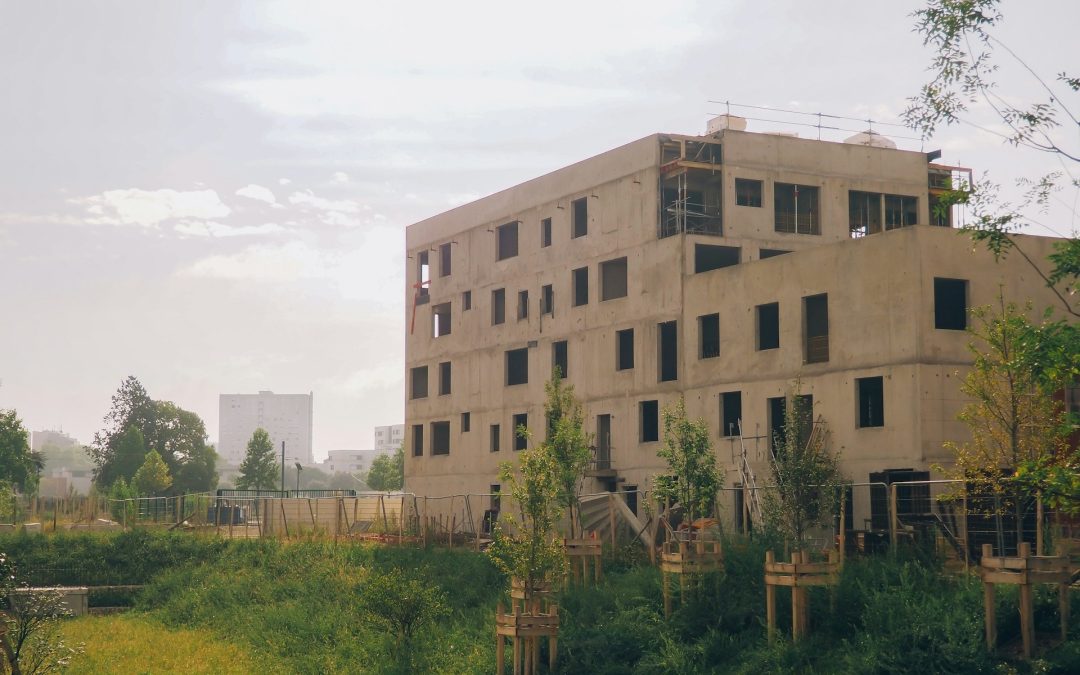
Revised NYSDEC Part 375 Regulations for Inactive Hazardous Waste Sites
In February of 2024, the New York State (NYS) Department of Environmental Conservation (DEC) initially announced amendments to 6 NYCRR Part 375, Environmental Remediation Programs. Later that year, around mid-October, DEC published a notice of revised rulemaking to...
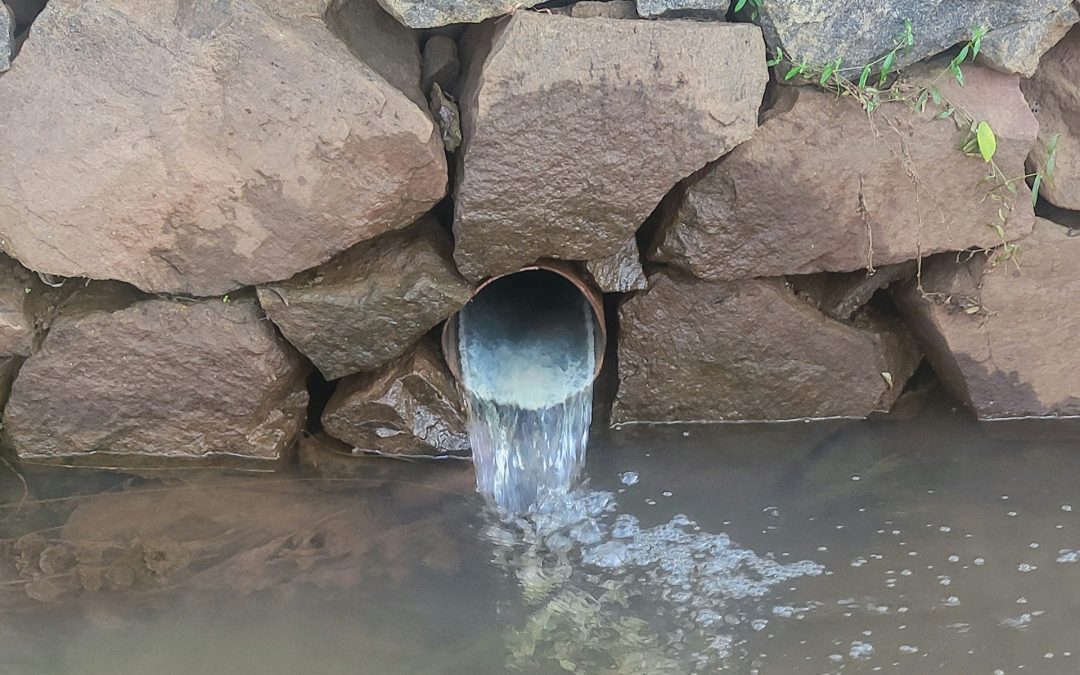
Is Your Community Ready for MS4 Mapping Requirements?
The current New York State Department of Environmental Conservation (NYSDEC) Municipal Separate Storm Sewer Systems (MS4) General Permit 0-24-001 has been in effect for nearly two years, and this means that Phase 1 of comprehensive stormwater system mapping will be...
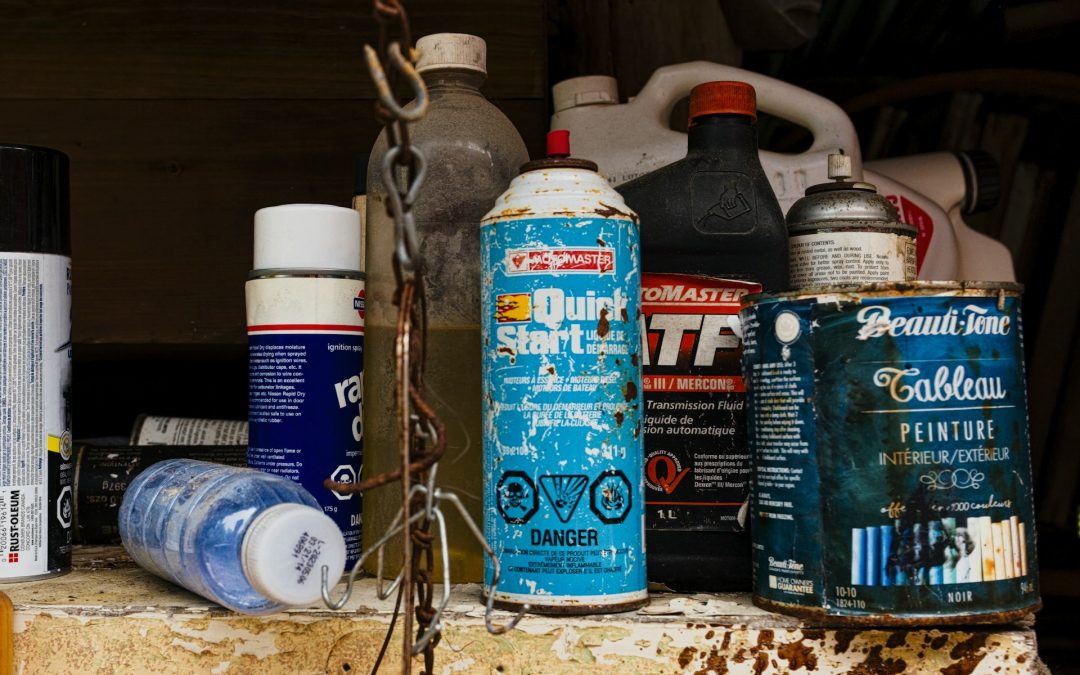
Reminder: 2025 Right to Know Tier II Filing Period
If you recently received an email from the New York City (NYC) Department of Environmental Protection (DEP) Right-to-Know (RTK) Program [DEPRTK@dep.nyc.gov] with the subject, “Reminder: 2025 Right to Know Tier II Filing Period,” or something similar, please note the...
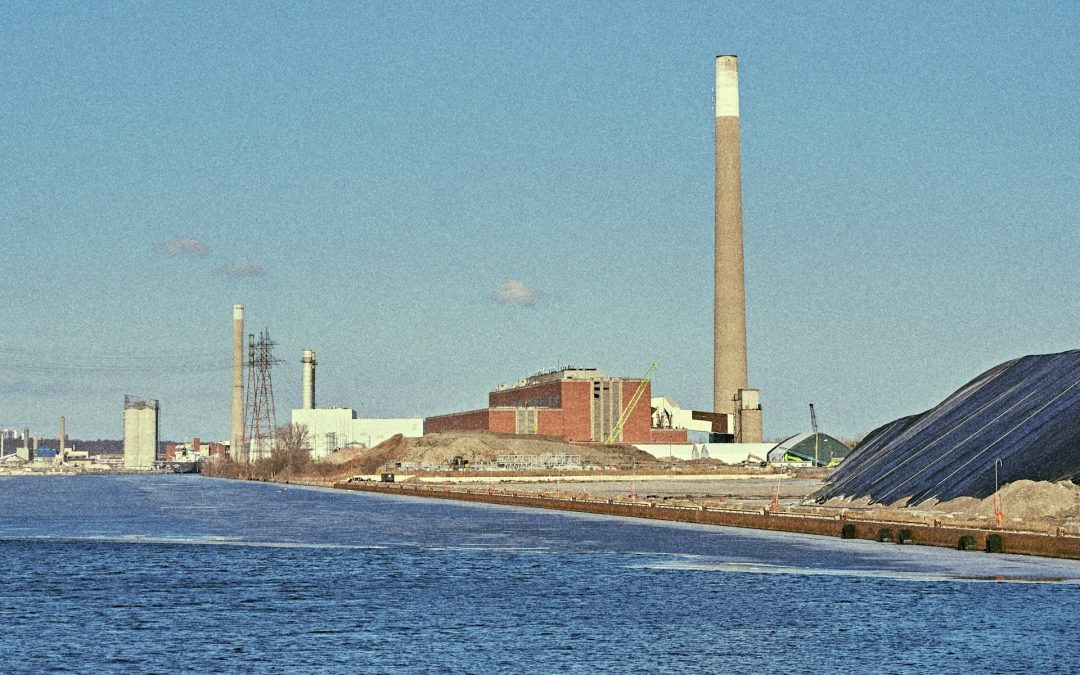
CT DEEP Issues Notice of Tentative Determination to Renew the Comprehensive General Permit
The Connecticut Department of Energy and Environmental Protection (CT DEEP) has issued a Notice of Tentative Determination to renew the Comprehensive General Permit for Discharges to Surface and Groundwater. Public comments on the proposed renewal are due by January...

Bloodborne Pathogens in Manufacturing Environments
When most people think of bloodborne pathogen (BBP) exposure, they picture hospitals or medical labs, but the risk extends far beyond healthcare. Exposure to BBPs can happen pretty much anywhere. Manufacturing environments specifically, especially those involving...