
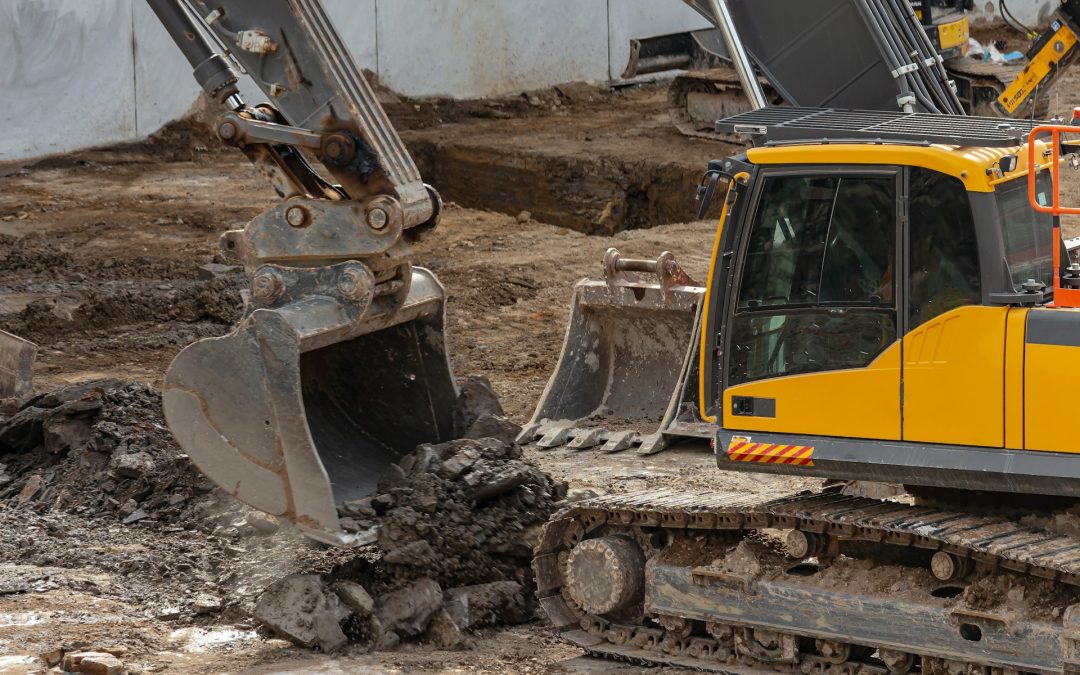
CT DEEP Issues a New General Permit for Its Remediation Program
On October 20, 2025, the Connecticut Department of Energy and Environmental Protection (CT DEEP) issued a new general permit for its environmental remediation program. The new general permit allows for contractors to register with the CT DEEP as an “Existing Release...
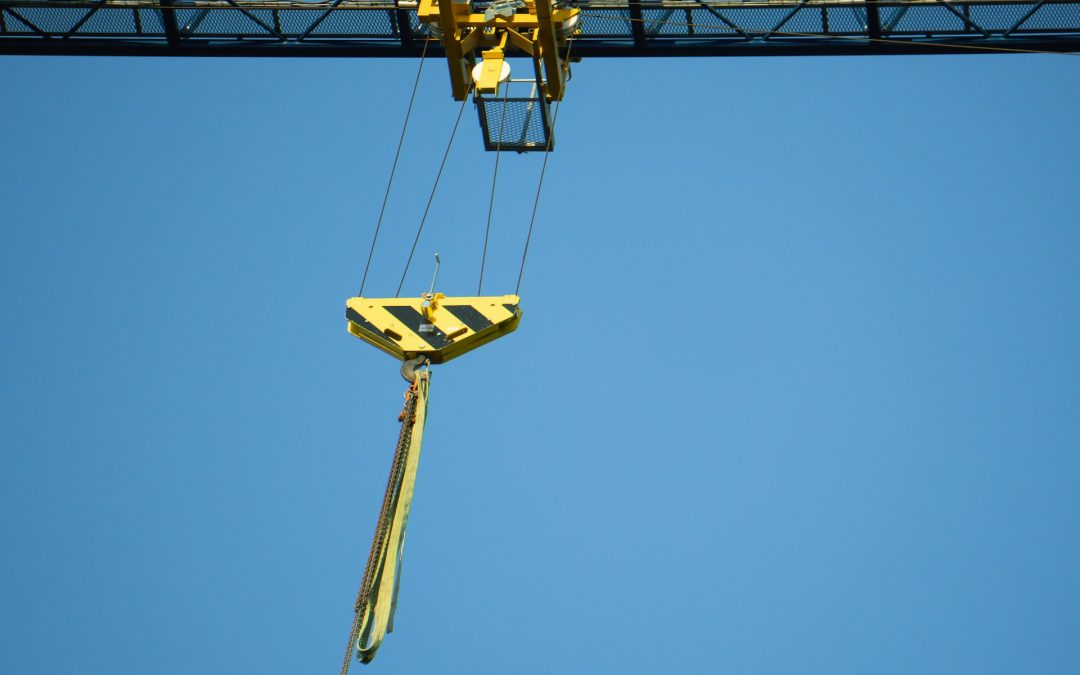
Industrial Slings: Purpose, Safe Use, and Proper Application
Slings are the most often used under-the-hook lifting devices. They are attached to and hang below the hook on cranes and hoists. Their purpose is to facilitate the lifting, lowering, and movement of suspended loads. The four most common types of slings include: Chain...
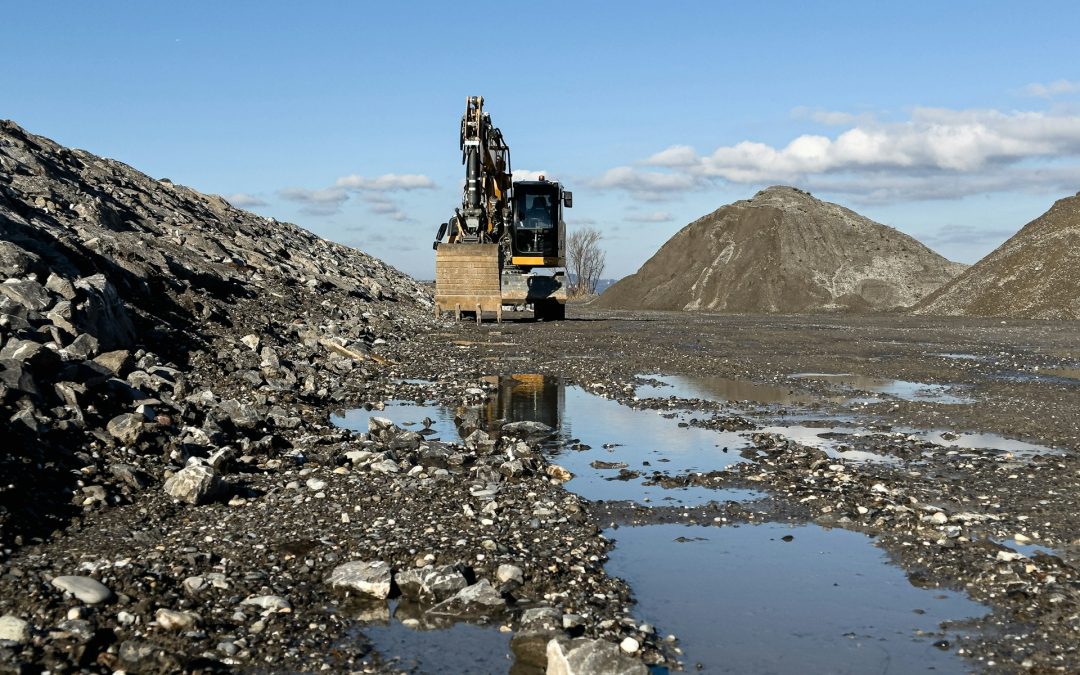
The Importance of Erosion and Sediment Control Training
NYSDEC’s 4-hour Erosion and Sediment Control Training The New York State Department of Environmental Conservation (NYSDEC) hosts four-hour erosion and sediment control trainings in partnership with county soil and water conservation districts. Certain professionals...
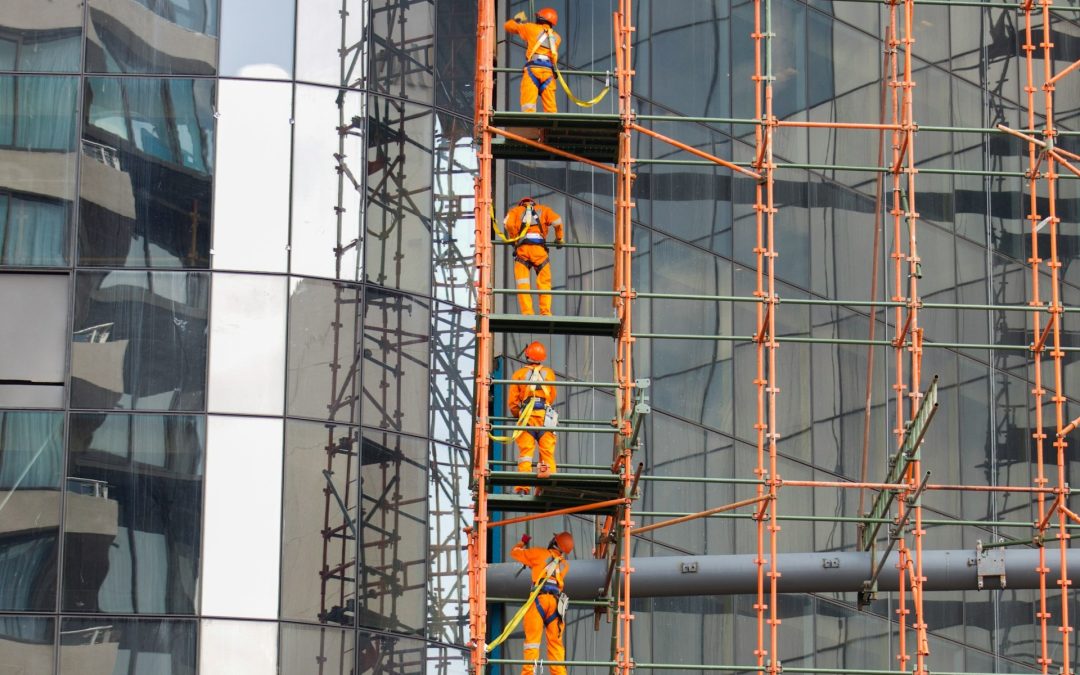
What’s Your Rescue Plan When Using Fall Protection?
Fall protection is a vital part of ensuring the safety of employees working at elevated heights. Past Walden blogs have covered fall protection inspection, training, violations, and more. Today, we turn to the following question: what happens if you actually fall?...
Common Fall Protection Violations and How to Prevent Them
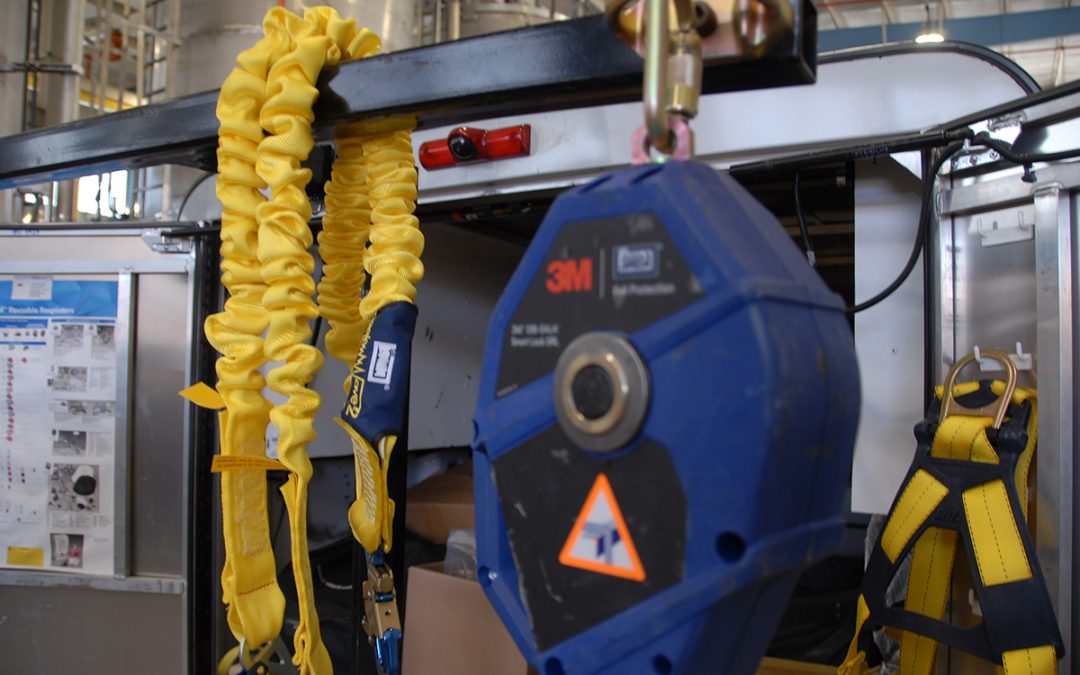
According to the last report of OSHA’s Top 10 Violations, Fall Protection–General Requirements (1926.501) has been the number one most cited violation for over a decade in construction. In general industry, the top two most cited violations pertaining to fall...

Are You Actually Safe? Inspecting Fall Protection Systems, the Right Way.
The Problem: You Trust Your Fall Protection Gear—But Should You? A harness, lanyard, and anchor point might look good at first glance, but looks can be deceiving. When was the last time you really checked your fall protection gear? Not just a quick "seems fine"...
Understanding OSHA’s Fall Protection Training Requirements
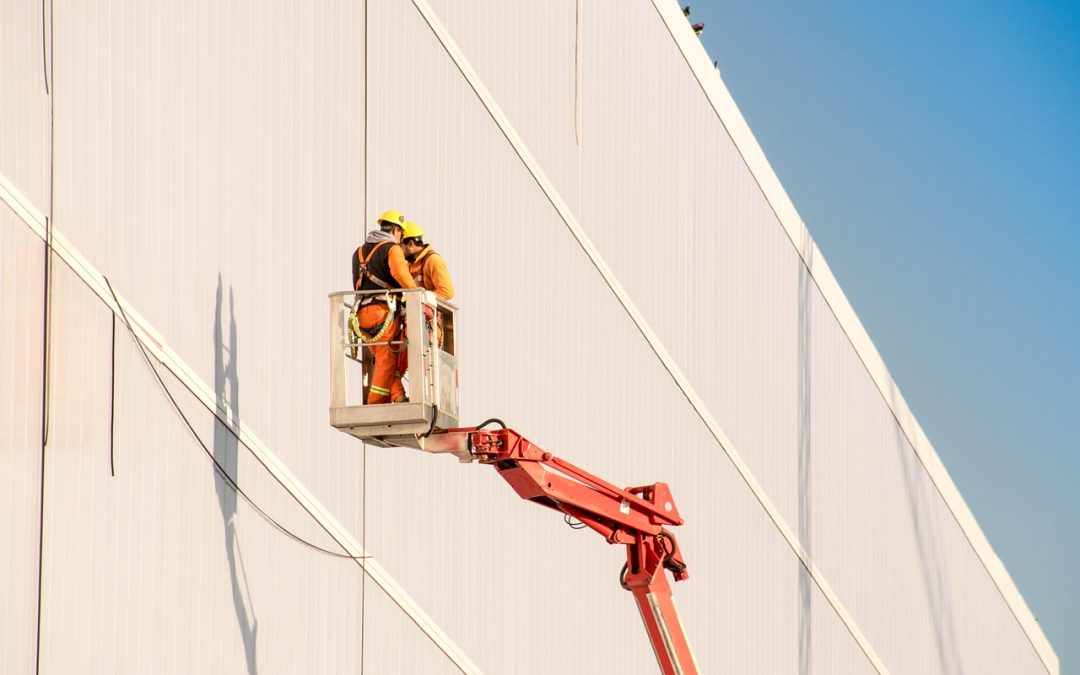
To help prevent fall-related injuries, incidents, and fatalities, the Occupational Safety and Health Administration (OSHA) has established strict training requirements under 29 CFR 1910.30. The standard outlines what employers must do to ensure employees are properly...
The ABCDs of Fall Protection
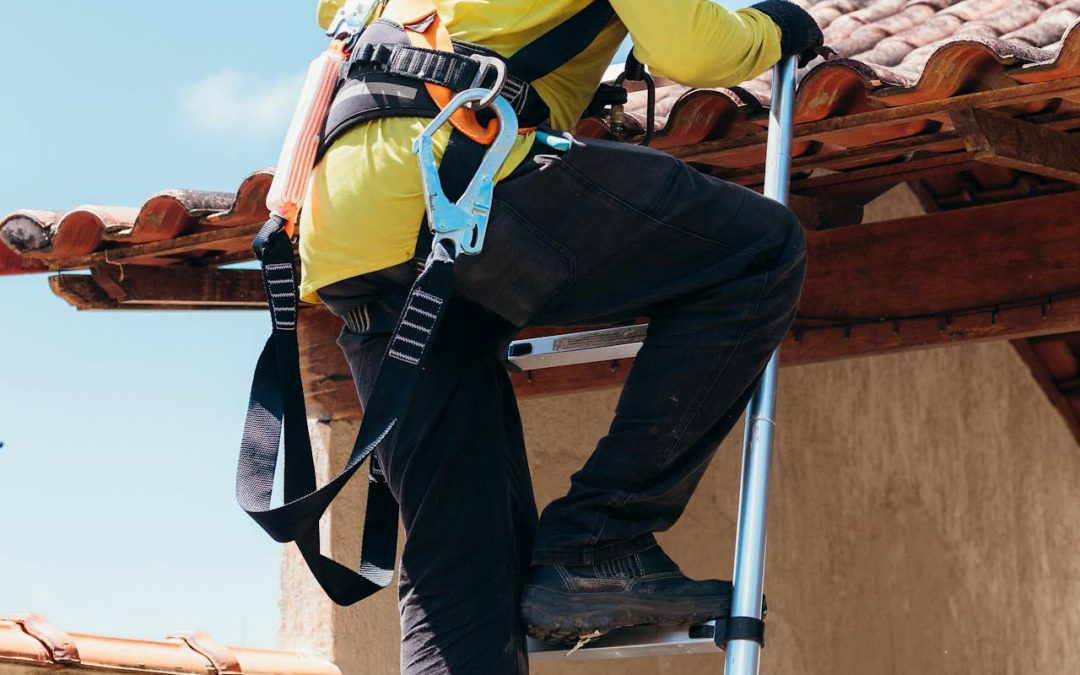
Falls are repeatedly among the leading causes of injuries and fatalities in the workplace. To help reduce the number of fall-related incidents, using fall protection when working at elevated heights has become a federal requirement for employees. Many people might not...
Why Fall Protection Is Critical: Understanding the Risk
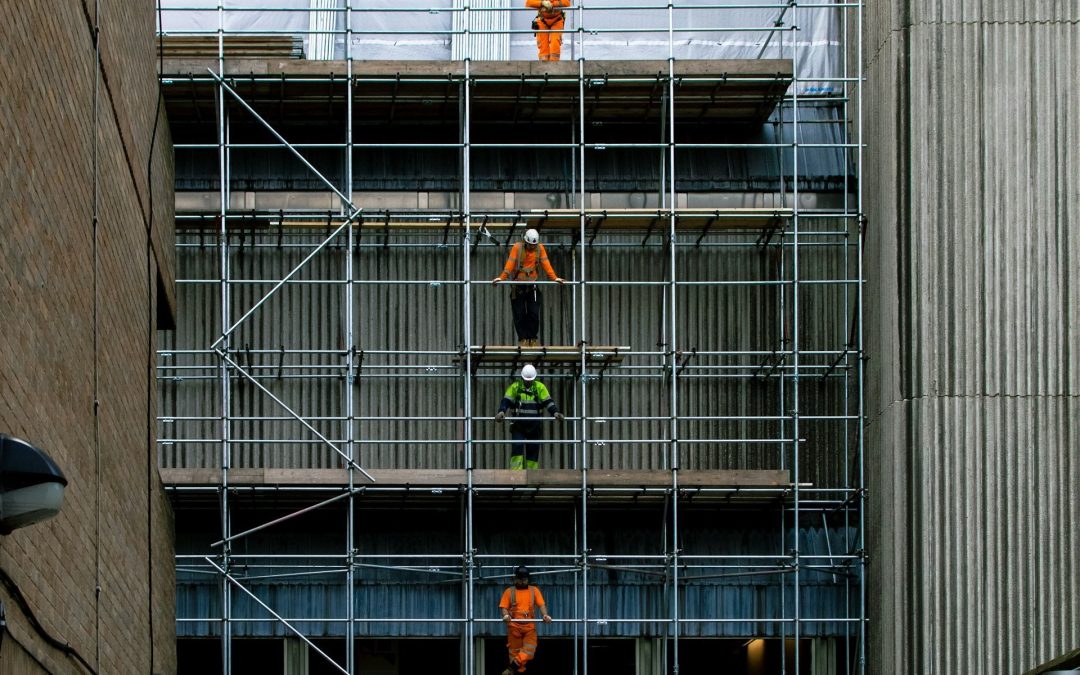
Keeping Workers Safe: Why Fall Protection Isn’t Optional Imagine you’re walking around a construction site. You see someone working high up on scaffolding with no harness, no safety gear, just balancing on a narrow plank. If you’re like most people, your gut reaction...
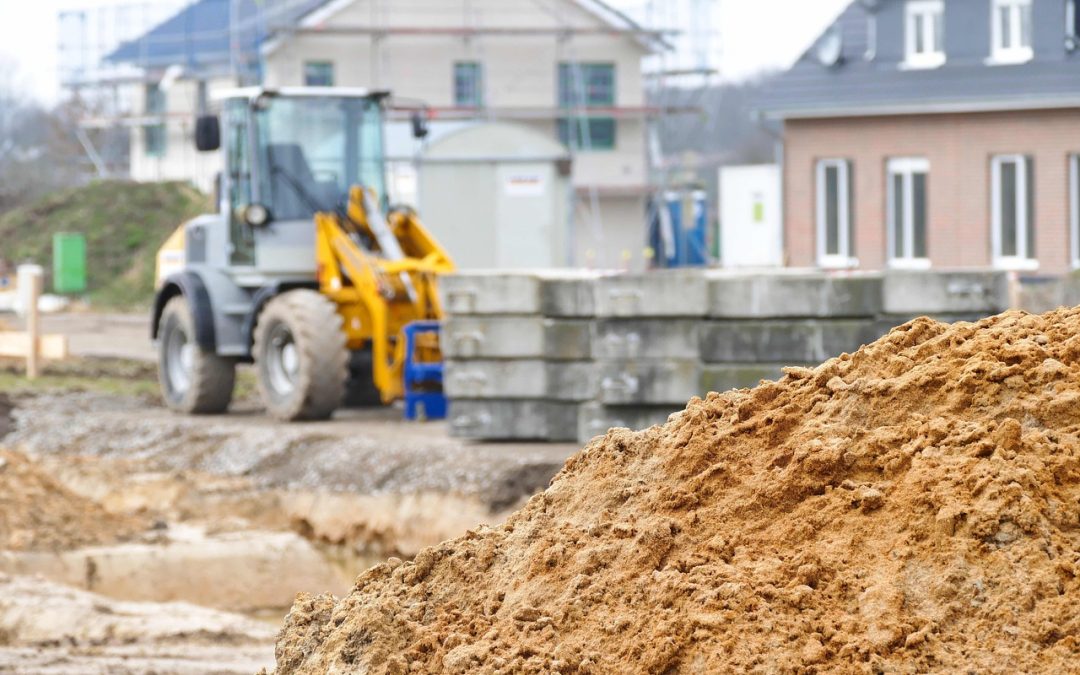
General Construction Permit Update for 2025
The New York State Department of Environmental Conservation (NYSDEC) has rolled out the new General Permit for Stormwater Discharges from Construction Activity (CGP) under the State Pollutant Discharge Elimination System (SPDES). The new CGP took effect on January 29,...