by Robert Lopinto | Nov 7, 2017 | Read the latest Environmental Services Articles & News, Regulatory Updates, Solid Waste Permitting
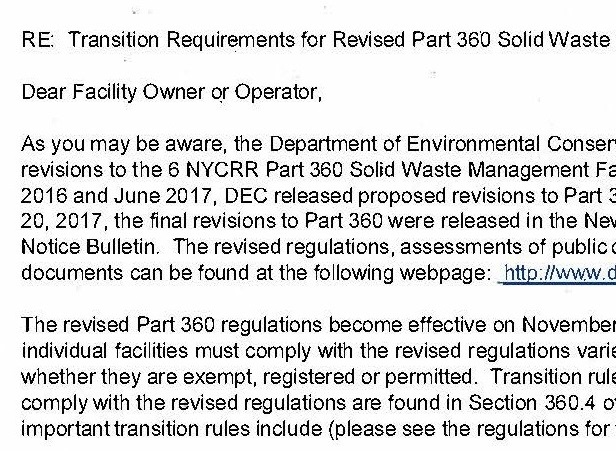
Did you receive the following letter? “RE: Transition Requirements for Revised Part 360 Solid Waste Management Facility Regulations” This letter pertains to all Construction and Demolition (C&D) Debris Handling and Recovery Facilities as well as Fill...
by Peter Brighton | Nov 2, 2017 | Current Events, Legionella, Read the latest Environmental Services Articles & News
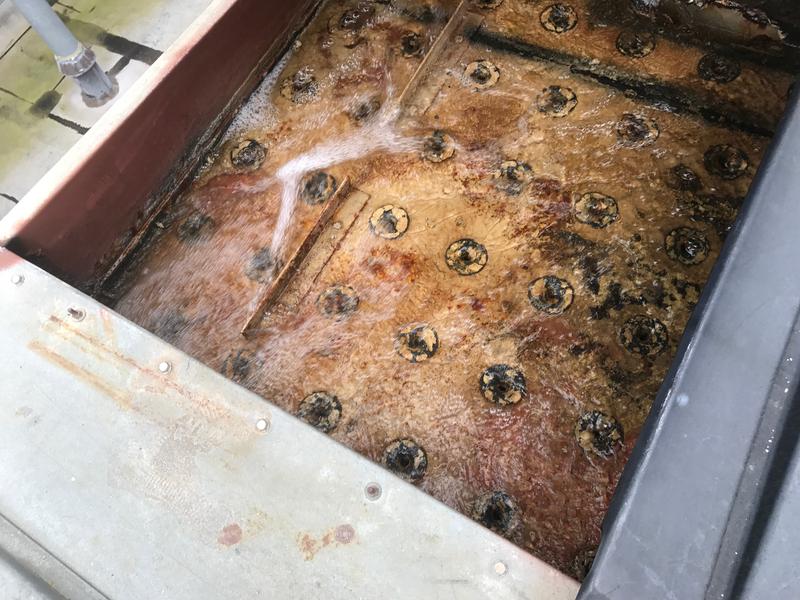
If you have listened to or watched the local news lately, you have likely heard about the recent Legionella outbreak in late-October in Flushing, Queens, NY, which infected 14 individuals with Legionnaires’ Disease. A total of 55 cooling towers were designated as...
by Kristin Scroope | Nov 2, 2017 | Environmental Consulting, Environmental Health and Safety, Read the latest Environmental Services Articles & News, Right-To-Know Filing, Tanks and Fuel Management
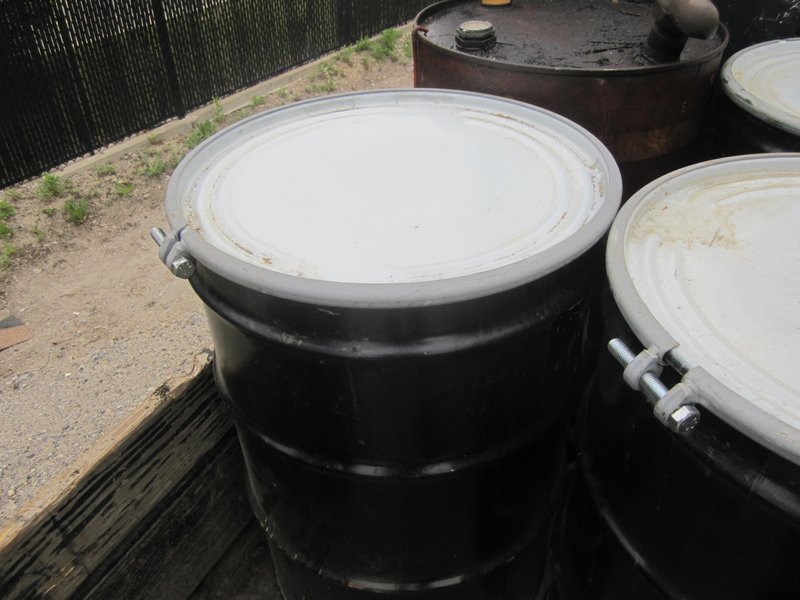
A Common Situation Walden Environmental Engineering (Walden) is regularly retained by clients to consult on chemical storage drum removal. Often the targeted drums store unknown contents or hazardous materials. Improperly labeled drums are difficult to dispose of...
by Robert Lopinto | Oct 31, 2017 | Read the latest Environmental Services Articles & News, Regulatory Updates, Solid Waste Permitting
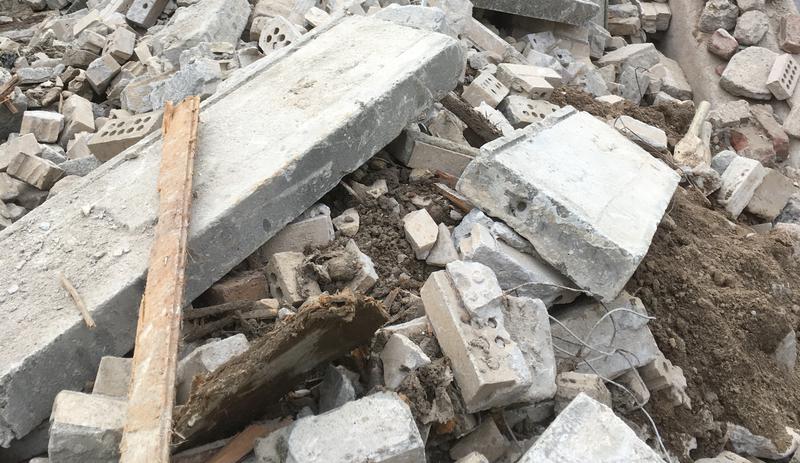
Under the revised Part 360 Solid Waste Regulations, New York State requires applicable facility owners to prove they are ready for the financial burden of closing their facility, if necessary. These requirements are intended to demonstrate that environmental...
by Peter Brighton | Oct 26, 2017 | Read the latest Environmental Services Articles & News, Regulatory Updates
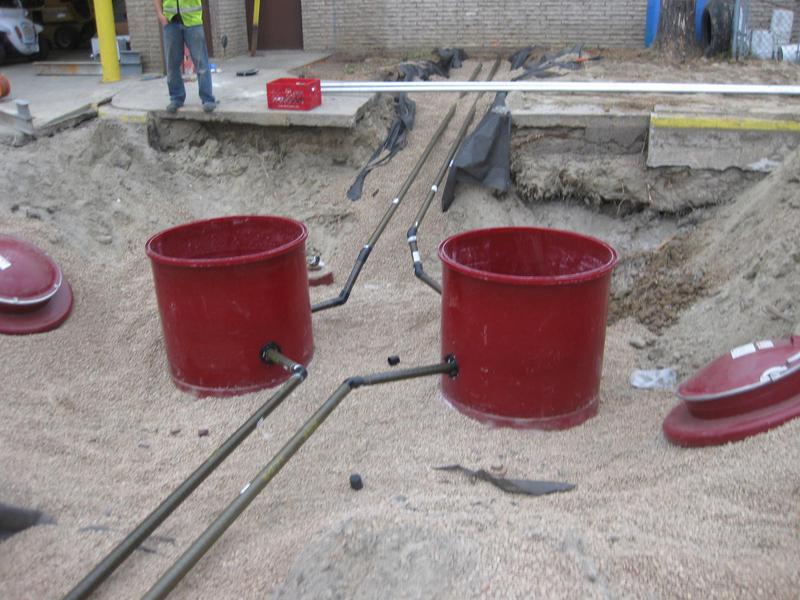
If you own or work at a facility that stores and dispenses gasoline, the New York State Department of Environmental Conservation (NYSDEC) is proposing rule changes that could affect you. The NYSDEC has proposed rule changes that include methods to control vapors from...
by Robert Lopinto | Oct 24, 2017 | Read the latest Environmental Services Articles & News, Regulatory Updates, Solid Waste Permitting
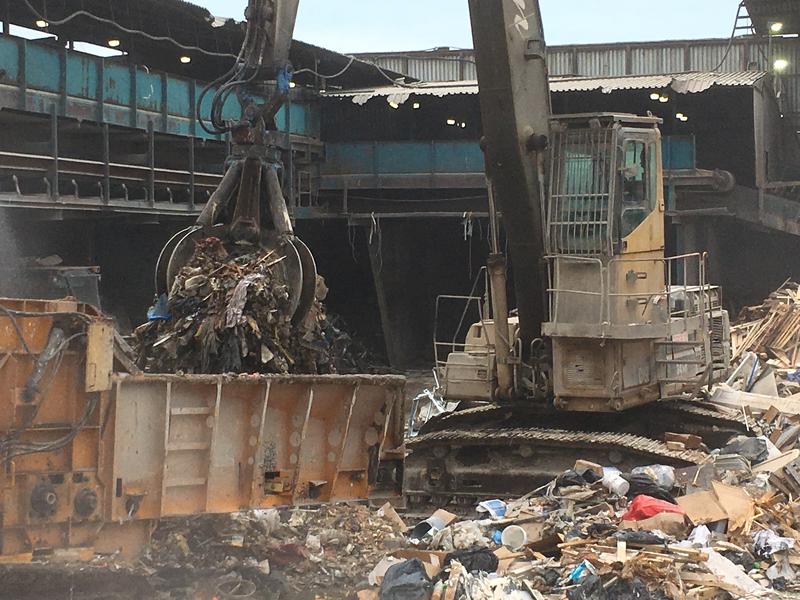
The New York State Department of Environmental Conservation (NYSDEC) revised Part 360 Section 360.12: Beneficial Use after the public had many comments and questions about the beneficial use determination criteria and procedure. The NYSDEC defines Beneficial Use as...
by Robert Lopinto | Oct 19, 2017 | Read the latest Environmental Services Articles & News, Regulatory Updates, Solid Waste Permitting
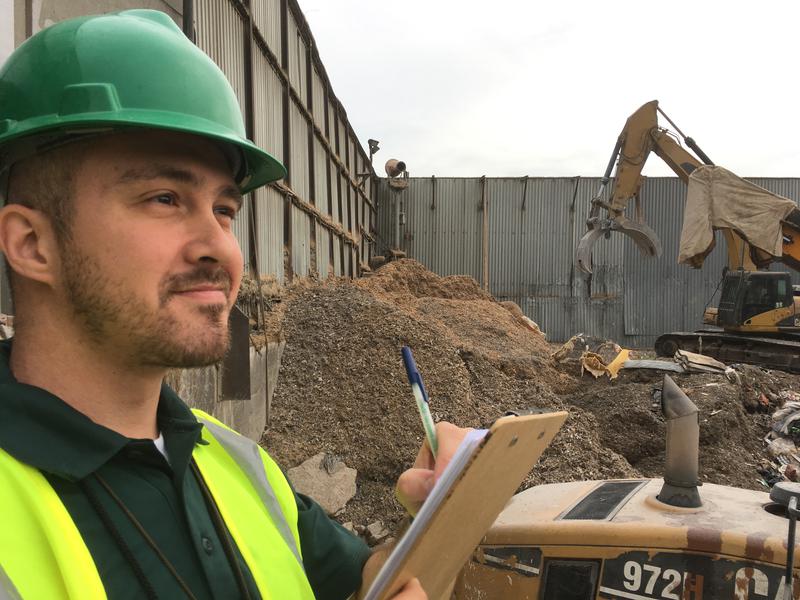
The New York State Department of Environmental Conservation published the new Part 360 compliance regulations for Solid Waste Management Facilities on September 20th, 2017. The rule will come into effect starting November 4th, 2017. The new rules are affecting all...
by Robert Lopinto | Oct 17, 2017 | Read the latest Environmental Services Articles & News, Regulatory Updates, Solid Waste Permitting
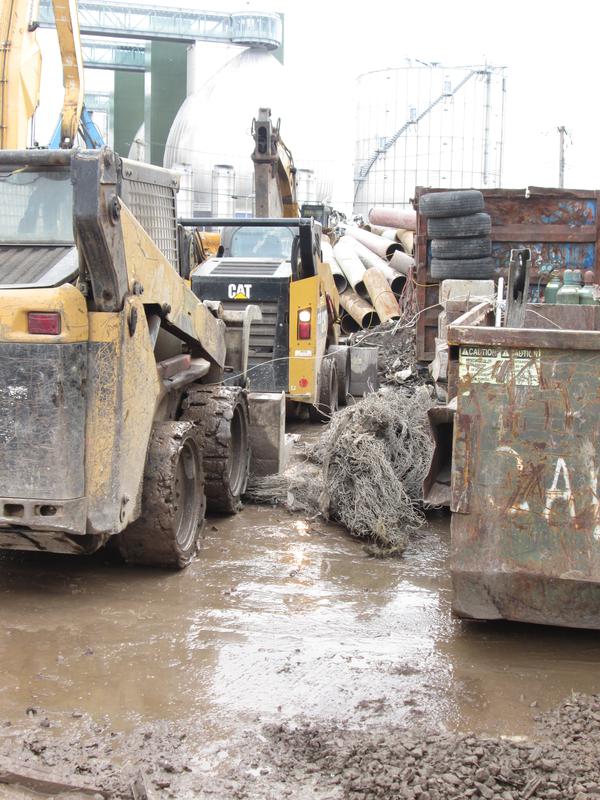
The New York State Department of Environmental Conservation (NYSDEC) received many comments on the proposed Part 360 rule changes, which have been finalized and go into effect on November 4th, 2017. The NYSDEC revised Part 360 section 360.12 Beneficial Use based on...
by Nora Brew | Oct 12, 2017 | Brownfield Developments, Environmental Consulting, Grant Writing, Read the latest Environmental Services Articles & News, Remedial Design, Site Planning and Development
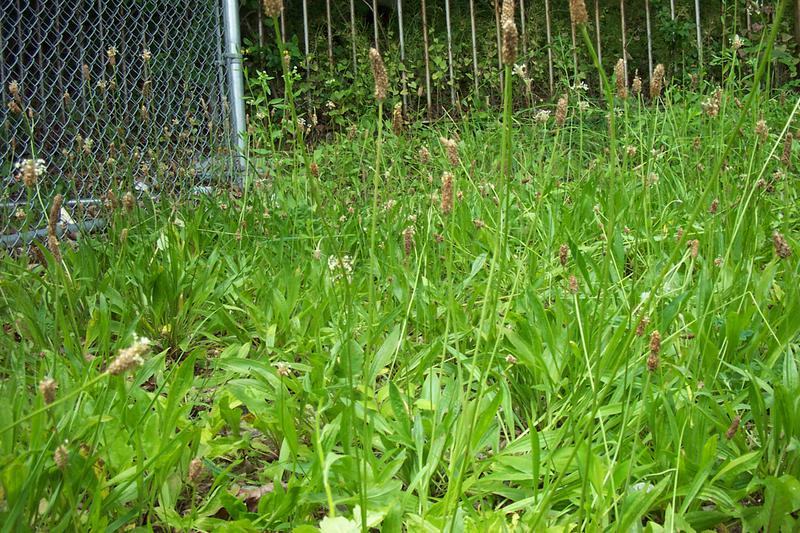
The New York State Brownfield Cleanup Program (NYSBCP) began as a means to encourage the cleanup and redevelopment of privately owned sites across the state in an effort to promote the revitalization of economically and environmentally blighted areas. Brownfield tax...
by Robert Lopinto | Oct 10, 2017 | Read the latest Environmental Services Articles & News, Regulatory Updates, Solid Waste Permitting
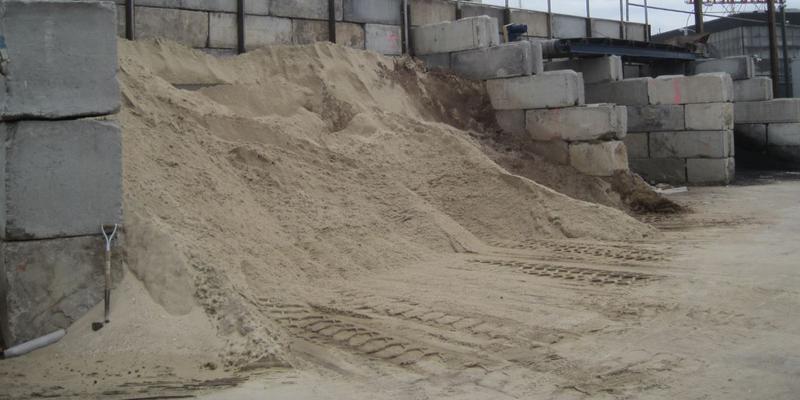
The NYSDEC’s recently released updated solid waste regulations, 6 NYCRR Part 360 include a stipulation for currently registered transfer stations that receive more than 500 tons per day of soil, sand, gravel, or rock to obtain a permit for continued operations. The...