by Karen Diemer | Oct 27, 2020 | Construction Industry Services, Current Events, Read the latest Environmental Services Articles & News
Source: Business Partner Magazine On November 1st, clocks must be moved back one hour to mark the end of Daylight-Saving Time. While this change will result in (most) people getting an extra hour of sleep, it is also important to note that those who work very early...
by Massimiliano Lelli, CSP | Oct 22, 2020 | Air Quality, Read the latest Environmental Services Articles & News
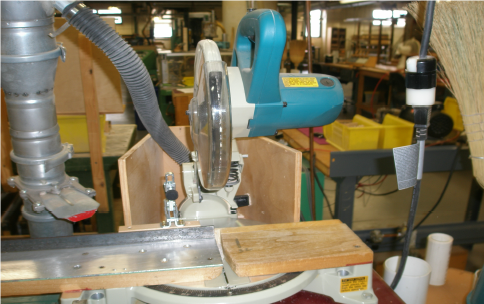
There are a few primary instances when manufacturers should test their air quality: upon setting up a new operation or piece of equipment, to identify the source of any potential exposures to hazardous material, and to confirm that operations all meet regulatory...
by Brennetta Thames | Oct 20, 2020 | Read the latest Environmental Services Articles & News, Stormwater Permitting and Design, Water Quality
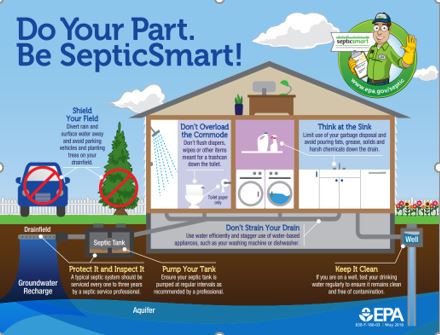
If you live in or own a facility in an area that is not served by sanitary sewers, your wastewater is likely discharged to a septic system on your property. Sewer systems carry sanitary wastewater away from your property to a municipal or private wastewater...
by Kristin Scroope | Oct 15, 2020 | Read the latest Environmental Services Articles & News, Right-To-Know Filing
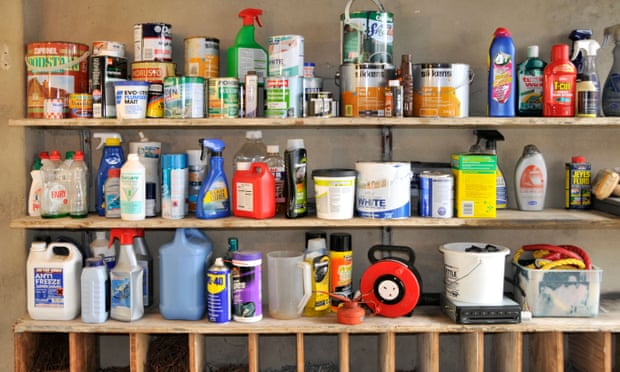
Having now entered the fourth quarter of 2020, this is a good time to start thinking about preparing for your facility annual reports due in the upcoming first quarter of 2021. If your facility is in New York City (NYC) and is subject to Right-to-Know (RTK) reporting...
by Karen Diemer | Oct 13, 2020 | Environmental Health and Safety, Read the latest Environmental Services Articles & News
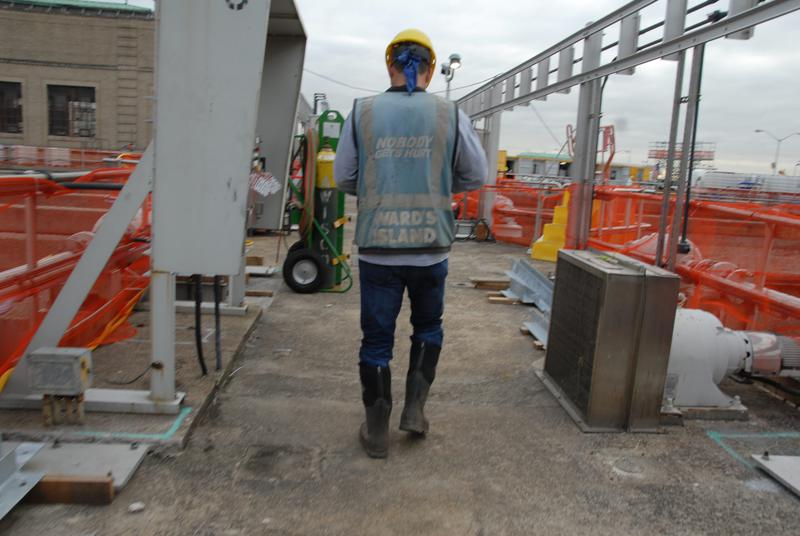
Do you work on construction projects in New York City? If so, you may be subject to the requirements of Local Law 196 (LL196), which was passed in 2017 and impacts safety training for construction workers. In response to a number of deaths in fall-related accidents on...
by Kerri Ann Wright | Oct 8, 2020 | Read the latest Environmental Services Articles & News, Stormwater Management, Water Quality
City of Fort Wayne, Indiana, Division of City Utilities is proud to present its annual workshop, titled 2020 Stormwater Management Advances: Technology and New Products. This year, the annual stormwater outreach program will be conducted virtually via Zoom. ...
by Massimiliano Lelli, CSP | Oct 7, 2020 | Air Quality
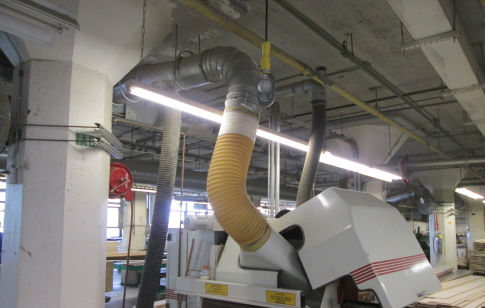
Employers can manage their hazardous emissions with careful planning and thoughtful engineering. With the proper controls in place, emissions of chemical vapor, dust or fine particles can be controlled to ensure workers’ safety. Engineering controls either minimize...
by Rebecca Stouges | Oct 1, 2020 | Read the latest Environmental Services Articles & News, Stormwater Permitting and Design, Water Quality
The United States Environmental Protection Agency (EPA) has proposed revisions to the Lead and Copper Rule (LCR) for drinking water and the final version is expected yet this year. The Lead and Copper Rule was enacted in 1991 to regulate levels of lead in public...
by Ashley Mantrana | Sep 29, 2020 | Air Quality, Current Events, Environmental Consulting, Read the latest Environmental Services Articles & News
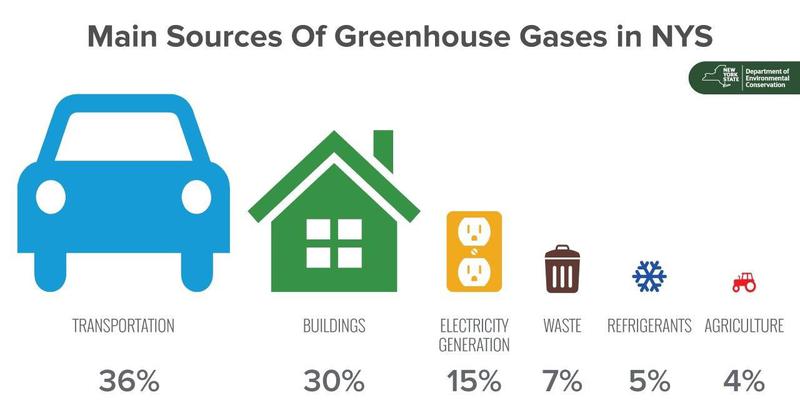
The New York State Department of Conservation (NYSDEC) and the New York State Energy Research and Development Authority (NYSERDA), whose leaders oversee the State’s Climate Action Council, recently appointed members to the newly created “Just Transition” Working Group...
by Kerri Ann Wright | Sep 22, 2020 | Read the latest Environmental Services Articles & News, Walden Community News
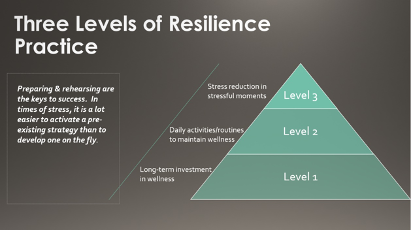
During these tremendously challenging times, we are all experiencing some new stressors in our every-day lives both in the home and at work. Challenges and routines have been replaced, intensified or removed out of our daily way of life. As an employer, Walden...