
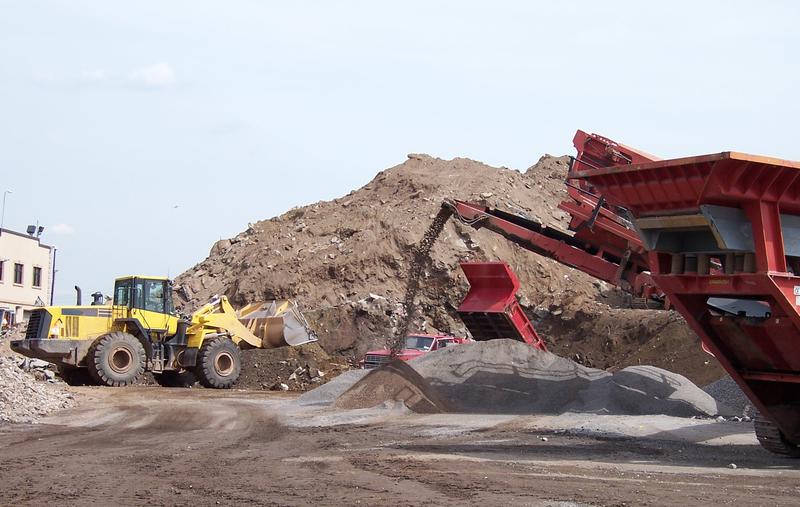
Significant NYSDEC New Part 360 Regulation Change
As of September 20, 2017, the New York State Department of Environmental Conservation published the new Part 360 regulations for Solid Waste Management Facilities. There are significant changes to the Part 360 rule that will affect existing and future solid waste...
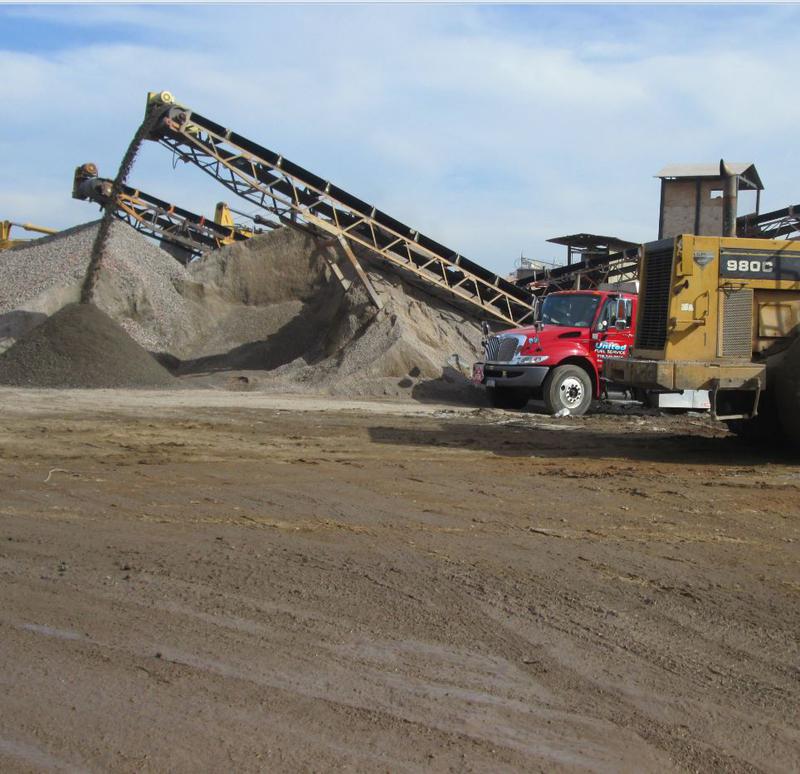
The New Part 360 Rule is Published!
Important Dates The New York State Department of Environmental Conservation published the new Part 360 Regulations on September 20, 2017. You can read it here: If you are the owner of a Solid Waste Facility, the changes to NYS DEC new Part 360 rule will affect you....
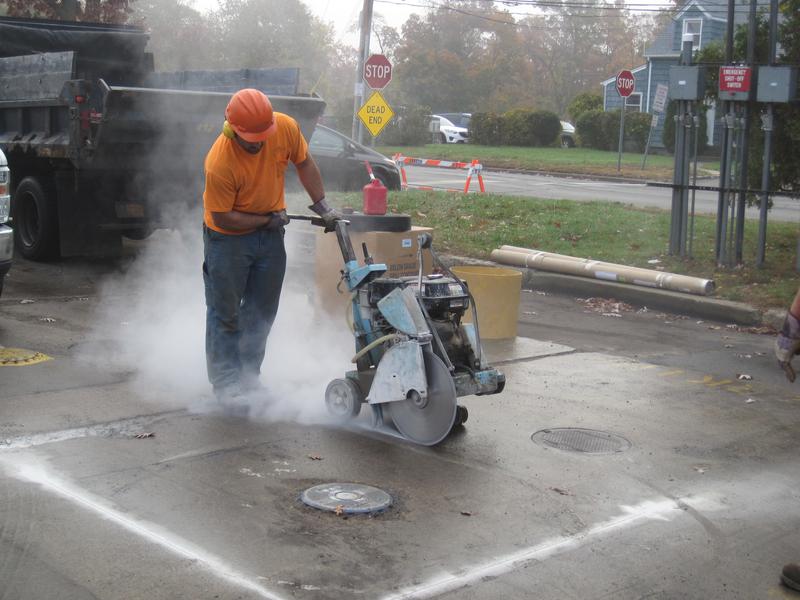
Ready for the OSHA Silica Exposure Standard in the Construction Industry?
In 2016 the Occupational Safety and Health Administration (OSHA) issued a standard to protect construction workers from silica exposure in the form of respirable silica dust. The standard was initially to be enforced on June 23, 2017 but recently OSHA delayed...
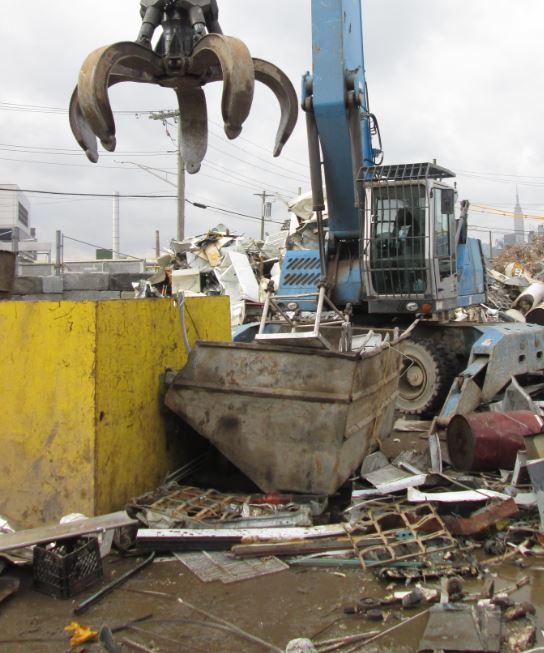
How Will the Proposed Revised NYS DEC Part 360 Ruling (Released June 21, 2017) Affect You?
If you are the owner or customer of Fill Material Transfer Stations (FMTS) or C&D Facilities in the state of New York, you will be impacted by the new NYCRR Part 360 Ruling. It has been over a year since changes to Part 360 were proposed. After a round of...
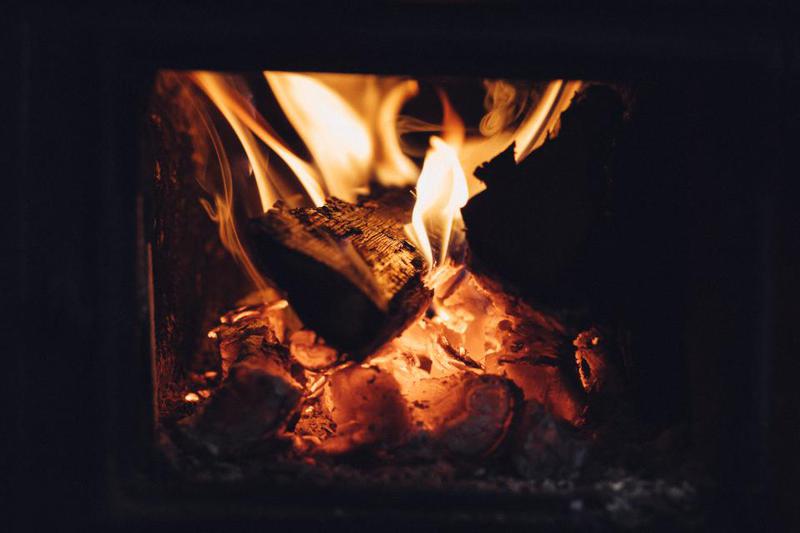
NYCDEP New Regulations For Emission Control Devices On Wood-Fired Cook Stoves
The NYCDEP has recently amended its rules (15 RCNY Chapter 38) regarding control devices on emissions generated by wood fired cook stoves. The regulation took effect on May 24th 2017. The new regulation applies to any wood fired or anthracite coal fired stove within...
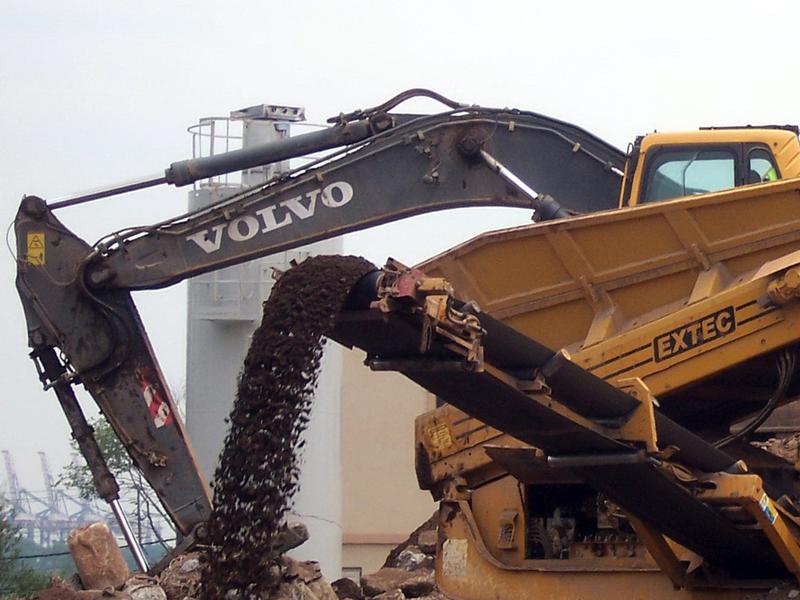
NY State DEC Released Draft Part 360 Solid Waste Management Regulations
Click Here for Our Current 2017 Solid Waste Changes Page The New York State Department of Environmental Conservation announced the release of revamped draft revisions to the state’s solid waste regulations. This is the second release of the Draft Part 360 Regulations....
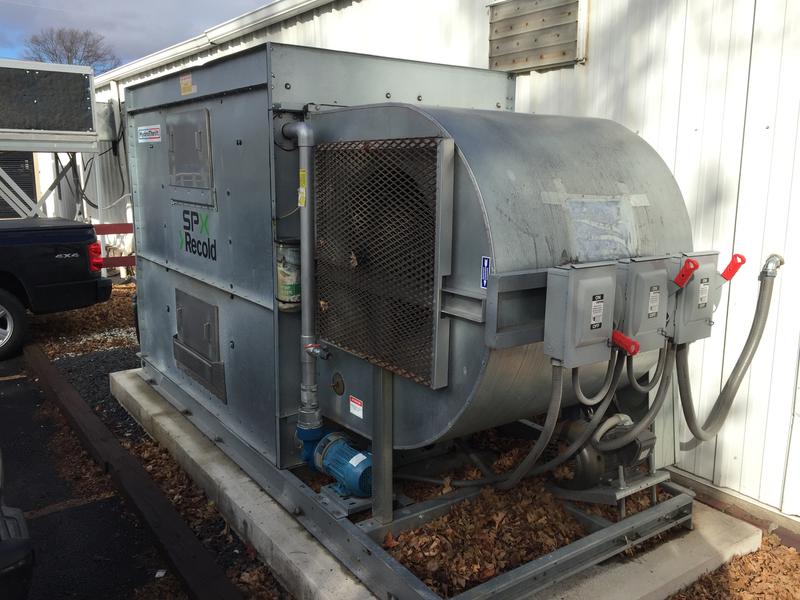
NYSDOH Legionella Compliance Enforcement Update – Cooling Unit Registration
As discussed in Walden’s previous blog, Cooling Tower and Evaporative Coolers Issues – What you need to Know about Legionella Compliance In New York State, all owners of cooling towers and evaporative coolers (cooling units) must comply with the New York State...

New York State Proposes New Air Regulations for Dry Cleaning Facilities
The New York State Dept. of Environmental Conservation has proposed a complete revision to 6NYCRR Part 232: Perchloroethylene Dry Cleaning Facilities. This revision will revise the existing Rule and add additional requirements for controlling air emissions from dry...

Don’t Miss Out! Town Hall Meeting for Changing Petroleum Bulk Storage Regulations
Suffolk County Board of Health is reviewing proposed regulation changes for petroleum bulk storage (PBS) in Suffolk County. Currently Suffolk County Department of Health Services (SCDHS) regulates PBS and Chemical Bulk Storage (CBS) under Article 12. The New York...
Make Your Voice Heard: The Public Comment Period for Proposed Changes to NYS SEQRA Regulations is Open
The Public Comment period for Proposed Changes to NYS SEQRA regulations is open until May 19, 2017. Make your voice heard! NYSDEC has proposed new changes to the NYS SEQR law which governs environmental reviews of planned projects. While NYSDEC has characterized these...