
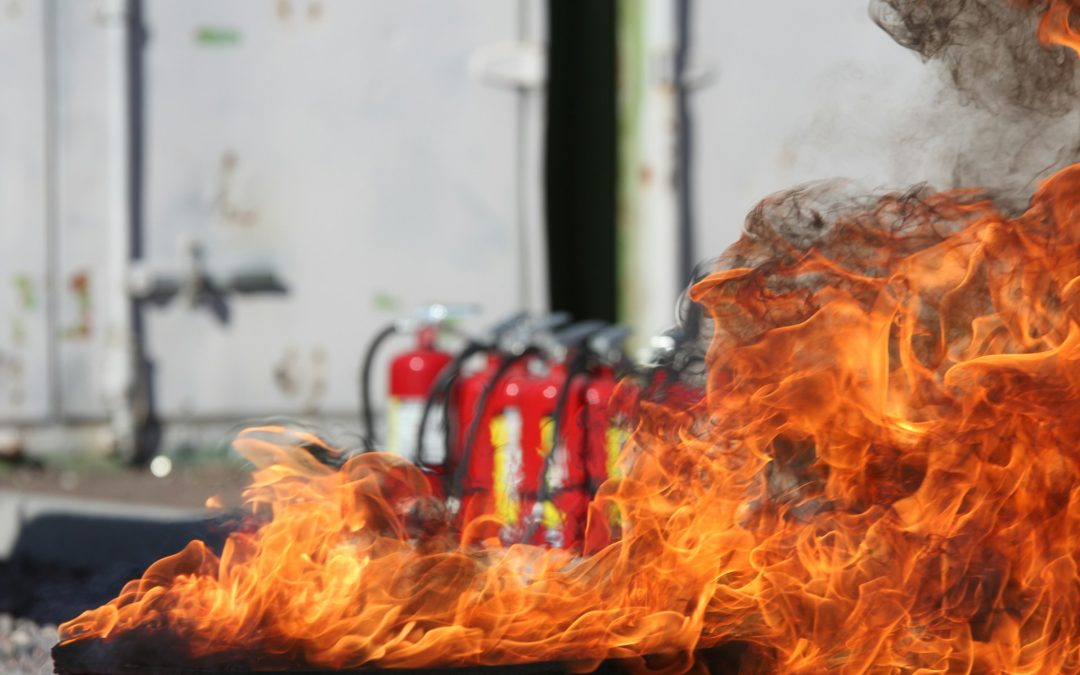
The Importance of Hands-On Fire Extinguisher Training
If you’re in charge of safety – whether at a job site in New Haven, a lab in Providence, or an office in downtown Boston – you’ve probably seen fire extinguisher training that checks all the boxes, but is not necessarily effective. You can show employees a few slides...
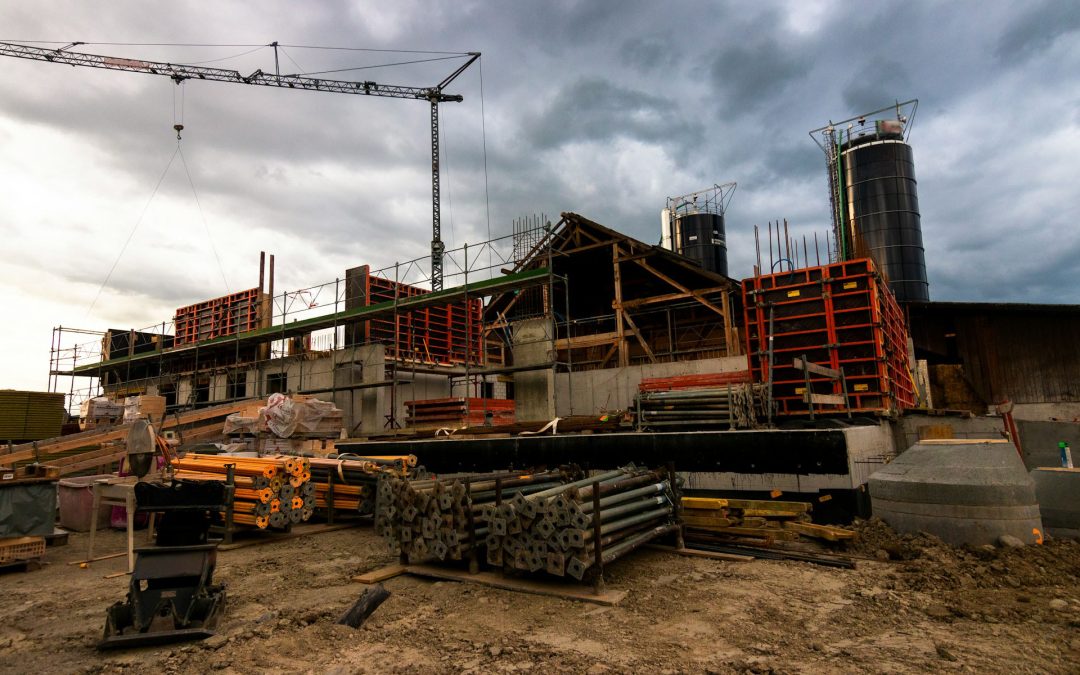
New Industrial Stormwater General Permit for CT
The Connecticut Department of Energy and Environmental Protection (DEEP) has announced a reissuance of the Industrial Stormwater General Permit (IGP). This general permit authorizes discharges from certain industrial activities and facilities based upon a site’s...

EPA Proposes Updates to TSCA Chemical Review Process
The Environmental Protection Agency (EPA) has proposed a new rule to change how it evaluates the safety of chemicals that are already in commerce under the Toxic Substances Control Act (TSCA). According to EPA Administrator Lee Zeldin, the goal is to provide a...

From Paper to Digital: Understanding EPA’s E-Manifest Updates
The EPA is adding new requirements related to their e-Manifest system, and they affect everyone. Whether you use paper manifests, electronic manifests, or a mix of both, there are two big changes in 2025 that you need to know about. These updates are designed to...

2025 Third Quarter Stormwater Deadline Approaching
As the end of the third quarter approaches, it is imperative that quarterly stormwater inspections (and in some cases, sampling) for your site are completed by September 30, 2025. This applies to facilities that are covered by the New York State Department of...
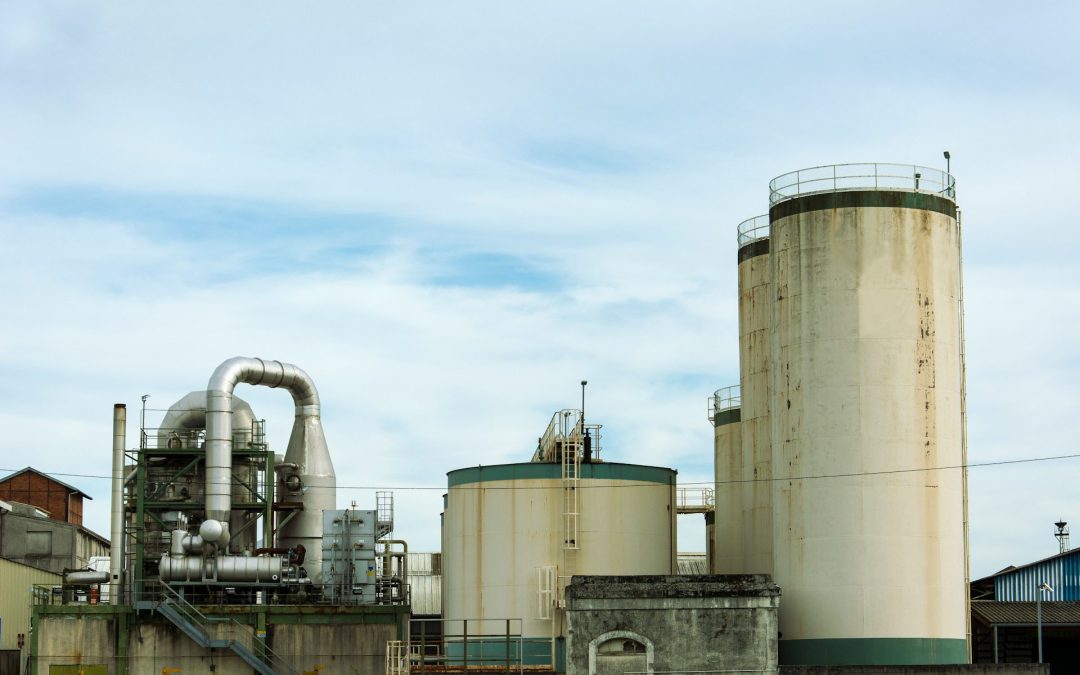
NYSDEC Issues Revised Program Policy DER-40
Did you know that NYSDEC recently updated Program Policy DER-40? On April 14, 2025, New York State Department of Environmental Conservation (NYSDEC) Division of Environmental Remediation (DER)-40, which provides guidance regarding the regulatory requirements under 6...

What’s Your Rescue Plan When Using Fall Protection?
Fall protection is a vital part of ensuring the safety of employees working at elevated heights. Past Walden blogs have covered fall protection inspection, training, violations, and more. Today, we turn to the following question: what happens if you actually fall?...
NYSDEC Issues Revised Program Policy DER-12
Did you know that NYSDEC recently updated Program Policy DER-12? New York State Department of Environmental Conservation (NYSDEC) Division of Environmental Remediation (DER)-12, which provides guidance regarding the regulatory requirements under 6 New York Codes,...
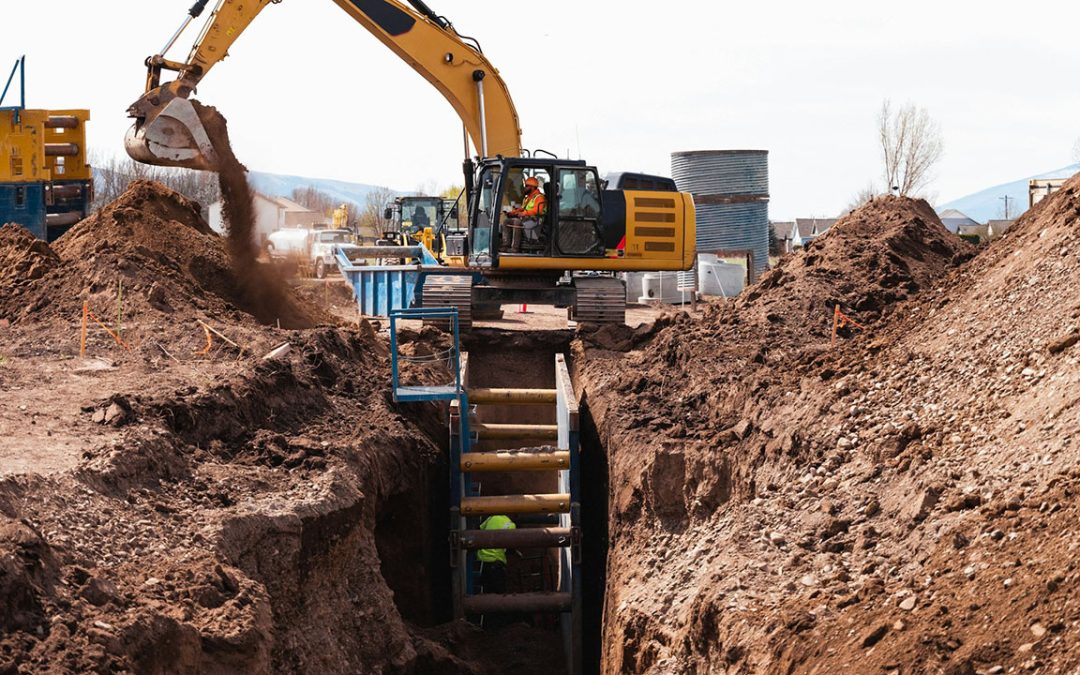
An Introduction to Confined Space Work
What Is a Confined Space? There are two types of confined spaces: permit-required and non-permit-required. A confined space is an enclosed space that: Is large enough and so configured that an employee can bodily enter and perform assigned work; and Has limited or...
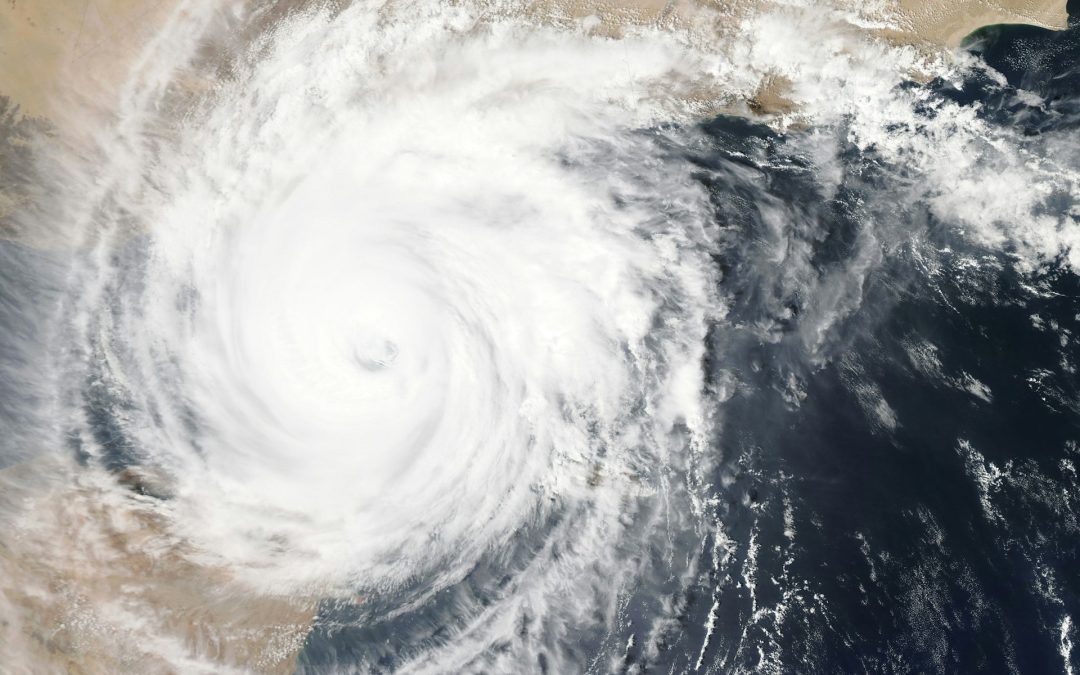
All About National Preparedness Month
September is National Preparedness Month, a campaign led by FEMA to encourage individuals and organizations to be ready for emergencies before they happen. Whether talking about homes or businesses, there is a risk of disasters in our life every day. Natural disasters...