

Energy Benchmarking Reports in New York City
In 2009, New York City passed Local Law 84 (LL84), which requires owners of buildings that meet certain criteria to report annually on their property's energy and water use. The law was passed to determine how much energy and water is consumed by the City’s buildings...
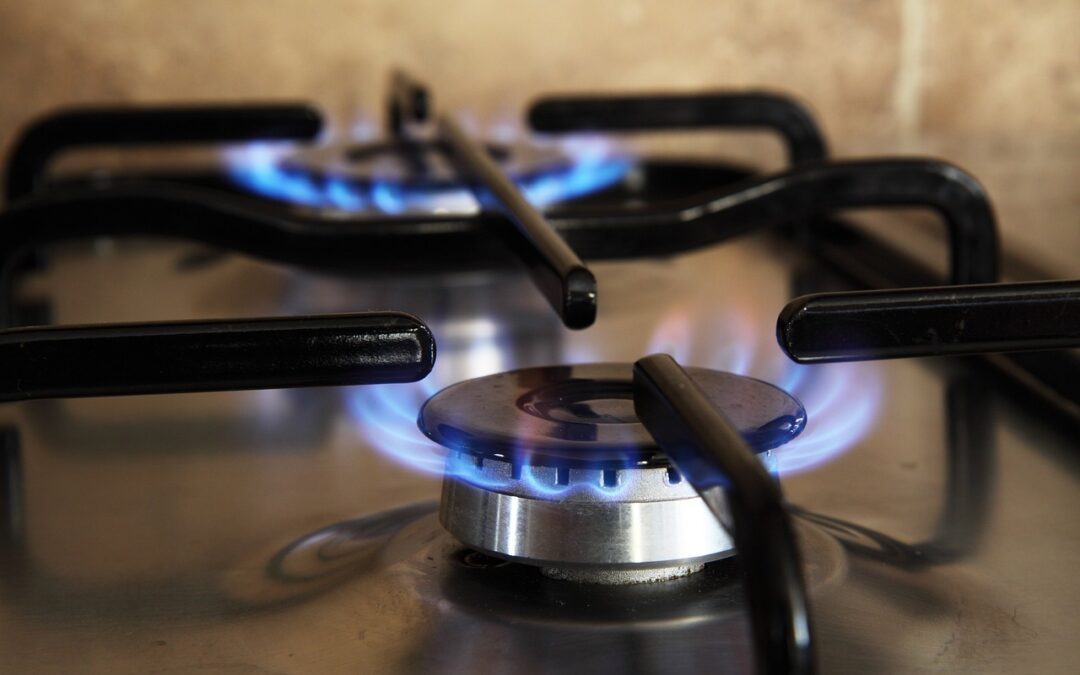
New York State Begins Ban on Natural Gas
The New York Legislature recently approved a new $229 billion state budget. This budget includes provisions which will ban the installation of natural gas utilities, equipment, and appliances during the construction of most new buildings. The ban includes gas stoves,...
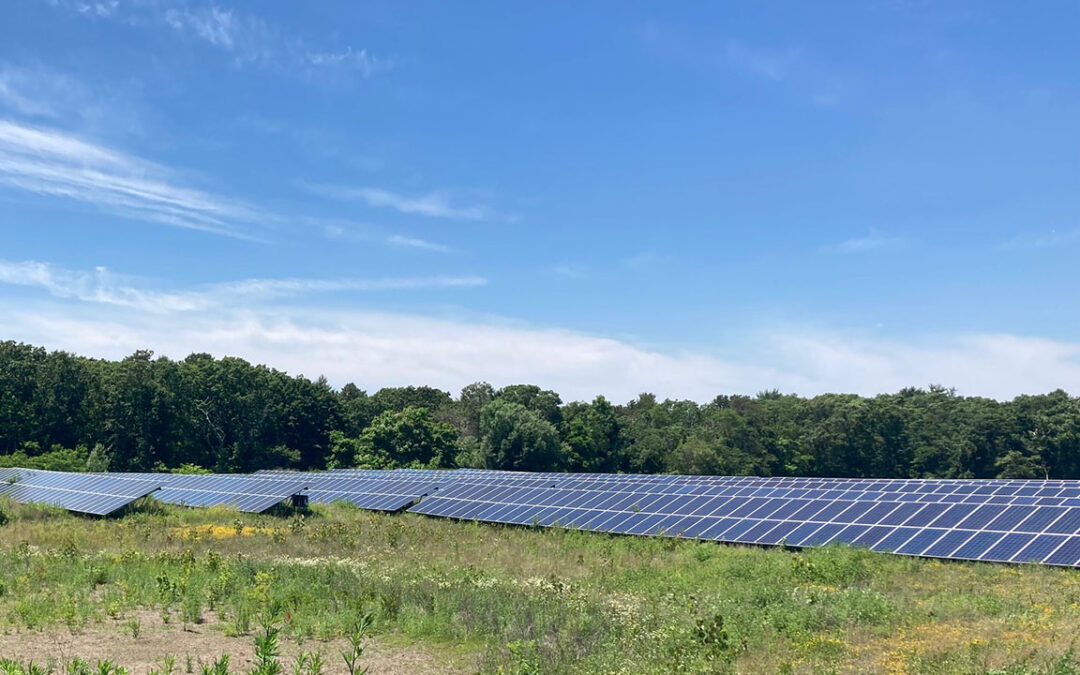
What Tips and Tools Are Available to Help You Build a Sustainable Operation?
Now more than ever, responsible businesses and municipalities are interested in deploying the most up-to-date tools and technologies to ensure that their venture operates sustainably while protecting the environment, employees, and residents. With climate change being...
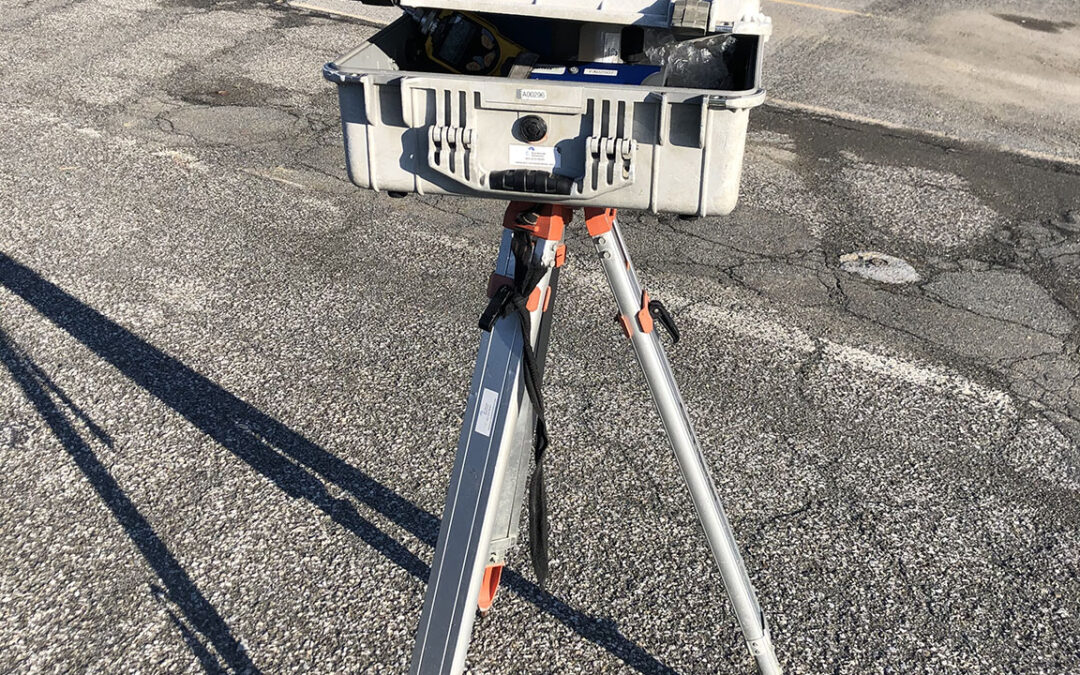
What Is a Community Air Monitoring Program?
Community Air Monitoring Programs (CAMPs) are commonly required at construction, demolition, and other sites where volatile organic compounds (VOCs), dust, or other harmful airborne substances can potentially be released into the air. The monitoring of dust, vapors,...
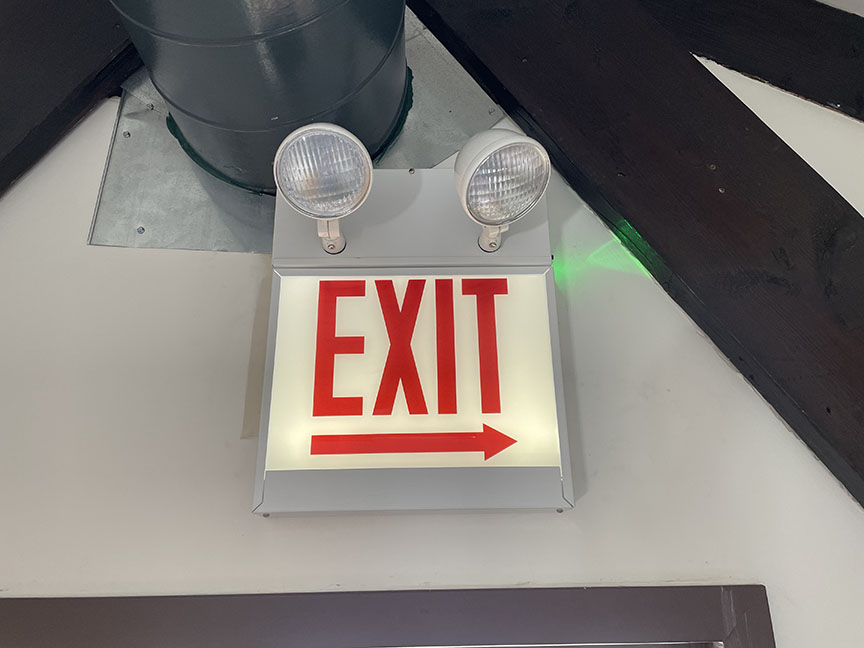
Why Do We Need Fire Codes?
Buildings, both commercial and residential, are subject to fire codes. It is very important that you are familiar with the fire codes in your state and municipality. The codes are not just a checklist of items to pass inspections; they play a vital part in providing...
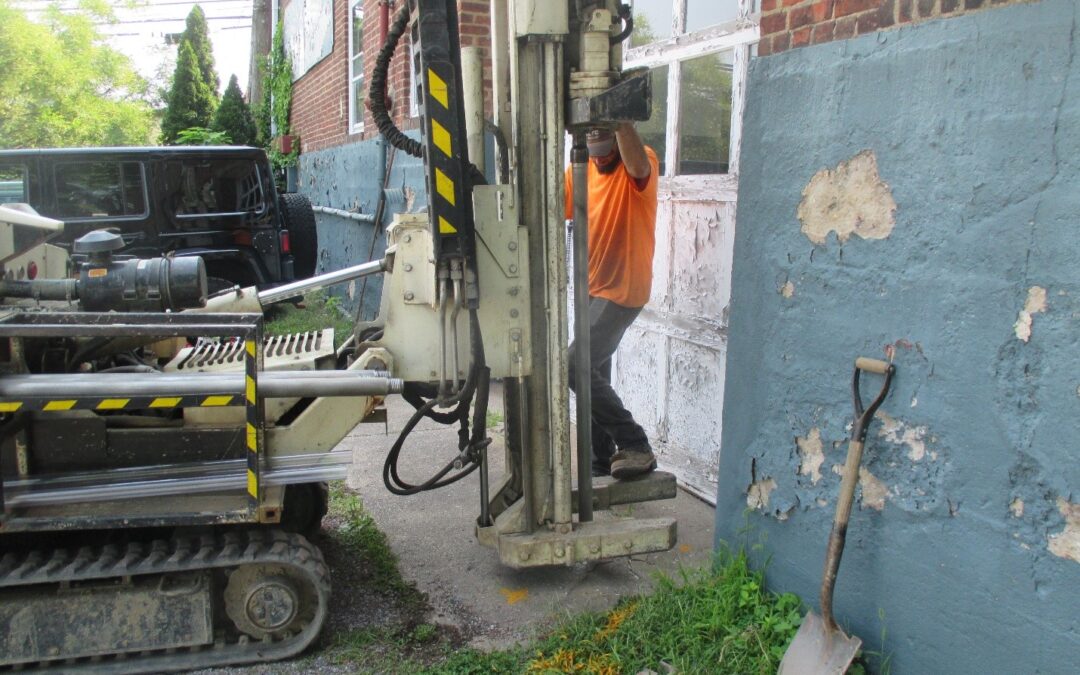
An Introduction to NYSDEC’s DER-10 Technical Guidance for Site Investigation and Remediation
Site investigations are performed when a site is suspected of being contaminated due to historic operations or when a known release of petroleum or chemical products occurs. The objective of such investigations is to determine the nature and extent of contamination in...

How to Reduce Workplace Injury with Machine Guarding
What Is Machine Guarding? Depending on the piece of equipment, moving machine parts can cause a variety of severe workplace injuries, including lacerations, burns, crushing, amputation, and even death. According to the Occupational, Safety, and Health Administration...
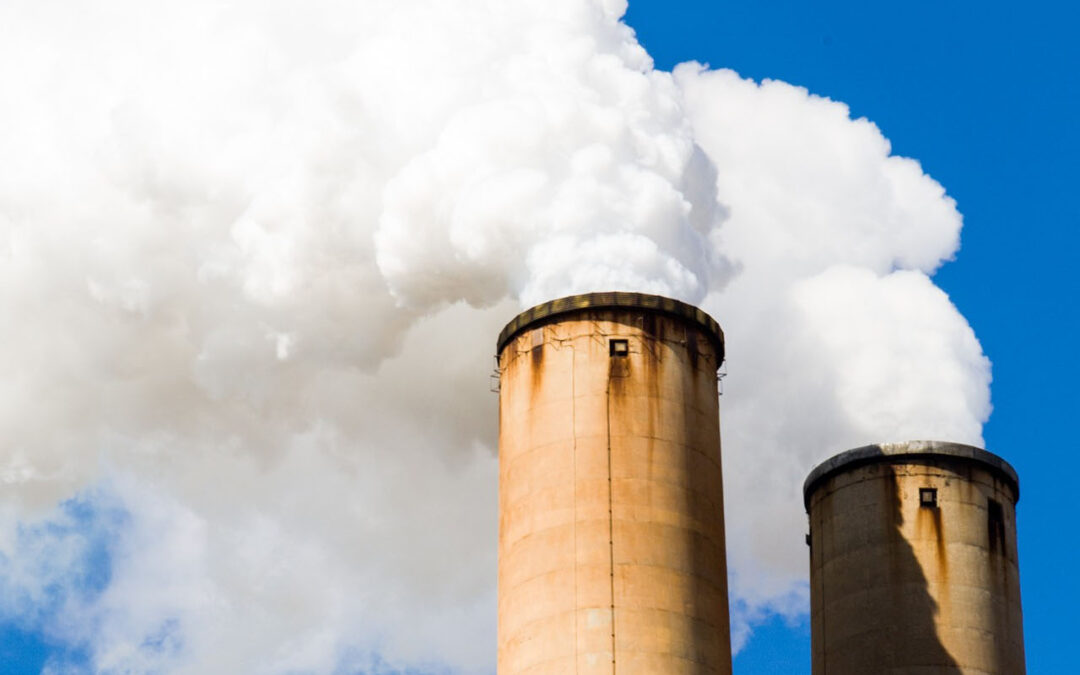
Title V Permit Compliance: A Walden Case Study
Background The Air Pollution Control Act of 1955 marked the first time the United States federal government passed legislation which funded research regarding air pollution; however, it wasn’t until the Clean Air Act of 1963 and Air Quality Act of 1967 that air...
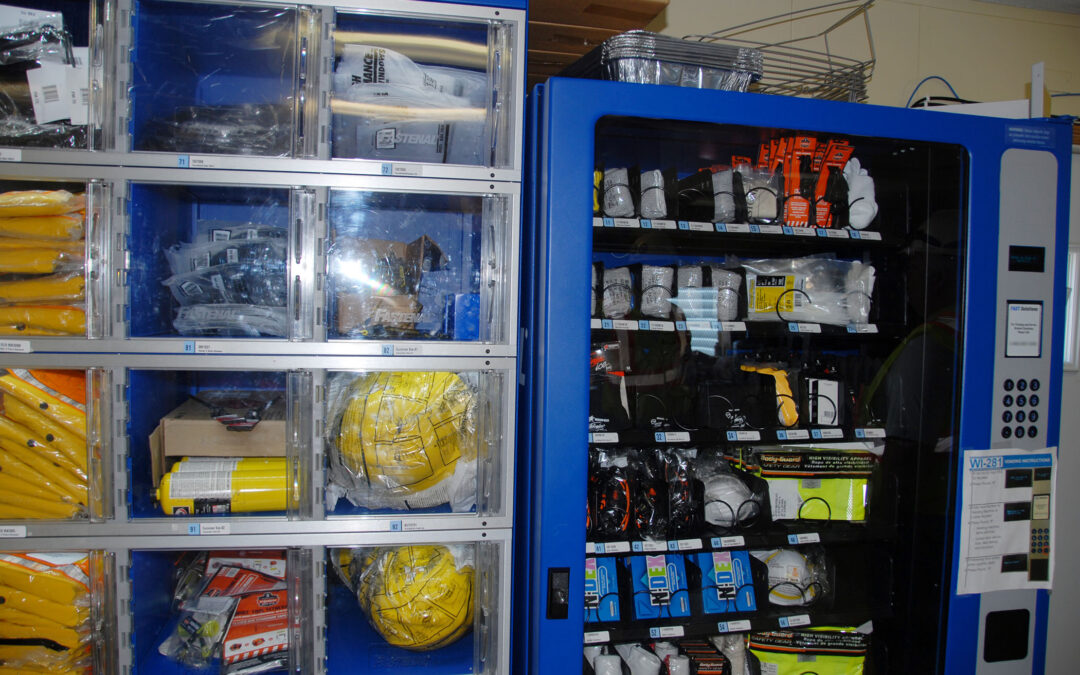
Is Your Facility Using the Correct PPE? Steps for Conducting a PPE Assessment
What Is Personal Protective Equipment? Personal Protective Equipment (PPE) is equipment worn to minimize exposure to hazards that cause workplace injuries and illnesses. These injuries and illnesses may result from contact with chemical, electrical, mechanical,...
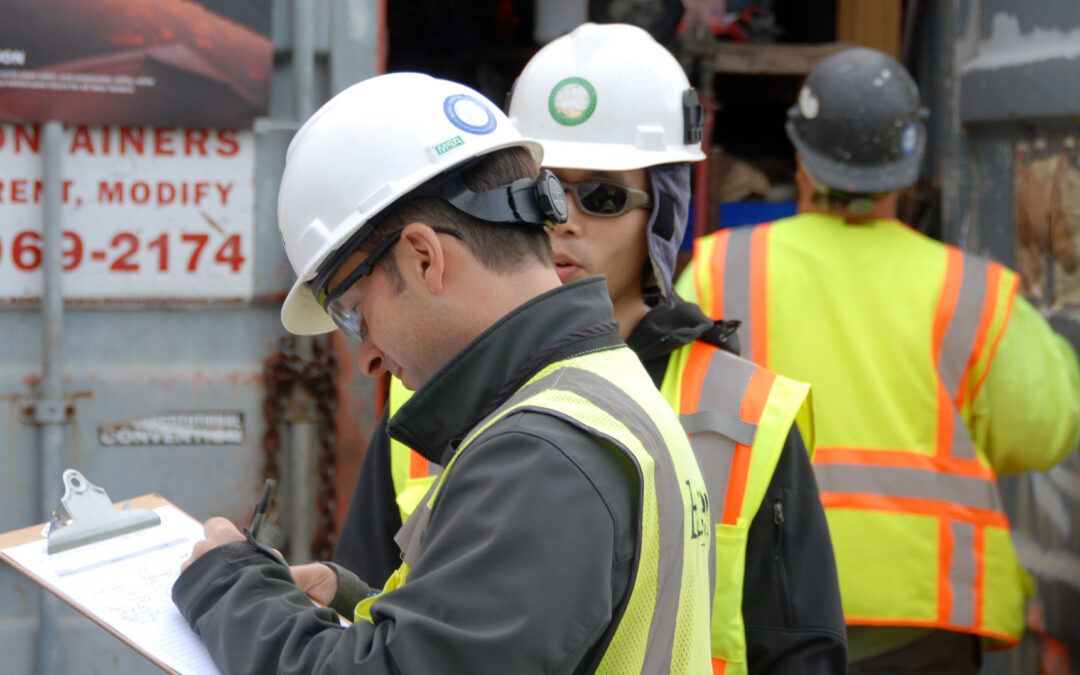
What to Expect from a Compliance Inspection in Connecticut
What to expect Two agencies, the Occupational Safety & Health Administration and the Department of Energy & Environmental Protection (OSHA and DEEP), conduct inspections at facilities throughout the state of Connecticut. Under state law, inspectors have the...