
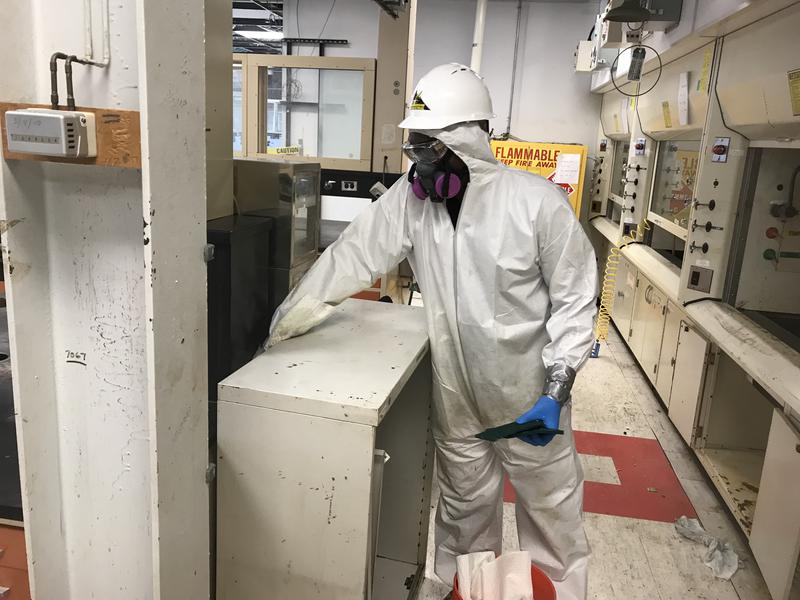
Respiratory Protection: What Do I Need to Know?
In the environmental and general construction industries, breathing hazards are encountered on a common basis. Some examples of respiratory hazards include: Vapors or particulates which are introduced into the air via intrusive work such as cutting or digging Chemical...

OSHA’s Agenda for 2019
OSHA's Agenda for 2019 With so much recent talk of the Occupational Safety and Health Administration (OSHA) rescinding regulations, Walden is taking this opportunity to review OSHA’s primary agenda items for 2019 with regard to general industry facilities and...
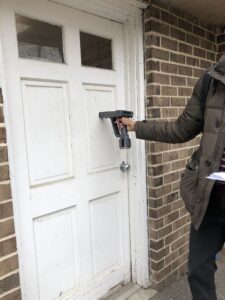
How to Protect your Family from Lead Based Paint
How to Protect your Family from Lead Based Paint It is no secret that lead exposure causes significant health issues for humans, especially in children. If exposed, children may suffer from neurological and intelligence deficits, stunted growth, anemia, and in rare...
What are Permissible Exposure Limits and How Do They Relate to Occupational Safety?
The Occupational Safety and Health Administration (OSHA) was created with the adoption of the Occupational Safety and Health Act in 1970. OSHA set out to improve worker safety on a federal level by defining and enforcing workplace safety standards. Around this time,...

Cooling Tower and Evaporative Coolers Issues – What You Need to Know about Legionella Compliance in New York State
Legionnaire's Disease is Preventable Recent outbreaks of Legionellosis (Legionnaire’s disease) have been traced to the uncontrolled release of Legionella Bacteria in mists generated from operational cooling towers and evaporative coolers (cooling units). Respiring or...
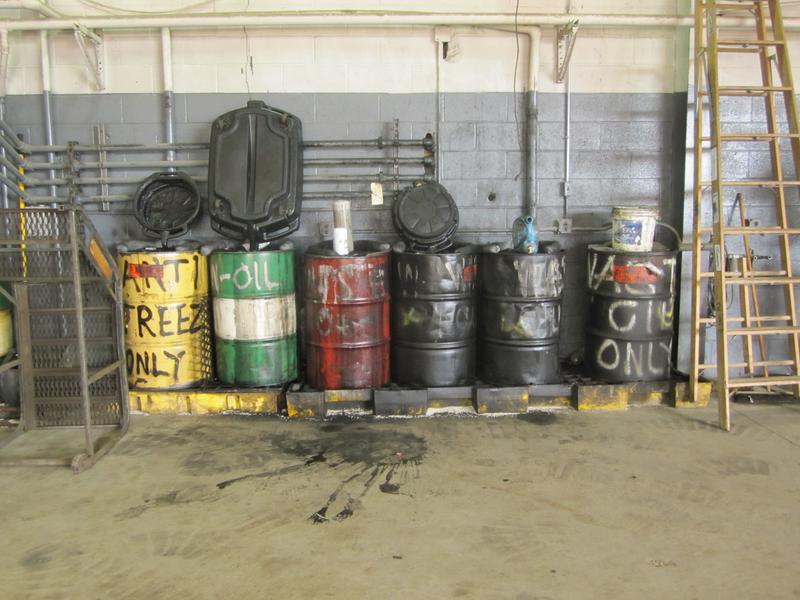
Petroleum Storage Requirements: SPCC Plan for Spill Preparation
Spill Prevention, Control, and Countermeasure (SPCC) Plans All too often, facilities that store potentially hazardous chemicals are ill-prepared to respond to a leak or spill. In effort to protect the health and safety of site-employees and the environment, a...
Don’t Forget About the NYC DEP Community Right-to-Know Filing
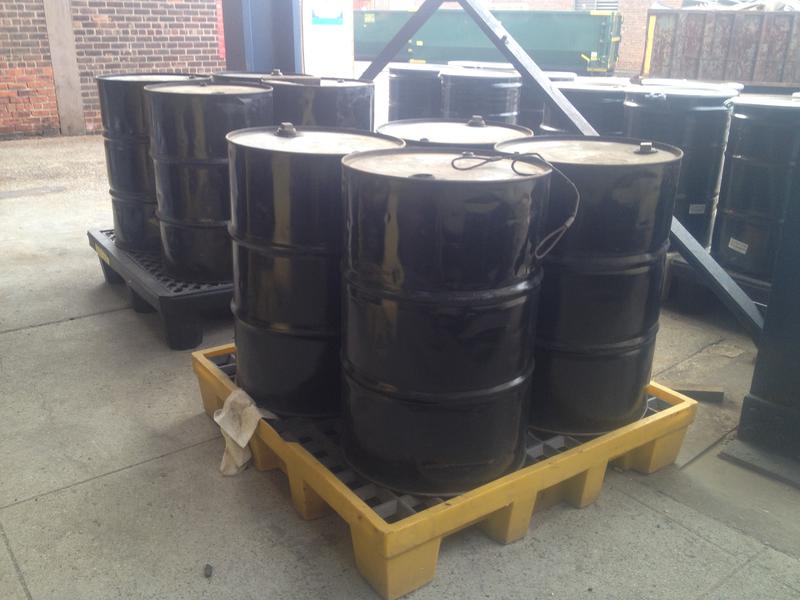
Business owners have a lot on their minds this time of year. We want to make sure you don’t forget about the New York City Department of Environmental Protection’s Community Right-to-Know Filing. Every year, the DEP mandates businesses that use or store potentially...
Reminder: NYC DEP Community Right to Know Filing
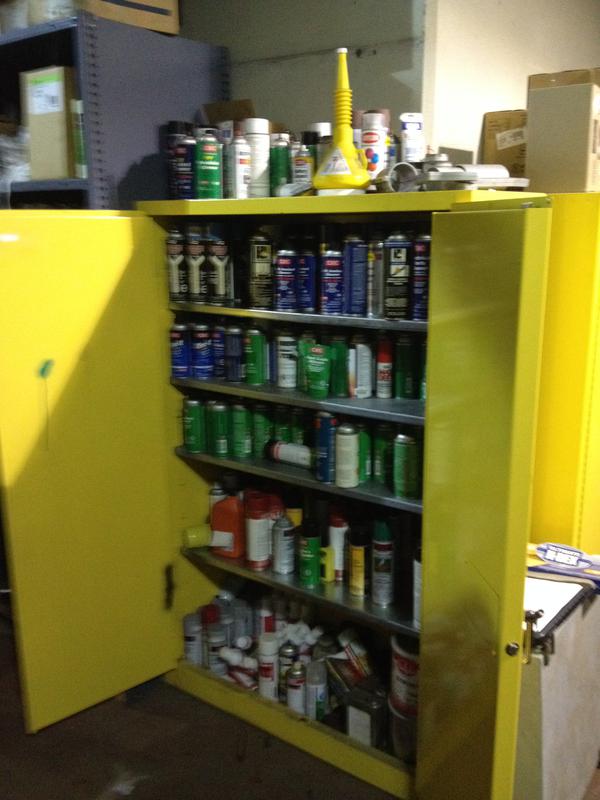
It’s approaching the time of year again to prepare for the New York City Department of Environmental Protection (NYC DEP) Community Right To Know (RTK) filing. The NYC RTK Program requires businesses that handle, store, or use substances that could impact public...
Case Study: Waste Drum Disposal
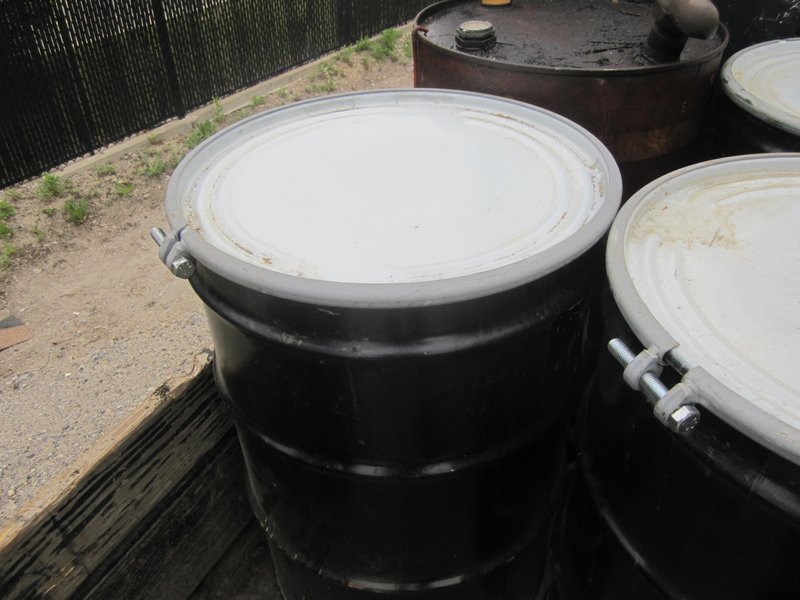
A Common Situation Walden Environmental Engineering (Walden) is regularly retained by clients to consult on chemical storage drum removal. Often the targeted drums store unknown contents or hazardous materials. Improperly labeled drums are difficult to dispose of...
Get Ready for the OSHA Silica Standard for General Industry
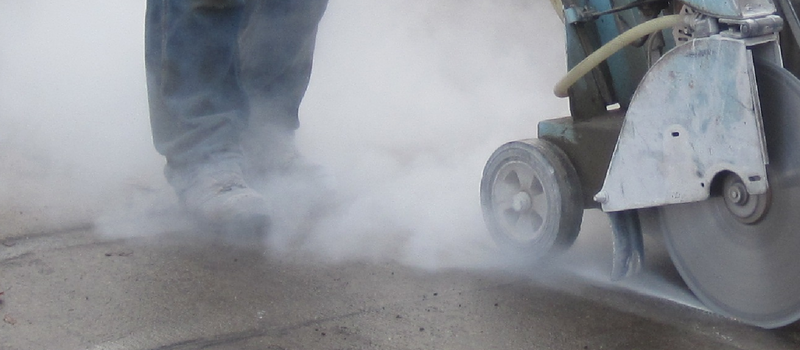
In 2016 OSHA issued the standard 1910.1053 for General Industry in order to protect workers from exposure to respirable silica dust. The silica standard was initially to be enforced on June 23, 2016 but OSHA delayed enforcement to June 23, 2018. The silica...