
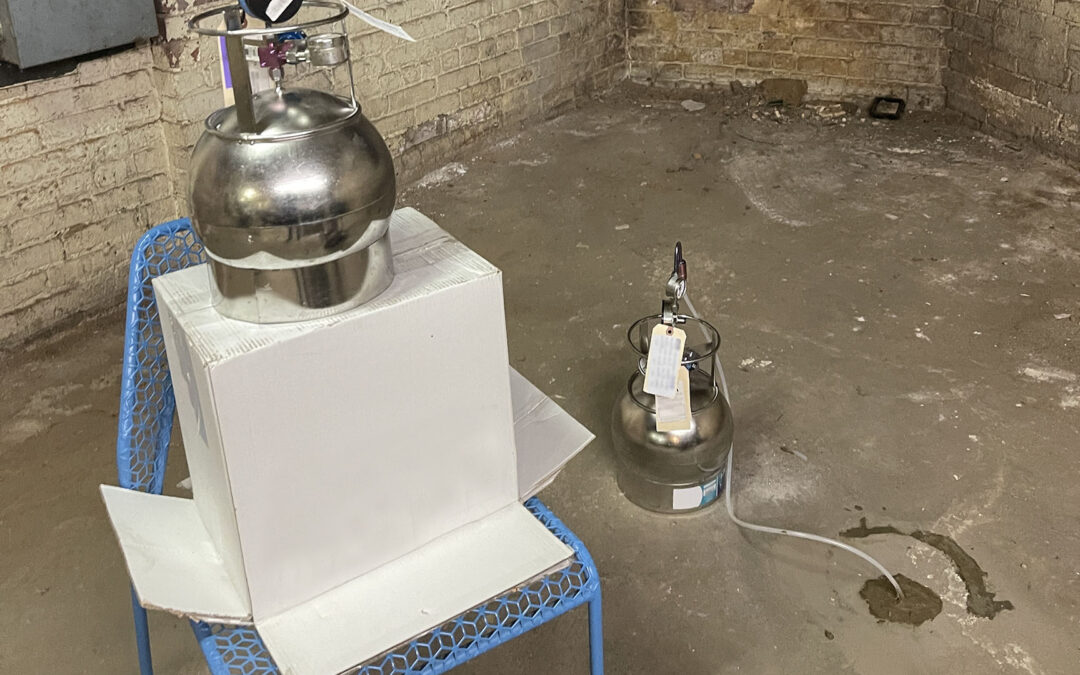
Soil Vapor Intrusion and Indoor Air Quality Concerns
Dangerous chemicals in the air don’t just come from wildfires and smoke. Soil vapor can have a significant impact on indoor air quality. When soil and/or groundwater are contaminated by volatile organic compounds, these contaminants are released into soil vapor which...
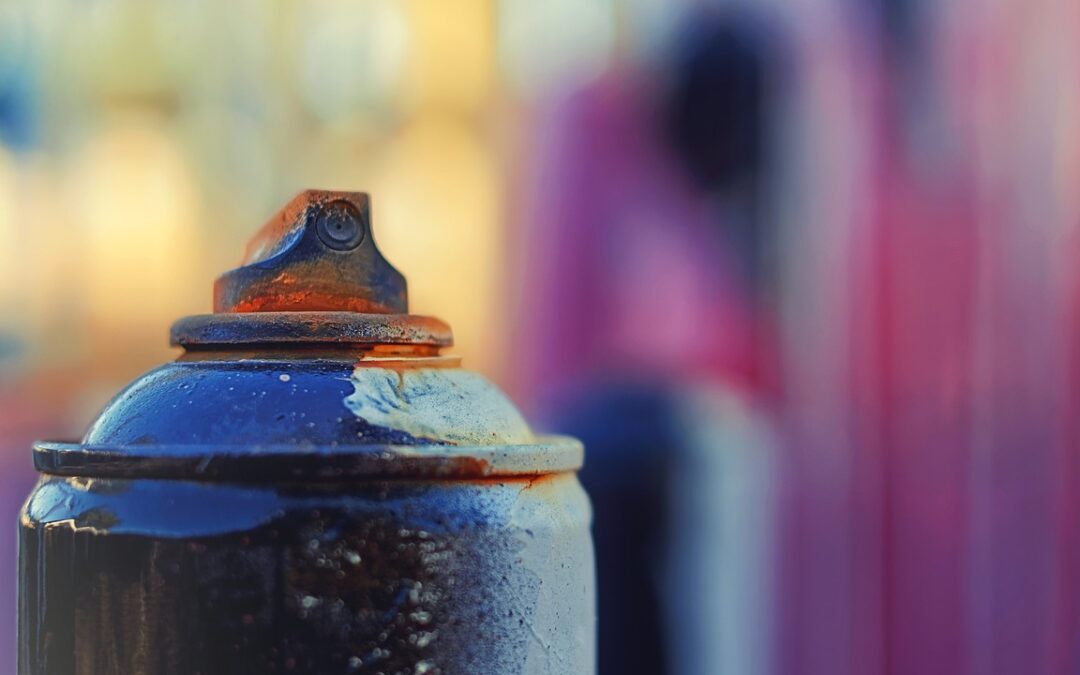
Universal Waste Rule: Know All the Changes on Aerosol Cans and Paint in NYS
On July 8, 2023, new rules affecting the handling and disposal of universal waste aerosol spray cans and waste paint changed in New York. The new rules are based on EPA 40 CFR part 273. Other states like California, Colorado, Minnesota, New Mexico, Ohio, and Utah have...
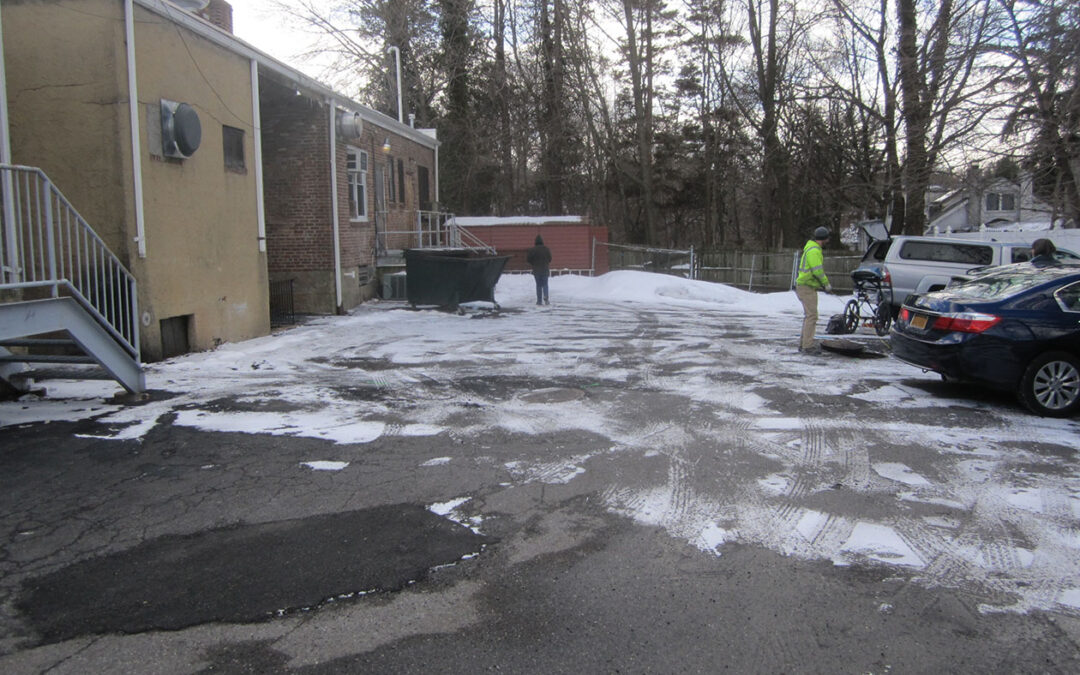
Public Comment Period for DER-41–Financial Assurance Is Open!
The New York State Department of Environmental Conservation, Division of Environmental Remediation (DER) is issuing a proposed policy, DER-41–Financial Assurance (FA). This proposed guidance will assist with the State Superfund (SSF) Program and the Brownfield Cleanup...
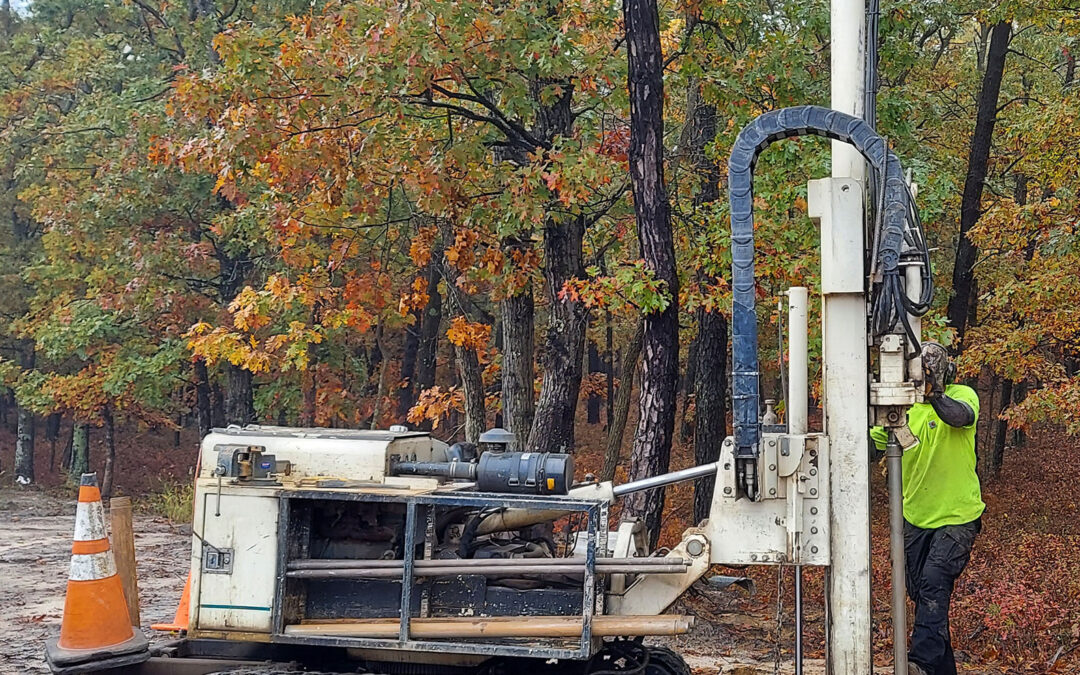
NYSDEC Now Requiring Groundwater Protection for Mulch and Compost Processing Facilities
The New York State Department of Environmental Conservation (NYSDEC) now requires registered and permitted mulch (greater than 10,000 cubic yards storage) and compost (greater than 3,000 cubic yards per year) processing facilities located in Nassau and Suffolk...
Your Guide to Creating Sustainable Operations, Part Four: Battery Storage Systems and Final Thoughts
What happens to the energy that a solar panel array generates? Obviously, it can be used to power a facility or be fed back to the grid. However, organizations could find that the panels generate more electricity than they need at a given time of the day. In that...
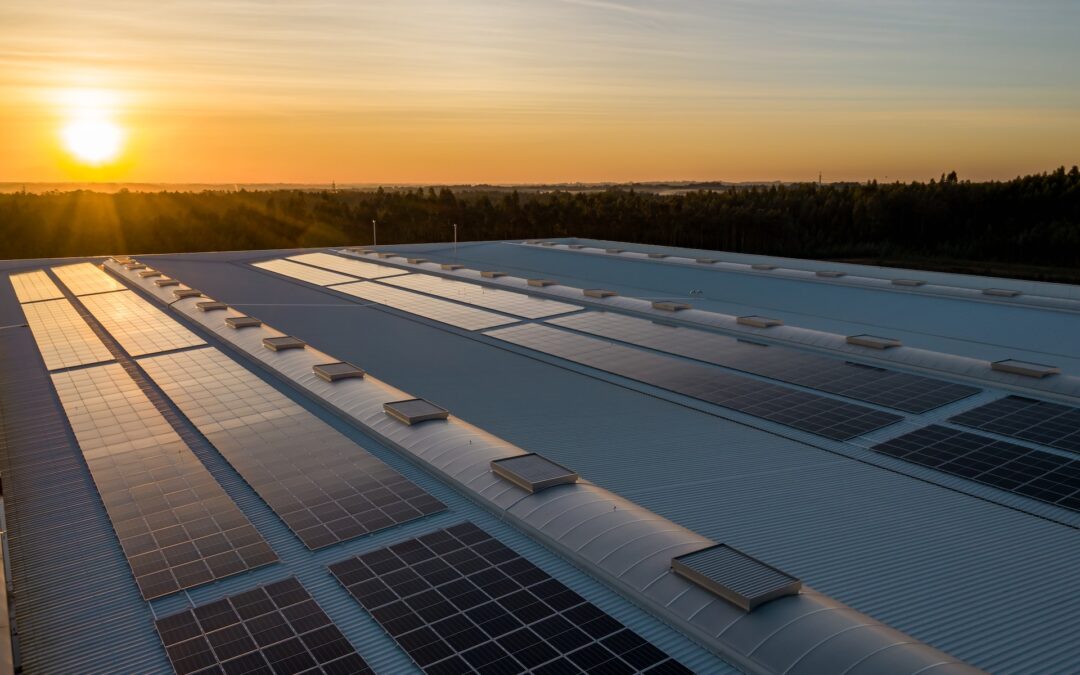
Your Guide to Creating Sustainable Operations, Part Three: Solar Panel Arrays
Many organizations have a lot of unused vacant land or roof space. If this is the case at your facility, you may be unsure of how to utilize it all. “Why not install a solar panel array?” This is the obvious choice for many. Land is usually a resource, but unused land...
Energy Benchmarking Reports in New York City
In 2009, New York City passed Local Law 84 (LL84), which requires owners of buildings that meet certain criteria to report annually on their property's energy and water use. The law was passed to determine how much energy and water is consumed by the City’s buildings...
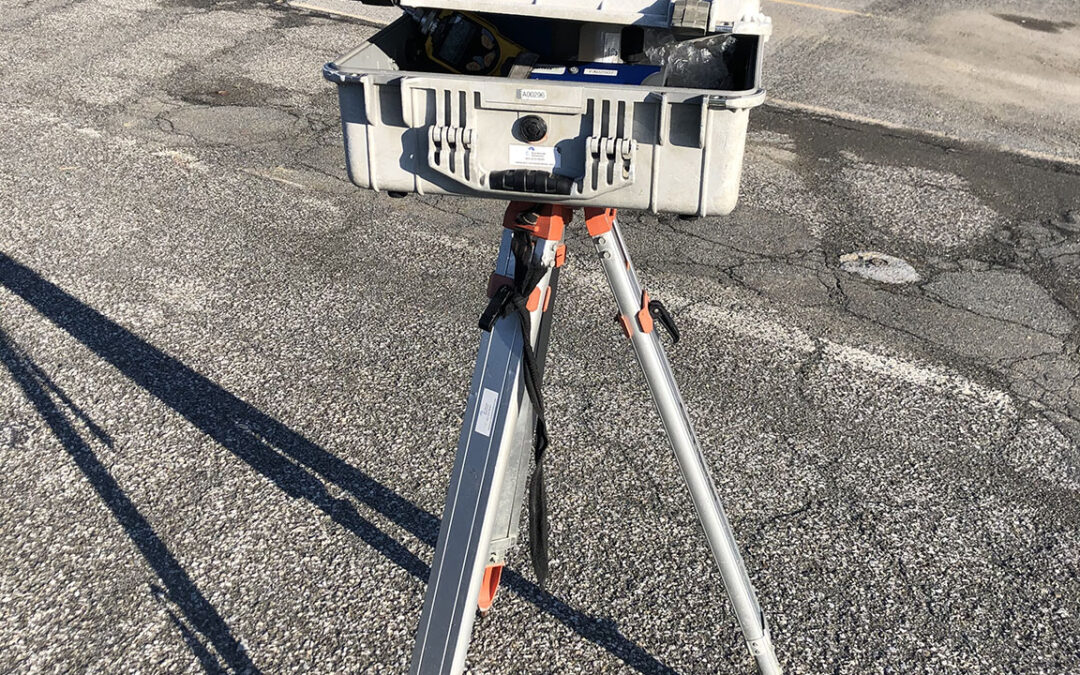
What Is a Community Air Monitoring Program?
Community Air Monitoring Programs (CAMPs) are commonly required at construction, demolition, and other sites where volatile organic compounds (VOCs), dust, or other harmful airborne substances can potentially be released into the air. The monitoring of dust, vapors,...
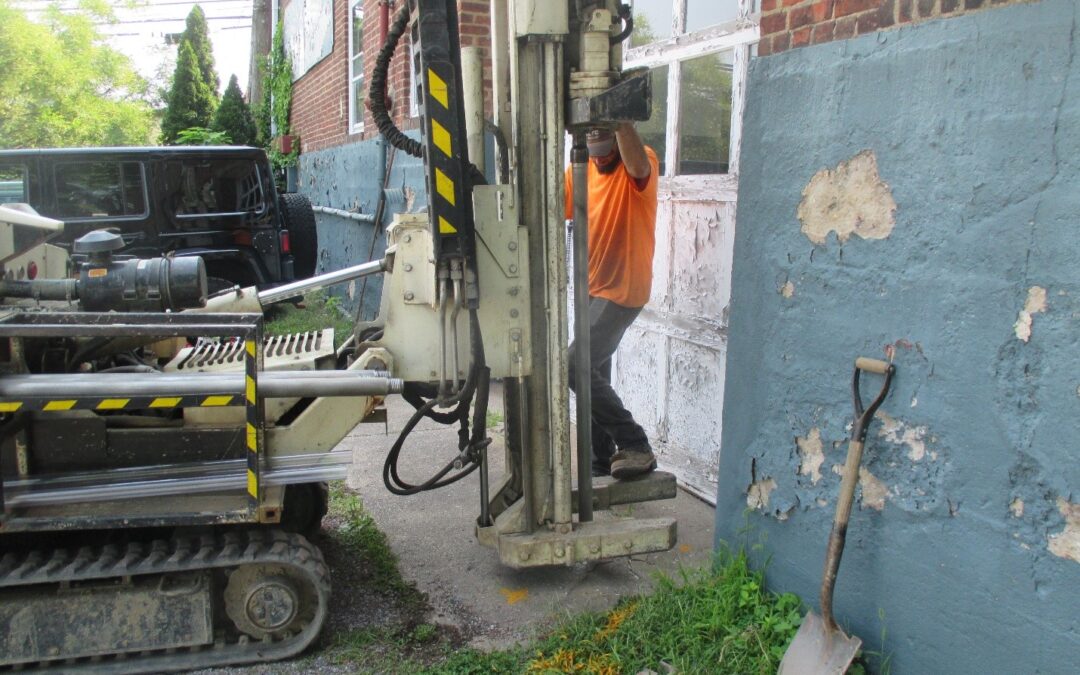
An Introduction to NYSDEC’s DER-10 Technical Guidance for Site Investigation and Remediation
Site investigations are performed when a site is suspected of being contaminated due to historic operations or when a known release of petroleum or chemical products occurs. The objective of such investigations is to determine the nature and extent of contamination in...
New York State’s Green History: From the 1970s to Now
According to the DEC, Earth Day was founded by Senator Gaylord Nelson on April 22, 1970. This national holiday has led to a variety of acts that keep us and our environment safe, including the Clean Air Act, the Safe Drinking Water Act, and the Occupational Safety and...