
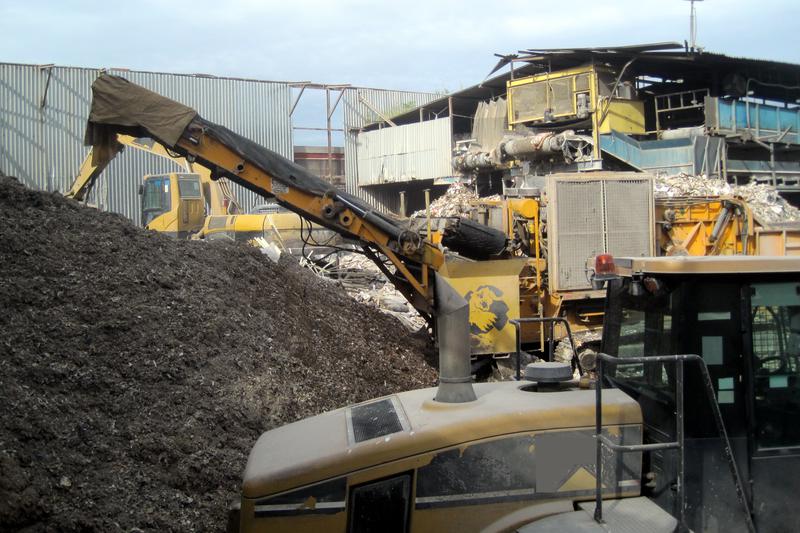
Reminder: Annual Waste Report is Due March 1st
As the year comes to a close, don’t forget about the New York State Department of Environmental Conservation’s (NYSDEC) Solid Waste Annual Report requirements. Businesses all across the state must submit various information about wastes received, processed, or sent...
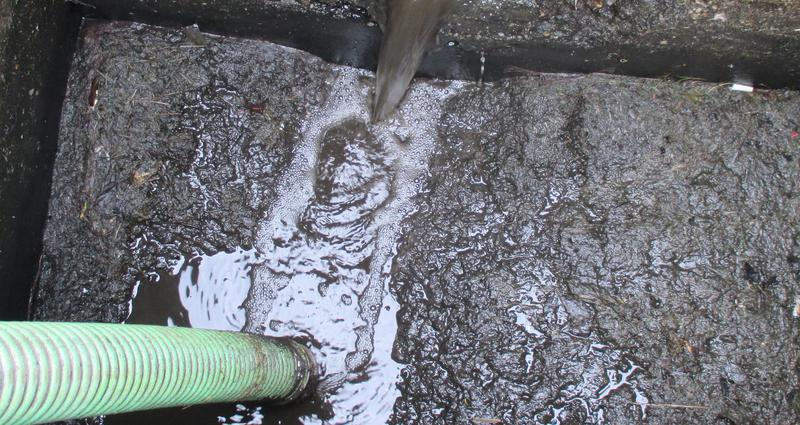
Long Island’s Big Push Towards Nitrogen Removing Septic Tanks
Suffolk County Septic Systems As stated in our recent blog “Suffolk County Commercial Cesspools Will No Longer Be Grandfathered-in During Redevelopment”, commercial and industrial facilities will now have to comply with new septic tank regulations. If there are any...
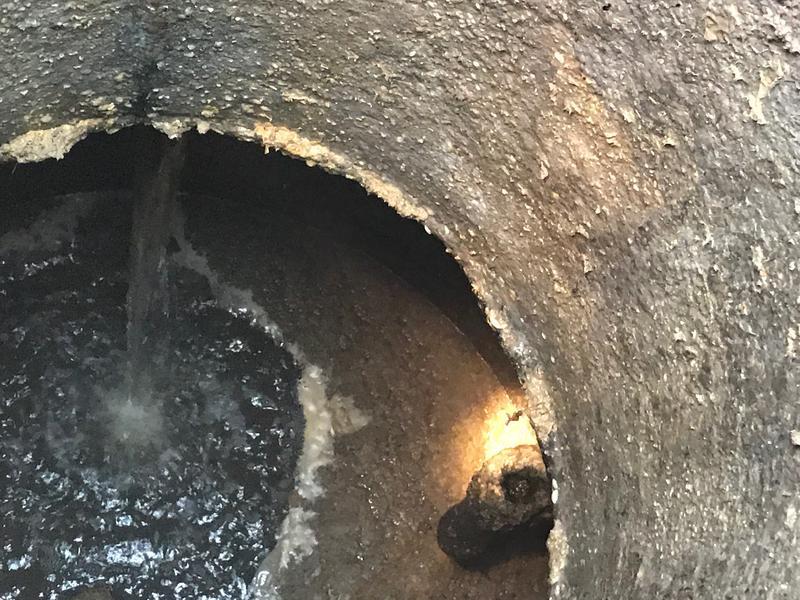
Suffolk County Commercial Cesspools Will No Longer Be Grandfathered-in During Redevelopment
Commercial property owners undergoing renovations or expansions, take note of recent changes to the Suffolk County Sanitary Code. New Septic System Legislation The Suffolk County Legislature recently passed a bill to amend the portion of the Suffolk County Sanitary...
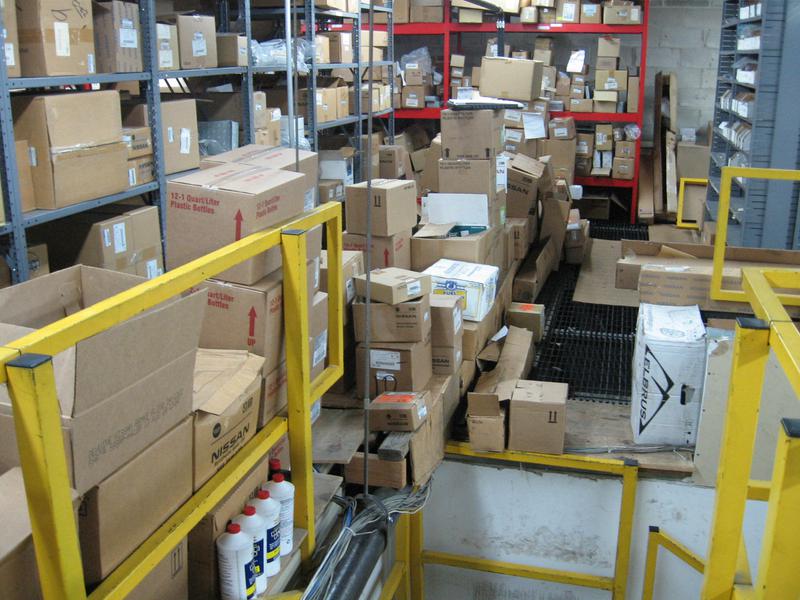
Save Money on Your NYC DEP Right to Know Filing – Dispose of Unnecessary Chemicals
Business Owners in New York City: Have You Heard of the DEP Right to Know Reporting? Under the Community Right-to-Know Program, the New York City Department of Environmental Protection (NYC DEP) requires businesses to report the amount of chemicals used or stored at...
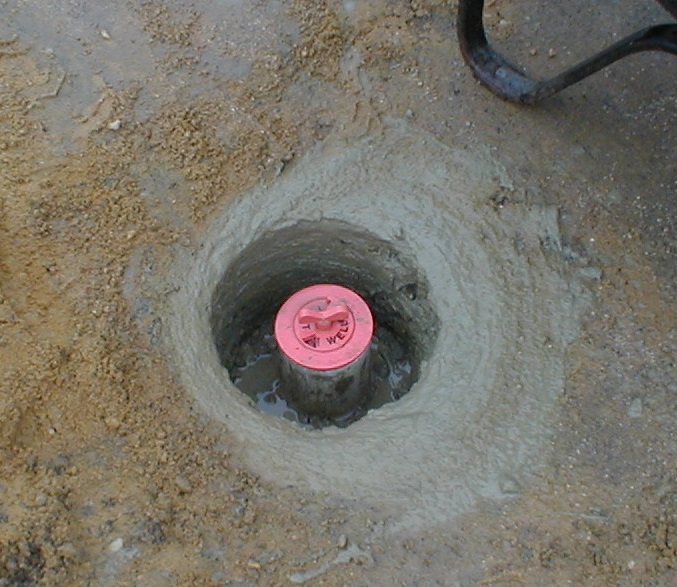
Groundwater 101: Monitoring Well Installation
Groundwater Monitoring Well Installation Basics Groundwater monitoring wells are commonly installed at sites that are known to be or suspected to be contaminated by a variety of substances such as petroleum compounds or chlorinated solvents. Groundwater Quality...

New York State Takes Control of Establishing 1,4-Dioxane And PFOA Drinking Water Standards
The presence of 1,4-dioxane in drinking water has been an on-going concern for many residents of Long Island, New York. 1,4-dioxane is a compound that has been used in a variety of industrial, manufacturing and agricultural operations. It readily mixes with water, and...
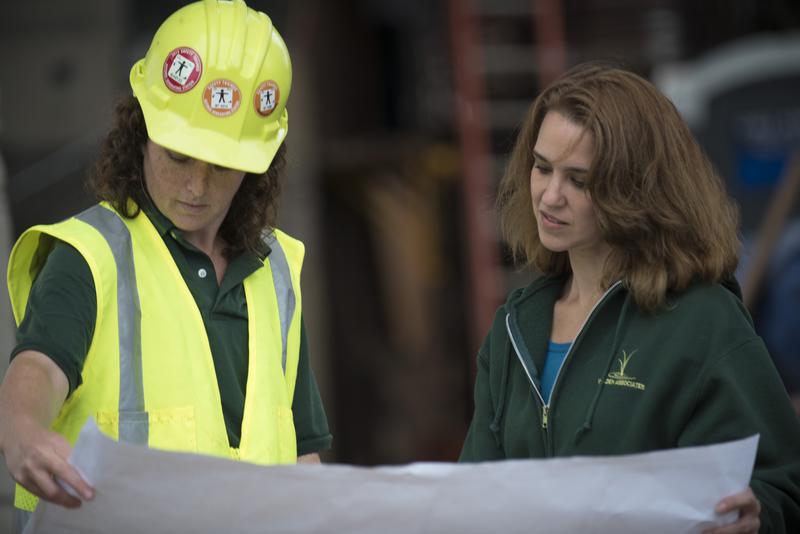
Technical Specifications Writing and Its Role in Construction Management
One of the most important (and oftentimes most difficult) aspects of a construction project is describing the desired finished product in a manner that is clear to all parties involved. Setting well-defined, measurable expectations for the contractor is paramount to...
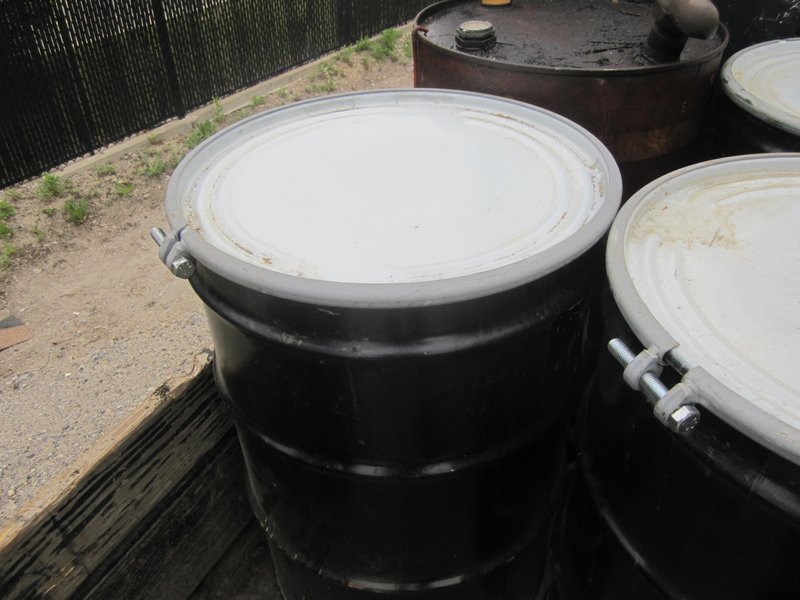
Case Study: Waste Drum Disposal
A Common Situation Walden Environmental Engineering (Walden) is regularly retained by clients to consult on chemical storage drum removal. Often the targeted drums store unknown contents or hazardous materials. Improperly labeled drums are difficult to dispose of...
Understanding Tax Credits in the New York State Brownfield Cleanup Program
The New York State Brownfield Cleanup Program (NYSBCP) began as a means to encourage the cleanup and redevelopment of privately owned sites across the state in an effort to promote the revitalization of economically and environmentally blighted areas. Brownfield tax...
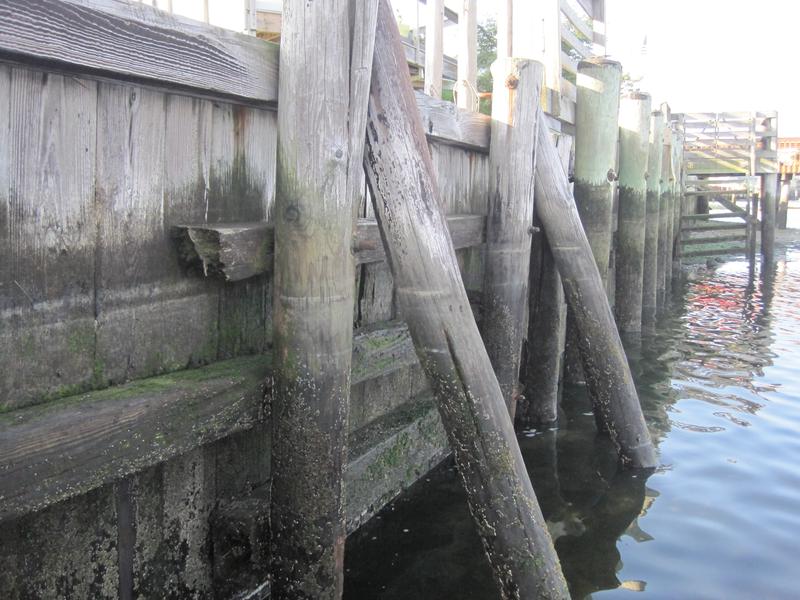
Waterfront Protection Structures – How to Safeguard Your Property and the Environment
Do you or your organization own a waterfront structure such as a jetty or bulkhead? Do you know the condition of it? Is it structurally sound? And safe? Does it comply with the local regulations? Many waterfront structures are not managed as well as they should be,...