

4 Reasons To Do A Phase I Environmental Site Assessment
Why is a Phase I site assessment important? Buying property is a key business or personal investment. You don’t want to be caught off-guard, especially discovering after the purchase that your new property is contaminated with some type of hazardous waste. A Phase I...

3 Keys To Finding The Right Environmental Consulting Firm
Want to Find the Right Environmental Consulting Firm? Call Walden! It’s essential to select the right environmental consulting firm to ensure you get the most comprehensive, reliable data and recommendations to make well-informed, cost-effective decisions. Learn more...
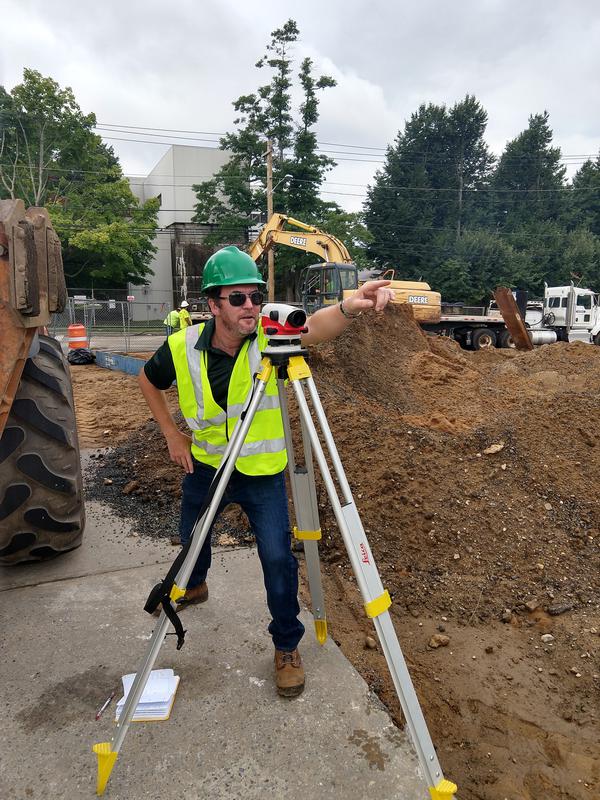
Meet your Engineer – Peter Brighton, P.E.
Meet Mr. Peter Brighton, P.E. Q. Where did you grow up? A. "I grew up in Coffs Harbour, Australia. In Australia, I was a welder and a builders labor. I met my wife in Australia when she was studying abroad, and she convinced me to move to America with her." Q. What...

Meet your Engineer- Robert A. LoPinto!
Meet your Engineer! Robert A. LoPinto is an accomplished engineer with a B.S. in Chemical Engineering from Polytechnic Institute of Brooklyn and an M.E. in Environmental Engineering from Manhattan College. In addition, he is also a graduate of the US Army Command and...
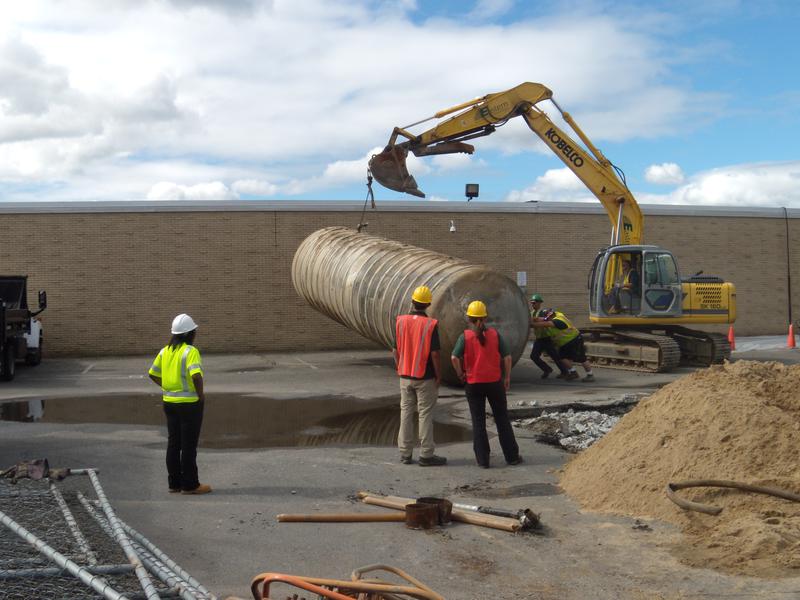
Above Ground Storage Tanks vs Underground Storage Tanks
Petroleum and Chemical Bulk Storage Decisions If you plan to store petroleum products or certain types of hazardous substances, you can count on detailed regulation whether you choose above ground or underground storage tanks (ASTs or USTs). Stringent standards are...

What is the new EPA “e-Manifest”?
What is the EPA "e-Manifest"? The new EPA “e-Manifest” is an electronic system for tracking hazardous waste under the Hazardous Waste Electronic Manifest Establishment Act. This act encourages users to transition from paper submissions to electronic submissions of the...
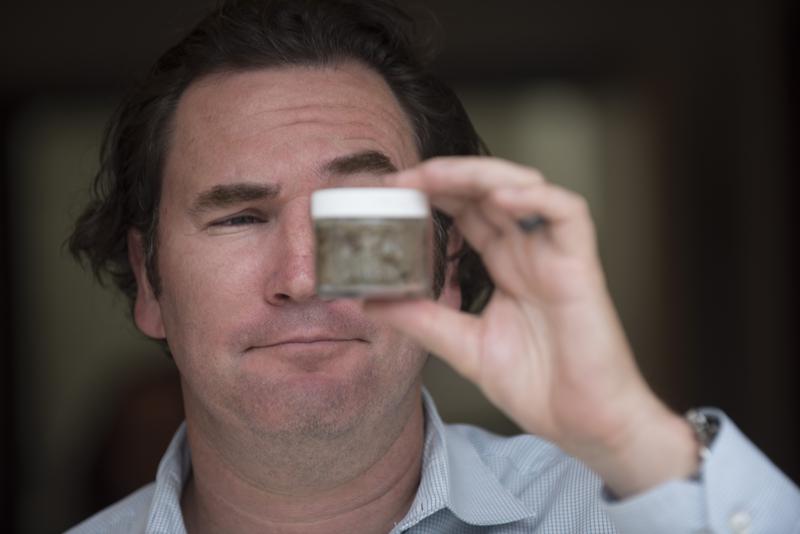
What Do My Lab Results Mean? Interpreting Laboratory Data Reports
Laboratory Data Should Answer Questions, Not Create Them! In today’s complex world of ever-evolving and changing regulations, environmental testing has become common place and routine. Due to continuous advancements in technology, the interpretation and application of...

Municipal Grant Opportunities in 2018
New York State’s 2018 Consolidated Funding Application Grant Program Now Open This year New York State has earmarked over $750 million in State funding to support job growth and the economic development strategies established by Regional Economic Development Councils...

Who Needs an NYC DEP Air Emissions Registration?
NYCDEP Registration(s) for Air Emissions Sources How Does New York City Control Air Pollution? The New York City Air Pollution Control Code (APCC) (Chapter 1 of Title 24 of the NYC Administrative Code) regulates the emission into open air “of any harmful or...
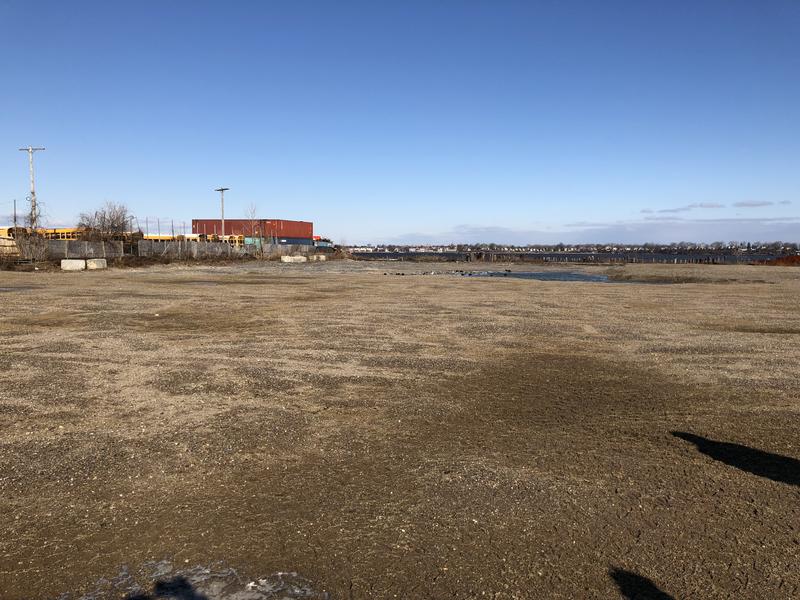
So, You Bought A Brownfield. Now What?
Brownfield Redevelopment What did I buy? Hundreds of thousands of brownfields are located across the county. Brownfields are properties formerly utilized for commercial, industrial, or manufacturing purposes that have resulted in an environmental impact to the Site....