Greenhouse Gas Emissions Limits in New York City—Who and What Will Be Affected?
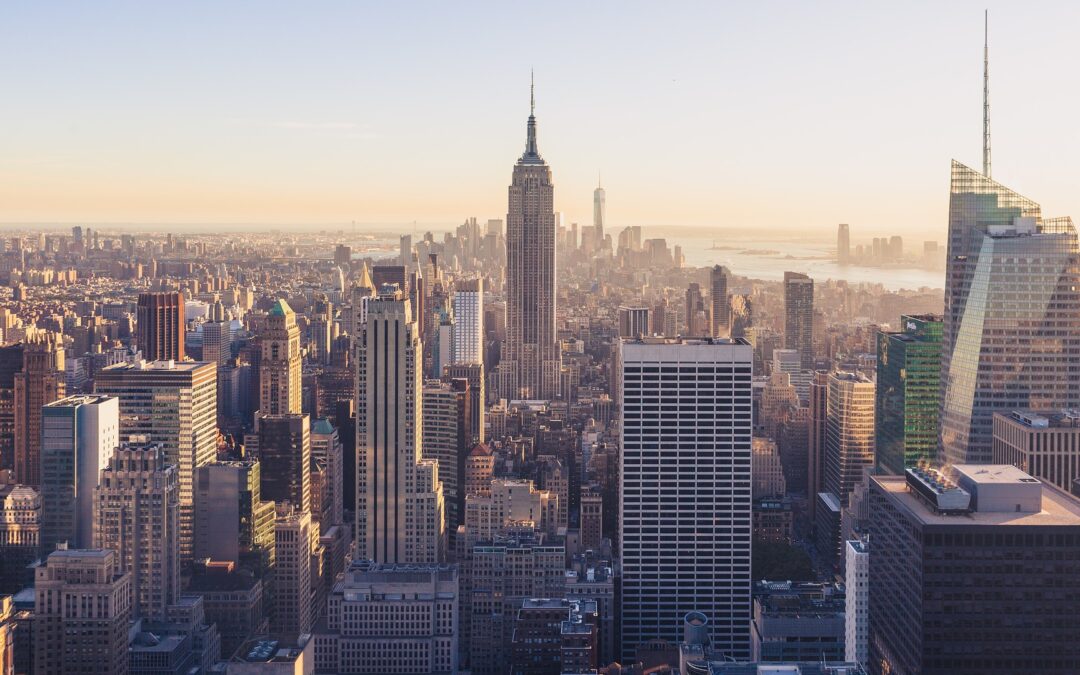
On December 7, 2022, New York City (NYC) passed its latest rule corresponding to the overall goal of reducing building greenhouse gas emissions over the next several decades. Section 103-14 of Chapter 100 of Title 1 of the Rules of the City of New York, herein...
Preparing for FDNY Spray Booth Inspections
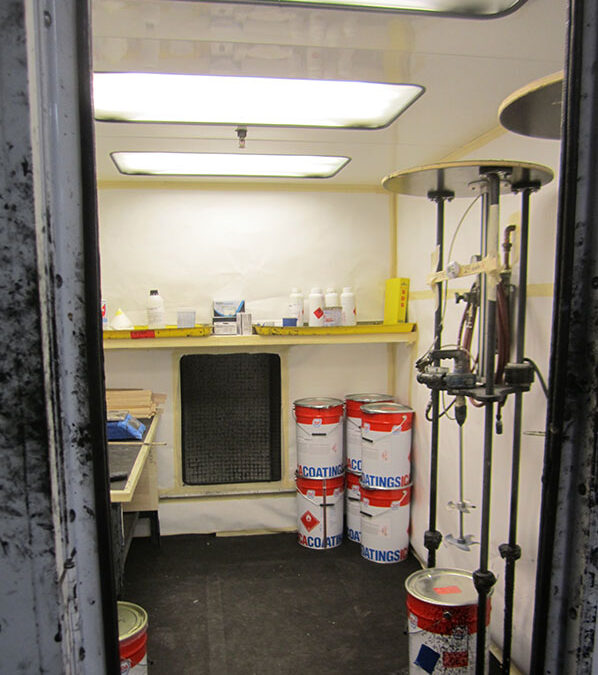
A Fire Department of New York (FDNY) spray booth inspection can occur as scheduled after filing for a FDNY permit. These inspections can also be unexpected if there is a suspected violation. In this second instance, during the inspection, the facility must be prepared...
Complying with NYC LL97—Reduction of Greenhouse Gas (GHG) Emissions for Certain Buildings in NYC
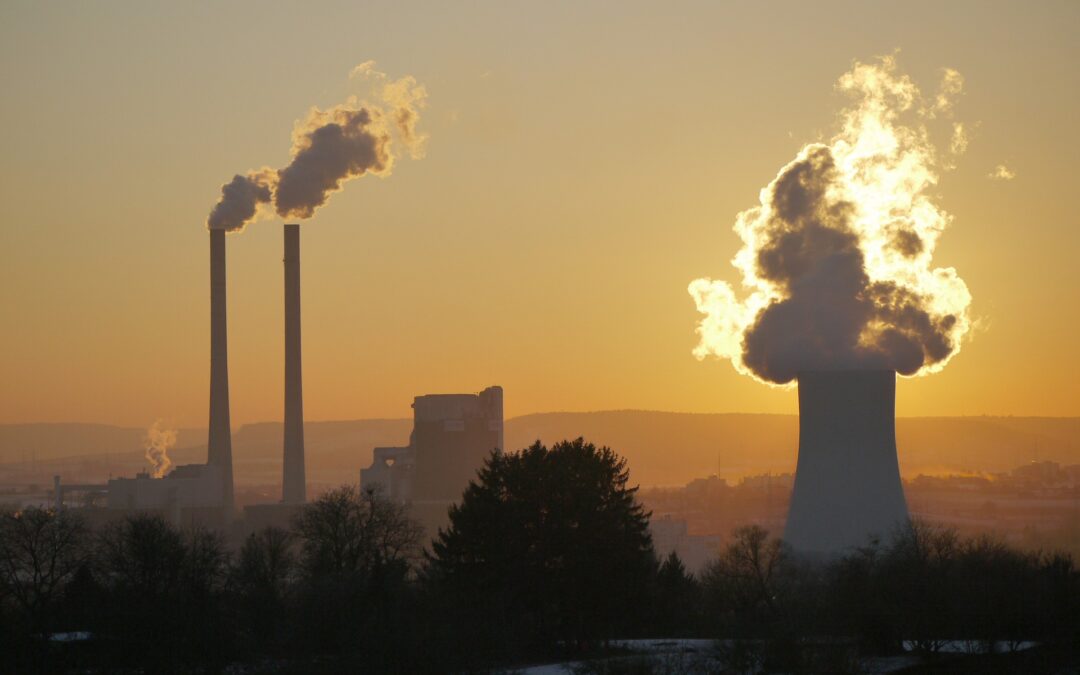
The City of New York enacted Local Law 97 (LL97) in 2019 as a part of the Climate Mobilization Act to reduce carbon emissions from buildings. These carbon capping standards are applicable from 2024 onward and will become more stringent over time, with a goal to reduce...
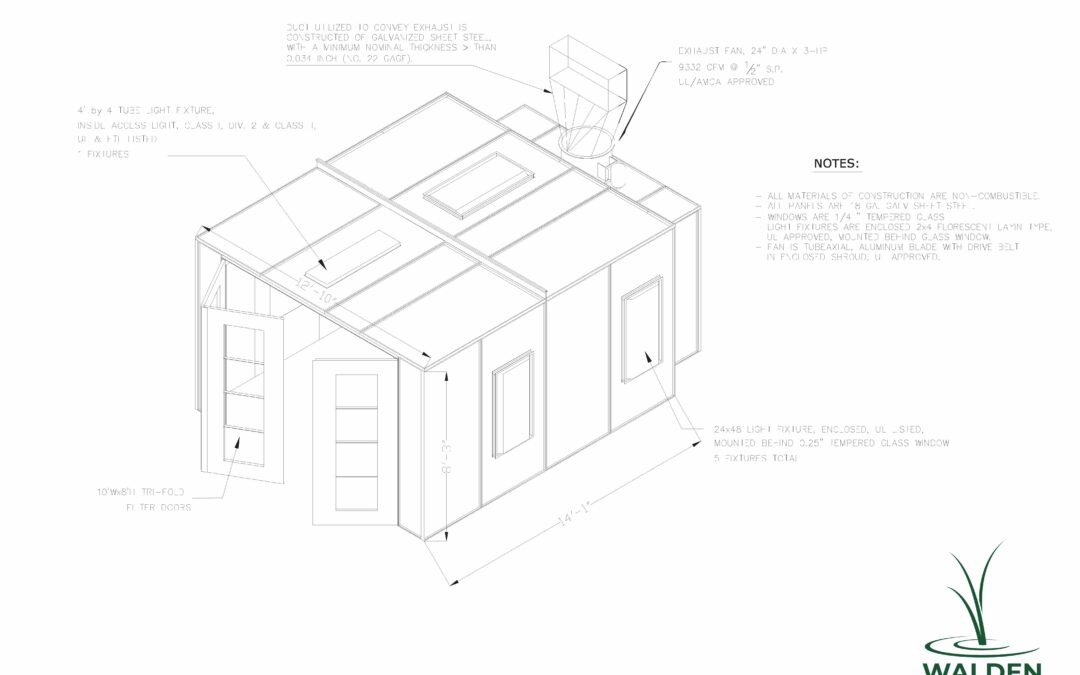
Your Guide to Spray Booths, Part Three: New York State’s Air Code
There are many regulations that apply to spray booths in New York City, but this does not mean that spray booths located outside of the city are exempt from regulations. Regardless of your spray booth’s location, you must ensure that you are in compliance with local,...
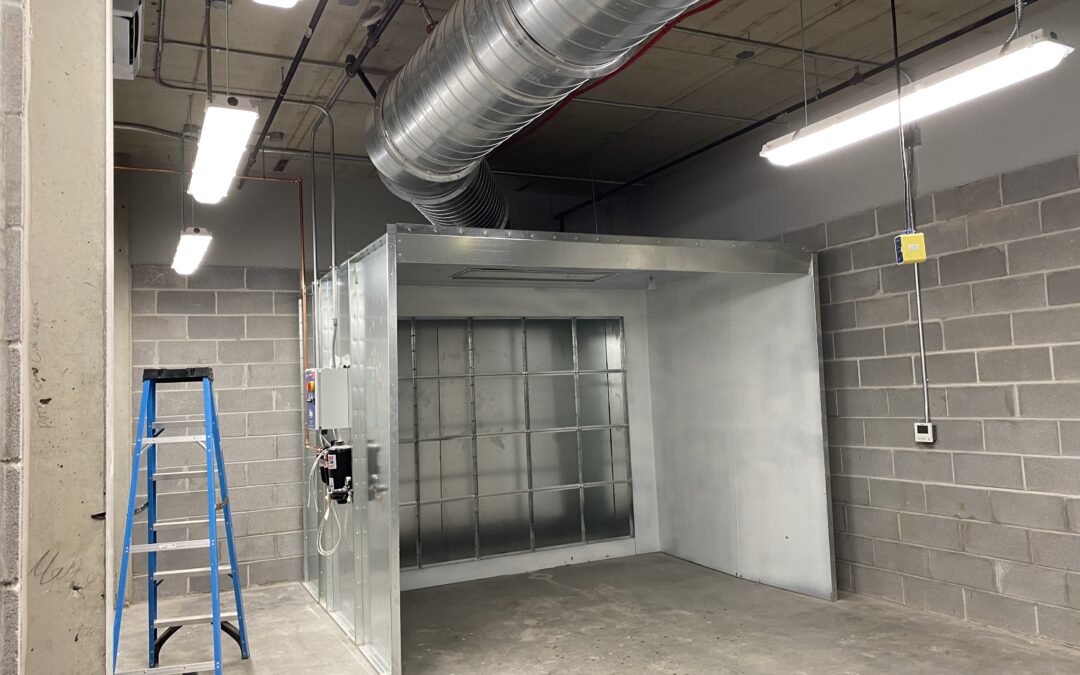
Your Guide to Spray Booths, Part Two: New York City’s Air Pollution Control Code and DOB/FDNY Codes for Spray Booths
It is essential to know that in NYC, several mayoral agencies–and other stakeholders–could be involved in the process of installing a new spray booth and ensuring compliance. For instance, an owner/operator must file an application with the NYC Department of Building...
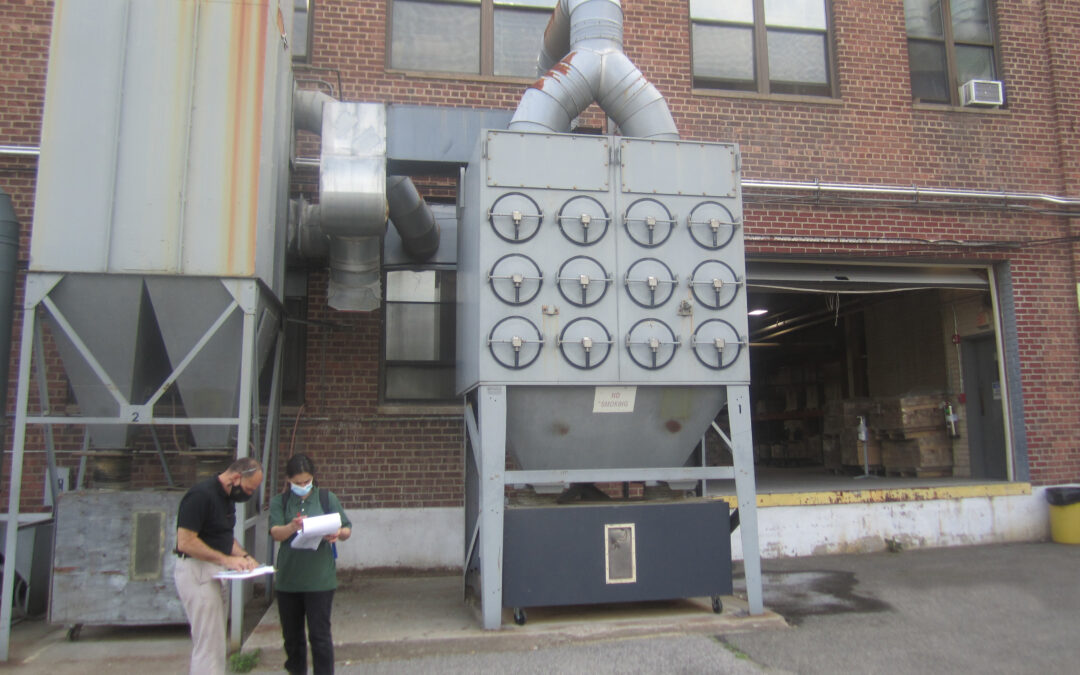
Your Guide to Spray Booths, Part One: Are Your Employees and the Public Protected?
How we benefit from air quality regulations In 2016, New York City adopted the Air Pollution Control Code (NYC Administrative Code, Title 24, Chapter 1) which is enforced by the NYC Department of Environmental Protection (NYCDEP or DEP). The Air Code was written and...
Can You Smell the Fresh Air? — EPA Announces “Clean Air in Buildings Challenge”
On March 17, 2022 the Environmental Protection Agency (EPA) announced the “Clean Air in Buildings Challenge.” The EPA and the White House COVID-19 Response Team consulted with the Centers for Disease Control (CDC), the Department of Energy, and several other Federal...
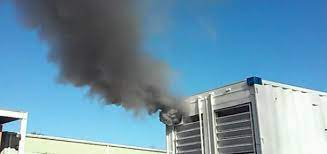
Walden Employees Obtain USEPA Method 9 Air Opacity of Visible Emissions Certification
On March 16, four Walden employees were certified in the United States Environmental Protection Agency (USEPA) Method 9 Air Opacity of Visible Emissions. New employees, Cari Covell and Ritu Chaugule, were obtaining the certification for the first time while Walden...
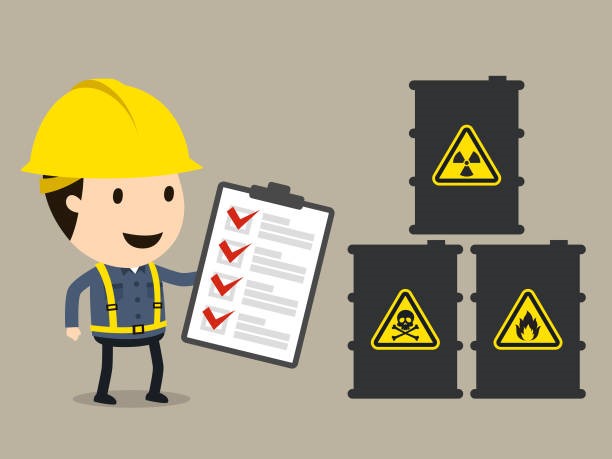
Right-to-Know Filing is Due by March 1st
FRIENDLY REMINDER! It’s time to file New York City (NYC) Department of Environmental Protection (DEP) Community Right to Know (RTK) annual Tier II reports. If you have a facility in NYC storing, handling or using hazardous substances or chemicals, make sure you file...
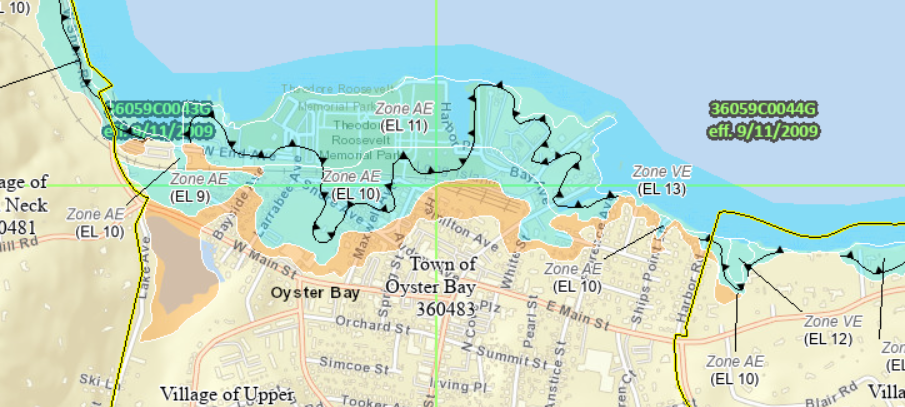
Increased Flood Insurance Rates for Property Owners
For most Long Island homeowners living in flood zones, recent updates to the Federal Flood Insurance Program have dramatically increased flood insurance rates. The revised program has been developed over a number of years, but officially went into effect in October...