
Retail Worker Safety Act Update: NY Releases Model Policy and Training Materials
The New York State Department of Labor (NYS DOL) has officially released the model workplace violence prevention policy and training program required under the Retail Worker Safety Act. Earlier this year, we shared news about the Act’s key requirements, and the added...
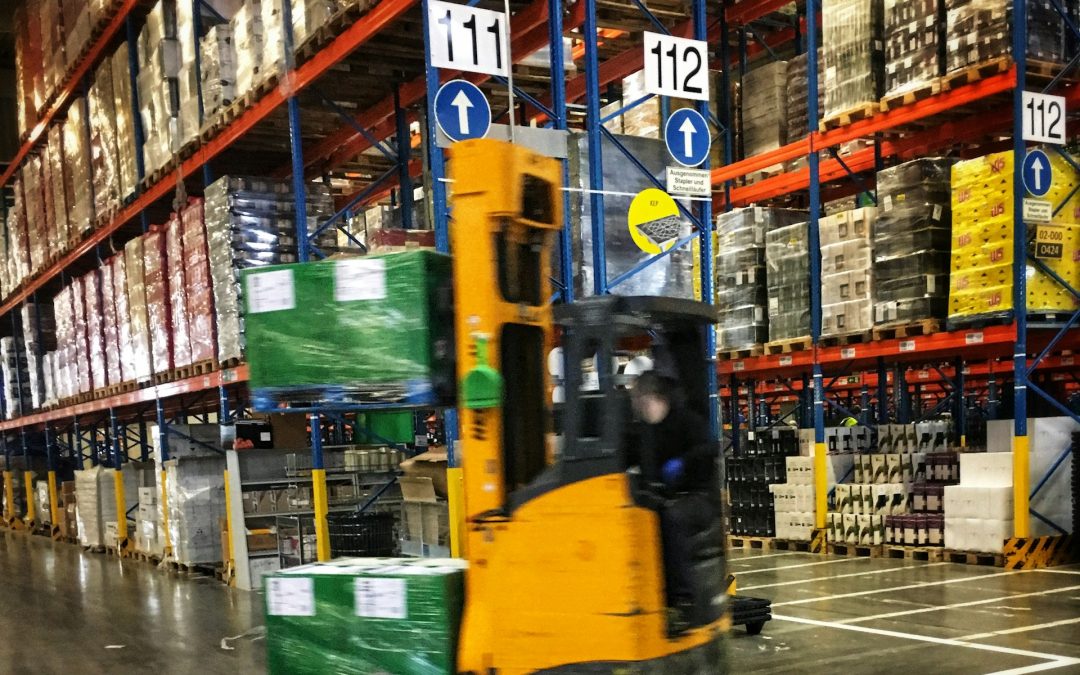
Forklift Training, Certification, and Safety Program Requirements
Forklifts and other powered industrial trucks (PITs) are widely used in many industries, but common use does not equal low risk. These machines can weigh several tons and move at surprising speeds, making even a small mistake potentially life-threatening. That’s why...

EPA Proposes Extended Timeline for Methylene Chloride Compliance in Laboratories
The Environmental Protection Agency (EPA) is proposing a new rule that would give non-federal laboratories more time to comply with the 2024 risk management requirements for methylene chloride (also known as Dichloromethane, DCM, or MEC). These requirements stem from...
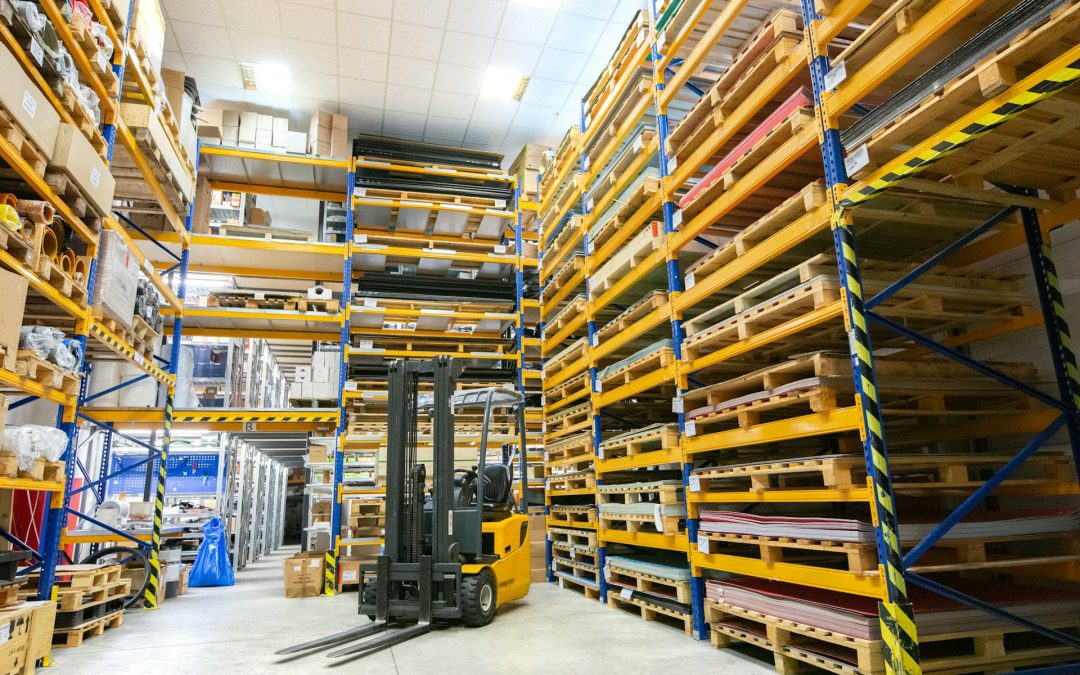
Forklift Attachment and Extension Requirements
Forklifts are among the most widely used powered industrial trucks (PITs) in warehouses, manufacturing facilities, and construction sites. While they’re incredibly versatile machines, safe operation depends on more than just skilled driving. It also requires a clear...
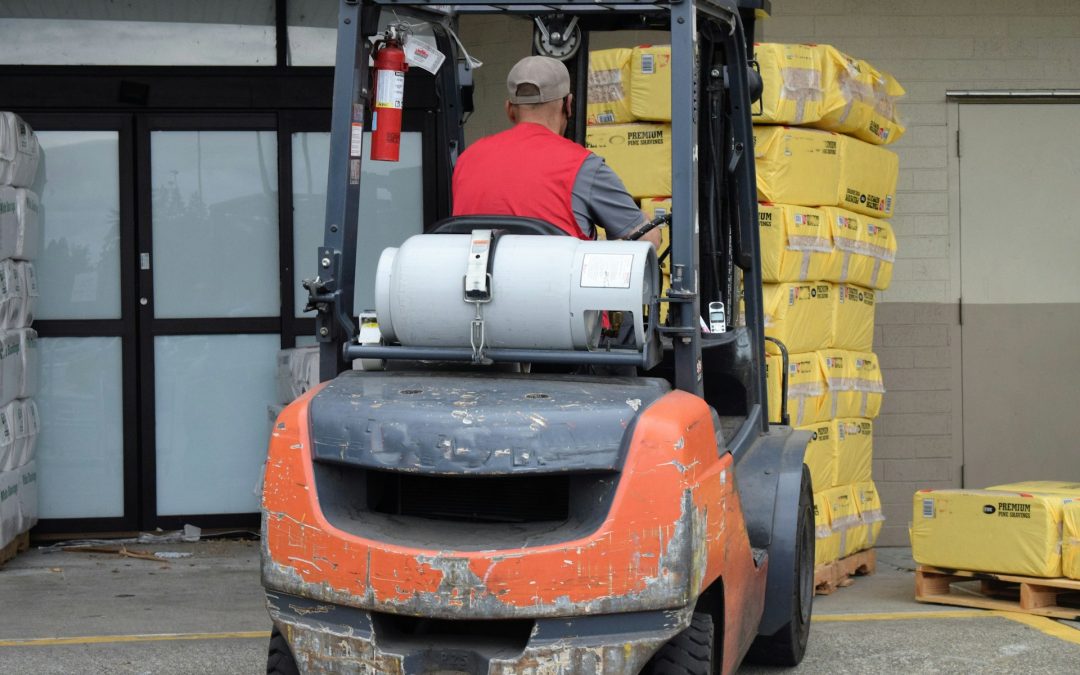
Forklift Inspection and Maintenance
Forklifts are built to do tough work, but they’re not indestructible. Like any piece of heavy equipment, powered industrial trucks (PITs) must be regularly inspected and properly maintained to stay safe and reliable. Daily inspections and scheduled maintenance are...
TRI/Form R Reporting
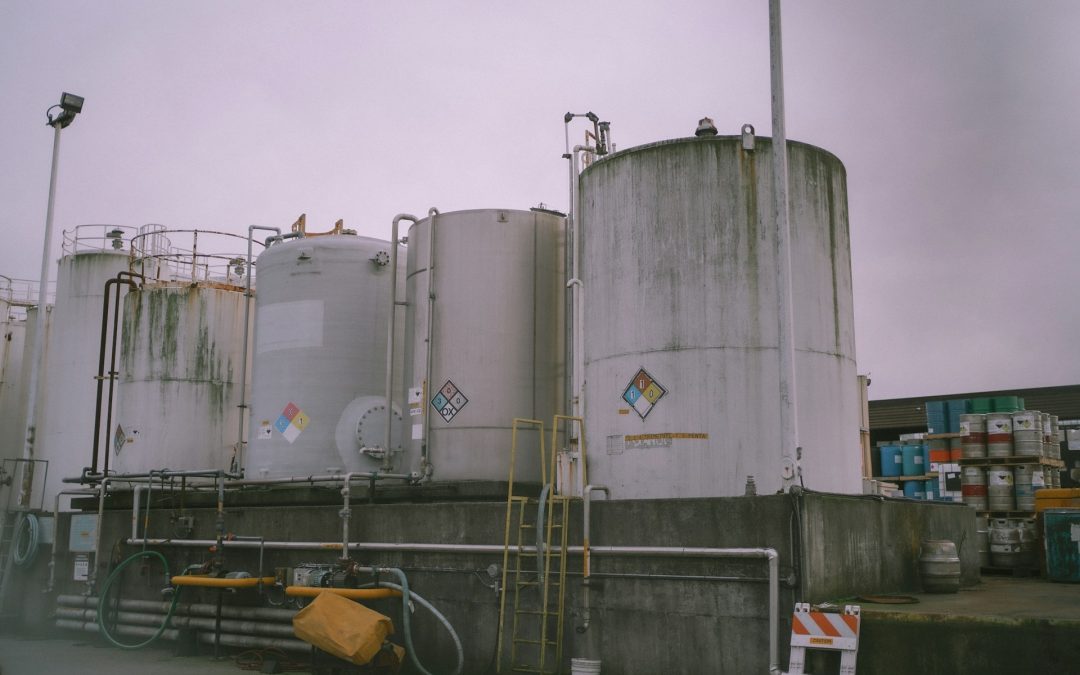
Each year, the Environmental Protection Agency (EPA) requires Toxics Release Inventory (TRI – aka “Form R”) data to be reported from applicable industrial facilities in the United States. The purpose of TRI reporting is to monitor toxic chemical releases into the...
CT DEEP Opens Public Comment Period for Permits
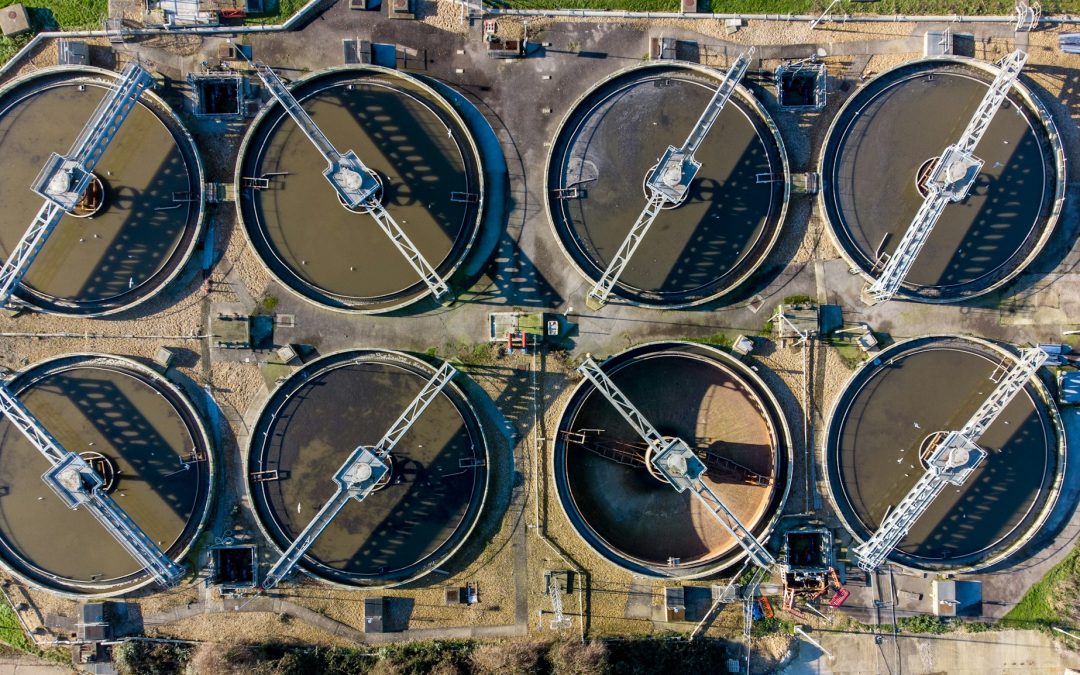
The Connecticut Department of Energy and Environmental Protection (CT DEEP) has announced a new public comment period for two general permits related to wastewater discharges. As of April 28, 2025, CT DEEP has released tentative determinations for reissuing the...
Common Fall Protection Violations and How to Prevent Them
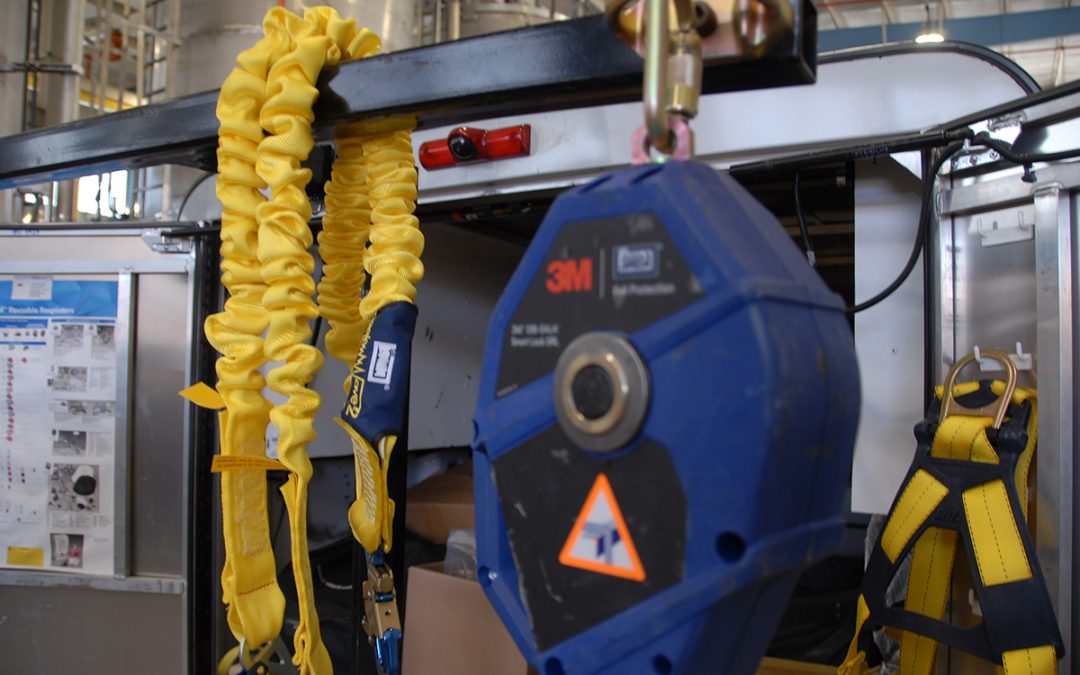
According to the last report of OSHA’s Top 10 Violations, Fall Protection–General Requirements (1926.501) has been the number one most cited violation for over a decade in construction. In general industry, the top two most cited violations pertaining to fall...
Understanding OSHA’s Fall Protection Training Requirements
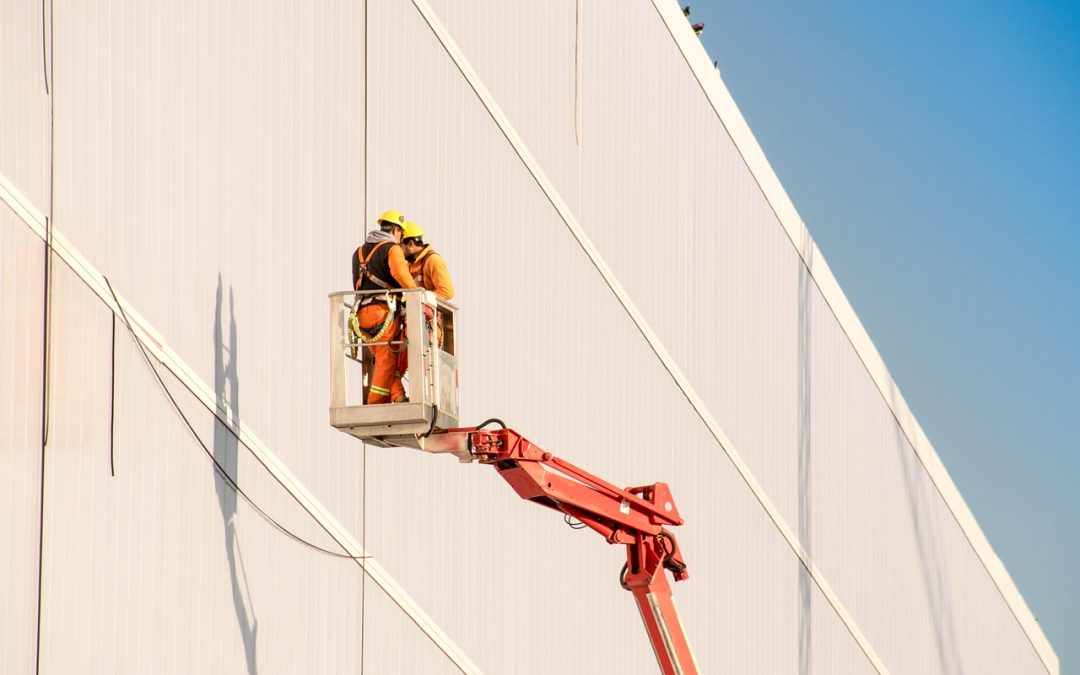
To help prevent fall-related injuries, incidents, and fatalities, the Occupational Safety and Health Administration (OSHA) has established strict training requirements under 29 CFR 1910.30. The standard outlines what employers must do to ensure employees are properly...
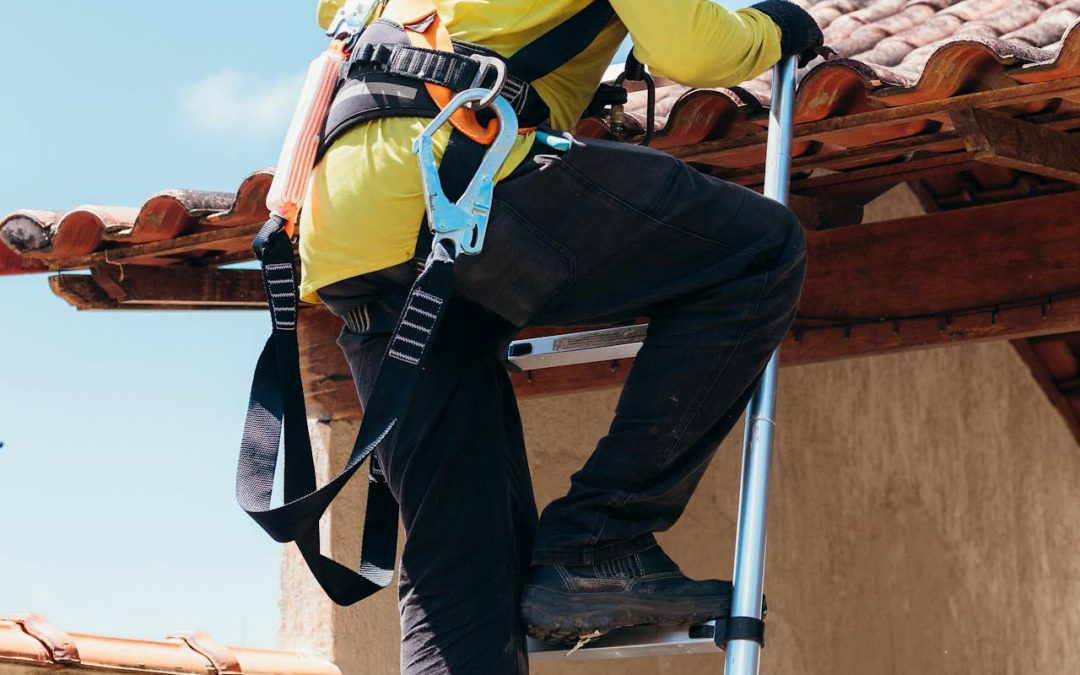
The ABCDs of Fall Protection
Falls are repeatedly among the leading causes of injuries and fatalities in the workplace. To help reduce the number of fall-related incidents, using fall protection when working at elevated heights has become a federal requirement for employees. Many people might not...