
Machine Guarding and Lockout/Tagout in Schools
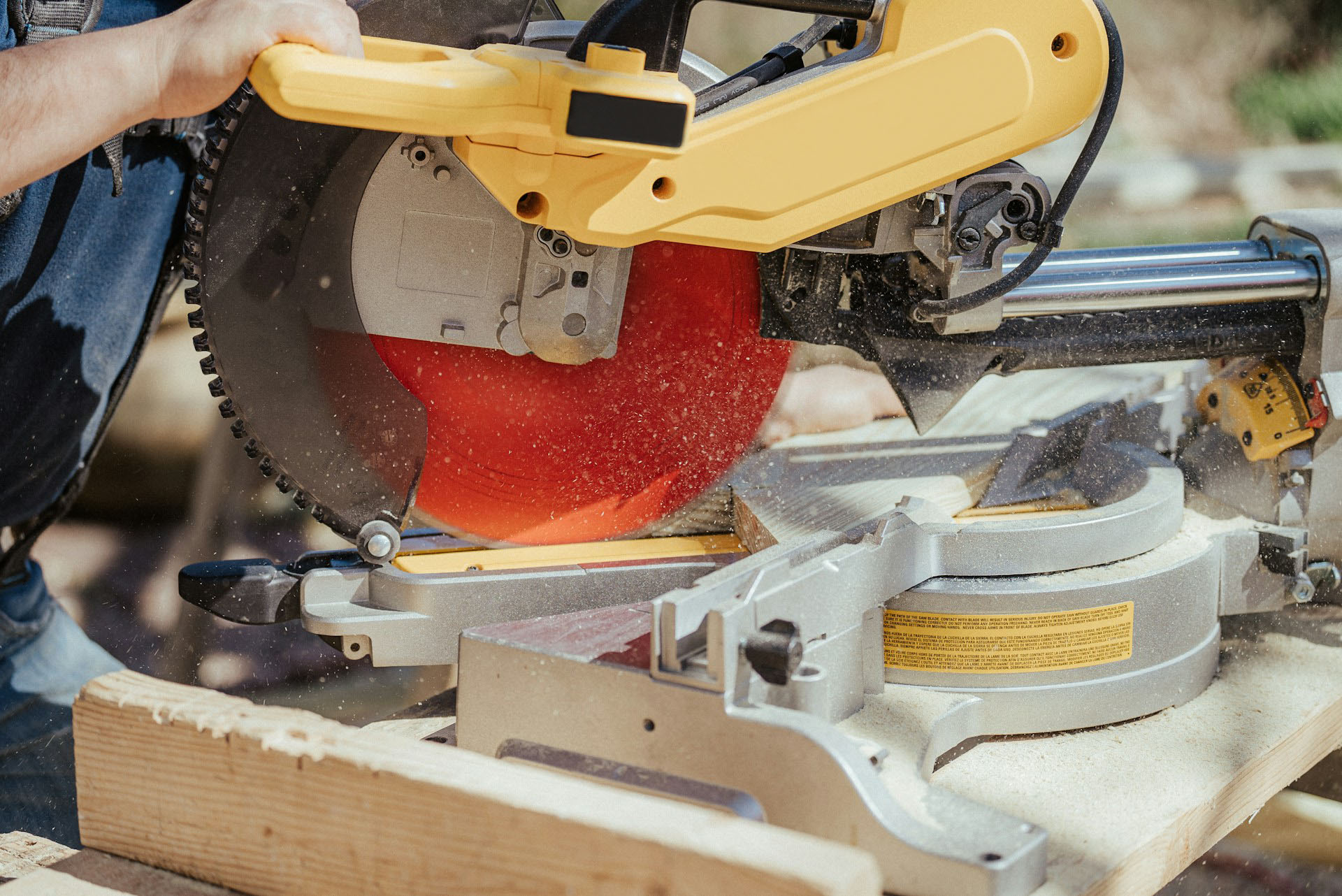 Schools are not usually thought of as industrial workplaces, but many contain the same equipment and hazardous energy sources found in manufacturing facilities.
Wood and metal shops have table saws, drill presses, lathes, sanders, grinders, and milling machines. Automotive programs use vehicle lifts, tire changers, and compressed air equipment. Theater departments may operate rigging systems and powered tools, while culinary programs use mixers, slicers, and other commercial equipment. Behind the scenes, facilities employees maintain HVAC systems, pumps, boilers, conveyors, compactors, and groundskeeping equipment.
Where this equipment can cut, crush, pull in, strike, or unexpectedly start, OSHA’s machine guarding and lockout/tagout requirements may apply.
Industrial Equipment Comes with Industrial Hazards
The fact that equipment is located in a school does not change the hazard or the safety requirements.
The Connecticut Department of Labor’s Division of Occupational Safety and Health (CONN-OSHA) has identified machine guarding and lockout/tagout among the standards that may apply during programmed inspections of Connecticut schools. Its recent guidance for educational facilities specifically notes that inspections may include technical education, buildings and grounds, maintenance, kitchens, and other schoolwide locations.
OSHA requires machinery to be guarded wherever employees could be injured by a point of operation, rotating part, ingoing nip point, flying material, spark, or other mechanical hazard.
In a school, the employees potentially exposed may include teachers, assistants, students, custodians, cafeteria workers, and anyone who operates, cleans, adjusts, or maintains equipment. Although OSHA requirements focus on protecting employees rather than students, equipment used by students may also expose teachers and other school employees during instruction, demonstrations, setup, cleaning, and maintenance.
 Machine Guards Must Be Present and Effective
Machine guards are not optional. Guards are intended to prevent operators from reaching blades, cutting surfaces, rotating shafts, belts, pulleys, gears, chains, and other dangerous moving parts.
Common examples include:
- Blade guards and anti-kickback devices on table saws;
- Shields around drill press and lathe hazards;
- Guards over belts, pulleys, gears, and chains;
- Tongue guards and work rests on bench grinders;
- Covers over mixer or food processing equipment;
- Barriers around vehicle lifts and other moving equipment; and
- Interlocked guards that stop equipment when opened.
Problems often arise when guards are removed because they interfere with a particular task, become damaged, or are never replaced after maintenance. In other cases, older equipment may have been purchased or donated without the guards needed for its current use.
A warning label, employee training, or instruction to “be careful” is not a substitute for required physical guarding. Guards must also be secure and should not create hazards of their own.
Common Citations: Missing or damaged guards, exposed blades or rotating components, improperly adjusted guards, defeated interlocks, exposed belts or pulleys, unguarded points of operation, and machinery that is not securely anchored.
 Lockout Tagout: Turning Equipment Off Is Not Enough
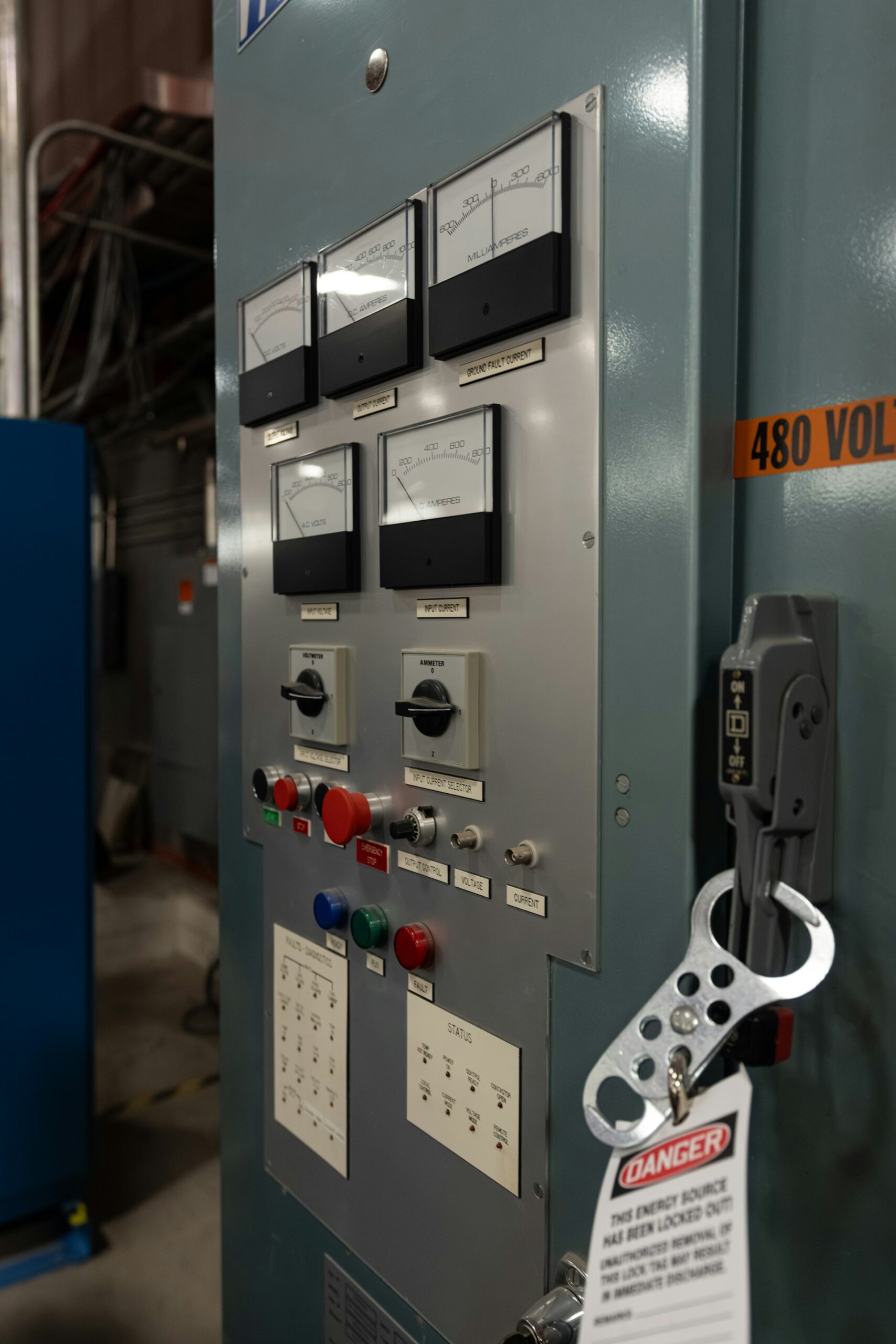
Machine guarding protects employees during normal operation. Lockout/tagout (LOTO) protects employees during servicing and maintenance, when guards may be removed or employees may place part of their bodies inside a danger zone.
Turning a machine off at its control switch does not necessarily control hazardous energy. Someone could restart it, a component could move, or stored energy could be released.
Hazardous energy is not limited to electricity. It may include:
- Mechanical movement;
- Hydraulic or pneumatic pressure;
- Steam or thermal energy;
- Pressurized water, air, or gas;
- Springs or other stored mechanical energy; and
- Gravity, including raised equipment or components that could fall.
Before servicing or maintenance begins, the equipment must be shut down, isolated from its energy sources, locked or tagged as required, and verified to be in a zero-energy state.
Common Citations: Failure to shut down and isolate all energy sources, using a control switch instead of an energy isolating device, missing or improper locks and tags, failure to relieve or restrain stored energy, and failure to verify zero-energy state.
 LOTO Programs, Procedures, and Inspections
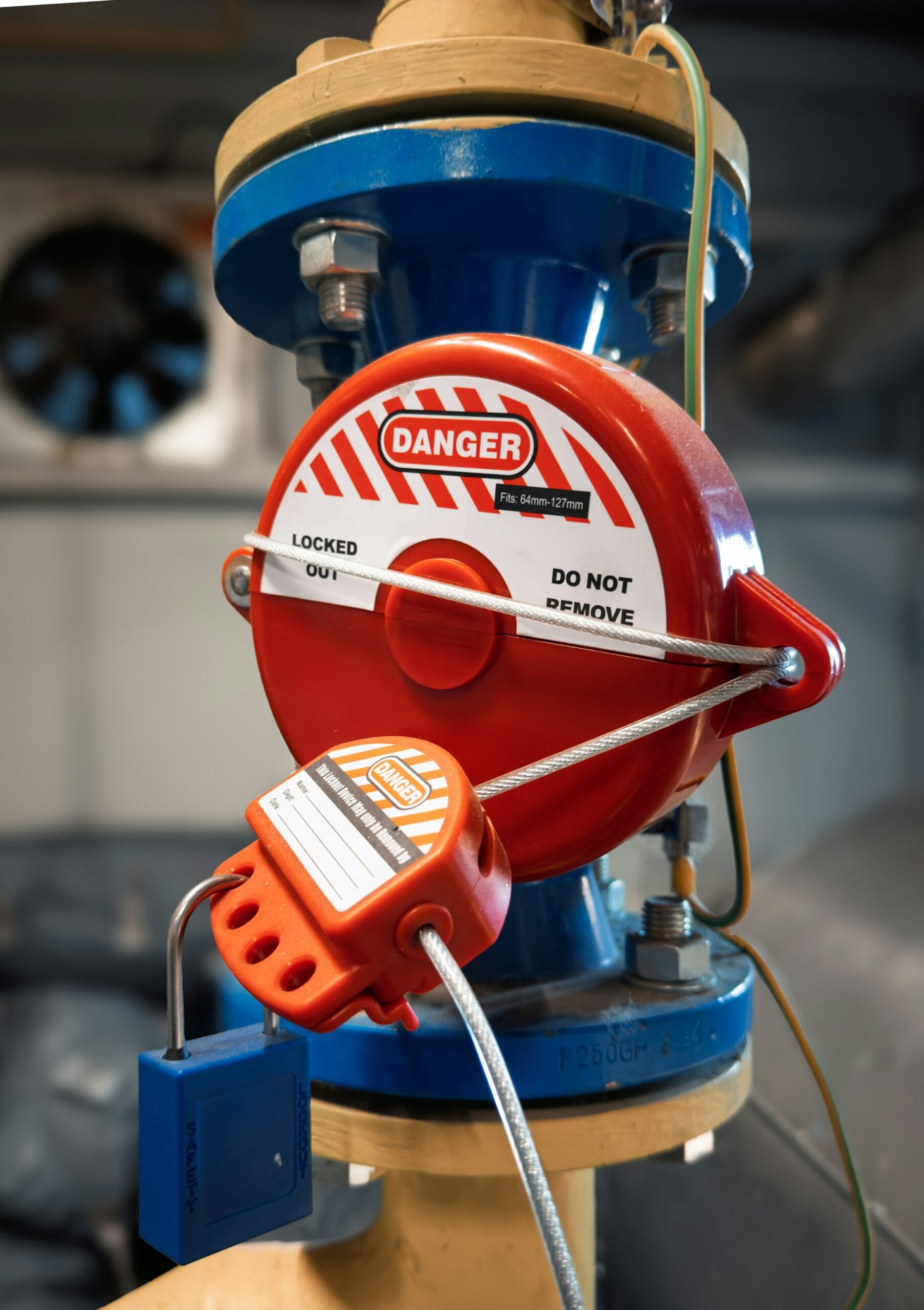
Schools that authorize employees to perform lockout/tagout must implement an energy control program (ECP) consisting of energy control procedures, employee training, and periodic inspections.
A general policy telling employees to “turn off and lock out equipment” does not explain:
- Which energy sources must be controlled;
- Where the disconnects and isolation devices are located;
- The steps required to shut down and isolate the equipment;
- How stored energy will be relieved or restrained;
- How employees will verify that isolation is effective; or
- How equipment will be safely returned to service.
Schools should take an inventory of equipment that may require lockout/tagout and develop procedures that reflect the actual equipment and tasks performed. A procedure for a hydraulic lift should not be identical to the procedure for an HVAC system.
Furthermore, OSHA requires each energy control procedure to be inspected at least annually. This is more than reviewing the written program from an office. The inspection must evaluate whether the procedure is adequate and whether employees understand and follow it correctly.
Schools should also coordinate LOTO activities with outside contractors. The school and contractor must inform one another of their respective energy control procedures, and school employees must understand the restrictions and requirements that will apply during the contractor’s work.
Using a contractor for major repairs does not eliminate the need for school employees to understand how the work may affect equipment, operations, and employees within the building.
Common Citations: Missing energy control programs, generic procedures that do not identify equipment-specific energy sources, failure to apply locks or tags, failure to verify isolation, and employees performing covered work without an established procedure.
The Different Levels of Employee Training
OSHA distinguishes among authorized, affected, and other employees.
An authorized employee applies lockout or tagout devices and performs covered servicing or maintenance. An affected employee operates or uses the equipment being serviced or works in the area where the servicing occurs. Other employees may work in areas where LOTO is used and need to understand that they may not remove locks, restart equipment, or interfere with the procedure.
A facilities employee who locks out a table saw is considered an authorized employee. A teacher whose equipment is being serviced is considered an affected employee. An employee’s role can also change depending on the task.
Training should reflect those responsibilities. Simply showing all employees the same general awareness video will not prepare an authorized employee to identify energy sources, isolate equipment, control stored energy, and verify that a machine is safe to service.
Common Citations: Inadequate training for authorized employees, affected or other employees who do not understand their responsibilities, lack of training documentation, failure to provide retraining after equipment or procedure changes, and employees attempting to restart or interfere with locked out equipment.
How Walden Can Help
Machine guarding and lockout/tagout hazards can be easy to overlook when equipment has been used the same way for years. However, a missing guard, undocumented energy source, or informal maintenance practice can result in a serious injury and significant costs.
Walden’s EHS specialists can help inspect equipment throughout your school, identify machine guarding deficiencies, determine where lockout/tagout may apply, develop equipment-specific energy control procedures, and provide training for authorized and affected employees. Contact us today at 860-846-4069.