by Amanda Chatfield | Jan 7, 2026 | Regulatory Compliance, EH&S Outsourcing, Current Events, Environmental Consulting, Environmental Health and Safety, Permitting and Compliance, Regulatory Updates, Water Quality
CT DEEP Issues Notice of Tentative Determination to Renew the Comprehensive General Permit The Connecticut Department of Energy and Environmental Protection (CT DEEP) has issued a Notice of Tentative Determination to renew the Comprehensive General Permit for...

by Amanda Chatfield | Jan 2, 2026 | EH&S Outsourcing, Regulatory Compliance, Environmental Health and Safety
Bloodborne Pathogens in Manufacturing Environments When most people think of bloodborne pathogen (BBP) exposure, they picture hospitals or medical labs, but the risk extends far beyond healthcare. Exposure to BBPs can happen pretty much anywhere. Manufacturing...
by Jacub Celestine | Dec 29, 2025 | Environmental Consulting, Utility Valuations, Rate Studies, and Financing, Water Quality
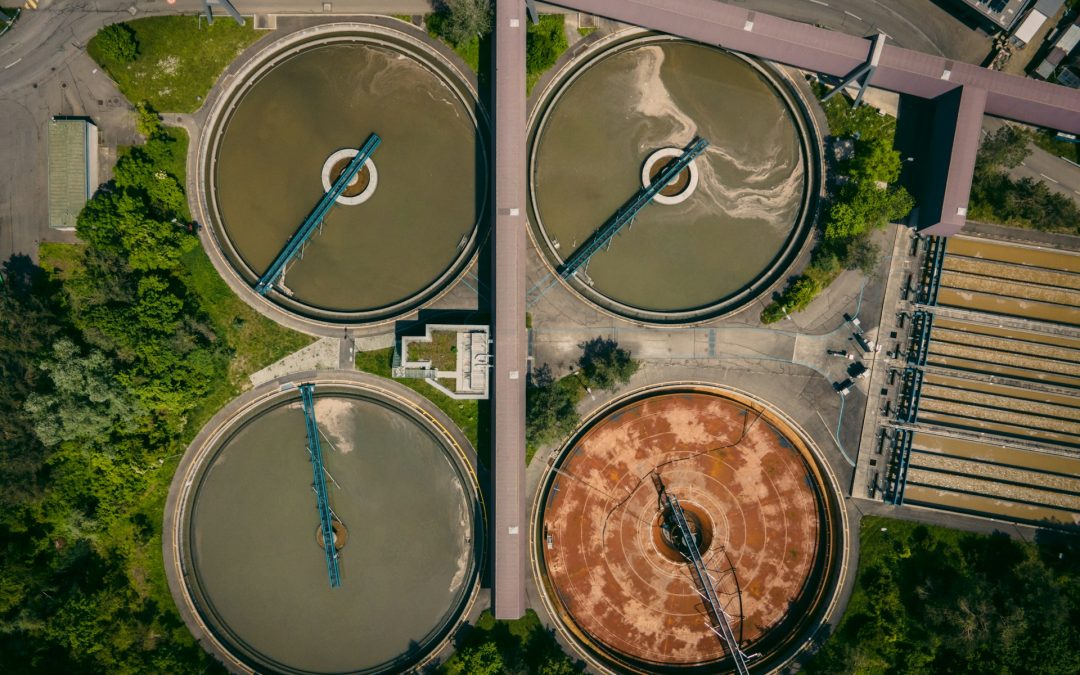
Walden Assists Municipalities with Risk Analysis Component of the NYS Asset Management Program New York State Asset Management Program for Publicly Owned Treatment Works Walden is continuing work on Asset Management Projects (AMPs) for municipalities throughout the...

by Amanda Chatfield | Dec 24, 2025 | EH&S Outsourcing, Regulatory Compliance, Environmental Health and Safety
Bloodborne Pathogens in the Workplace If you work in the medical field, it’s almost guaranteed that you have heard of bloodborne pathogens (BBPs). BBPs are infectious microorganisms present in blood and (sometimes) other bodily fluids that can cause diseases in...

by Jacub Celestine | Dec 23, 2025 | Environmental Consulting, Utility Valuations, Rate Studies, and Financing, Water Quality
Walden Helps Municipalities Develop Capital Improvement Plan and Rate Analysis Toolboxes for the NYS Asset Management Program NYS Asset Management Program for Publicly Owned Treatment Works Walden has been working with two New York State (NYS) municipalities as part...

by David Garner | Dec 19, 2025 | EH&S Outsourcing, Education, Environmental Health and Safety
Industrial Athletes: The Importance of Stretch and Flex Think about some of the athletes that you have seen throughout your life. The one thing that they all have in common is that they stretch and flex before workouts, practice, and competitions. The work that we do...
by Ricky Frantellizzi | Dec 16, 2025 | Regulatory Compliance, Brownfield Developments, Construction Industry Services, Current Events, Engineering Services, Environmental Consulting, Permitting and Compliance, Regulatory Updates, Site Planning and Development
CT DEEP Issues a New General Permit for Its Remediation Program On October 20, 2025, the Connecticut Department of Energy and Environmental Protection (CT DEEP) issued a new general permit for its environmental remediation program. The new general permit allows for...
by Ethan Lo | Dec 11, 2025 | Regulatory Compliance, Air Quality, Environmental Consulting, Environmental Health and Safety, Permitting and Compliance, Recycling, Solid Waste Permitting
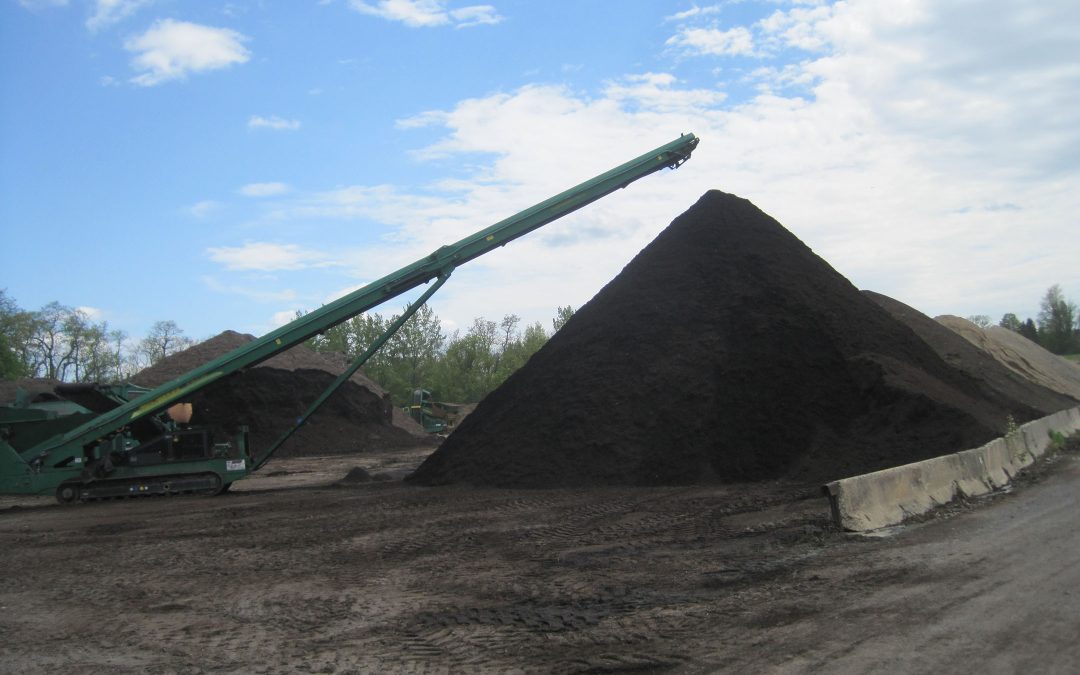
The Importance of Odor Control for Composting Facilities What Causes Foul Odors When Composting? If not managed properly, organic material that is undergoing the composting process can produce unpleasant odors. The mishandling of compost piles can create an anaerobic...
by Amanda Chatfield | Dec 9, 2025 | EH&S Outsourcing, Regulatory Compliance, Current Events, Environmental Health and Safety, Regulatory Updates
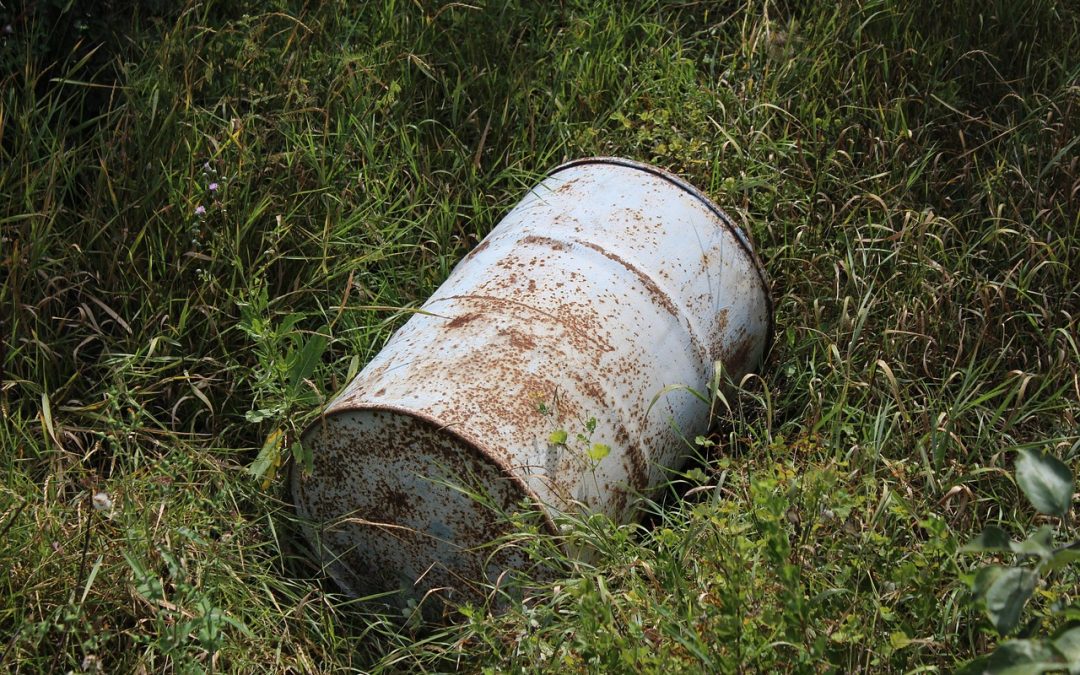
EPA Reconsiders the TSCA Risk Management Rule for Perchloroethylene (PCE) The Environmental Protection Agency (EPA) has released an important update regarding its ongoing reconsideration of the 2024 Perchloroethylene (PCE) Risk Management Rule under the Toxic...

by Terrance Rowley | Dec 4, 2025 | Regulatory Compliance, EH&S Outsourcing, Construction Industry Services, Environmental Health and Safety
Industrial Slings: Purpose, Safe Use, and Proper Application Slings are the most often used under-the-hook lifting devices. They are attached to and hang below the hook on cranes and hoists. Their purpose is to facilitate the lifting, lowering, and movement of...