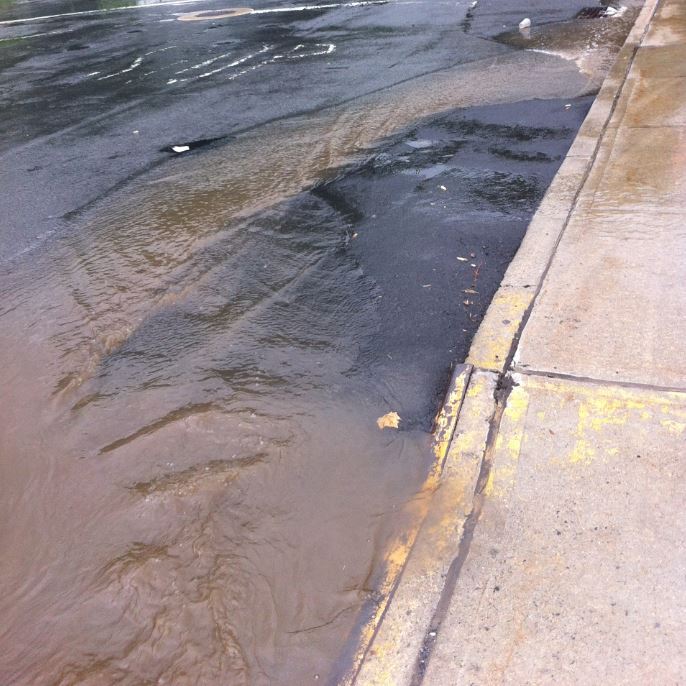
The Role of a Qualified Erosion and Sediment Control (E&SC) Inspector at Your Construction Site
Although it might not be immediately obvious, stormwater runoff from construction sites poses a serious environmental risk. When rain flows over unvegetated land, it flows quickly. Higher flow velocities enable runoff to carry sediment, litter, and other pollutants...
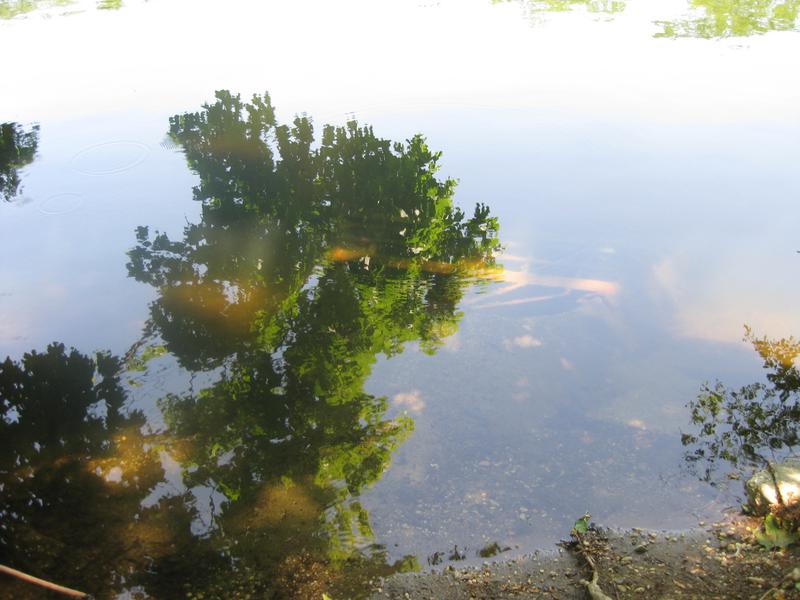
Freshwater Wetlands Protection and What It Means to You and the Environment
Whether you’re walking along a path or driving down the road, you may notice areas where the trees and plants are unlike the vegetation growing in most of the surrounding areas. When you look more closely, you will likely realize that these areas are located next to...
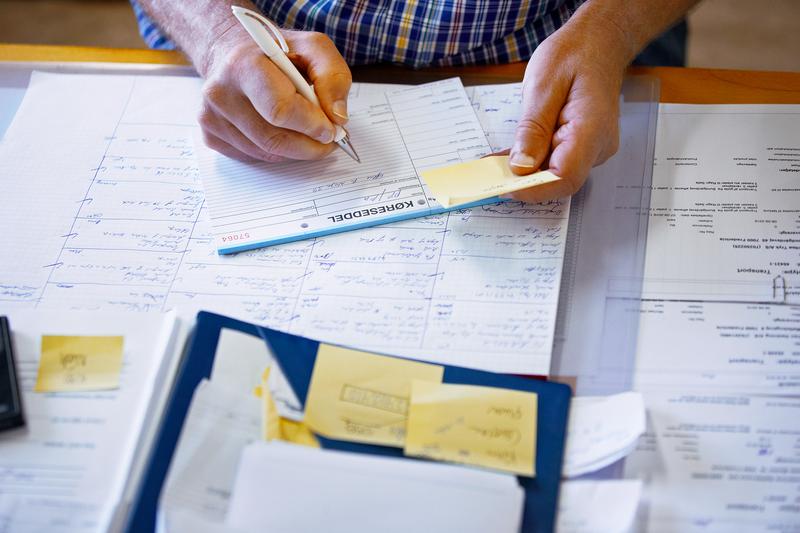
New York State Grants Available for Clean Water and Drinking Water Infrastructure Improvement Projects
As municipalities across the country are assessing and investing in improvements to aging water treatment and supply systems, New York State recently passed the Clean Water Infrastructure Act of 2017, allocating at least $1 billion in funding to water infrastructure...
Sampling PFOAs and PFOS: What you should know
Poly- and Perfluoroalkyl substances (PFOA’s and PFOS's) have been all over the news lately, but you may be asking yourself “why?”. Well, the United States Environmental Protection Agency(USEPA) Health Advisory Levels established in 2009 for Perfluorooctane Sulfonate...
The Origins of 1,4-Dioxane: How Did It Get Into Long Island’s Drinking Water?
Long Island’s groundwater has recently been reported to contain elevated levels of 1,4-dioxane. As discussed in Walden’s recent blog, “How will the 1,4-Dioxane in my Drinking Water Affect my Health?", 1,4-dioxane, a probable cancer causing chemical, has been detected...
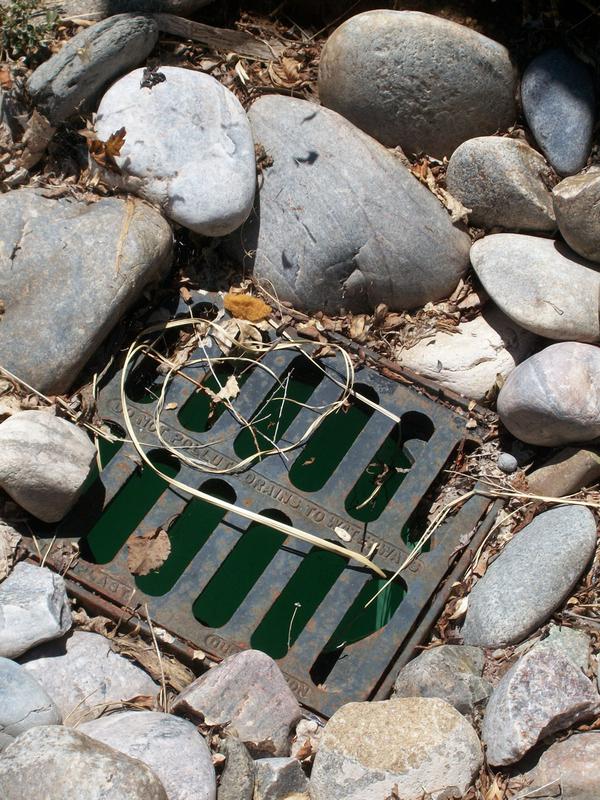
What Does Stormwater Discharge Compliance Look Like in New York State?
Stormwater runoff occurs naturally from rainfall or snow storms, which flows over any land surface and does not percolate into the ground. However, human activities such as construction work, and urbanization can change the natural flow pattern and can...
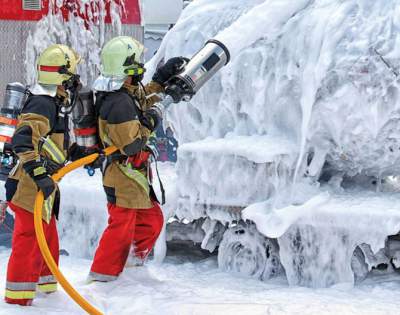
How Will the Adoption of Amendments to 6 NYCRR Part 597 Affect You?
On April 25, 2016, Chemical Bulk Storage (CBS) registration requirements at new facilities became mandatory for perfluorooctanoic acid (PFOA-acid), ammonium perfluorooctanoate (PFOA-salt), perfluorooctane sulfonic acid (PFOS-acid), and perfluorooctane sulfonate...
An Eco-Friendly Approach to Coastal Resiliency
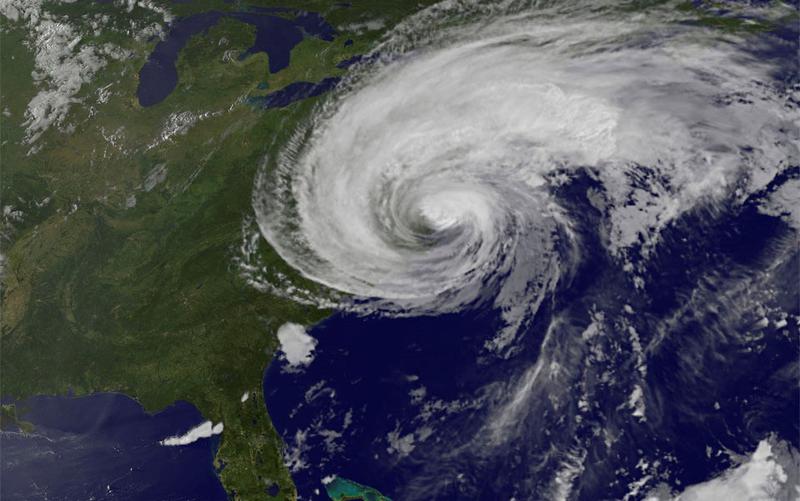
20:00, October 29, 2012: The eighteenth named storm of the year, Hurricane Sandy made landfall on the coastline of southern New Jersey. This shift left Long Island and the New York metropolitan area directly in the path of the stronger, eastern side of the Category 2,...
Year End Regulatory Updates Part 2
Mold Program Update On January 1, 2016 New York State Article 32 of Labor Law went into effect. Before Article 32, there were no controls on contractors performing mold-related services. Some contractors were therefore able to take advantage of their customers by...
Year End Regulatory Updates Part 1
Proposed Part 360 Regulations In early 2016, the NYSDEC proposed significant changes to New York State regulations regarding previously unregulated facilities, activities, and waste streams within the existing Part 360 solid waste management program. The proposed...