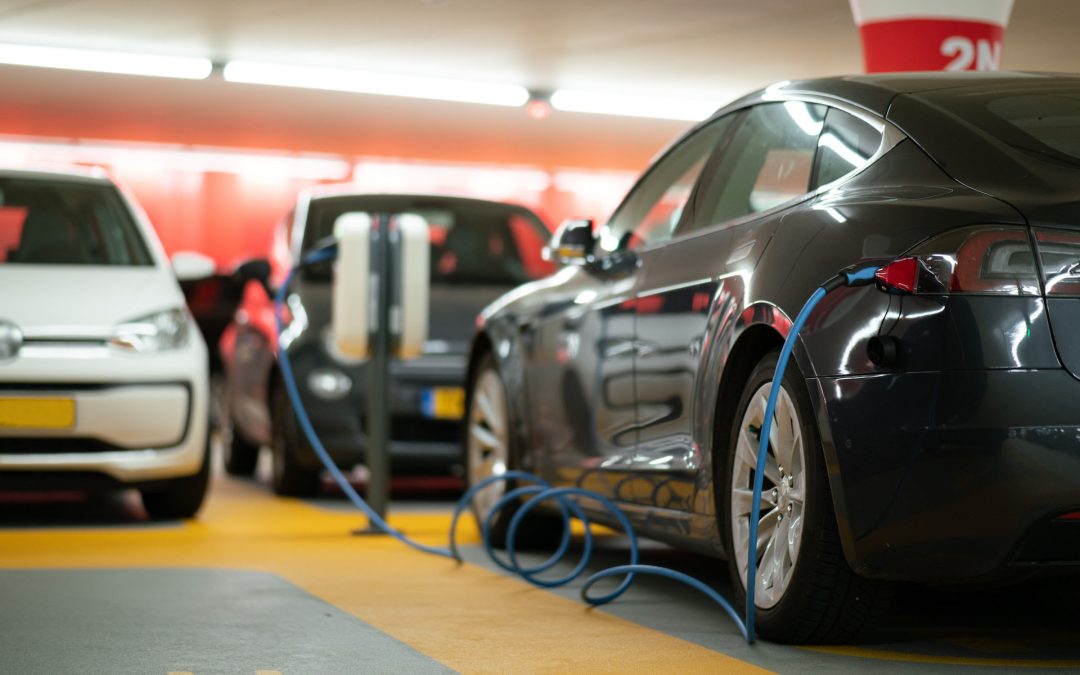
NYS CLCPA’s Expected Effects on Transportation
The Climate Leadership and Community Protection Act (CLCPA) was passed in New York State in 2019 with the goals of reducing greenhouse gas emissions and facilitating the transition to clean energy. In order to meet the goals of the CLCPA, many changes will need to be...
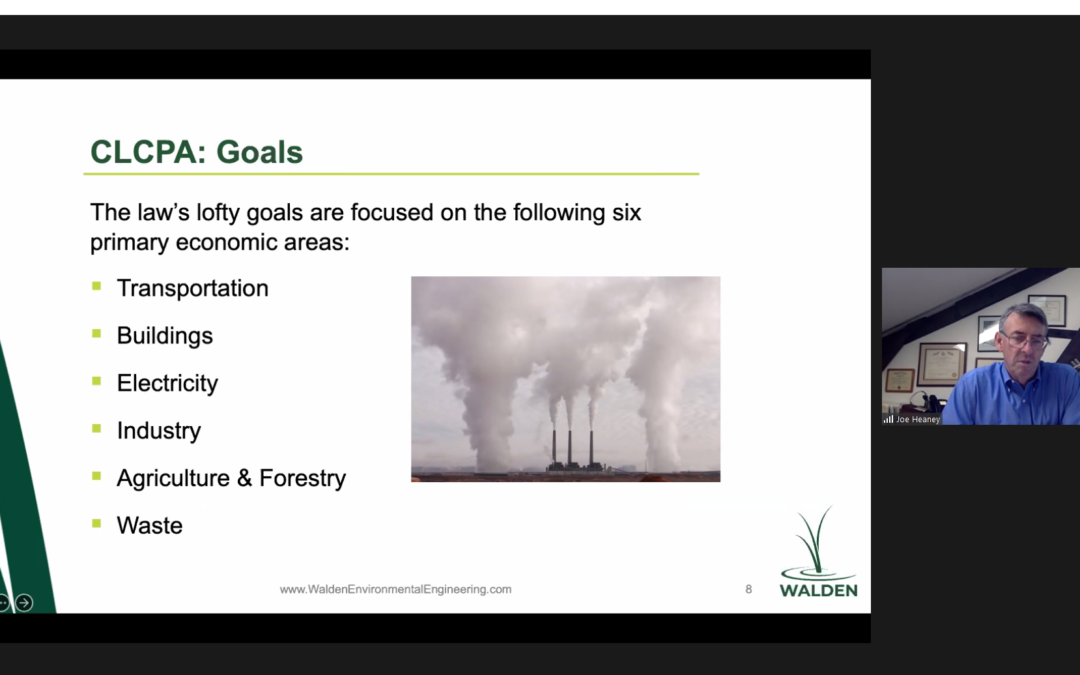
Walden Conducts CLCPA and LL97 Talk for GNYADA Members
On October 5, 2023 at 11:00 AM, Walden’s President, Joseph Heaney III, P.E. conducted a webinar for members of the Greater New York Automobile Dealers Association (GNYADA). In his presentation, Heaney spoke about New York State’s Climate Leadership and Community...
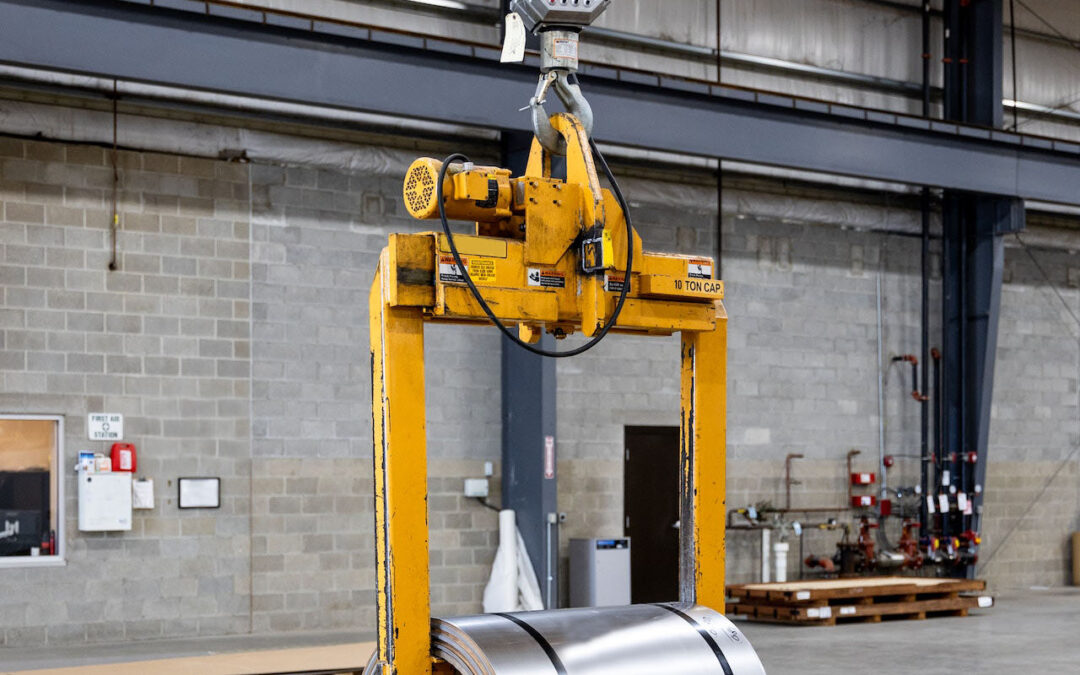
Understanding Safety and Design Requirements of Below-the-Hook Lifters
What is a below-the-hook lifting device? A below-the-hook lifting device (BTHLD) is “a device used for attaching a load to a hoist” (ASME-B30.20). BTHLDs are also called “lifters” and “lifting devices.” What is not a BTHLD? Shackles, links, rings, swivels,...
Walden Employees Complete “Smoke School”
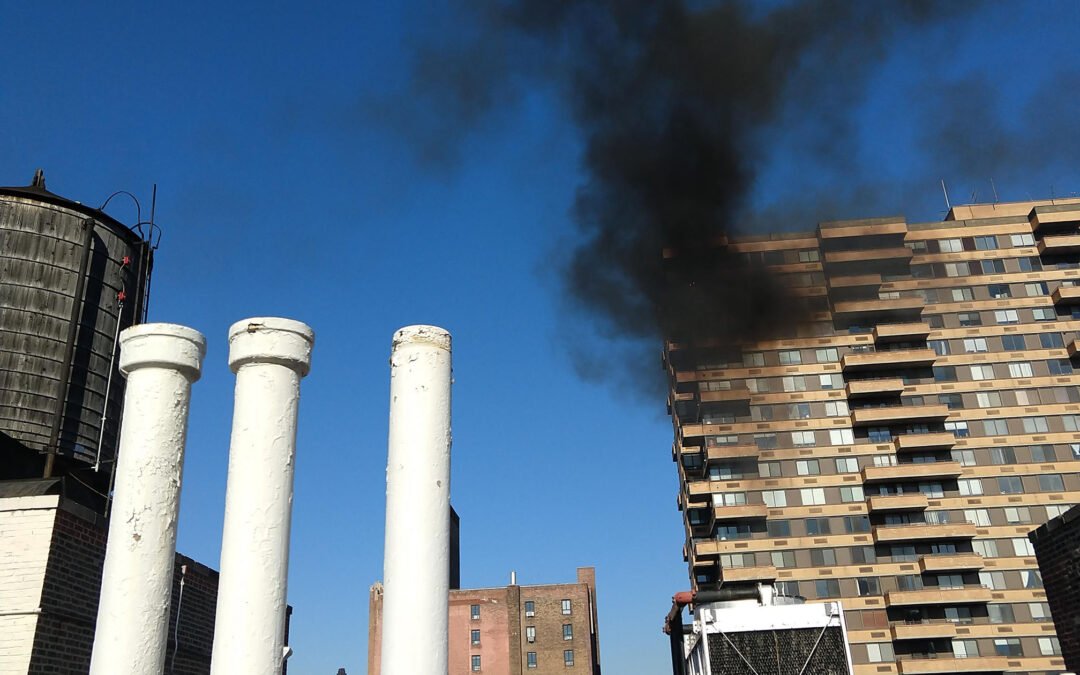
On September 13, four of Walden’s employees attended “smoke school” to certify or recertify in the United States Environmental Protection Agency (USEPA) Method 9 Air Opacity of Visible Emissions. Those who attended and were recertified include Ethan Lo, Cari Covell,...
Diesel Not Recommended as a Solvent
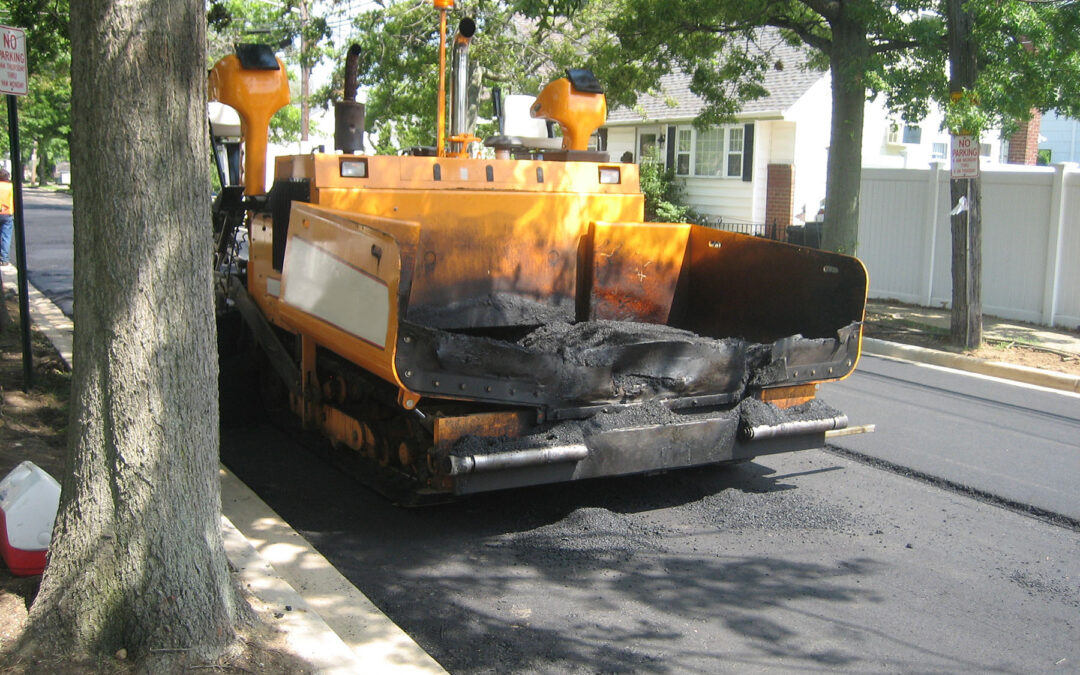
People often ask if they can use diesel fuel (diesel) as a solvent or cleaner. The answer is unequivocally, no! Using diesel as a solvent to clean off asphalt and tar from trucks and equipment has long been a practice on construction job sites. It is even something...
Universal Waste Rule: Know All the Changes on Aerosol Cans and Paint in NYS
On July 8, 2023, new rules affecting the handling and disposal of universal waste aerosol spray cans and waste paint changed in New York. The new rules are based on EPA 40 CFR part 273. Other states like California, Colorado, Minnesota, New Mexico, Ohio, and Utah have...

OSHA’s New Recordkeeping Requirements
You may be familiar with the OSHA requirement for certain employers to submit the OSHA Form 300A Summary of Work-Related Injuries and Illnesses electronically on an annual basis. If not, here is a quick summary of the requirements: Employers with over 250 employees...
NYSDEC Releases Revised Petroleum and Chemical Bulk Storage Regulations
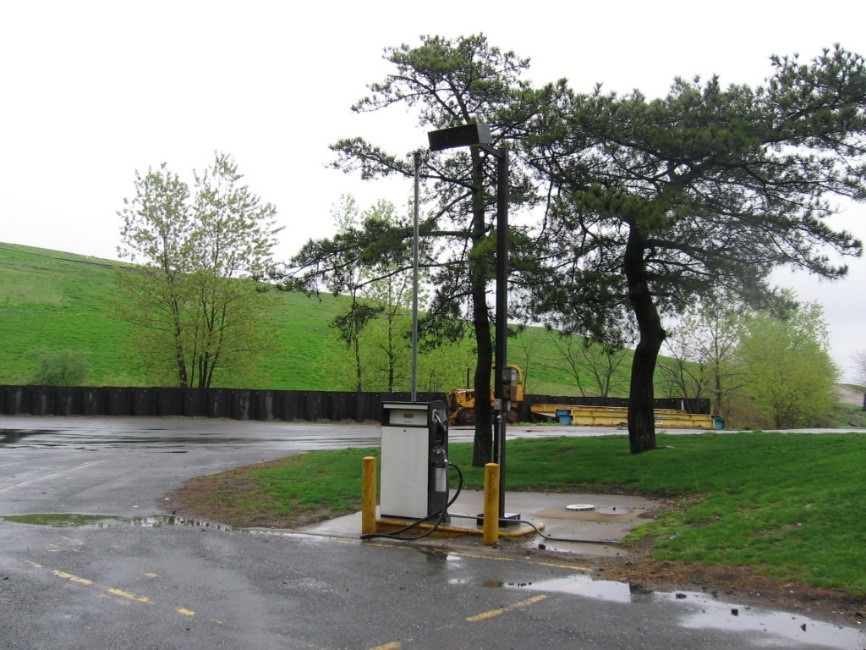
The New York State Department of Environmental Conservation (DEC) announced it adopted revised petroleum bulk storage (PBS) and chemical bulk storage (CBS) regulations in June 2023. The primary goal of these revisions is to make the language between existing federal...
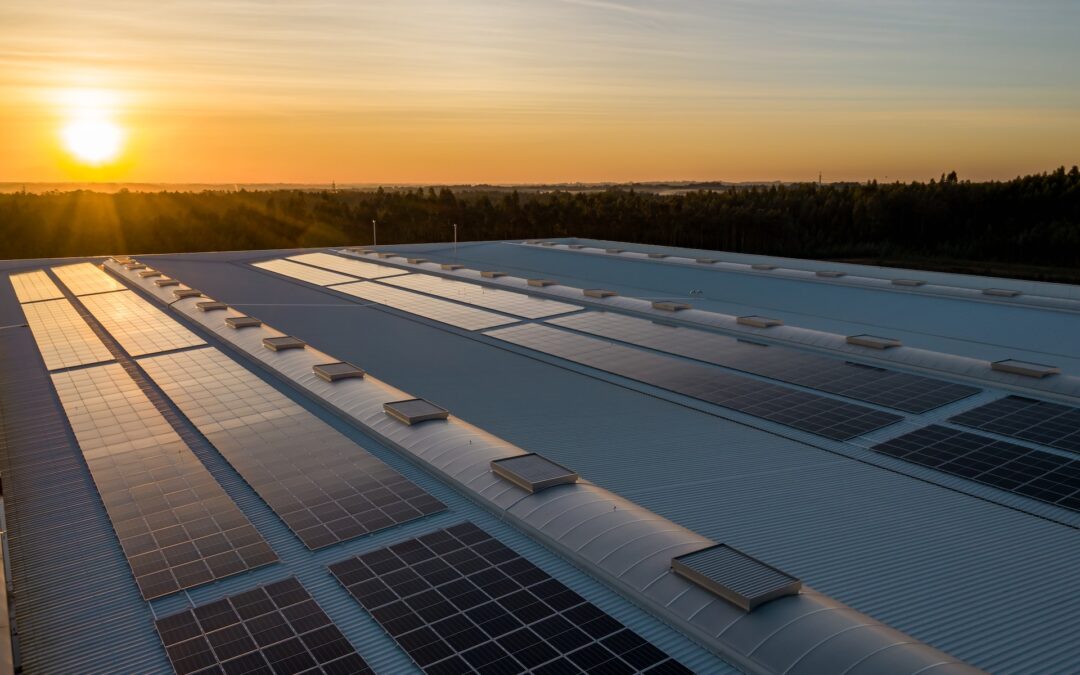
Your Guide to Creating Sustainable Operations, Part Three: Solar Panel Arrays
Many organizations have a lot of unused vacant land or roof space. If this is the case at your facility, you may be unsure of how to utilize it all. “Why not install a solar panel array?” This is the obvious choice for many. Land is usually a resource, but unused land...
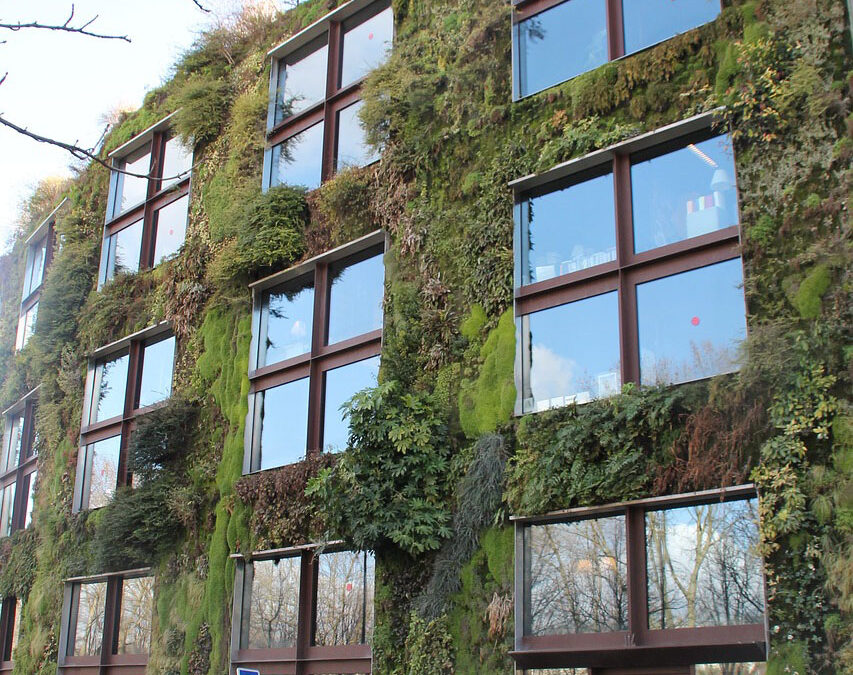
Your Guide to Creating Sustainable Operations, Part Two: Getting Started
The energy needed to operate large facilities, whether water/wastewater treatment operations, manufacturing plants, or maintenance facilities, can be costly. With the price of traditional fuel increasing and the ultimate goal of eliminating use of fossil fuels,...