2026 First Quarter Stormwater Deadline Approaching
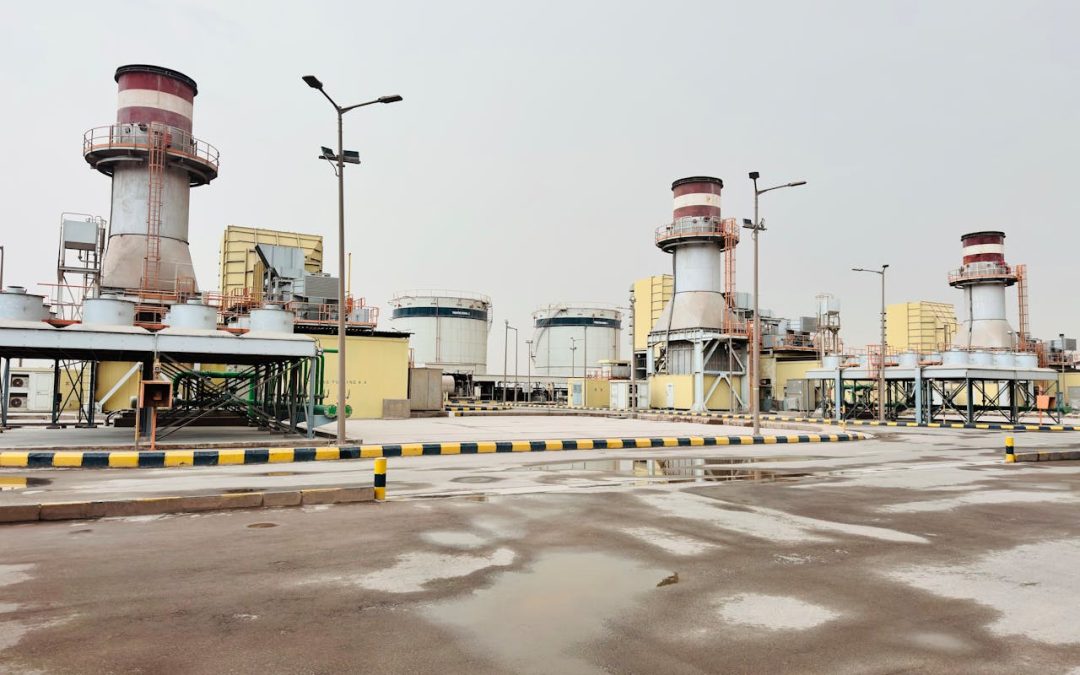
The first quarter deadline for stormwater compliance tasks is near. March 31, 2026 marks the last day of the quarter. Any facility covered by the New York State Department of Environmental Conservation’s (NYSDEC) Multi-Sector General Permit (MSGP) for Stormwater...
CT Reissues the Dewatering and Remediation Wastewater General Permit
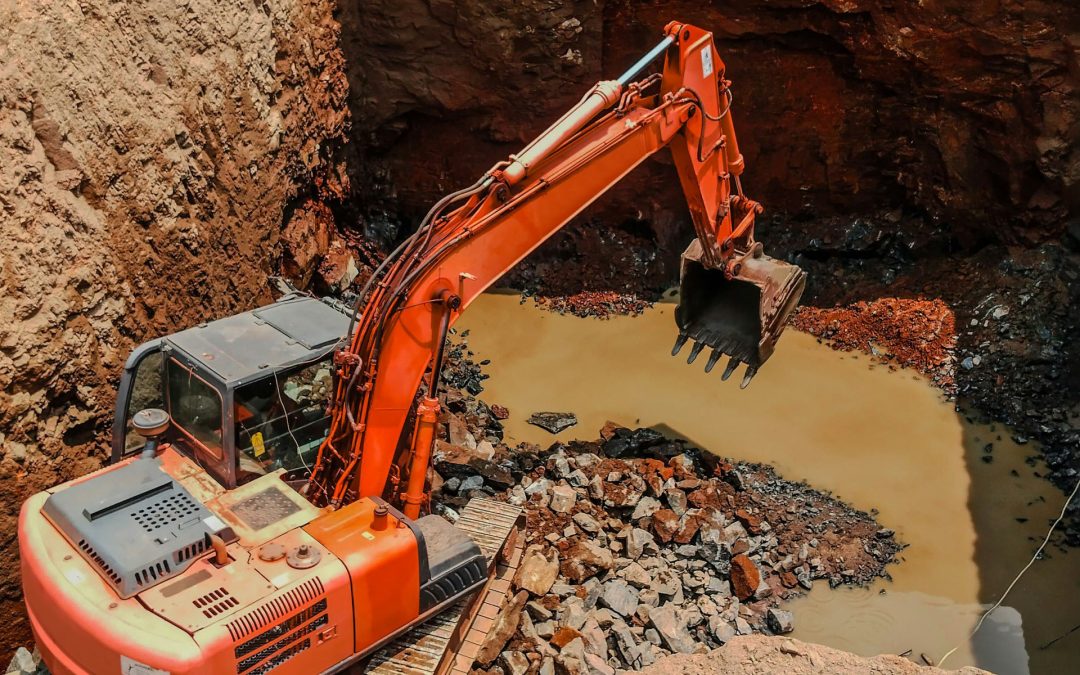
The Connecticut Department of Energy and Environmental Protection (CT DEEP) has reissued the General Permit for the Discharge of Dewatering and Remediation Wastewaters (D2R GP) effective March 1, 2026. This follows the reissuance of the General Pretreatment Permit for...
Title V Annual Emissions Reporting
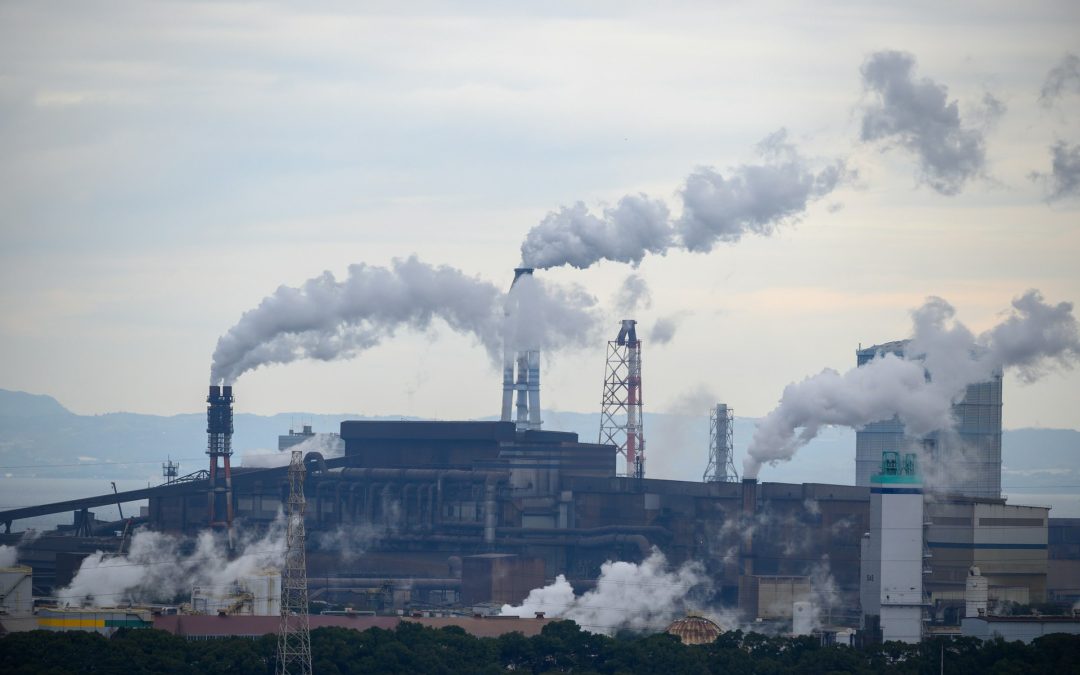
Annual emissions reports for facilities holding a Title V Operating Permit in New York State are required to be submitted to the New York State Department of Environmental Conservation (NYSDEC) by April 15 for the previous calendar year. What Is the Purpose of...
Waters of the United States: Updates Regarding Proposed Rule
The term Waters of the United States (or ‘WOTUS’) and its implications on federal wetland protection have been a major point of contention, most notably sparked by the case brought upon by Michael and Chantell Sackett in 2007 to resume construction work on their...
NYSDEC Waste Transporter Annual Reports Due March 1
Submitting an accurate and timely NYSDEC Annual Waste Transporter Report is a key compliance requirement for maintaining an active New York State (NYS) waste transporter registration or permit. All regulated waste transporters operating in NYS under 6 NYCRR Part 364...
General Permit for the Discharge of Dewatering and Remediation Wastewaters
The Commissioner of the Connecticut Department of Energy and Environmental Protection (DEEP) issued a Notice of Tentative Determination on December 24, 2025, indicating the agency’s intent to renew the General Permit for the Discharge of Dewatering and Remediation...
Is Your Community Ready for MS4 Mapping Requirements?
The current New York State Department of Environmental Conservation (NYSDEC) Municipal Separate Storm Sewer Systems (MS4) General Permit 0-24-001 has been in effect for nearly two years, and this means that Phase 1 of comprehensive stormwater system mapping will be...
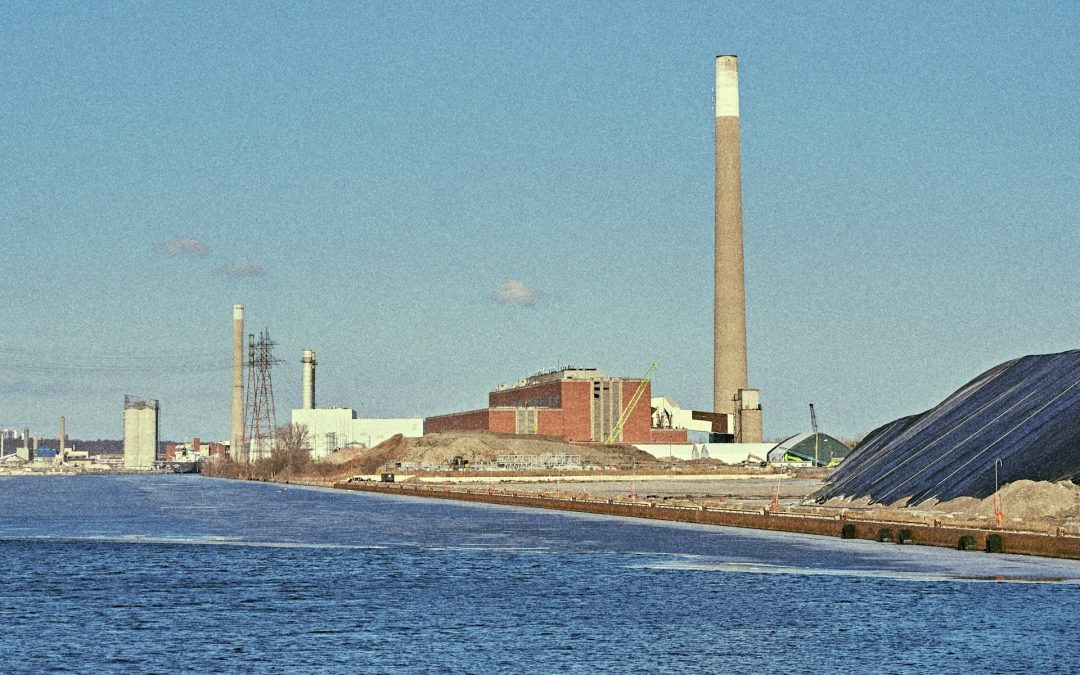
CT DEEP Issues Notice of Tentative Determination to Renew the Comprehensive General Permit
The Connecticut Department of Energy and Environmental Protection (CT DEEP) has issued a Notice of Tentative Determination to renew the Comprehensive General Permit for Discharges to Surface and Groundwater. Public comments on the proposed renewal are due by January...
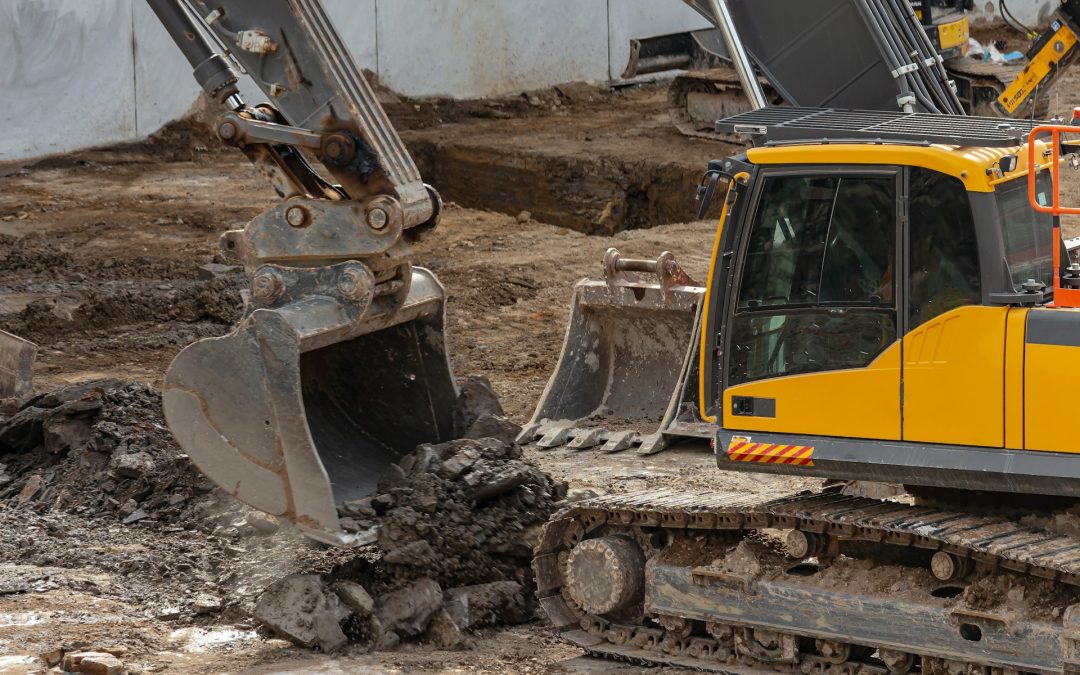
CT DEEP Issues a New General Permit for Its Remediation Program
On October 20, 2025, the Connecticut Department of Energy and Environmental Protection (CT DEEP) issued a new general permit for its environmental remediation program. The new general permit allows for contractors to register with the CT DEEP as an “Existing Release...
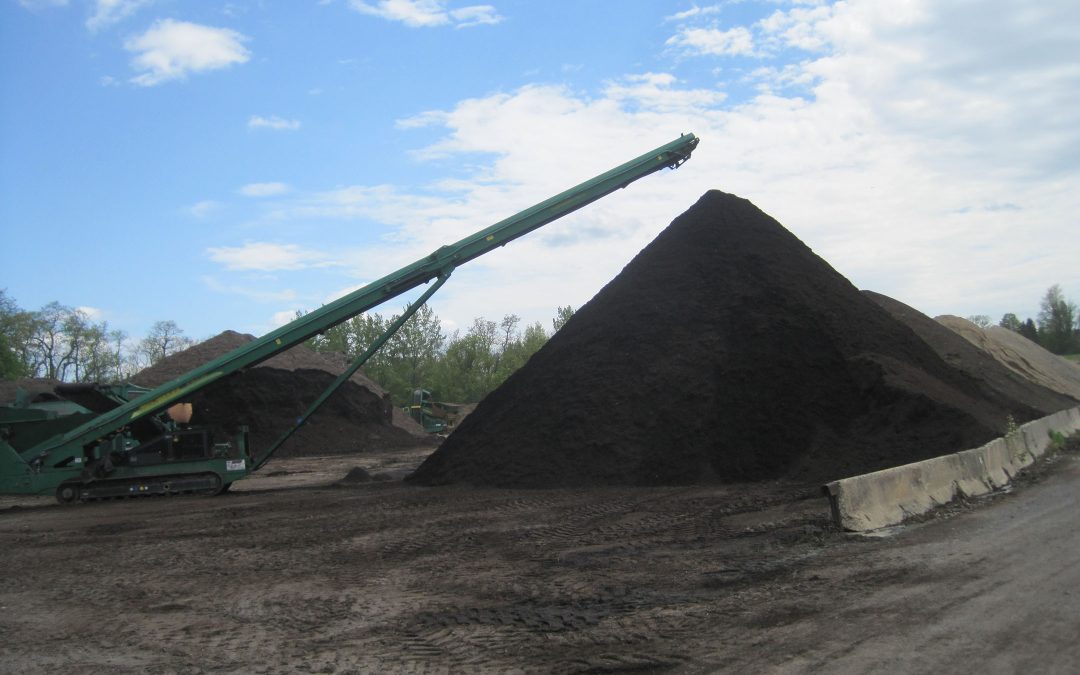
The Importance of Odor Control for Composting Facilities
What Causes Foul Odors When Composting? If not managed properly, organic material that is undergoing the composting process can produce unpleasant odors. The mishandling of compost piles can create an anaerobic environment that produces gases such as hydrogen sulfide...