

EPA Proposes Rescinding 2009 Endangerment Finding and Related Vehicle Standards
The U.S. Environmental Protection Agency (EPA) has recently proposed to review and possibly reverse the 2009 Endangerment Finding decision under the Clean Air Act. This finding originally determined that new motor vehicles’ greenhouse gas emissions endangered public...
Staying Safe and Sound at Work
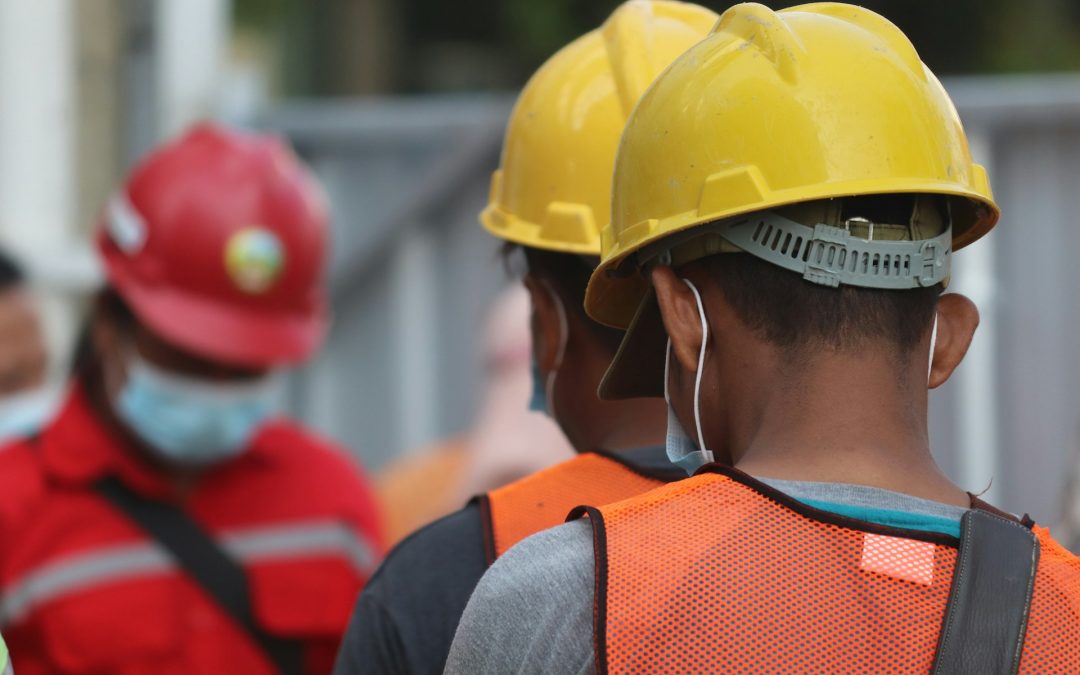
Today marks the start of Safe + Sound Week 2025! OSHA holds its Safe + Sound Campaign annually in August. The purpose of this week is to remind us of the importance of workplace safety and health programs – which should promote employee engagement throughout the...
OSHA’s Updated Site-Specific Targeting Inspection Plan: What Non-Construction Employers Need to Know
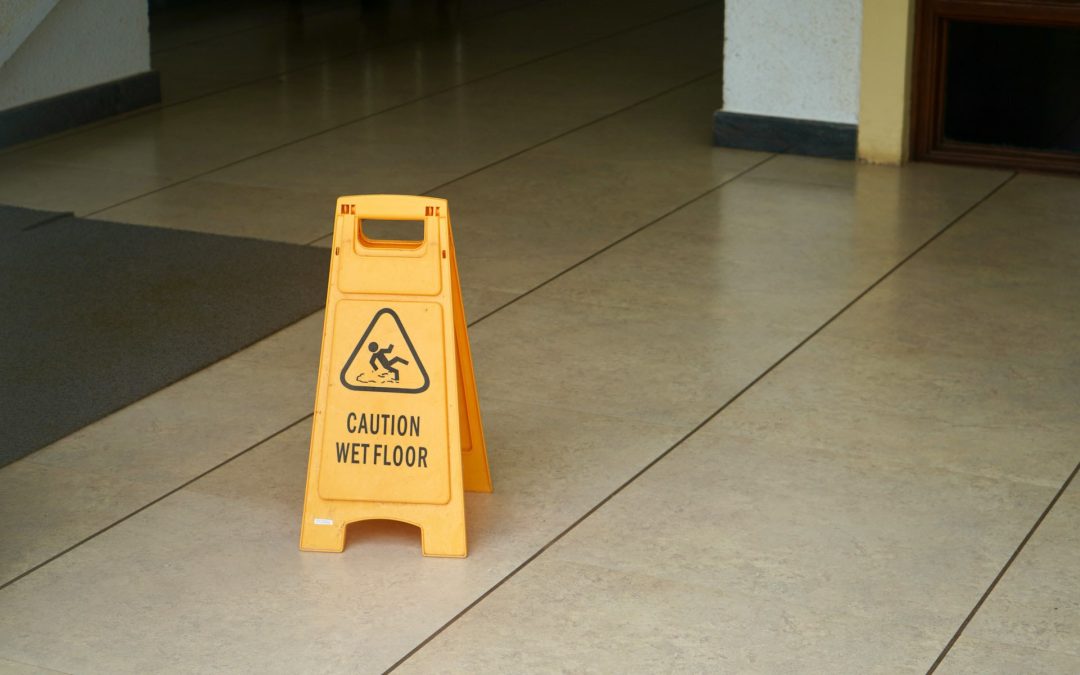
On May 20, 2025, the Occupational Safety and Health Administration (OSHA) implemented a revised Site-Specific Targeting (SST) inspection program, focusing on non-construction establishments with 20 or more employees. This update aims to direct OSHA’s attention toward...
Reissuance of OSHA’s National Emphasis Program (NEP) on Amputations
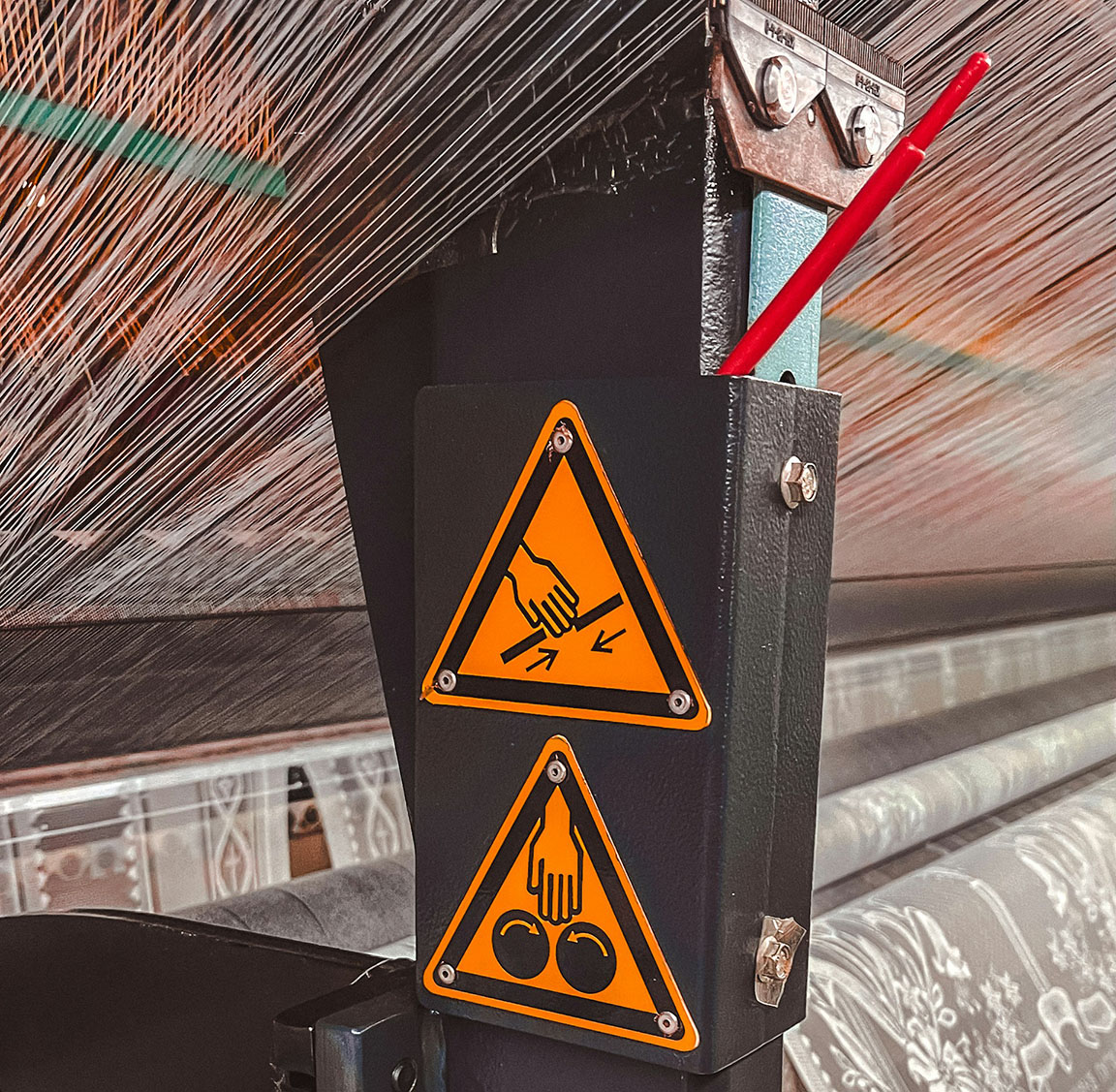
OSHA’s National Emphasis Program (NEP) on Amputations in Manufacturing Industries is a data‑driven initiative whose purpose is “to identify and reduce or eliminate amputation hazards in manufacturing industries.” Under this NEP, OSHA uses injury and inspection data to...

New York State Insurance Fund to Provide Financing for Small Businesses to Purchase Heat-Related PPE
It is unclear when or if OSHA’s new heat rule will come into effect as planned. However, savvy business owners know that, regardless of the law, it is a wise business decision to protect workers from the risks associated with excessive heat. Incidents related to...

Get Ready for OSHA’s Safe + Sound Week
Mark your calendars! OSHA is hosting its annual Safe + Sound Week from August 11–17. This year’s theme is emergency preparedness and response, and it’s the perfect opportunity to engage your team, refresh your safety efforts, and take a closer look at how prepared you...

Retail Worker Safety Act Update: NY Releases Model Policy and Training Materials
The New York State Department of Labor (NYS DOL) has officially released the model workplace violence prevention policy and training program required under the Retail Worker Safety Act. Earlier this year, we shared news about the Act’s key requirements, and the added...
Forklift Training, Certification, and Safety Program Requirements
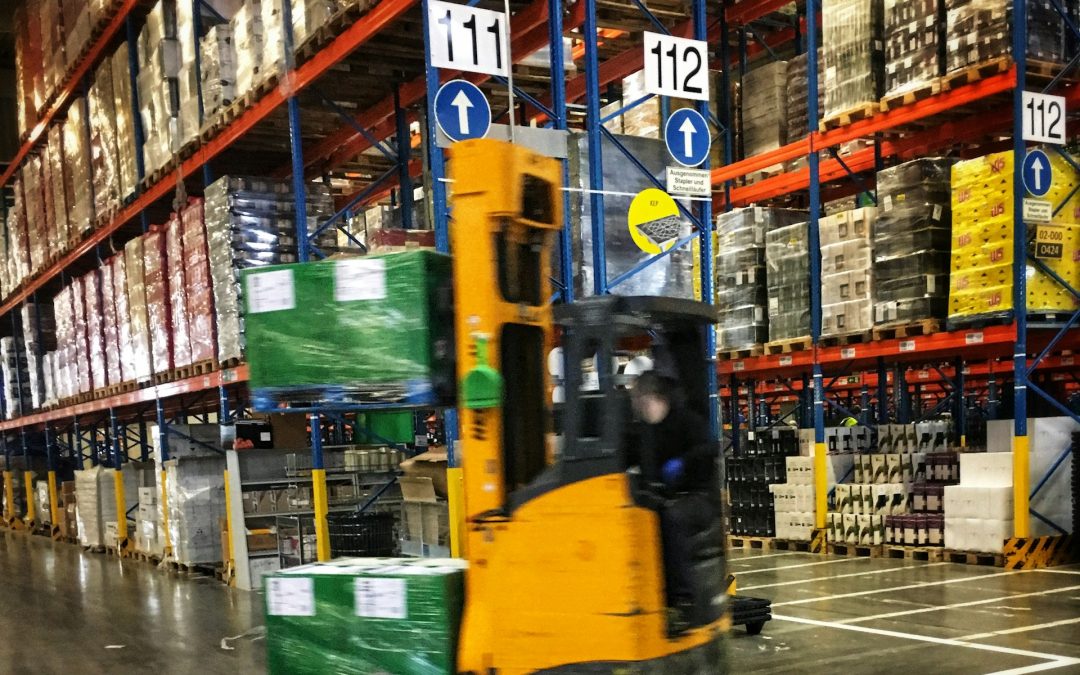
Forklifts and other powered industrial trucks (PITs) are widely used in many industries, but common use does not equal low risk. These machines can weigh several tons and move at surprising speeds, making even a small mistake potentially life-threatening. That’s why...

EPA Proposes Extended Timeline for Methylene Chloride Compliance in Laboratories
The Environmental Protection Agency (EPA) is proposing a new rule that would give non-federal laboratories more time to comply with the 2024 risk management requirements for methylene chloride (also known as Dichloromethane, DCM, or MEC). These requirements stem from...
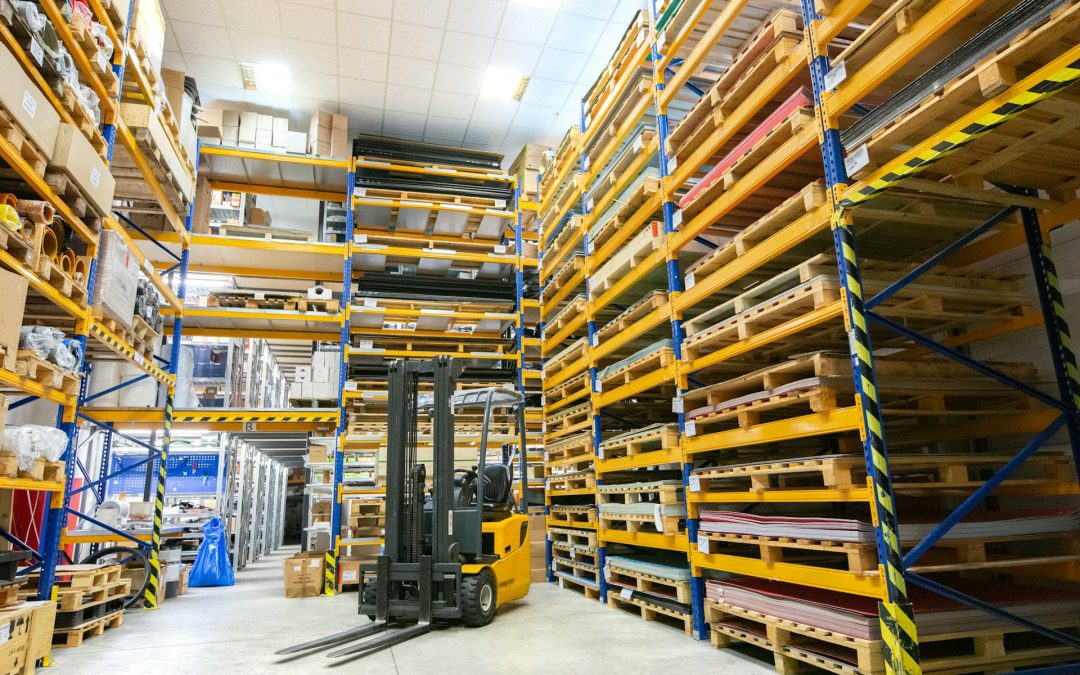
Forklift Attachment and Extension Requirements
Forklifts are among the most widely used powered industrial trucks (PITs) in warehouses, manufacturing facilities, and construction sites. While they’re incredibly versatile machines, safe operation depends on more than just skilled driving. It also requires a clear...