

Hearing Protection in General Industry and Construction – What You Need to Know
Whether working at a manufacturing facility, an active construction site, or a concert hall, routine exposure to elevated noise levels in the working world poses potentially adverse health effects. Hearing loss can have a major impact on an individual’s quality of...
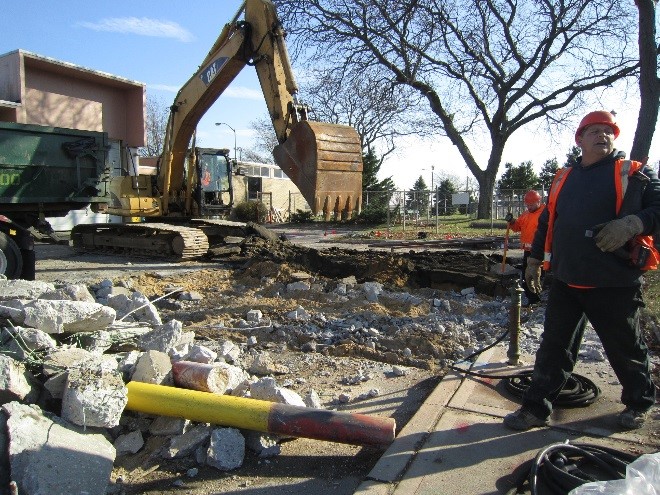
What Does Good Construction Management Look Like? Four Steps to Use on Any Project
From a client’s perspective, a construction project is considered a success if it is completed on-time, within budget, and without any injuries to workers. A job that moves along smoothly without any major delays or errors is a job where sufficient time is spent on...
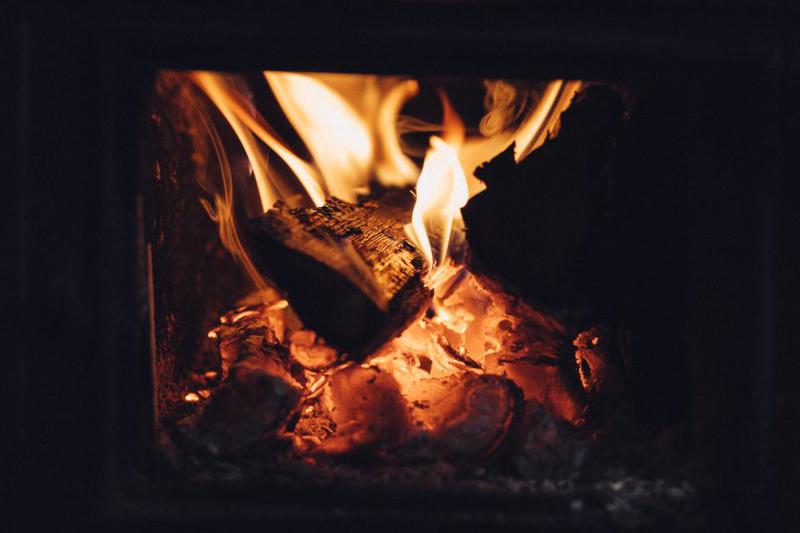
NYCDEP New Regulations For Emission Control Devices On Wood-Fired Cook Stoves
The NYCDEP has recently amended its rules (15 RCNY Chapter 38) regarding control devices on emissions generated by wood fired cook stoves. The regulation took effect on May 24th 2017. The new regulation applies to any wood fired or anthracite coal fired stove within...
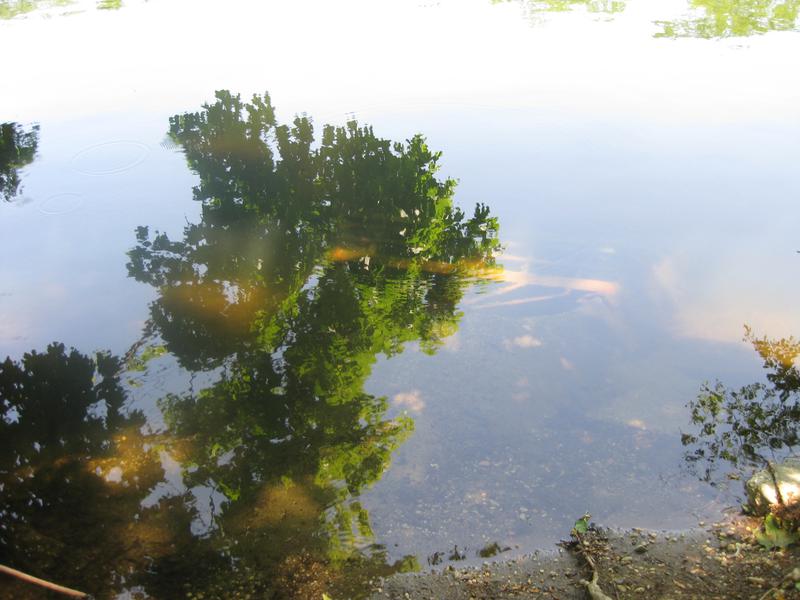
Freshwater Wetlands Protection and What It Means to You and the Environment
Whether you’re walking along a path or driving down the road, you may notice areas where the trees and plants are unlike the vegetation growing in most of the surrounding areas. When you look more closely, you will likely realize that these areas are located next to...
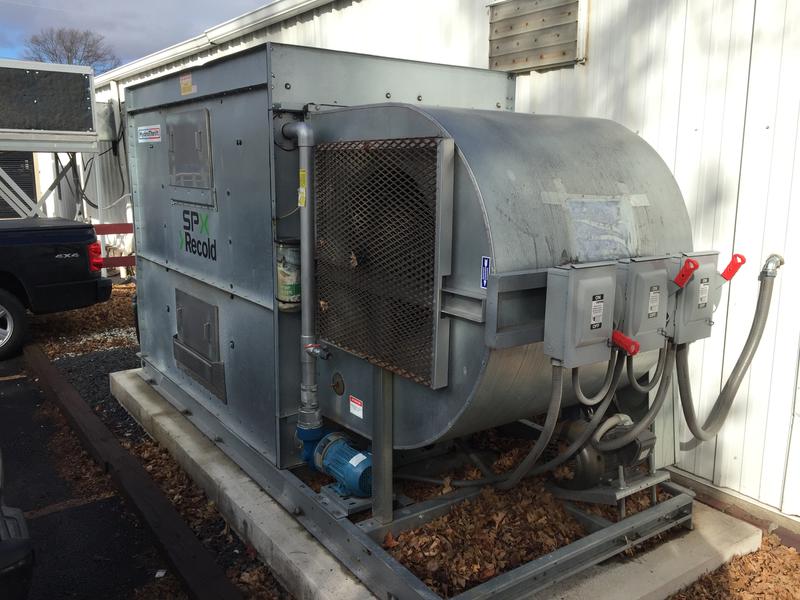
NYSDOH Legionella Compliance Enforcement Update – Cooling Unit Registration
As discussed in Walden’s previous blog, Cooling Tower and Evaporative Coolers Issues – What you need to Know about Legionella Compliance In New York State, all owners of cooling towers and evaporative coolers (cooling units) must comply with the New York State...

What is a Legionella Preventive Maintenance Plan and how may this pertain to your facility?
Owners of cooling towers and/or evaporative coolers (cooling units) within New York State are required to develop a written maintenance program and plan in accordance with ANSI/ASHRAE Standard 188-2015, as per New York State Department of Health (NYSDOH) Protection...
Do You Know How to Dispose of Hazardous Waste?
In February a New York business and one employee were convicted for violating the New York State Environmental Conservation Law (ECL). The business and employee illegally disposed of hazardous materials and waste at their facility. Both the employee and facility were...
What to do when your Right-to-Know Filing is Late
The New York City Department of Environmental Protection requires all businesses to report hazardous substances stored, processed, handled or used on-site on a yearly basis. Did you miss the March 1st filing deadline for your business’s 2016 Community Right-to-Know?...
How will the 1,4-Dioxane in my Drinking Water Affect my Health?
The presence of 1,4-dioxane in drinking water has recently been a topic of public concern for residents of Long Island, New York. The United States Environmental Protection Agency (USEPA) classifies 1,4-dioxane as a probable human carcinogen, or a likely...
What Does Stormwater Discharge Compliance Look Like in New York State?
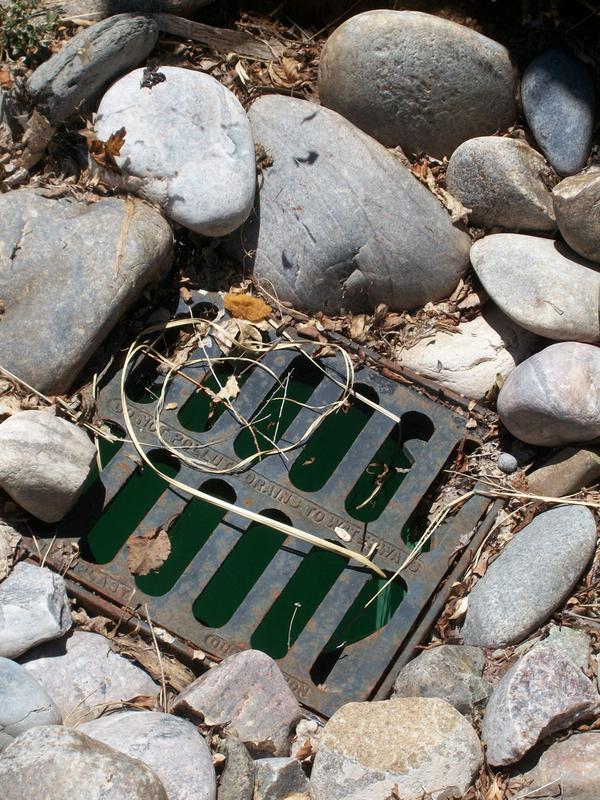
Stormwater runoff occurs naturally from rainfall or snow storms, which flows over any land surface and does not percolate into the ground. However, human activities such as construction work, and urbanization can change the natural flow pattern and can...