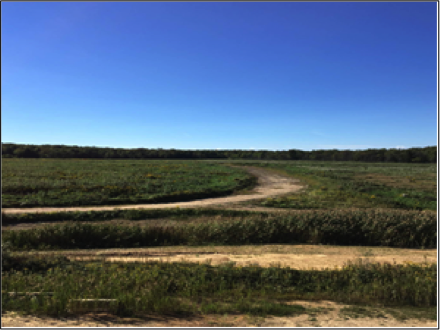
Innovative Closure of Residual Waste Lagoon Restores Site and Establishes Natural Habitat
Walden has prepared a Final Certification Report to document the lagoon closure activities performed at a mid-Atlantic paper mill. From 1937 to 1992, the paper mill discharged wastewater with a high total dissolved solids content into an unlined surface impoundment...
PFOA and PFOS are in Drinking Water – What Should I Know?
Since the recent discovery of high concentration levels in the Hoosick Fall’s water wells and with Gabreski Air National Guard Base being declared a New York State Department of Environmental Conservation (NYSDEC) State Superfund Site, PFOA and PFOS and their effect...

OSHA Implements New Accident/Injury Reporting Rule
Newsday reported on Friday, October 8, 2016 of a fatal accident on a job site, killing a worker at an industrial facility on Long Island. Tragic stories like this remind us of how important it is for everyone to remain vigilant about safety in the workplace. Employers...
Regulatory Update: DSNY will now Regulate Recycling Processing Facilities in NYC
On September 23, 2016, the New York City Department of Sanitation (DSNY) adopted rules governing new registration requirements for recycling processing facilities in NYC. As a result, the DSNY will now regulate recycling processing facilities located in New York...
The Number One Mistake Facilities Can Make with the Title V NYS Air Permit Changes
Effective on June 22, 2016, an amendment was added to The Operating Permit Program (6 NYCRR 482-2). This change in air pollutant regulations mandates that an updated annual fee must be paid by all facilities falling under Title V of the Federal Clean Air Act....
Regulatory Update: How Will Amendments to NYC Brownfield Cleanup Program Laws Affect You?
Effective August 12, 2016 are two new definitions for “underutilized” and “affordable housing project”, as they relate to 6 NYCRR Subpart 375-3 of the Brownfield Cleanup (BCP) program. This is a result of formally proposed revisions to remain in compliance with Part...
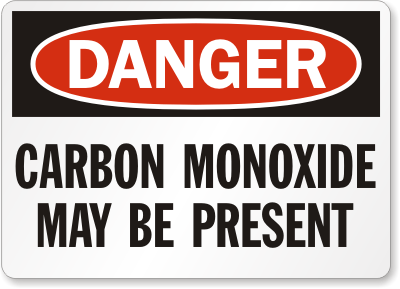
New York State Carbon Monoxide Detectors
For all commercial building owners and operators, New York State has amended carbon monoxide laws that will affect your facility. New York State has amended the Uniform Fire Prevention and Building Code (Uniform Code) to require carbon monoxide detection within...
New York State Department of Labor Mold Program Update
New York State Article 32 of Labor Law went into effect on January 1, 2016, setting minimum work standards for mold projects and requiring mold assessment, remediation and abatement specialists to be licensed. No controls existed prior to Article 32, so some...

How will the proposed NYS DEC Part 360 Regulations effect you?
How will the proposed NYS DEC Part 360 Regulations effect you? If you are the owner or customer of Transfer Stations or C&D Facilities in the state of New York, you will be greatly impacted by the new DEC Part 360 Regulations. It has been two decades (24 years)...
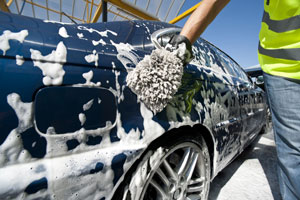
Car Wash Activity Regulations
Car Wash Activity Regulations– Part 1 It is critical for business owners and managers to be aware of all the regulations around car preparation work and car washing activities. Car dealerships, auto body shops, car washes, and any other business that performs any...