
New York State Releases 2025 Draft State Energy Plan
The New York State Energy Planning Board has released the 2025 Draft State Energy Plan, providing a detailed roadmap for how the state intends to meet its future energy needs while maintaining affordability, reliability, and environmental stewardship. Planned...

EPA Proposes Rescinding 2009 Endangerment Finding and Related Vehicle Standards
The U.S. Environmental Protection Agency (EPA) has recently proposed to review and possibly reverse the 2009 Endangerment Finding decision under the Clean Air Act. This finding originally determined that new motor vehicles’ greenhouse gas emissions endangered public...
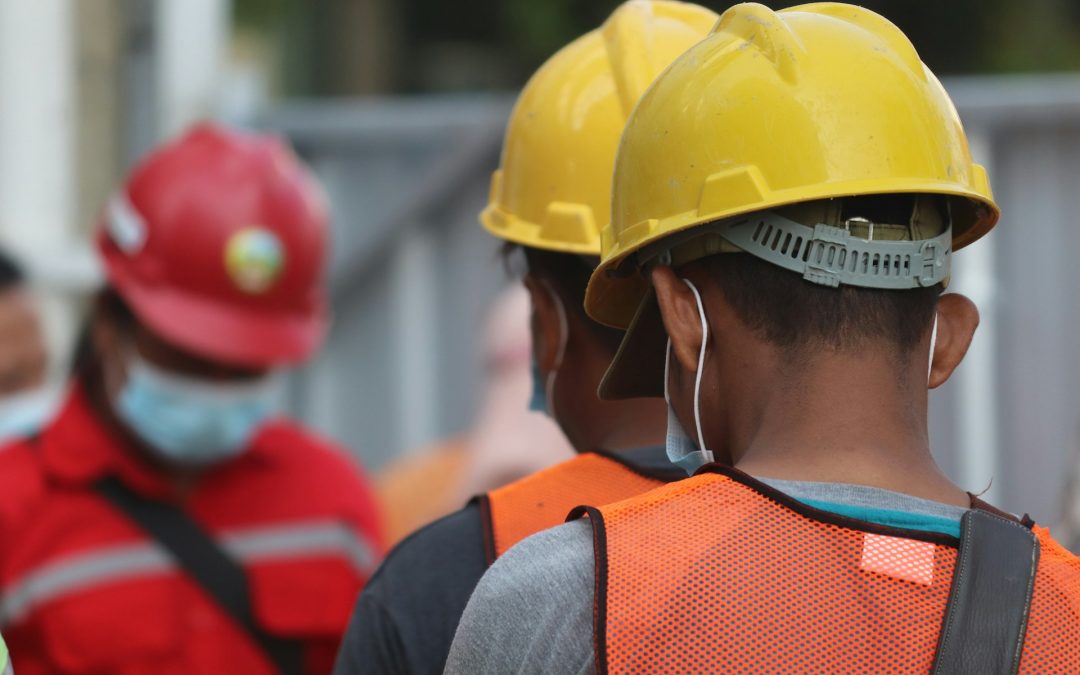
Staying Safe and Sound at Work
Today marks the start of Safe + Sound Week 2025! OSHA holds its Safe + Sound Campaign annually in August. The purpose of this week is to remind us of the importance of workplace safety and health programs – which should promote employee engagement throughout the...
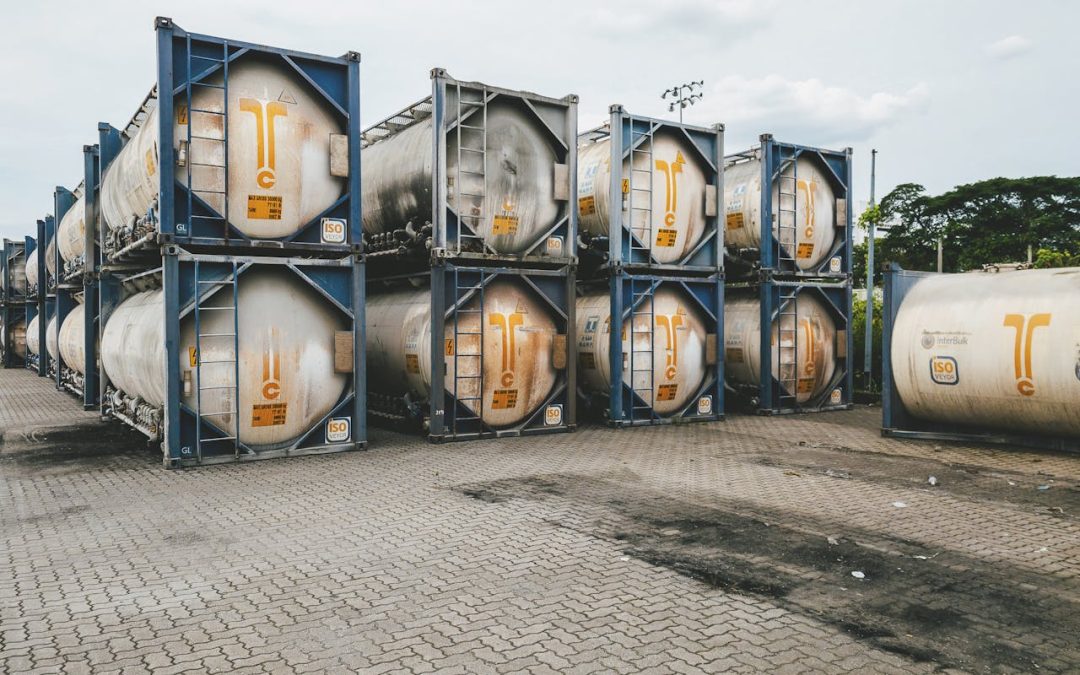
Understanding DER-25: Key Updates and What They Mean for PBS Facilities
What Is DER-25? This policy was first issued April 20, 2011, in New York State. It applies to petroleum bulk storage (PBS) facilities, including both underground (UST) and aboveground (AST) tanks, ensuring compliance with ECL Article 17, Title 10 (state law), 6 NYCRR...
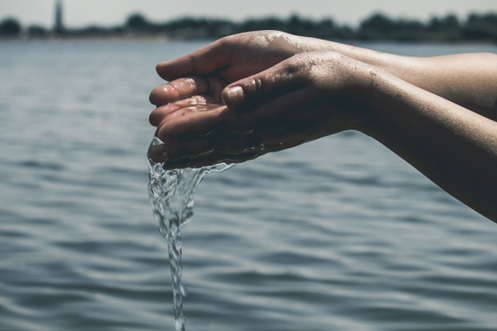
Long Island Watershed Action Agenda: Public Comments Accepted Through July 25
On June 25, 2025, the draft Long Island Watershed Action Agenda was released for public comments by the New York State Department of Environmental Conservation (NYSDEC). This agenda outlines proposed plans related to water quality improvements in Nassau and Suffolk...

Act Now to Apply for EFC Grant Funding
The New York State Environmental Facilities Corporation (EFC) is currently accepting applications under two funding programs, the Green Resiliency Grants Program and the Clean Vessel Assistance Program. These water infrastructure funding programs offer grants and...

Apply for Hudson River Estuary Program Grant Funding!
An exciting announcement from the New York State Department of Environmental Conservation (DEC) has surfaced, revealing brand-new funding available through two types of Requests for Applications (RFAs), whose total comes to $1 million. This act is part of the goals...
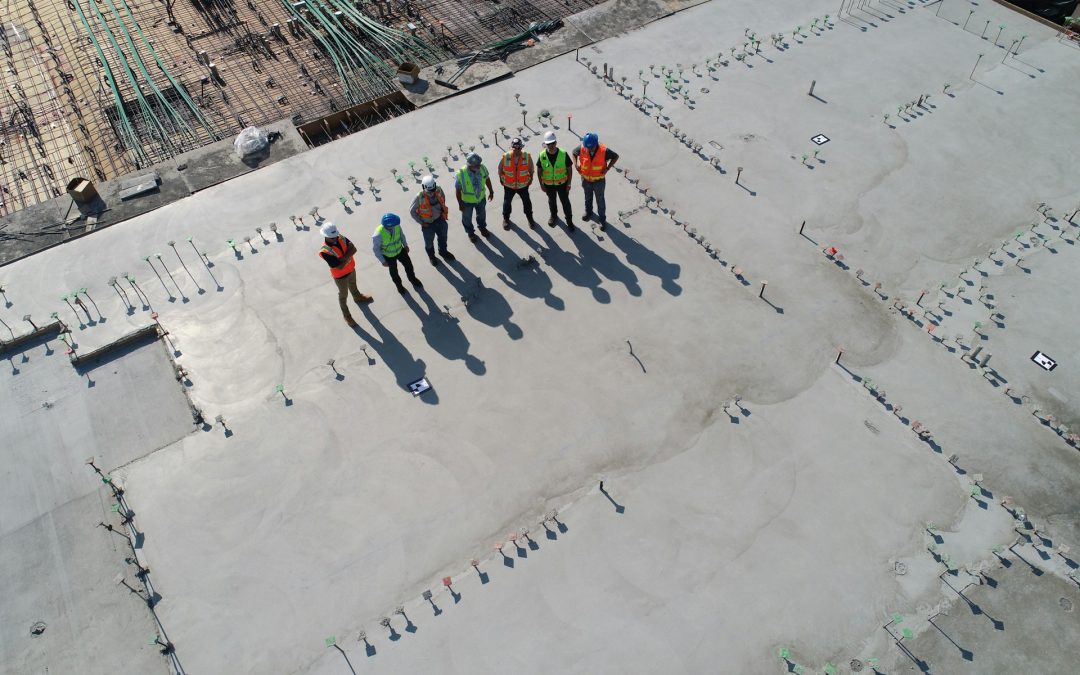
Get Ready for OSHA’s Safe + Sound Week
Mark your calendars! OSHA is hosting its annual Safe + Sound Week from August 11–17. This year’s theme is emergency preparedness and response, and it’s the perfect opportunity to engage your team, refresh your safety efforts, and take a closer look at how prepared you...
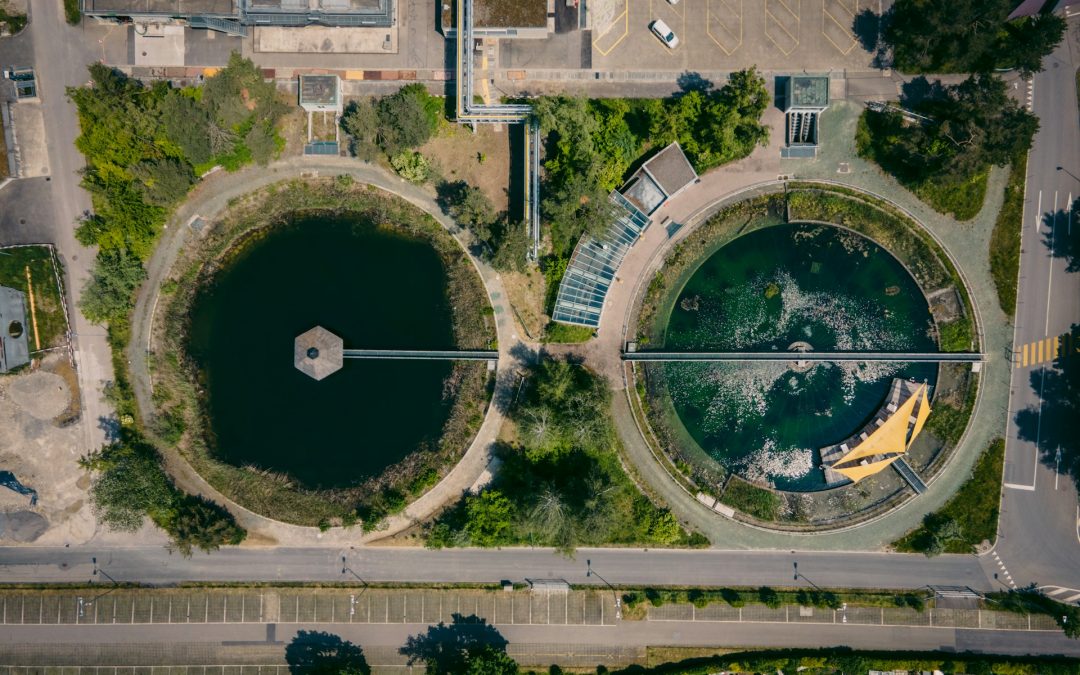
Breaking Down NY’s $325 Million Water Infrastructure Grants
Introduction New York State is, once again, investing heavily into water infrastructure – on June 11, it announced $325 million in grant funding for the Water Infrastructure Improvement (WIIA) and Intermunicipal Water Infrastructure Grant (IMG) Programs. This is a...

TCE Ban Update: EPA Postpones Deadlines Until August 2025
The Environmental Protection Agency (EPA) has once again extended the timeline for a portion of its final rule banning trichloroethylene (TCE). This latest update pushes the effective date of requirements related to TSCA Section 6(g) exemptions until August 19, 2025....