
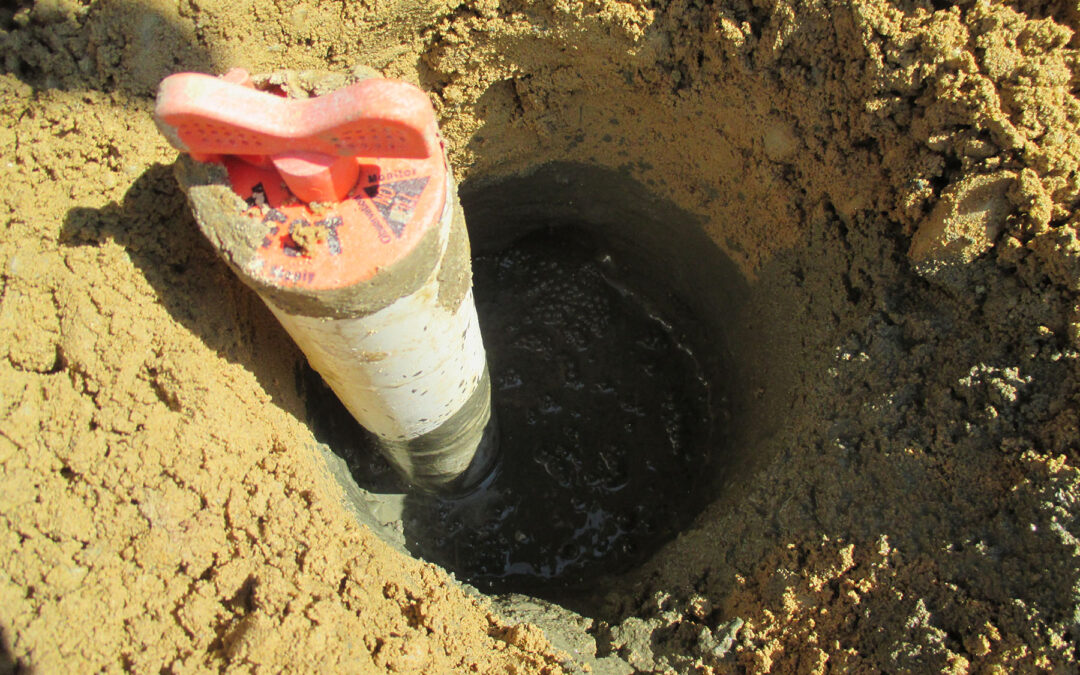
What Are Monitoring Wells and How Are They Used in Environmental Investigations?
Monitoring wells are installed into the groundwater table below sites that may be environmentally impacted from releases of petroleum products or chemicals. Monitoring wells are typically constructed of polyvinyl chloride (PVC) or stainless steel. The specific design...
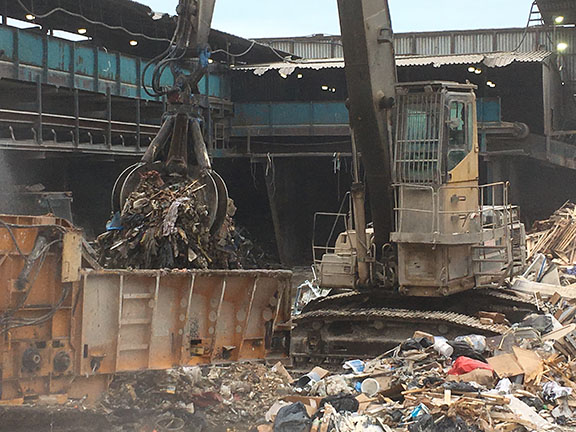
Don’t Miss the Annual Hazardous Waste Reporting Deadline!
The deadline for submitting Annual Hazardous Waste Reports is Wednesday, March 1. If you are a Large Quantity Generator (LQG) who treats, stores, manufactures, or disposes of hazardous waste or wastewater, you are required to submit a report to the New York State...

Walden EHS Division Director Completes ISO 14001 Lead Auditor Training
Walden Environmental Engineering is pleased to announce that EHS Division Director, Mike Balda, completed ISO 14001:2015 Certified Lead Auditor Training, having finished the virtual training and three examinations last week. ISO, which stands for International...
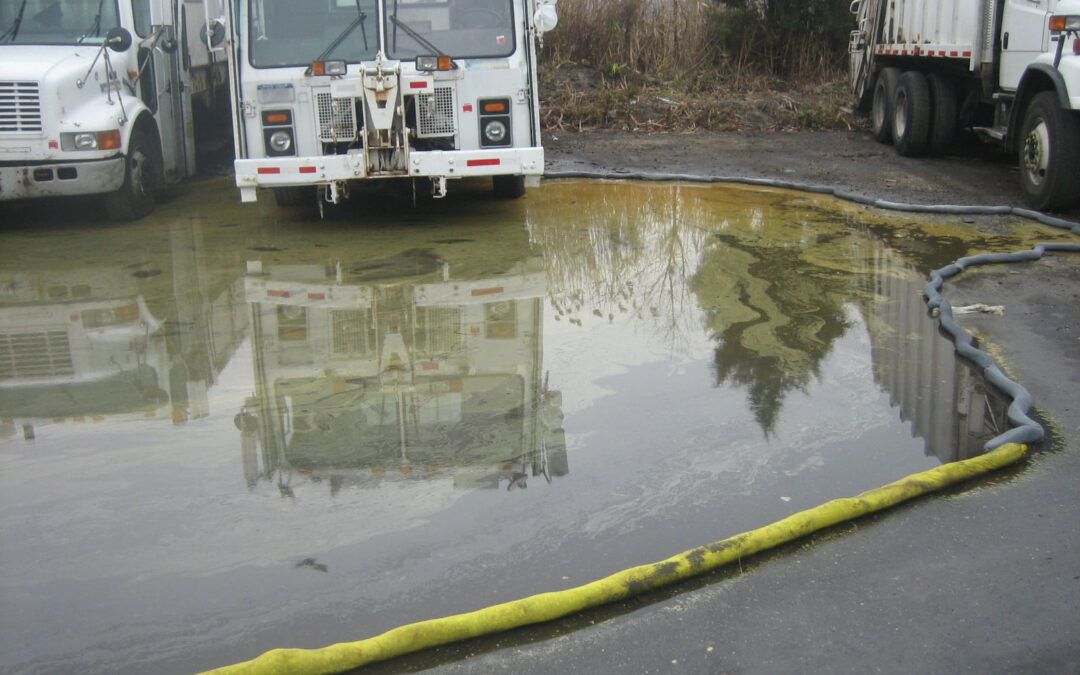
When Do You Need to Report Spills in New York State?
According to the New York State Department of Environmental Conservation (DEC), there are about 16,000 confirmed and suspected spills that get reported to the agency each year. Of those 16,000 spills, about 90% involve petroleum products. It is important to know what...

Greenhouse Gas Emissions Limits in New York City—Who and What Will Be Affected?
On December 7, 2022, New York City (NYC) passed its latest rule corresponding to the overall goal of reducing building greenhouse gas emissions over the next several decades. Section 103-14 of Chapter 100 of Title 1 of the Rules of the City of New York, herein...
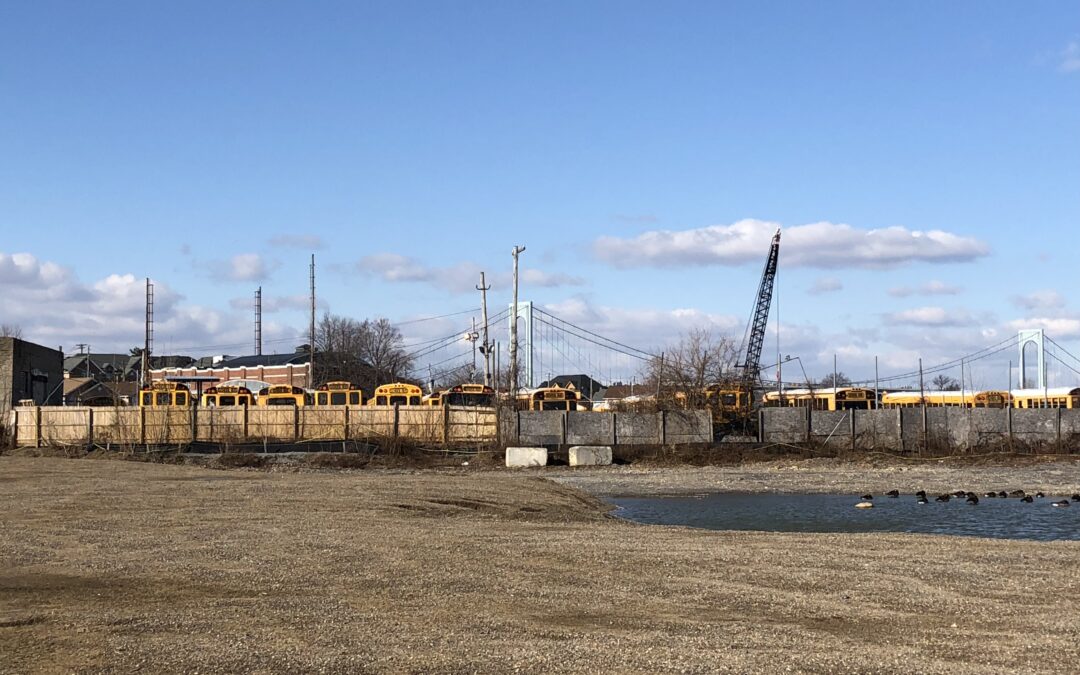
New Nationwide Funding for Brownfield Technical Assistance and Providers
The EPA is now accepting requests for applications for $57 million in funding for two Brownfield technical assistance opportunities. The first is for Brownfields Technical Assistance and Research cooperative agreements and the second is for Technical Assistance to...
Hydrogen—The Hot New Energy Source
In light of ever-increasing energy costs, consumers continue to look for alternative sources of power to meet energy demands. For many, the first things that probably come to mind when considering “green energy” are solar and wind power, or perhaps converting to an...
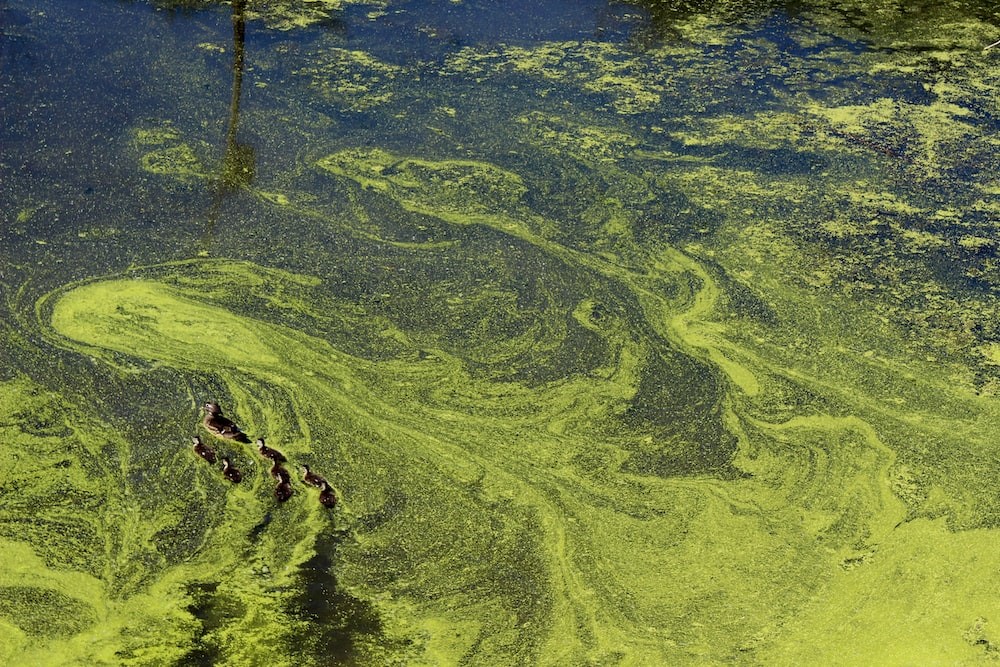
Controlling Harmful Algal Blooms
Lakes, ponds, and reservoirs are susceptible to unfavorable algae blooms. Algae thrive in warm stagnant water with excess nutrients, often resulting in algae blooms spreading rapidly in the summer. While some algae are harmless, several species can be harmful to...
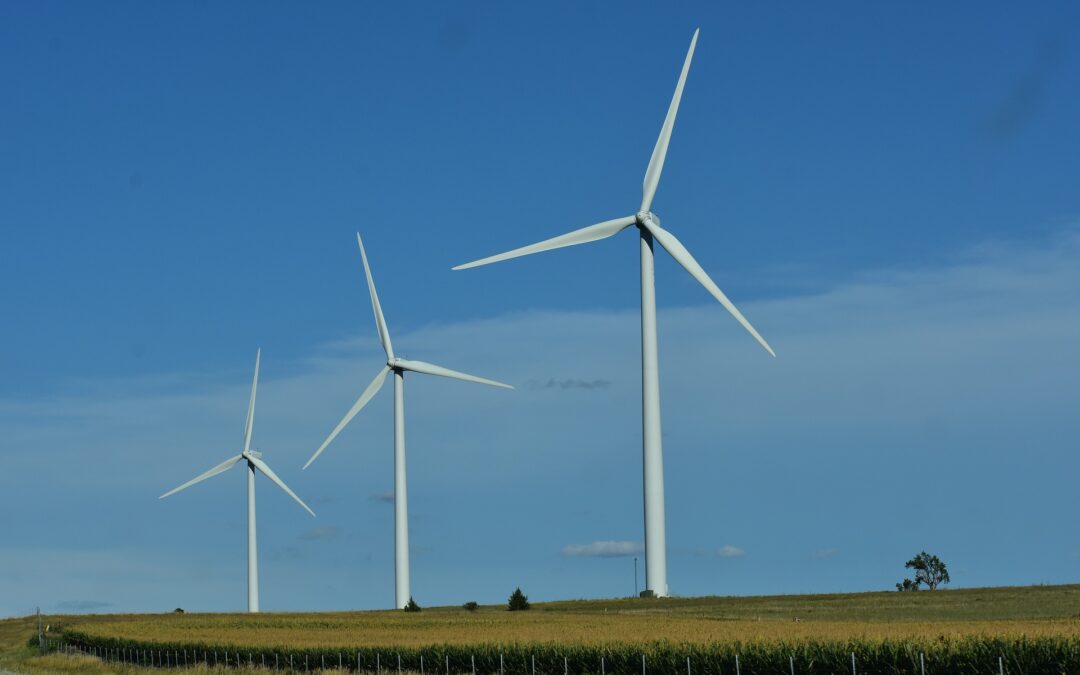
PSEG Long Island Develops Plan to Meet New York State Goals
In 2019, New York State (NYS) passed the Climate Leadership and Community Protection Act, known as CLCPA or the Climate Act, which aims to reduce greenhouse gas (GHG) emissions drastically. Under the Climate Act, GHG emissions will be reduced 40 and 85 percent by 2030...

New Clean Energy Tax Credit Incentives
The Inflation Reduction Act was recently passed in August 2022. The act made a multitude of tax credits available, particularly to individuals and homeowners who utilize clean energy technologies. Additionally, there are credits of a similar nature for businesses and...