Upcoming Regulatory Changes to NYS Water Withdrawal Permitting Program
The New York State Department of Environmental Conservation (NYSDEC) has released a Notice of Adoption (NOA) regarding revisions to 6 New York Codes, Rules, and Regulations (NYCRR) Parts 601 and 602. According to the NYSDEC, the adopted rule making aims to improve...
CT DEEP Reissues the General Pretreatment Permit for Significant Industrial User (SIU) Discharges
The Connecticut Department of Energy and Environmental Protection (CT DEEP) has announced the reissuance of the General Pretreatment Permit for Significant Industrial User (SIU) Discharges to Publicly Owned Treatment Works (POTWs). This general permit regulates...
RCRA Recordkeeping Requirements for Waste Generators
Proper recordkeeping is the backbone of compliance under the Resource Conservation and Recovery Act (RCRA). Whether your facility produces 2, 200, or 2,200+ pounds of hazardous waste, your records are proof that waste is being identified correctly, stored safely,...

EPA Proposes Updates to TSCA Chemical Review Process
The Environmental Protection Agency (EPA) has proposed a new rule to change how it evaluates the safety of chemicals that are already in commerce under the Toxic Substances Control Act (TSCA). According to EPA Administrator Lee Zeldin, the goal is to provide a...

From Paper to Digital: Understanding EPA’s E-Manifest Updates
The EPA is adding new requirements related to their e-Manifest system, and they affect everyone. Whether you use paper manifests, electronic manifests, or a mix of both, there are two big changes in 2025 that you need to know about. These updates are designed to...
An Introduction to Environmental Data Management Systems
In 2025, technological advancements are leading the way in simplifying everyday tasks. Environmental Data Management Systems, or EDMS, are doing just that for environmental sampling. EDMS are utilized to streamline the collection, management, and reporting of...

CFA Grants: OPRHP and DOS Program Highlights
Now is the time to act on Consolidated Funding Application (CFA) grants. The CFA process, administered by New York State, is centered around making it simple to apply for one or more grants by utilizing the same online system at the same time each year. The 2025 CFA...
TRI/Form R Reporting
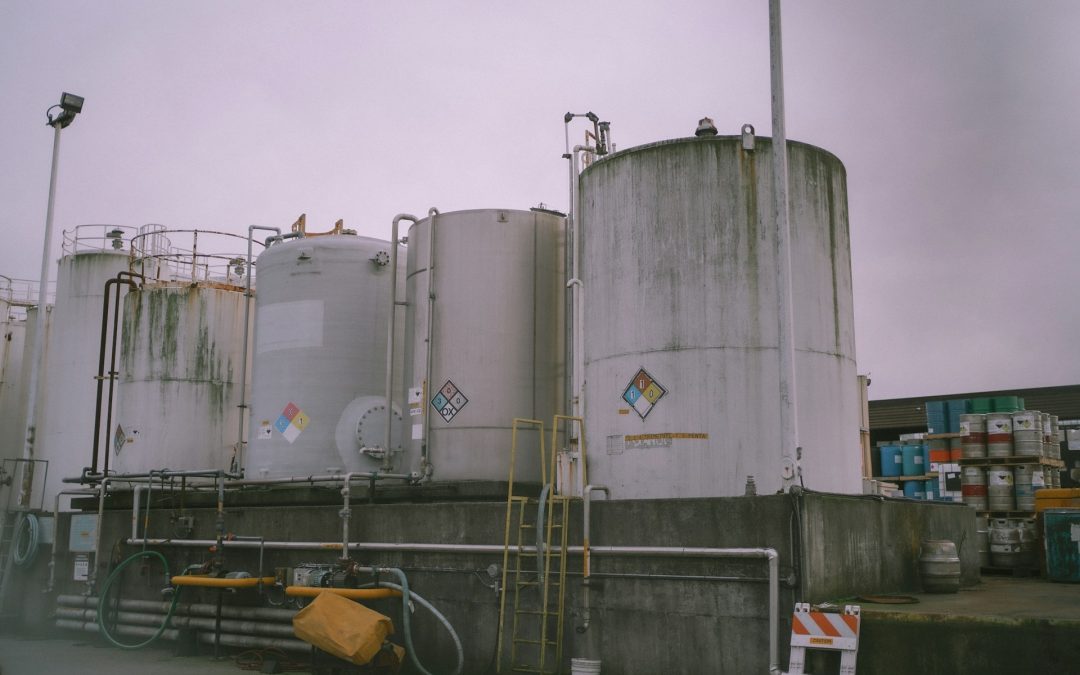
Each year, the Environmental Protection Agency (EPA) requires Toxics Release Inventory (TRI – aka “Form R”) data to be reported from applicable industrial facilities in the United States. The purpose of TRI reporting is to monitor toxic chemical releases into the...
New York’s Climate Change Superfund Act
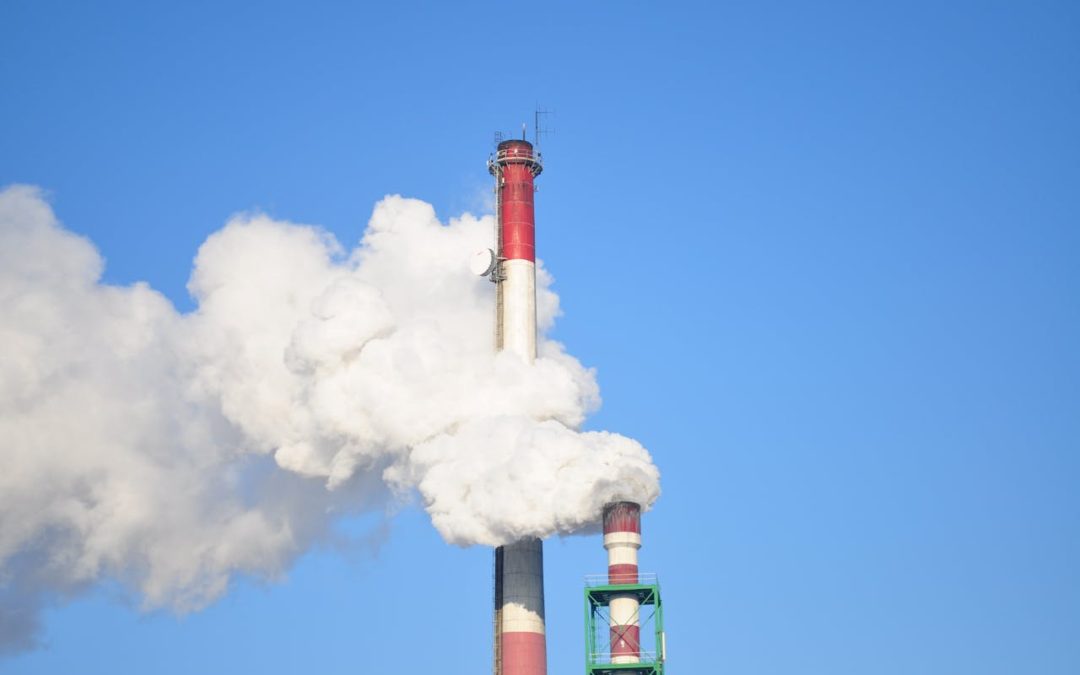
In late December 2024, the Climate Change Superfund Act was signed into law, marking an important change in the way New York State will fund future climate change resiliency projects. The Superfund Act has a similar architecture to the other Superfund programs...

Sole Source Aquifers: A Lifeline for Many New Yorkers
Long Island may be surrounded by water, but would it surprise you to know that our drinking water only comes from beneath the surface? Specifically, there are only three geologic regions on Long Island from which we obtain our water, and over 2.8 million people rely...