CT DEEP Issues Notice of Tentative Determination to Renew the Comprehensive General Permit
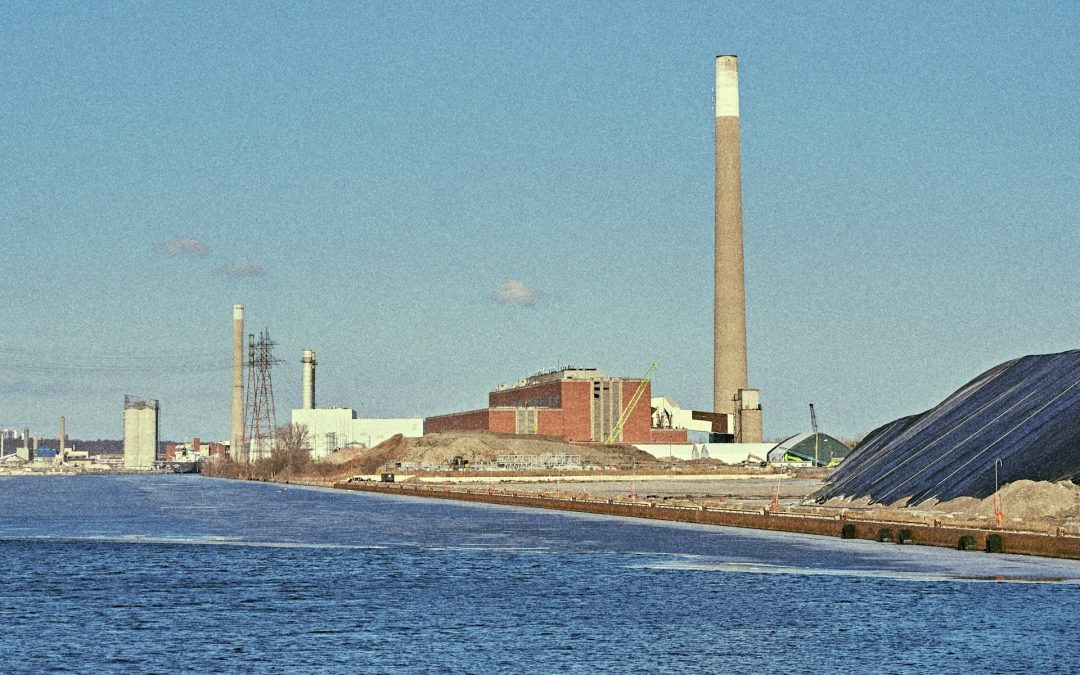
The Connecticut Department of Energy and Environmental Protection (CT DEEP) has issued a Notice of Tentative Determination to renew the Comprehensive General Permit for Discharges to Surface and Groundwater. Public comments on the proposed renewal are due by January...
Walden Assists Municipalities with Risk Analysis Component of the NYS Asset Management Program
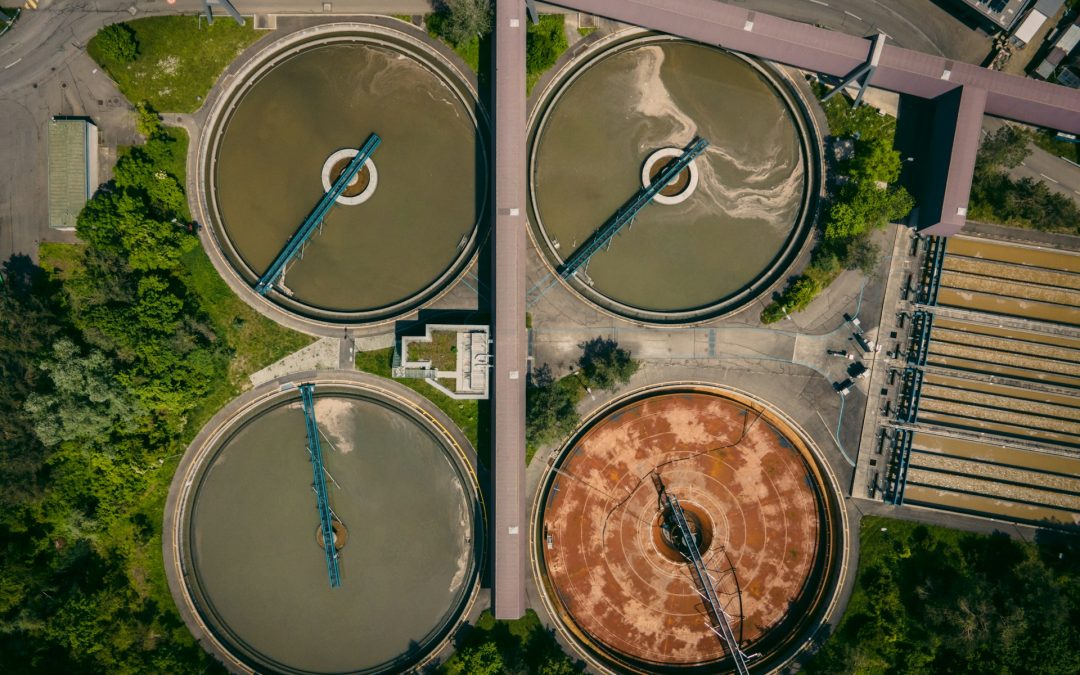
New York State Asset Management Program for Publicly Owned Treatment Works Walden is continuing work on Asset Management Projects (AMPs) for municipalities throughout the Hudson Valley and New York State’s Capital Region. To learn more about what an AMP is and how...

Walden Helps Municipalities Develop Capital Improvement Plan and Rate Analysis Toolboxes for the NYS Asset Management Program
NYS Asset Management Program for Publicly Owned Treatment Works Walden has been working with two New York State (NYS) municipalities as part of the NYS asset management program for municipalities to develop Asset Management Plans (AMPs) for Publicly Owned Treatment...
CT DEEP Issues a New General Permit for Its Remediation Program
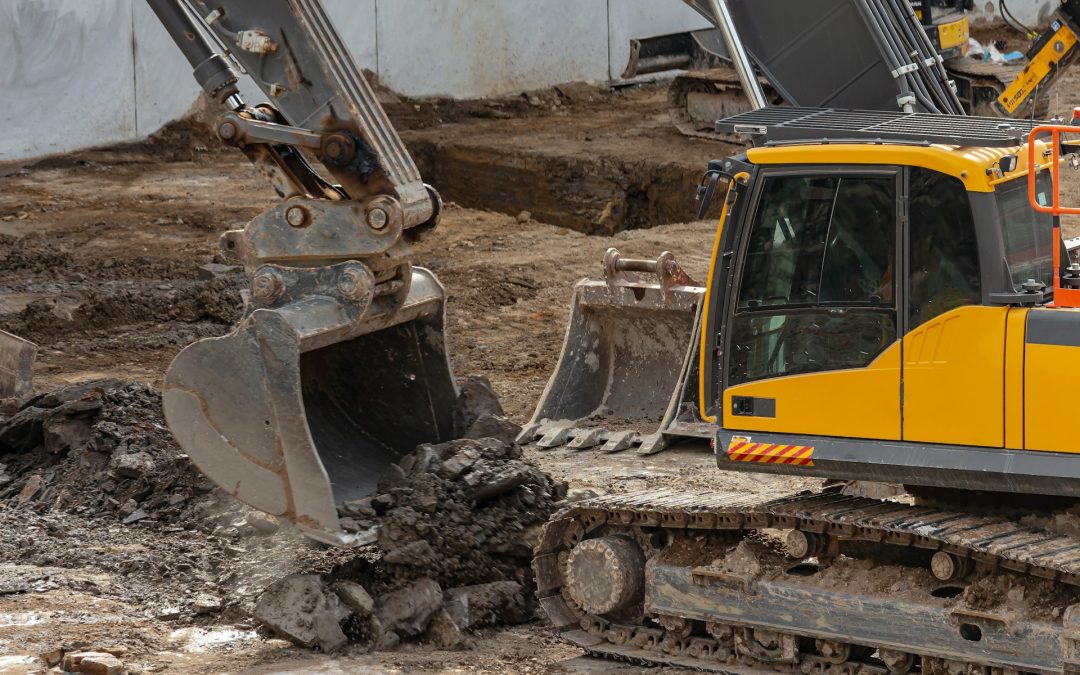
On October 20, 2025, the Connecticut Department of Energy and Environmental Protection (CT DEEP) issued a new general permit for its environmental remediation program. The new general permit allows for contractors to register with the CT DEEP as an “Existing Release...
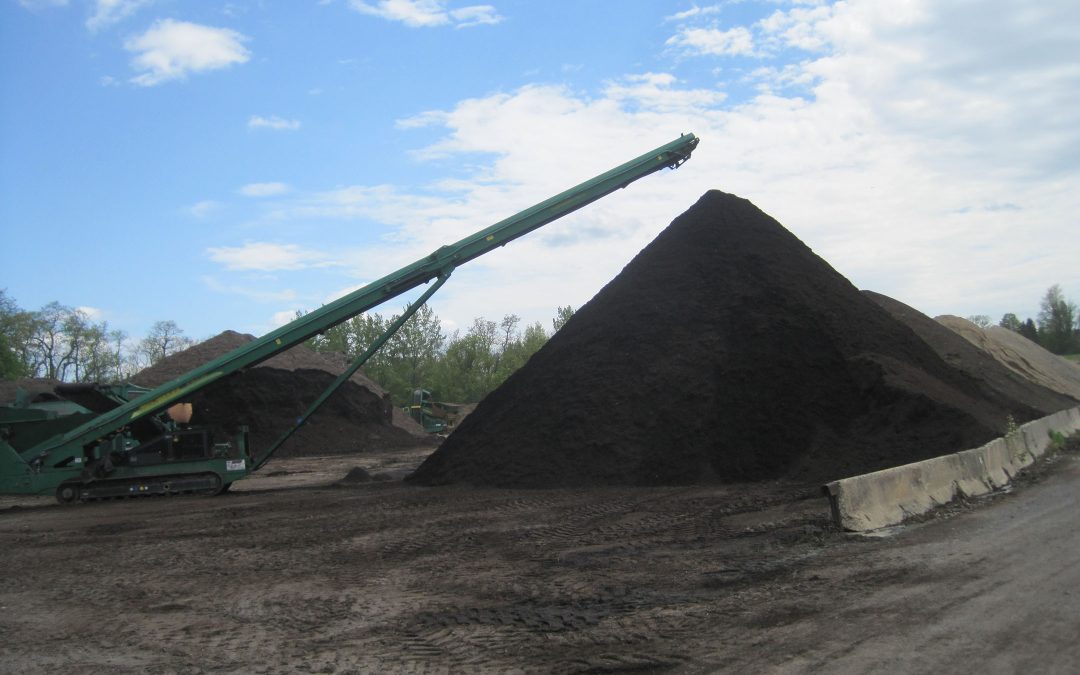
The Importance of Odor Control for Composting Facilities
What Causes Foul Odors When Composting? If not managed properly, organic material that is undergoing the composting process can produce unpleasant odors. The mishandling of compost piles can create an anaerobic environment that produces gases such as hydrogen sulfide...
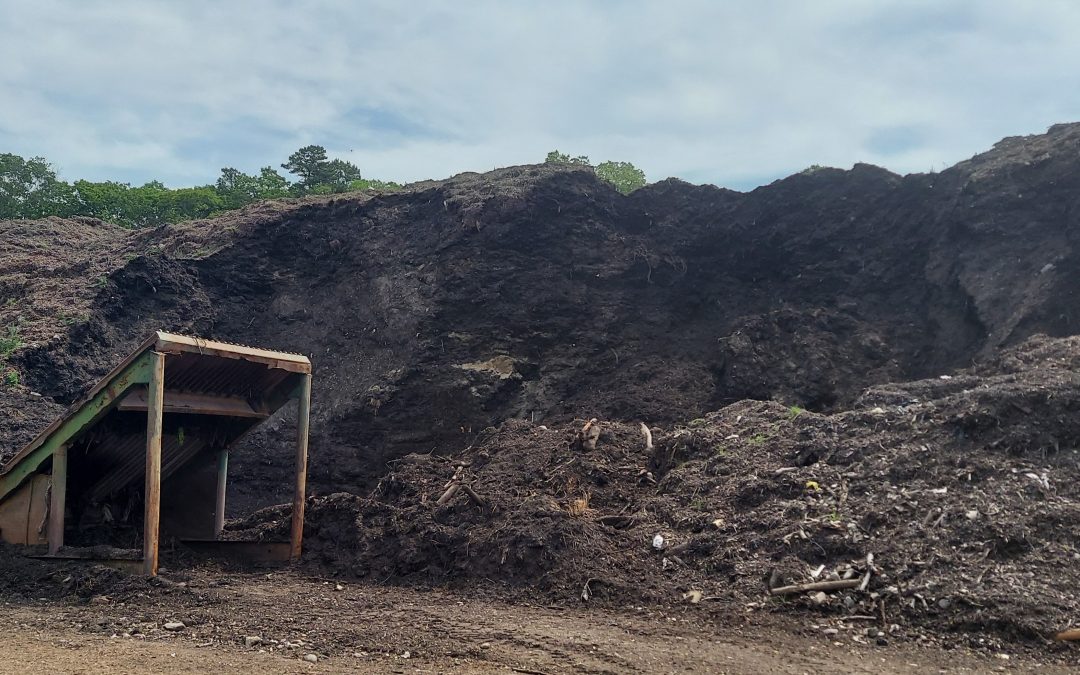
Benefits of Facilities that Compost Organic Material
Why Compost Organic Material? Composting is the process of recycling organic material, such as food waste or yard trimming waste (like leaves and grass), into a beneficial material. Creating compost, rather than just disposing of organic material, helps to reduce the...
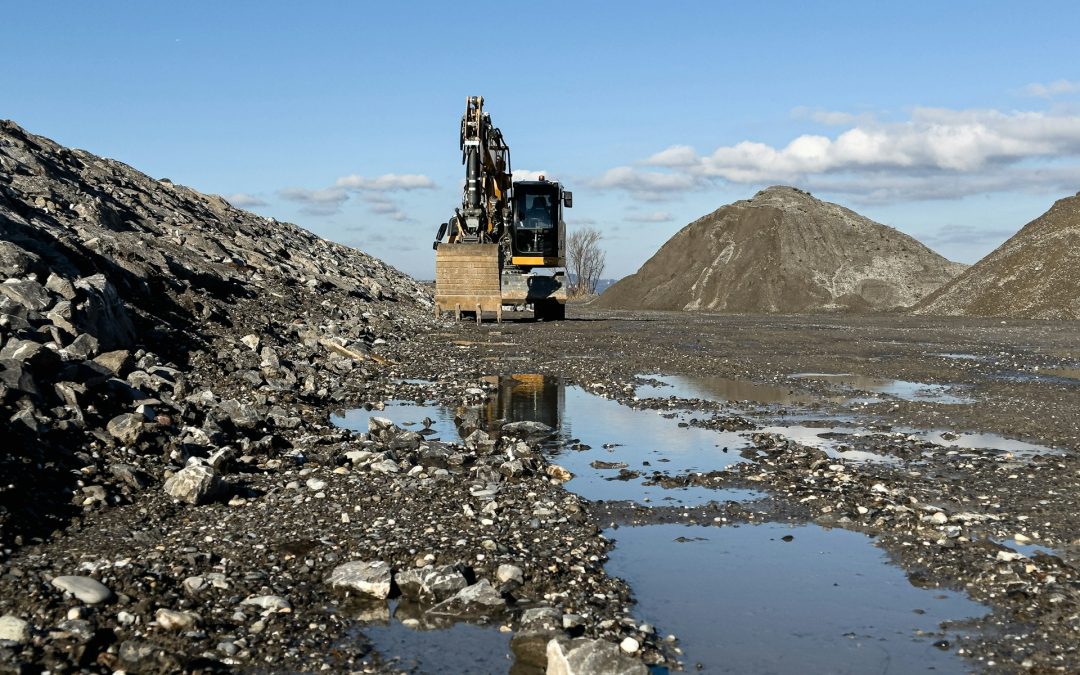
The Importance of Erosion and Sediment Control Training
NYSDEC’s 4-hour Erosion and Sediment Control Training The New York State Department of Environmental Conservation (NYSDEC) hosts four-hour erosion and sediment control trainings in partnership with county soil and water conservation districts. Certain professionals...
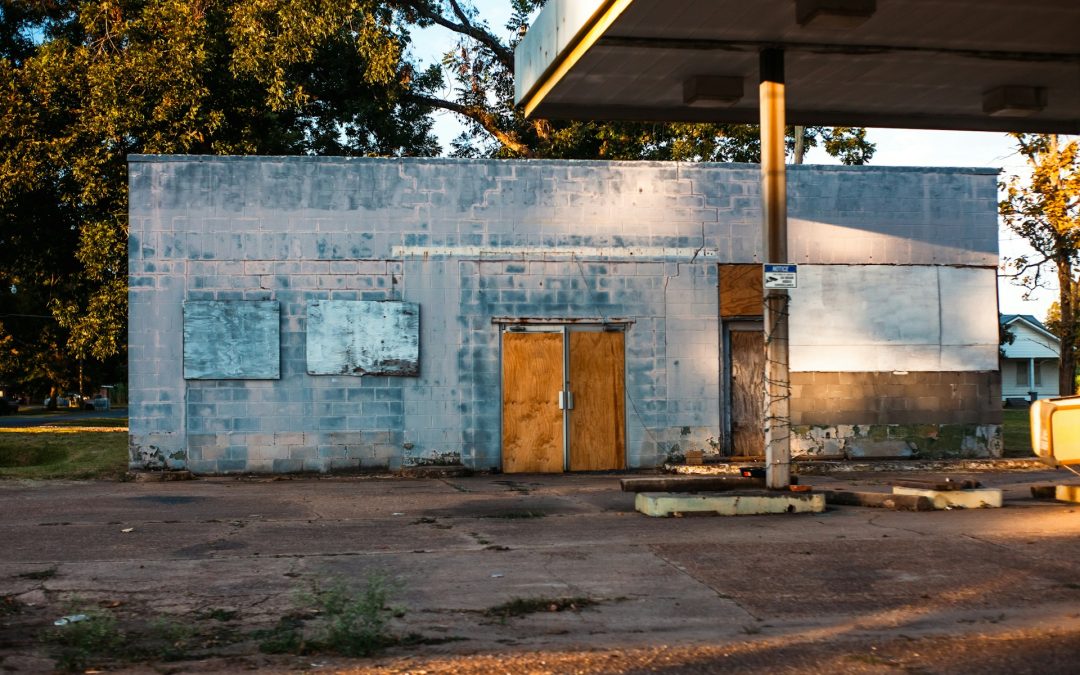
CT DEEP Opens Round 3 of Brownfield Grants to Support Open Space and Community Redevelopment
The Connecticut Department of Energy and Environmental Protection (DEEP) has launched Round 3 of its Brownfields Open Space Grant Program, continuing its efforts to transform contaminated properties into community spaces. This program helps municipalities and...

New York State’s Environmental Bond Act: 2024–2025 Progress
Back in 2022, New York passed the Clean Water, Clean Air, and Green Jobs Environmental Bond Act (EBA). This act authorized $4.2 billion in funding for environmental improvement projects throughout the state of New York. The funding is allocated toward eligible...
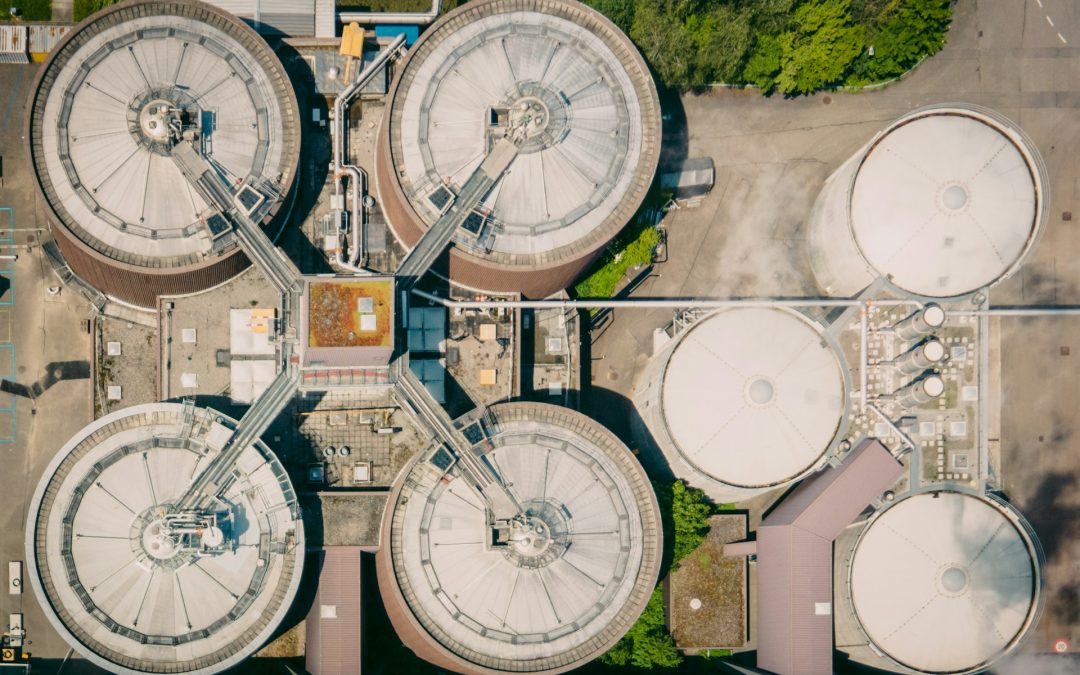
CT DEEP Reissues the General Pretreatment Permit for Non-Significant Industrial User (NSIU) Discharges
The Connecticut Department of Energy and Environmental Protection (CT DEEP) has announced the reissuance of the General Pretreatment Permit for Non-Significant Industrial User (NSIU) Discharges to Publicly Owned Treatment Works (POTWs). This CT Reissues General...