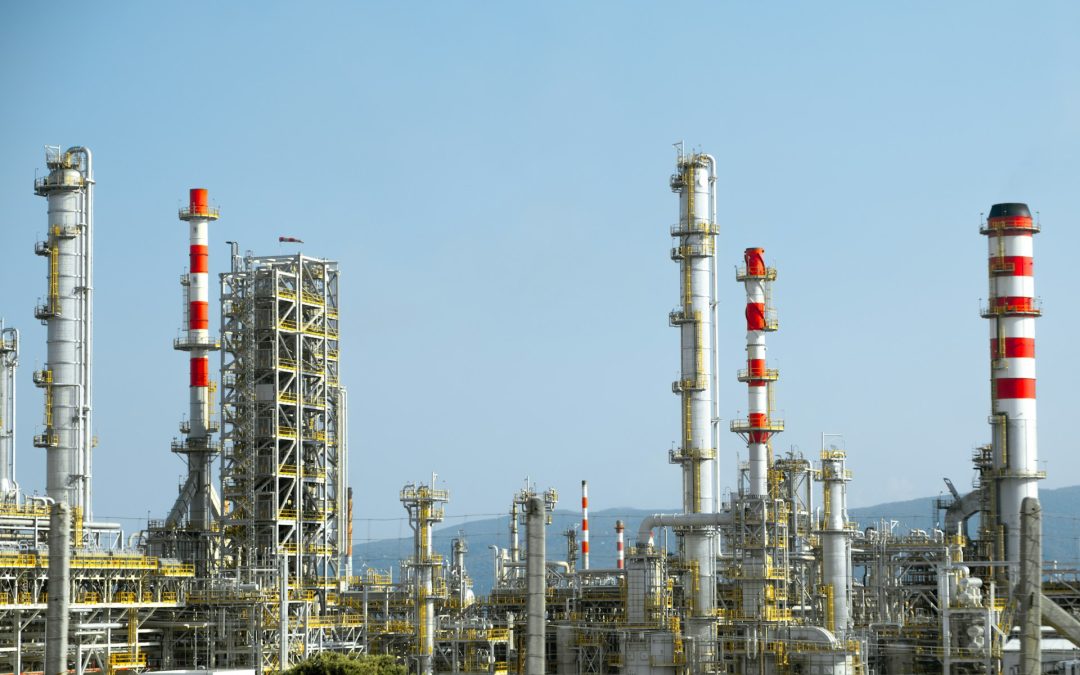
PFAS Reporting Update: What You Need to Know for 2026
The environmental compliance landscape for per- and polyfluoroalkyl substances (PFAS) continues to evolve. After the Environmental Protection Agency (EPA) finalized its PFAS reporting rule under TSCA Section 8(a)(7) in 2023, regulated parties have been working to...
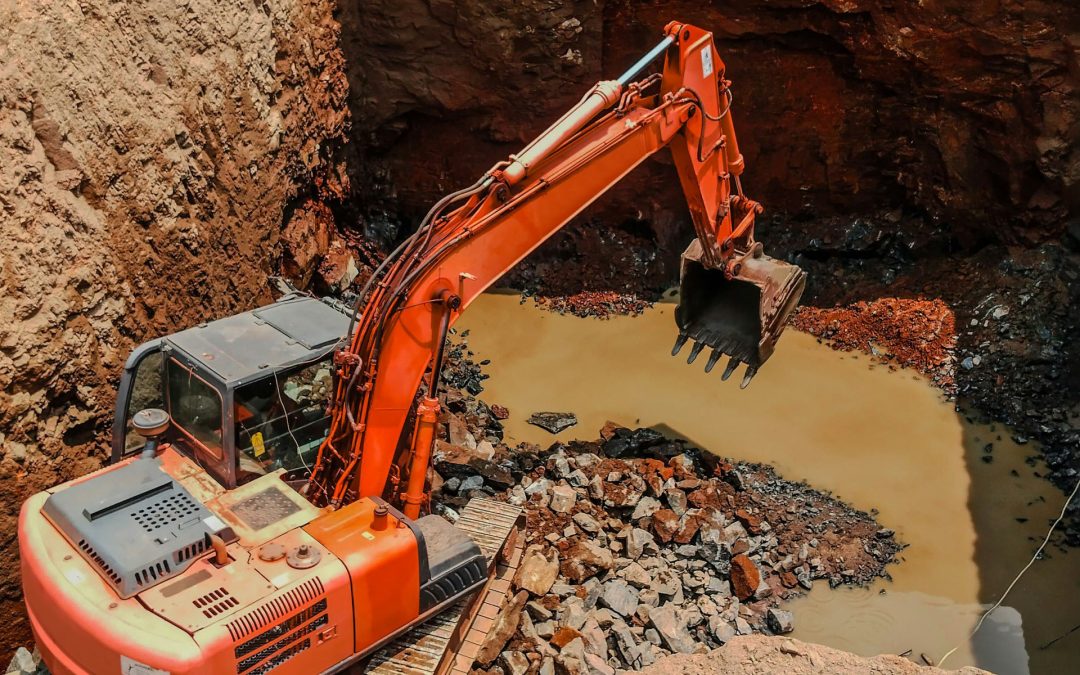
CT Reissues the Dewatering and Remediation Wastewater General Permit
The Connecticut Department of Energy and Environmental Protection (CT DEEP) has reissued the General Permit for the Discharge of Dewatering and Remediation Wastewaters (D2R GP) effective March 1, 2026. This follows the reissuance of the General Pretreatment Permit for...
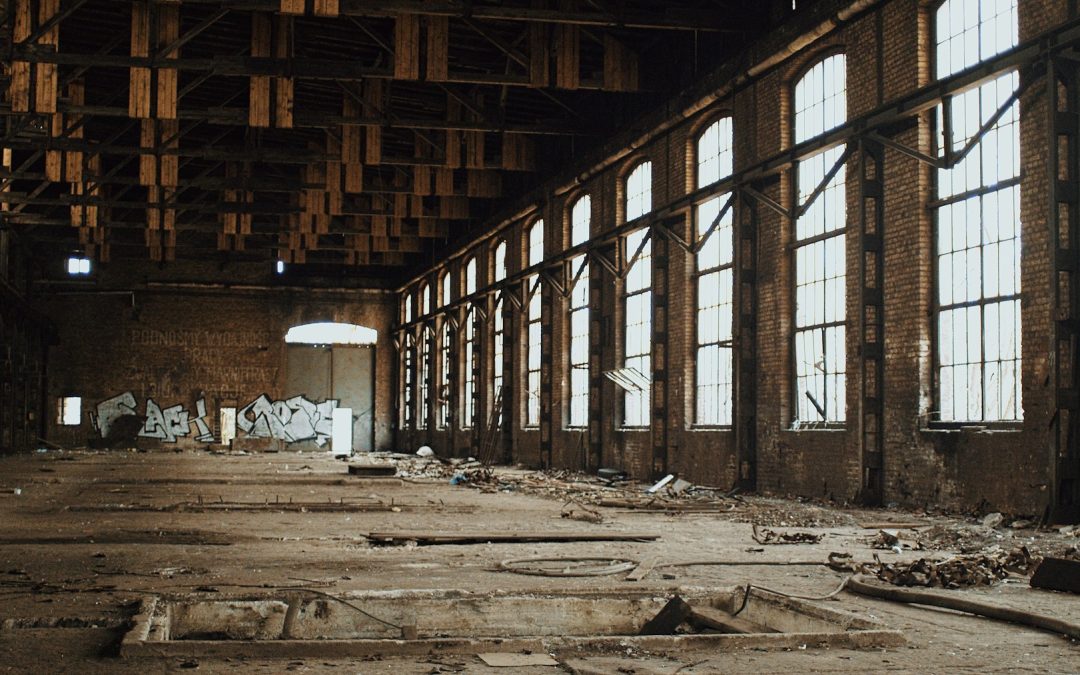
Revised NYSDEC Part 375 Regulations for Brownfield Cleanup Program
Effective on December 31, 2025, the New York State Department of Environmental Conservation (DEC) has adopted revised 6 NYCRR Part 375, Environmental Remediation Programs, which conforms with both the 2015 and 2022 amendments with respect to the Brownfield Cleanup...
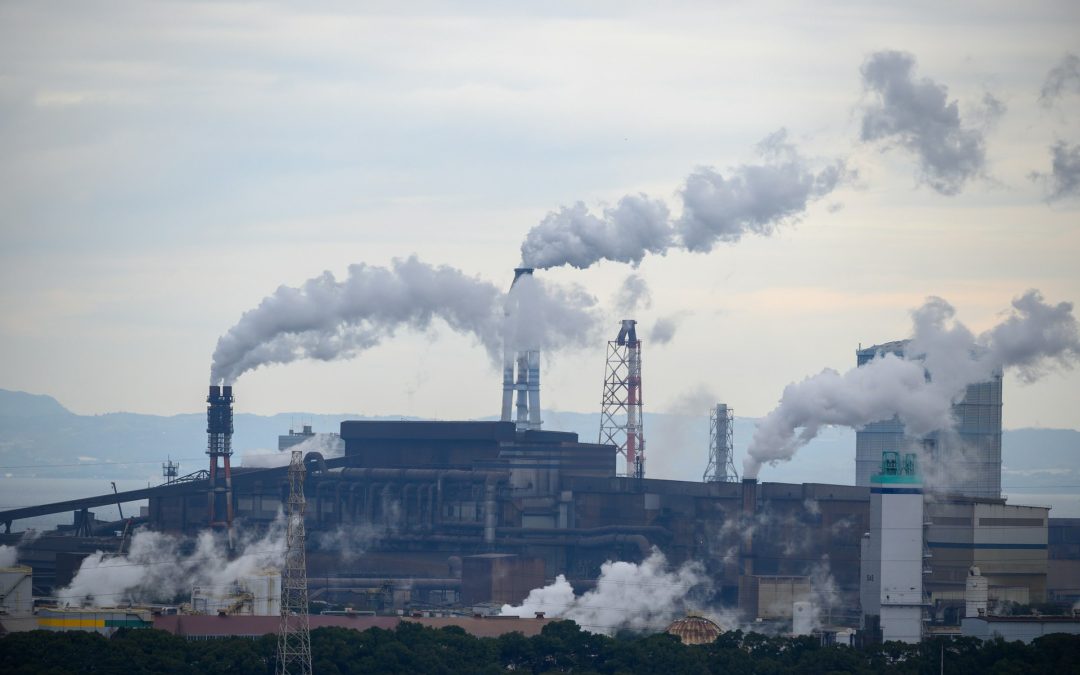
Title V Annual Emissions Reporting
Annual emissions reports for facilities holding a Title V Operating Permit in New York State are required to be submitted to the New York State Department of Environmental Conservation (NYSDEC) by April 15 for the previous calendar year. What Is the Purpose of...
Waters of the United States: Updates Regarding Proposed Rule
The term Waters of the United States (or ‘WOTUS’) and its implications on federal wetland protection have been a major point of contention, most notably sparked by the case brought upon by Michael and Chantell Sackett in 2007 to resume construction work on their...

CT’s New Release-Based Cleanup Regulations
Connecticut (CT) has adopted the Release-Based Cleanup Regulations (RBCRs), a major change to how environmental contamination is managed statewide. The regulations were adopted on May 16, 2025 and take effect March 1, 2026. What the New Regulations Cover The CT...
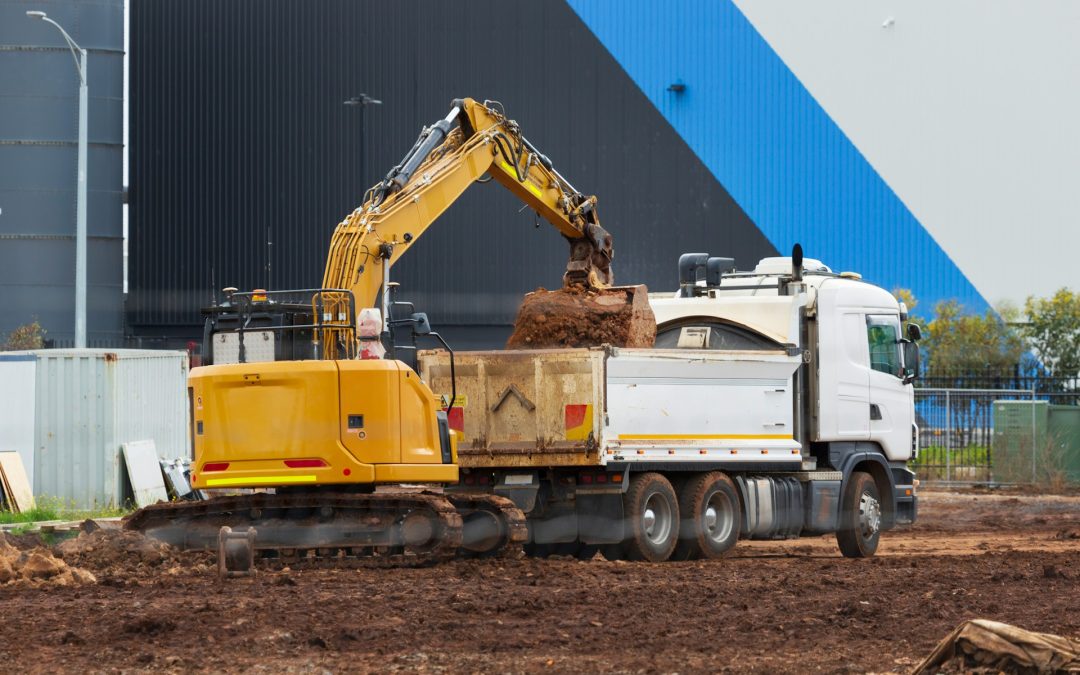
Revised NYSDEC Part 375-6.8 Regulations and Their Applicability to Part 360
On December 31, 2025, the New York State Department of Environmental Conservation’s (DEC’s) amendments to 6 NYCRR Part 375 took effect. These regulatory changes are the result of an extensive revision process. The Part 375 updates have a wide range of impacts and...
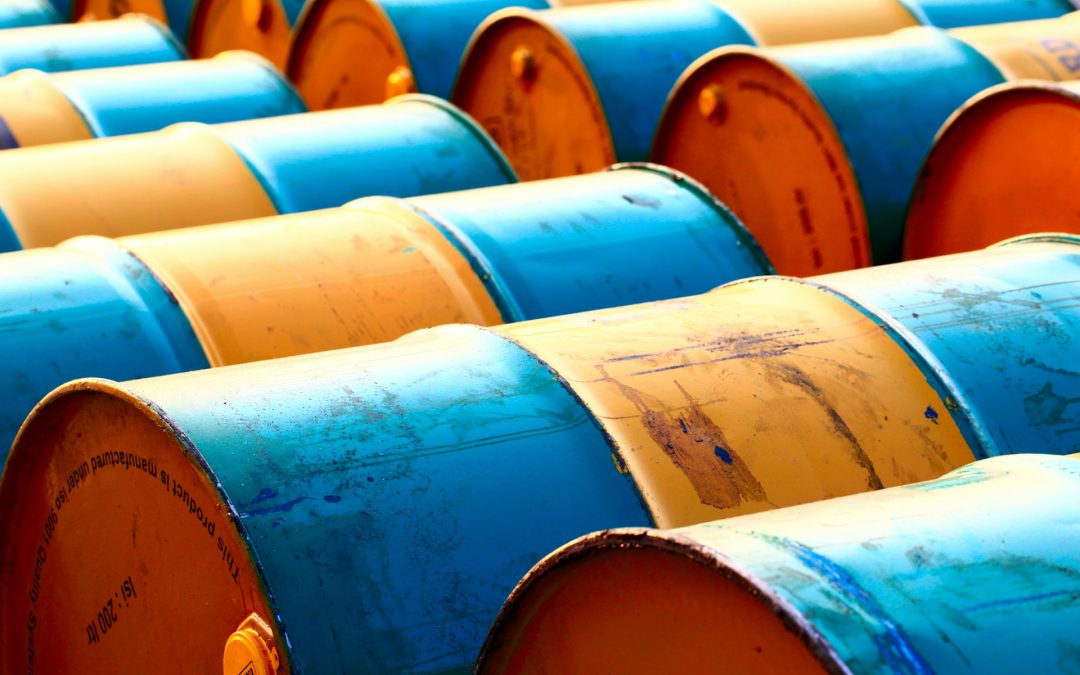
Biennial Reports for LQGs due March 1, 2026
If you are a Large Quantity Generator (LQG) of hazardous waste in Connecticut, it is time to begin preparing your biennial report, as the March 1 deadline is quickly approaching. The Connecticut Department of Energy and Environmental Protection (CT DEEP) requires...
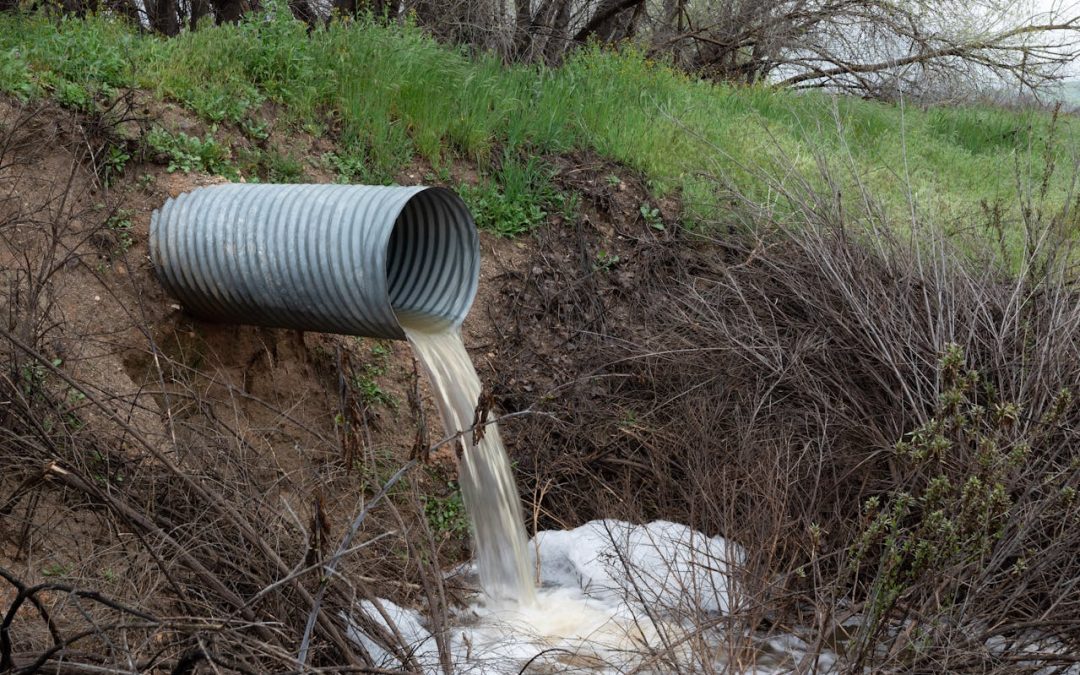
General Permit for the Discharge of Dewatering and Remediation Wastewaters
The Commissioner of the Connecticut Department of Energy and Environmental Protection (DEEP) issued a Notice of Tentative Determination on December 24, 2025, indicating the agency’s intent to renew the General Permit for the Discharge of Dewatering and Remediation...
Revised NYSDEC Part 375 Regulations for Inactive Hazardous Waste Sites
In February of 2024, the New York State (NYS) Department of Environmental Conservation (DEC) initially announced amendments to 6 NYCRR Part 375, Environmental Remediation Programs. Later that year, around mid-October, DEC published a notice of revised rulemaking to...