
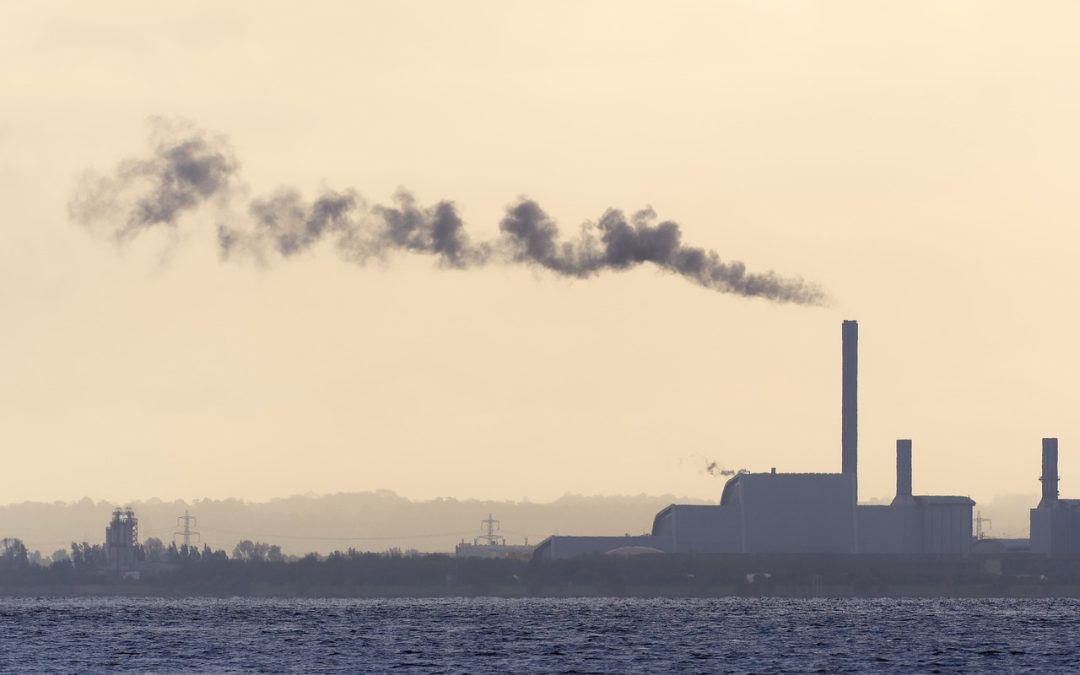
NYSDEC Explains CLCPA with New Policy, DAR-21
On December 8, 2021, the New York State Department of Environmental Conservation (NYSDEC) proposed policy document DAR-21, titled “The Climate Leadership and Community Protection Act (CLCPA) and Air Permit Applications.” This policy outlines the requirements for CLCPA...
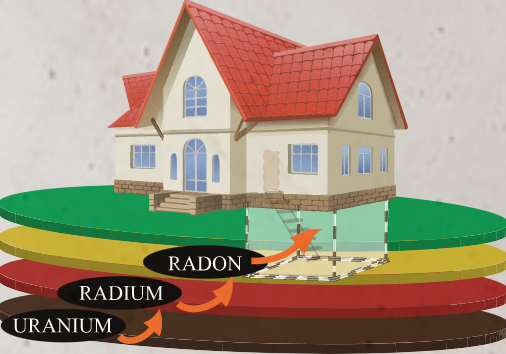
Protect Your Family, Schools and Businesses from Radon
Radon is a gas that is colorless, odorless, tasteless, and radioactive. This gas is found in soil and rocks and produced from the decay of naturally occurring uranium. The American Lung Association states that indoor radon is the second leading cause of lung cancer in...
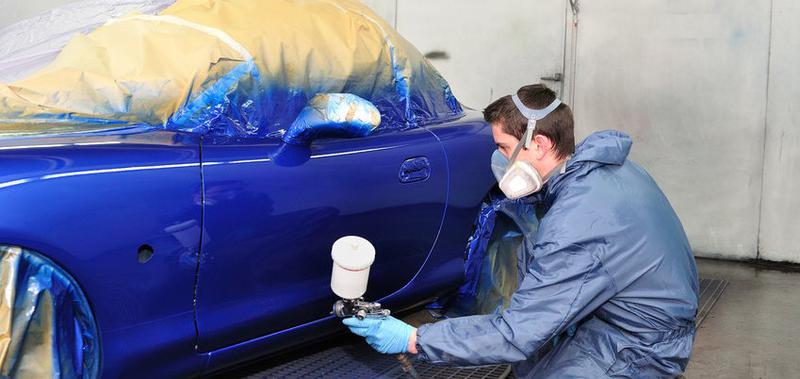
Giving Your Spray Booth Space
If your facility has a spray booth, it is important that you provide adequate clearance around it to ensure you’re in compliance with OSHA regulations. In most cases, that means that “each spray booth shall be separated from other operations by not less than 3 feet,...
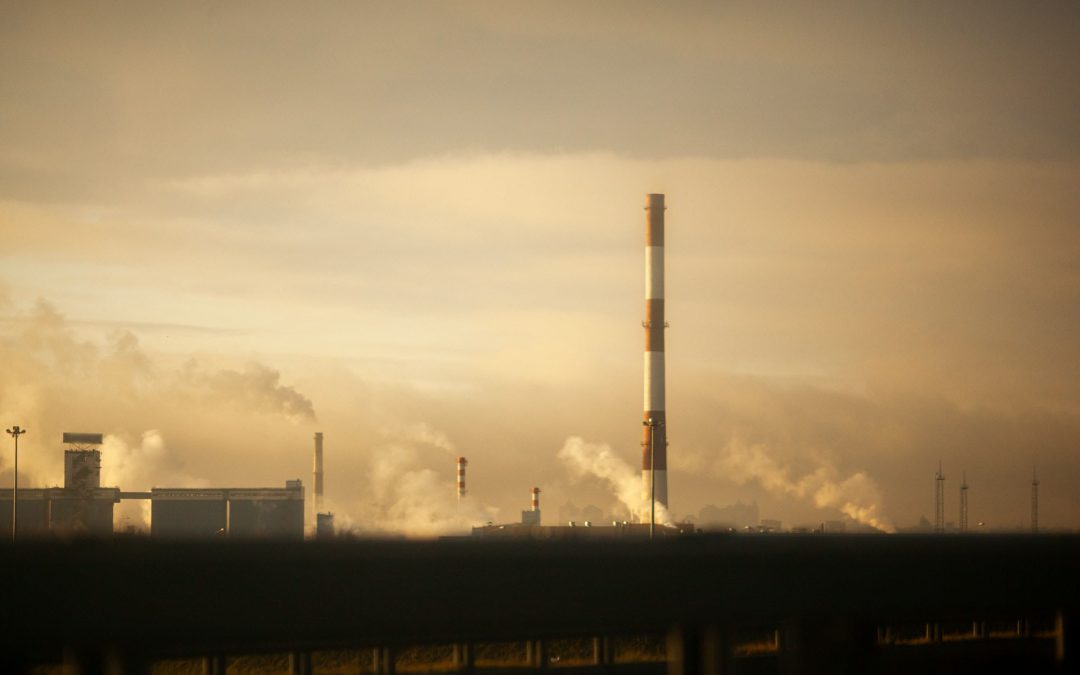
NYSDEC Is Proposing to Amend DAR-1 Policy for Implementing Part 212
The New York State Department of Environmental Conservation (NYSDEC) is proposing to revise the guidelines for Part 212 to improve the clarity of its requirements. What do the guidelines implicate? The document issued by NYSDEC outlines the procedures for evaluating...
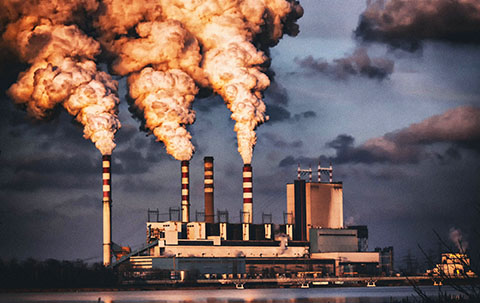
How Will the Recent Revisions to 6 NYCRR Subpart 202-2 Affect Your Facility?
Facilities that are classified as “major facilities” per 6 NYCRR 201-2.1 (Subpart 201-2) are subject to Title V permit requirements. Under 6 NYCRR 202-2 (Subpart 202-2), all facilities must provide an annual emissions statement, which is a quantitative summary of air...
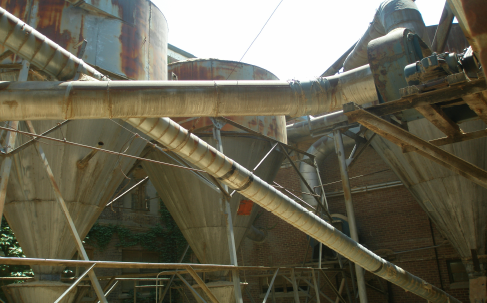
CONTROLLING THE AIR QUALITY IN YOUR FACILITY: Meeting Permitting and Recordkeeping Requirements
State and local regulations govern the permissible levels of certain emissions. Those requirements dictate when a facility owner needs a permit. Permits and registrations are legal documents that facility owners and operators must follow. Air permitting requirements...
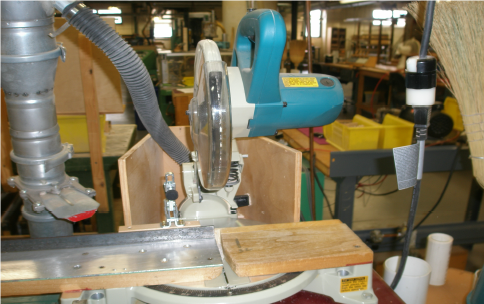
Controlling the Air Quality in your Facility: How to Ensure You’re Meeting Applicable Requirements
There are a few primary instances when manufacturers should test their air quality: upon setting up a new operation or piece of equipment, to identify the source of any potential exposures to hazardous material, and to confirm that operations all meet regulatory...
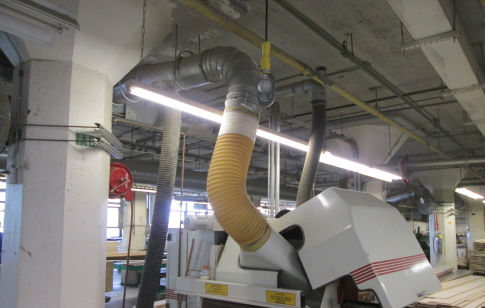
Controlling the Air Quality in your Facility: Developing Effective Engineering Controls
Employers can manage their hazardous emissions with careful planning and thoughtful engineering. With the proper controls in place, emissions of chemical vapor, dust or fine particles can be controlled to ensure workers’ safety. Engineering controls either minimize...
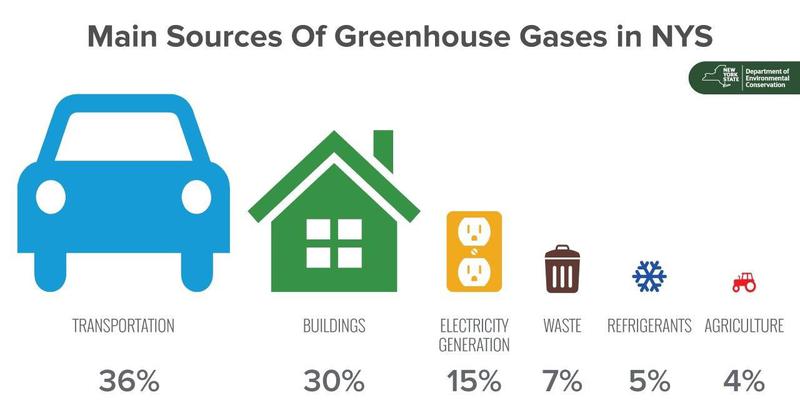
NYSDEC and NYSERDA Take Steps to Support Implementation of State’s Nation-Leading Climate
The New York State Department of Conservation (NYSDEC) and the New York State Energy Research and Development Authority (NYSERDA), whose leaders oversee the State’s Climate Action Council, recently appointed members to the newly created “Just Transition” Working Group...
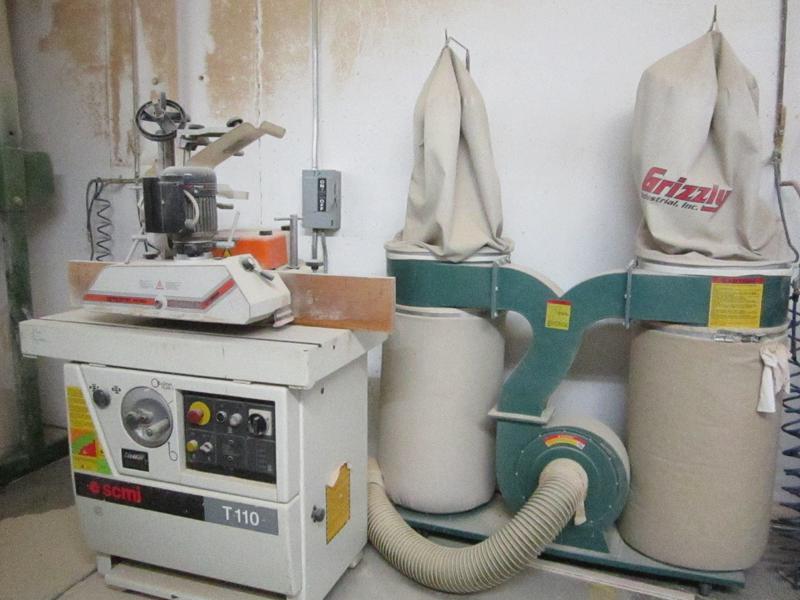
Air Emissions Controls: Identifying the Right Solution for Every Problem
Once a company recognizes that it produces potentially hazardous emissions, it should create an action plan to mitigate any risks and negative impacts. Fortunately, OSHA lays out a clear framework of controls to manage workplace hazards, enabling companies to create a...