

EPA’s Final Rule on TCE: Regulatory Freeze and Further Delays
Trichloroethylene (TCE), a toxic chemical linked to severe health effects, has been a focus of recent regulatory changes. The Environmental Protection Agency (EPA) issued a final rule in December 2024 to ban the manufacture, processing, and distribution of TCE for all...

How to Comply with OSHA’s Ladder Safety Requirements
The American Academy of Orthopedic Surgeons estimates that 500,000 people are treated for ladder-related injuries each year, and about 300 of those incidents result in fatality. In January 2025, EHS Today published an article stating that the most common...

Conditional Exclusions for Solvent-Contaminated Wipes
In 2013, the Environmental Protection Agency (EPA) published a final rule that modified its hazardous waste management regulations for solvent-contaminated wipes under the Resource Conservation and Recovery Act (RCRA). This rule revised the definition of solid waste...

Say Goodbye to Trichloroethylene in 2025
EPA Bans Trichloroethylene Trichloroethylene (TCE) has various uses, but it is commonly utilized as a solvent for cleaning, adhesives, and paints, or for extracting fats and oils from materials. TCE was most commonly used throughout the mid-1900s and is favored in...

Do Your Employees Know What to Do During an Emergency?
Cardiopulmonary Resuscitation (CPR) and Automatic External Defibrillators (AEDs) When someone has a heart attack or other catastrophic injury that interrupts their breathing and heart function, CPR can save their life, but only if someone else knows how perform it....
Everything You Need to Know about Tier 2/Right-to-Know
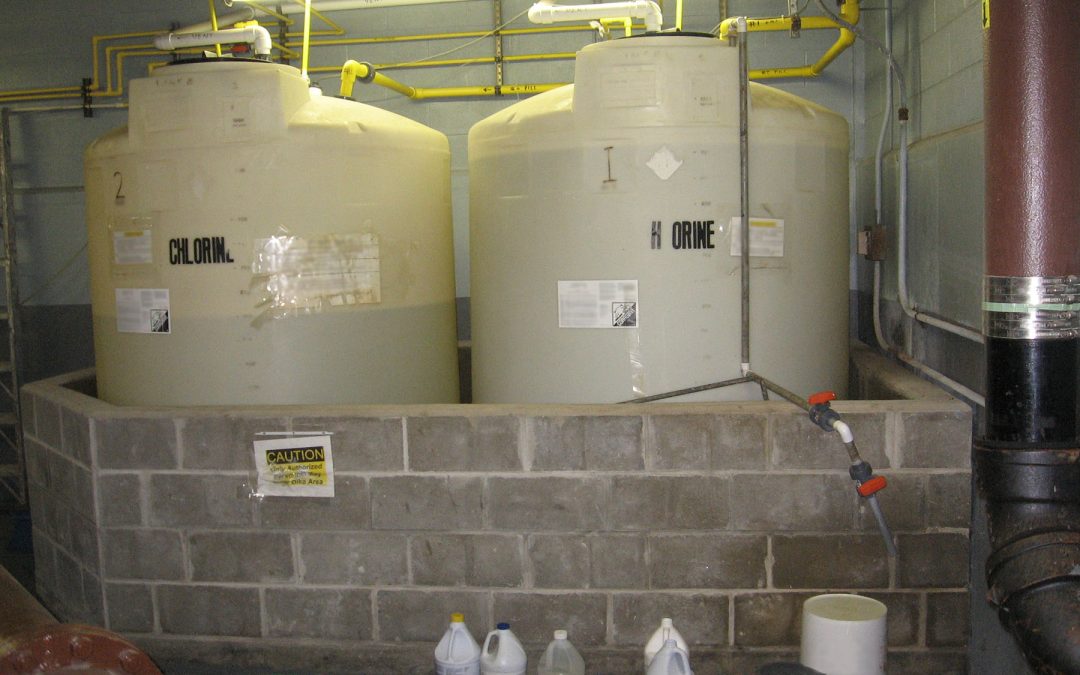
What is Tier 2? Tier 2 reporting was mandated in 1986 by the Environmental Protection Agency (EPA) as part of the Emergency Planning and Community Right-to-Know Act (EPCRA). It requires any business that stores or handles hazardous chemicals (in certain quantities) to...

CT DEEP Proposes a Second Comment Period for the Industrial Stormwater General Permit (IGP)
If you are waiting for the newest version of the General Permit for the Discharge of Stormwater Associated with Industrial Activities (“Industrial Stormwater General Permit,” “the permit,” or “the IGP”), you are not alone. The Connecticut Commissioner of the...

Injury and Illness Recordkeeping Forms 300, 300-A, and 301
The Regulation Under the Occupational Safety and Health Administration’s (OSHA’s) recordkeeping regulation (29 CFR 1904), most businesses with more than ten employees are required to submit an annual report of work-related incidents. An “incident” is described as an...
New Mandatory E-Manifest Registration
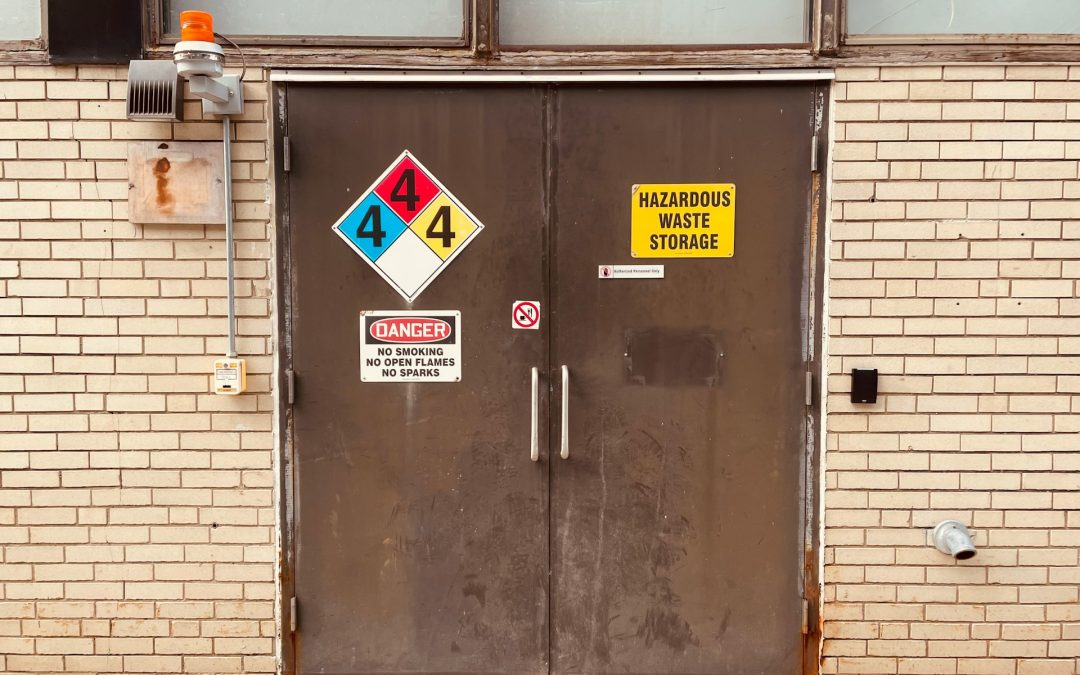
If you ship, receive, or treat hazardous waste, you probably know what a uniform hazardous waste manifest is. If you don’t, a uniform hazardous waste manifest (aka “manifest”) is a shipping document required by the Environmental Protection Agency (EPA) to track...
What You Should Know About Proper Waste Management
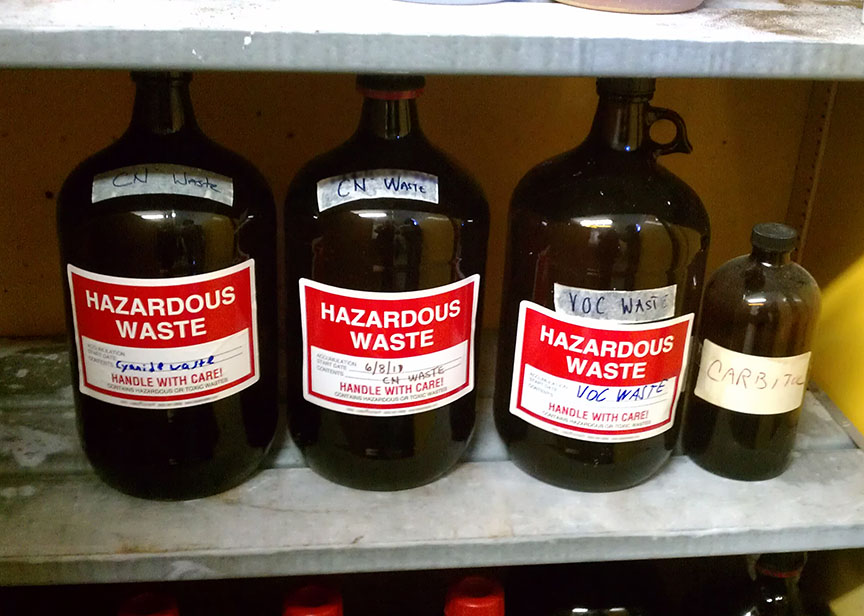
If you operate a business, you are most likely producing waste. Waste can range from general trash and recycling to hazardous, non-hazardous, or biohazardous waste. For example, a medical facility may produce biohazardous waste, while industrial and commercial...