

PFAS Reporting Update: What You Need to Know for 2026
The environmental compliance landscape for per- and polyfluoroalkyl substances (PFAS) continues to evolve. After the Environmental Protection Agency (EPA) finalized its PFAS reporting rule under TSCA Section 8(a)(7) in 2023, regulated parties have been working to...

Bridging the Gap: How to Maintain EHS Compliance When Your Safety Leader Leaves
When your Environmental Health and Safety (EHS) leader leaves – whether expected or not – it doesn’t take long for their absence to have an impact. If you are not prepared for this transition, you may start to notice that trainings are being missed, reports are piling...

CT Reissues the Dewatering and Remediation Wastewater General Permit
The Connecticut Department of Energy and Environmental Protection (CT DEEP) has reissued the General Permit for the Discharge of Dewatering and Remediation Wastewaters (D2R GP) effective March 1, 2026. This follows the reissuance of the General Pretreatment Permit for...
GHG Reporting for General Industry in CT and NY
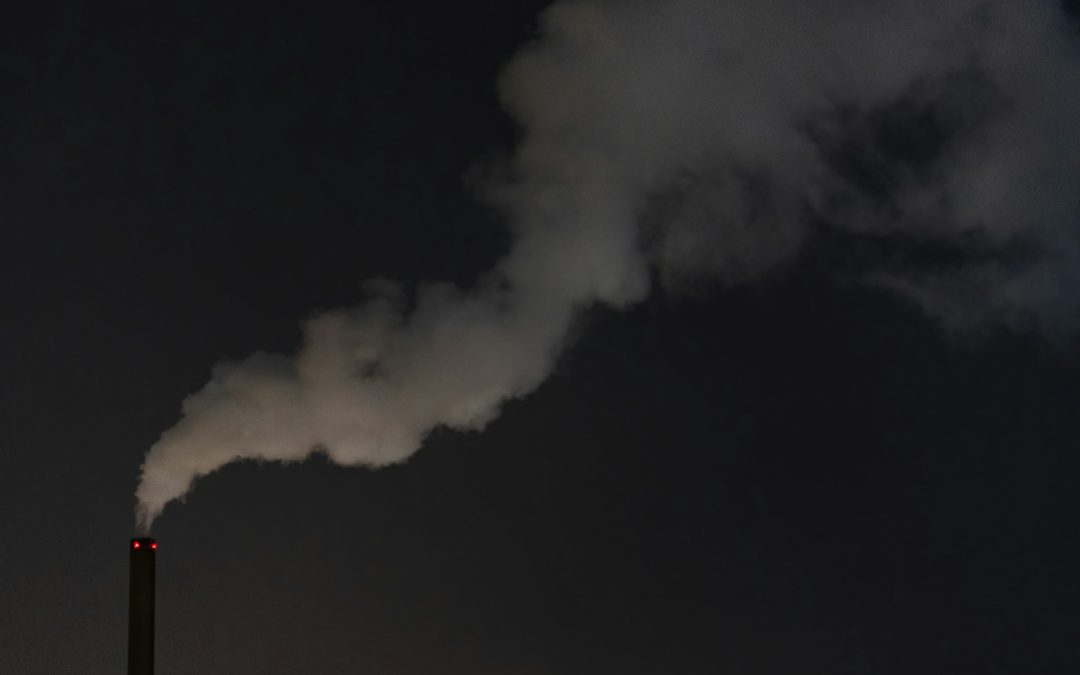
What Are Greenhouse Gases and GHG Emissions? Greenhouse gases (GHGs) are atmospheric gases, such as carbon dioxide (CO2), methane (CH4), and nitrous oxide (N2O), that trap heat in the atmosphere and contribute to climate change. While GHG reporting has historically...

Biennial Reports for LQGs due March 1, 2026
If you are a Large Quantity Generator (LQG) of hazardous waste in Connecticut, it is time to begin preparing your biennial report, as the March 1 deadline is quickly approaching. The Connecticut Department of Energy and Environmental Protection (CT DEEP) requires...
The Role of First Aid and CPR in Emergency Response Plans: How Prepared Are You?
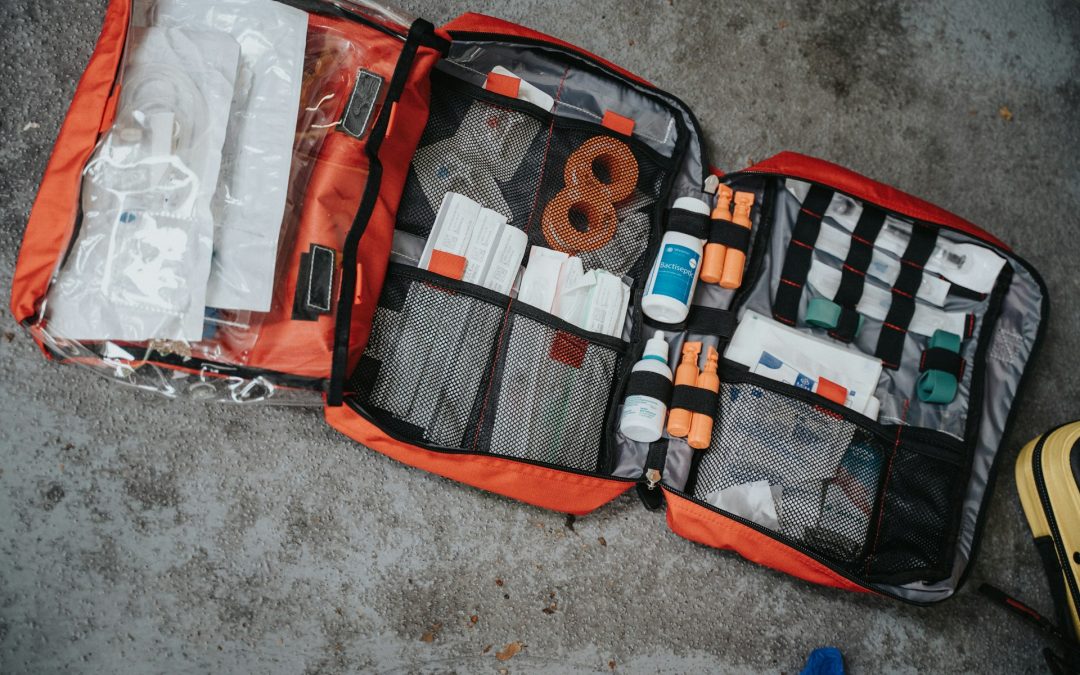
Most people don’t head into work expecting to deal with a serious injury or life-threatening emergency, but these situations do happen. The truth is, emergencies can happen anywhere at any time, and the best defense is being prepared. When an emergency strikes, time...
CT DEEP Issues Notice of Tentative Determination to Renew the Comprehensive General Permit
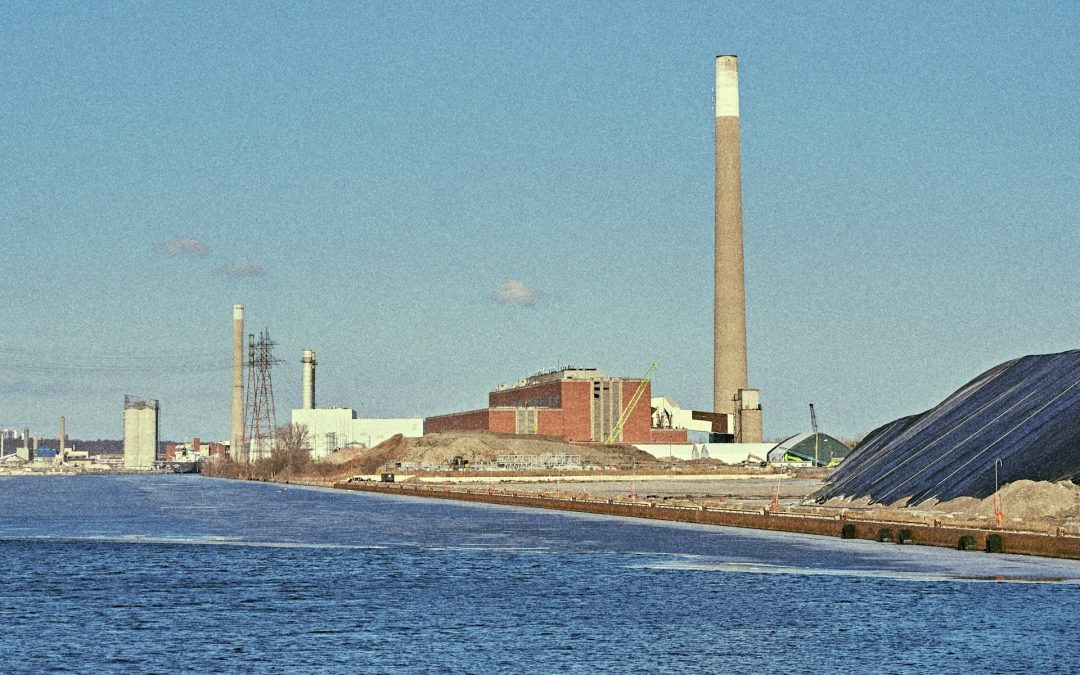
The Connecticut Department of Energy and Environmental Protection (CT DEEP) has issued a Notice of Tentative Determination to renew the Comprehensive General Permit for Discharges to Surface and Groundwater. Public comments on the proposed renewal are due by January...

Bloodborne Pathogens in Manufacturing Environments
When most people think of bloodborne pathogen (BBP) exposure, they picture hospitals or medical labs, but the risk extends far beyond healthcare. Exposure to BBPs can happen pretty much anywhere. Manufacturing environments specifically, especially those involving...

Bloodborne Pathogens in the Workplace
If you work in the medical field, it’s almost guaranteed that you have heard of bloodborne pathogens (BBPs). BBPs are infectious microorganisms present in blood and (sometimes) other bodily fluids that can cause diseases in humans. The most common and concerning BBPs...
EPA Reconsiders the TSCA Risk Management Rule for Perchloroethylene (PCE)
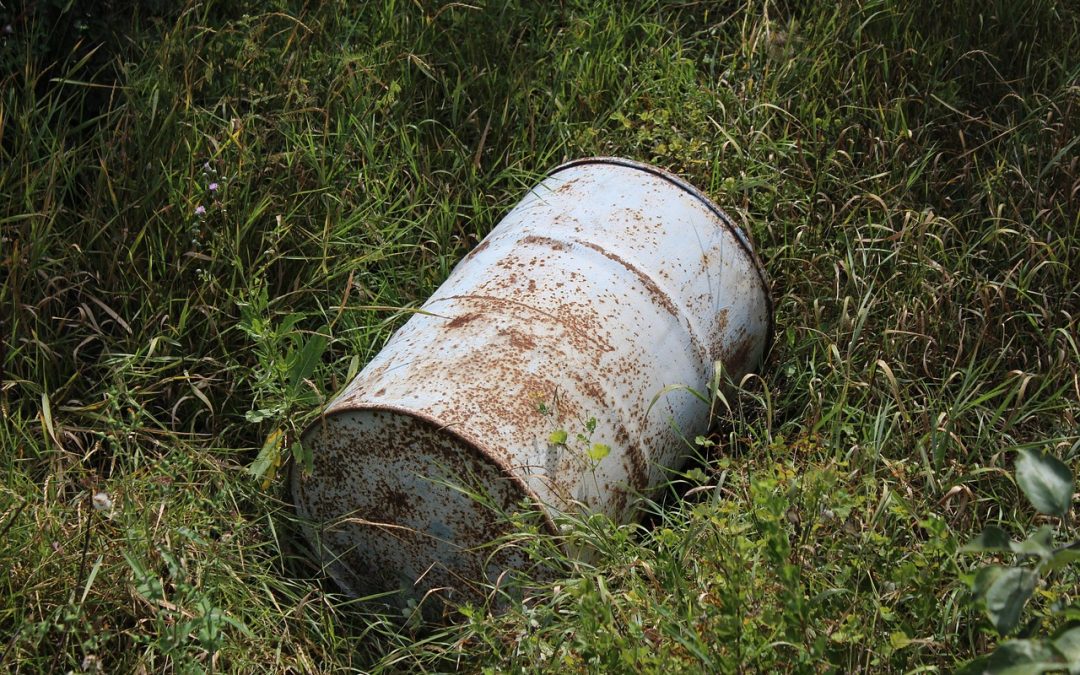
The Environmental Protection Agency (EPA) has released an important update regarding its ongoing reconsideration of the 2024 Perchloroethylene (PCE) Risk Management Rule under the Toxic Substances Control Act (TSCA). This update outlines EPA’s anticipated timeline for...