
What You Should Know about EPA’s Risk Evaluation for 1,1-Dichloroethane
On June 17, 2025, the U.S. Environmental Protection Agency (EPA) finalized its Toxic Substances Control Act (TSCA) risk evaluation for 1,1-dichloroethane, concluding that the chemical poses an unreasonable risk to human health under certain conditions of use (COUs). This decision triggered the next phase of regulatory action: risk management to reduce worker exposure.
What Is 1,1-Dichloroethane?
1,1-Dichloroethane is primarily used as a solvent in industrial and commercial settings, and as a building block for other chlorinated chemicals such as 1,1,1-trichloroethane. It also has limited uses in laboratory research. Despite its broad applications, its potential health risks have raised concern, especially in occupational settings.
1,1-Dichloroethane isn’t the only toxic chemical under EPA’s microscope. In recent years, the agency has completed similar risk evaluations for trichloroethylene (TCE) and methylene chloride (DCM), which are two other chlorinated solvents commonly used in industrial settings.
Like 1,1-dichloroethane, both TCE and DCM were found to present unreasonable risks to human health, especially through inhalation exposure during workplace activities. EPA is currently finalizing risk management rules for each chemical, signaling a broader regulatory shift toward stricter control of high-risk solvents under the TSCA. These actions emphasize the need for employers to stay ahead of evolving compliance requirements.
Findings from the Risk Evaluation
EPA’s evaluation focused on eight conditions of use across 1,1-dichloroethane’s life cycle, from manufacturing to disposal. The agency found that three COUs involving worker exposure significantly contribute to the unreasonable risk. Notably, exposures to the general public and the environment were not considered major risk contributors.
EPA reviewed inhalation monitoring data provided through a TSCA Section 4 test order, including site-specific information on engineering controls, PPE, and chemical safety protocols. However, the final risk determination did not account for the use of PPE (a standard EPA practice to ensure conservative risk estimates). That said, the report affirms that proper PPE (e.g., respirators with Assigned Protection Factors of 10 to 25) can effectively mitigate these risks when used consistently and correctly.
What Next?
EPA is now required under TSCA Section 6 to conduct the risk management phase. This means the agency must propose a rule within one year (due June 2026) to address the risks identified, most likely through workplace exposure limits, process controls, or other protective requirements. A public comment period will precede any final rulemaking, offering stakeholders a chance to weigh in. As of the date of publication of this blog – September 15, 2026 – the EPA has yet to release this proposed rule.
If your facility uses 1,1-dichloroethane, now is the time to review your current exposure controls and inhalation risks. While the final rule is still in development, demonstrating proactive compliance today can help you stay ahead of the curve, protect your workforce, and avoid costly surprises down the line.
Contact Walden’s Environmental Health and Safety team at 860-846-4069 for help with air monitoring, risk assessments, control implementation, and more.
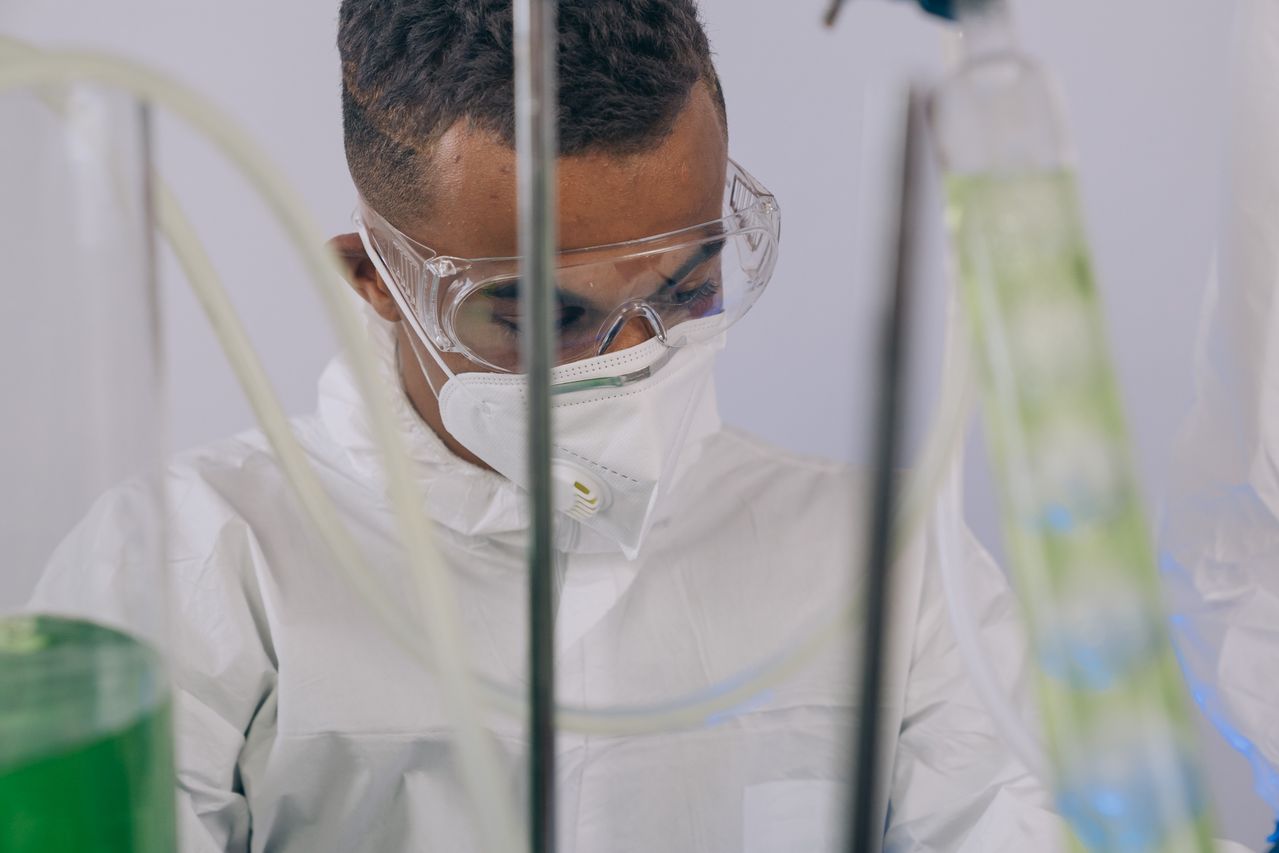
Photo by Mikhail Nilov: https://www.pexels.com/photo/a-man-wearing-safety-glasses-and-facemask-9243276/