
What Makes a Hazardous Atmosphere? A Guide for Respiratory Protection
Respiratory protection is an essential component of workplace safety across various industries. Whether in construction, manufacturing, or emergency response, workers often face airborne hazards that can lead to serious short- or long-term health effects. Knowing when respiratory protection is required, what hazards may be present, and what types of equipment are available is key to maintaining a safe work environment.
When Is Respiratory Protection Needed?
Respiratory protection is required when workers are exposed to hazardous airborne substances above OSHA’s permissible exposure limits (PELs). These limits define the maximum amount of a substance that workers can be safely exposed to over a certain time. If engineering controls, such as local exhaust ventilation, are not sufficient to reduce exposure below these limits, employers must provide appropriate respirators.
Hazards That Require Respiratory Protection
Workers may require respiratory protection when exposed to:
- Particulate hazards: Examples are dusts, mists, and metal fumes. These are common in industries like construction, mining, and welding. Particulate hazards may lead to respiratory diseases like silicosis or occupational asthma.
- Chemical vapors and gases: Examples include chlorine, ammonia, and various solvents. These can cause serious health effects ranging from respiratory irritation to organ damage and chemical burns.
- Biological hazards: Examples include viruses, bacteria, and mold spores. These are particularly relevant in healthcare, sanitation, and laboratory environments.
- Oxygen-deficient atmospheres: These are areas where the available air cannot support normal respiration. This often occurs in confined spaces or areas where chemical reactions consume available oxygen.
Examples of Different Types of Respiratory Protection
The appropriate type of respiratory protection depends on the severity of the hazard. Common types include:
- Filtering Facepiece Respirators (FFRs): These are typically disposable masks. The most common example is the N95 masks. These masks filter out airborne particulates but do not protect against gases or vapors.
- Elastomeric Respirators: These are available in half-face and full-face versions. They use replaceable filters or cartridges suited to specific hazards including particulates, organic vapors, and acid gases. Full-face models offer additional eye protection.
- Powered Air-Purifying Respirators (PAPRs): These respirators are battery-powered units that draw air through filters and deliver it to the individual via a face piece or hood. This form of respiratory protection provides higher comfort and protection, especially for extended use. PAPRs are common in hazardous material handling and manufacturing.
- Supplied-Air Respirators (SARs): These respirators deliver clean air from a remote source through a hose. They are used in environments where filtering the ambient air is not safe or effective, such as in confined spaces or in a spray booth during spray painting.
- Self-Contained Breathing Apparatus (SCBA): These provide an independent air supply from a tank worn on the back. This is often considered the highest level of respiratory protection and is essential in Immediately Dangerous to Life or Health (IDLH) conditions. SCBAs are typically used by firefighters, rescue teams, and emergency response teams.
Assigned Protection Factors (APFs)
Assigned Protection Factors (APFs) are numerical values that indicate how much protection a particular type of respirator is expected to provide when it is properly fitted and used as part of a compliant respiratory protection program.
An APF represents the ratio between the concentration of a contaminant in the air and the concentration inside the respirator. For example, a respirator with an APF of 10 means the wearer should be exposed to no more than 1/10 of the airborne contaminant.
APFs for each type of respirator are:
- N95/N99/N100 Masks: APF = 10
- Half-Face Elastomeric Respirators: APF = 10
- Full-Face Elastomeric Respirators: APF = 50
- PAPRs: APF ranges from 25 to 1,000, depending on design
- SCBAs: APF = 10,000
Employer Responsibility
Employers are responsible for identifying hazards through a workplace assessment, selecting the right type of respiratory protection, and ensuring that workers receive medical clearance, training, and fit testing in accordance with OSHA’s 29 CFR 1910.134 standard.
With the right program in place, respiratory protection can help prevent serious illness, support long-term health, and ensure employees can work safely.
How Walden Can Help
Our team of Environmental Health and Safety professionals can help you select the proper respiratory protection for a project, perform fit testing on your site, train your employees, or update your respiratory protection program. Contact Walden today at 860-846-4069 to learn more.
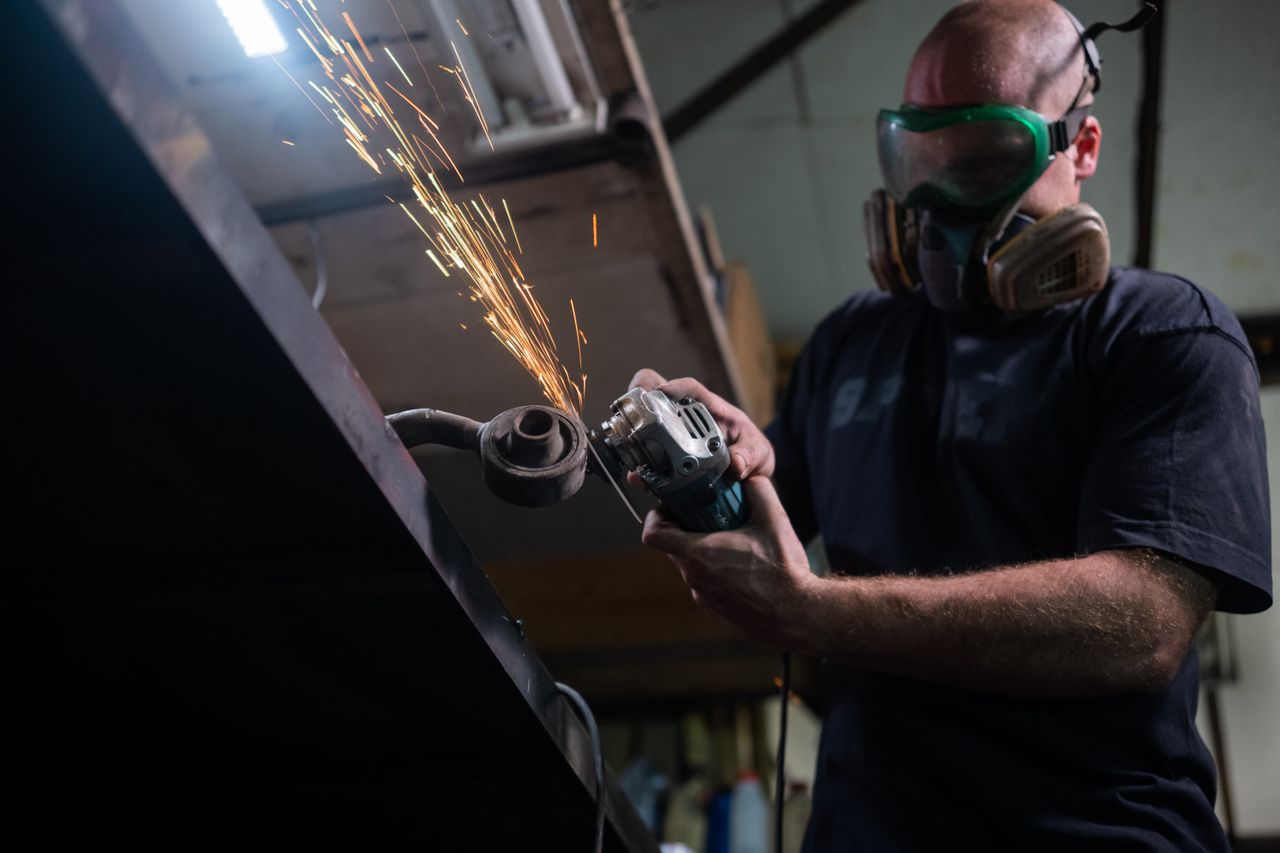
Photo by Anastasia Shuraeva: https://www.pexels.com/photo/low-angle-shot-of-a-man-wearing-gas-mask-while-using-grinder-on-a-metal-8470689/