
The Edge Is Not the Only Problem: Ladders, Scaffolds, and Short-Duration Tasks That Keep Hurting People
When we think about fall protection, we tend to picture high-risk scenarios: rooftop edges, open-sided floors, and steel beams. These hazards are critical, but they’re not where most incidents begin.
In reality, many injuries occur during routine tasks and everyday “quick fixes.” Workers don’t fall because they forgot about gravity, they fall because the task felt too simple to be dangerous.
Across industries, from construction sites to manufacturing, warehouses, laboratories, and maintenance operations, the pattern is consistent. Risk is underestimated in moments that feel familiar.
Where Routine Becomes Risk
Ladders
Because ladders are everyday tools, they rarely trigger formal safety planning. Incidents usually result from simple missteps, unstable setups, overreaching, or failing to maintain three points of contact.
Scaffolds
Familiarity often leads to complacency. Workers may take shortcuts, such as climbing frames instead of using designated access points or stepping onto incomplete platforms. The underlying issue isn’t the equipment, it’s the mindset.
One of the most dangerous assumptions in safety is that shorter tasks carry less risk. In reality, risk does not scale with duration. A two-minute task can carry the same consequences as a two-hour job. A short task is not a safety control.
Shifting the Strategy
Effective fall protection starts before the work begins. To close the gap between efficiency and safety, organizations should focus on proactive planning and decision-making:
- Apply the Hierarchy of Controls: Can the task be performed from the ground? If not, is the equipment (ladder vs. lift) appropriate for the specific height, duration, and level of exposure?
- Planned Access: Many incidents occur during the transition to or from the work area. Access needs to be planned with the same level of detail and care as the task itself.
- Recognize Hidden Risk: Maintenance, inspections, and inventory retrieval may not appear high-risk, but they involve repeated exposure to fall hazards.
Falls are rarely caused by dramatic failures, and they don’t just happen at the edge. More often, they happen during ordinary moments when we stop paying attention. Remember that the biggest risk isn’t always the most obvious. Treating routine tasks with the same level of planning and respect as high-risk work is what turns compliance into safety.
For help developing a strong fall protection program, contact Walden’s Environmental Health and Safety team at 860-846-4069. Our EHS specialists are highly experienced safety trainers and will ensure that your employees are prepared to recognize all fall hazards, whether or not they are apparent.
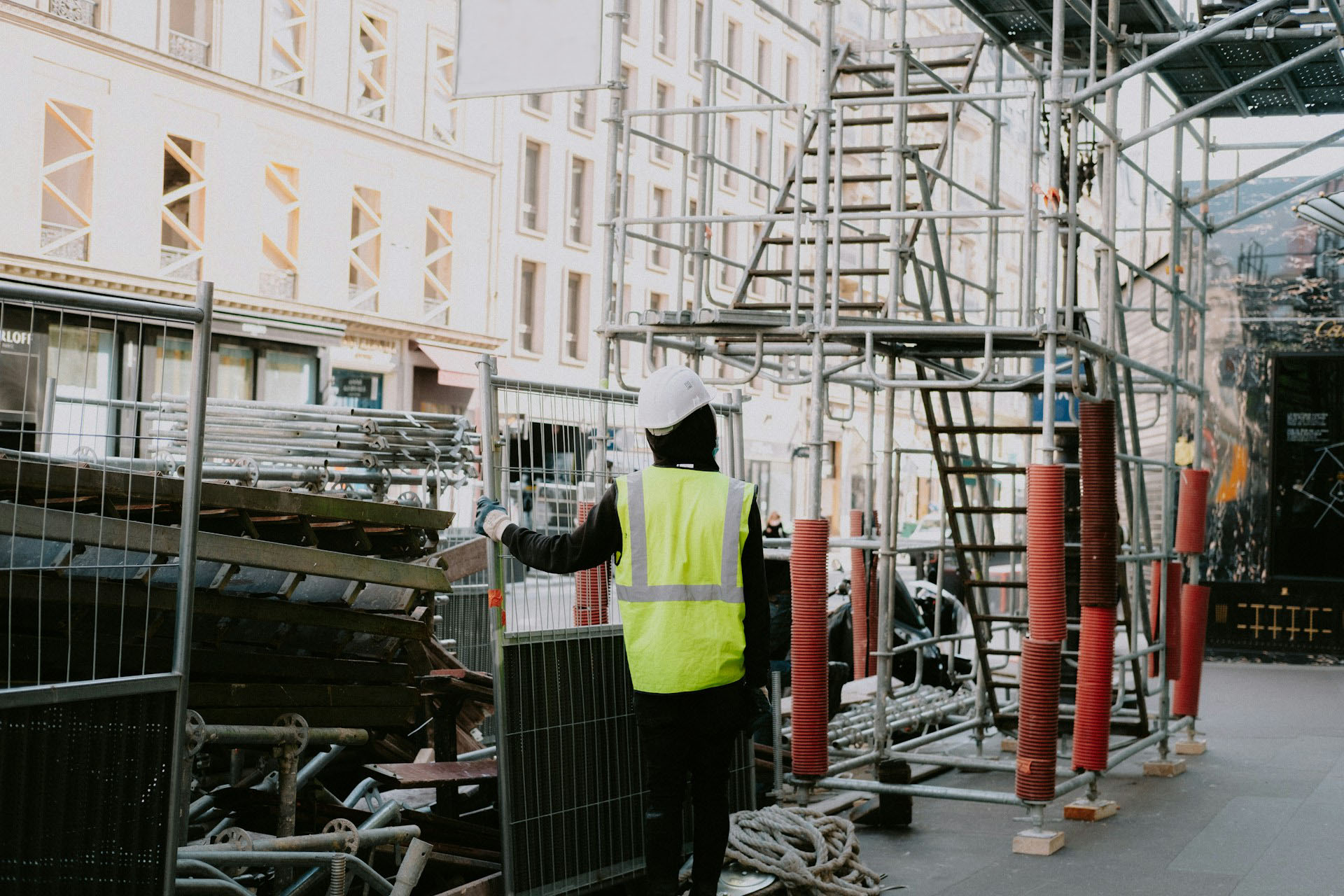
Photo by Mathias Reding on Unsplash
Contact Walden’s EHS team at 860-846-4069 to review your organization’s fall protection procedures with a knowledgeable safety specialist.