
Fall Prevention vs. Fall Restraint vs. Fall Arrest: Understanding the Difference
One of the most common misunderstandings in fall protection isn’t whether protection is needed; it’s whether the right system is being used. Simply wearing a harness does not equal full protection.
Understanding the difference between fall prevention, fall restraint, and fall arrest is critical. These are not interchangeable terms, and confusing them can lead to selecting the wrong equipment for the job.
OSHA recognizes these as different types of fall protection systems under both general industry (29 CFR 1910) and construction (29 CFR 1926), each with different requirements and applications.
Fall Prevention: Eliminate the Hazard
Fall prevention means removing exposure to fall hazards altogether. This is the most effective and preferred approach. Examples include:
- Guardrails around elevated work areas
- Covers over floor openings
- Designing work so it can be performed from the ground
In these situations, there is no reliance on PPE or worker behavior to prevent a fall. The hazard has been physically eliminated.
Fall Restraint: Prevent the Fall from Occurring
Fall restraint allows the worker to access the work area but physically prevents them from reaching the fall hazard. This is where confusion often starts, because fall restraint can look very similar to fall arrest. Both may involve a harness and lanyard, but the difference is in how the system is designed.
If the lanyard, anchor point, and overall system length are configured so the worker cannot reach the edge, it is a restraint system. If the worker can reach the edge and fall, the system now becomes fall arrest.
With fall restraint, the fall hazard exists but exposure does not.
Fall Arrest: Stop a Fall After it Happens
OSHA defines a personal fall arrest system as “a system used to arrest an employee in a fall from a walking-working surface. It consists of a body harness, anchorage, and connector. The means of connection may include a lanyard, deceleration device, lifeline, or combination of these.”
The key difference between fall arrest and other fall protection systems is that it is designed to allow the fall to happen and then stop it. At this point, you are no longer preventing the fall, you are planning for it.
This is why fall arrest comes with more preparation. Once you are relying on fall arrest, you also have to think about free-fall distance, swing hazards, whether there is enough clearance below the worker, and how a rescue would happen. Under 29 CFR 1926.501, systems must be rigged so that employees cannot free-fall more than six feet or contact a lower level, and prompt rescue must be possible.
Why This Distinction Matters
When these terms are used interchangeably, it leads to an incomplete or inappropriate setup.
The goal isn’t just to have fall protection in place; it’s to have the correct protection for the task. The safest option is usually to keep the worker from being exposed in the first place. That’s why fall prevention should always be considered first, with fall arrest used as the last line of defense.
It is also important to understand how OSHA defines and applies fall protection requirements so that you can be confident that the setup matches the job.
How Walden Can Help
If you’re not sure what type of system you’re using (or need), we can help!
Walden can:
- Evaluate fall hazards
- Select appropriate control methods
- Develop compliant fall protection programs
- Inspect equipment
- Train employees
Contact our EHS team today to discuss your program with an experienced safety professional at 860-846-4069.
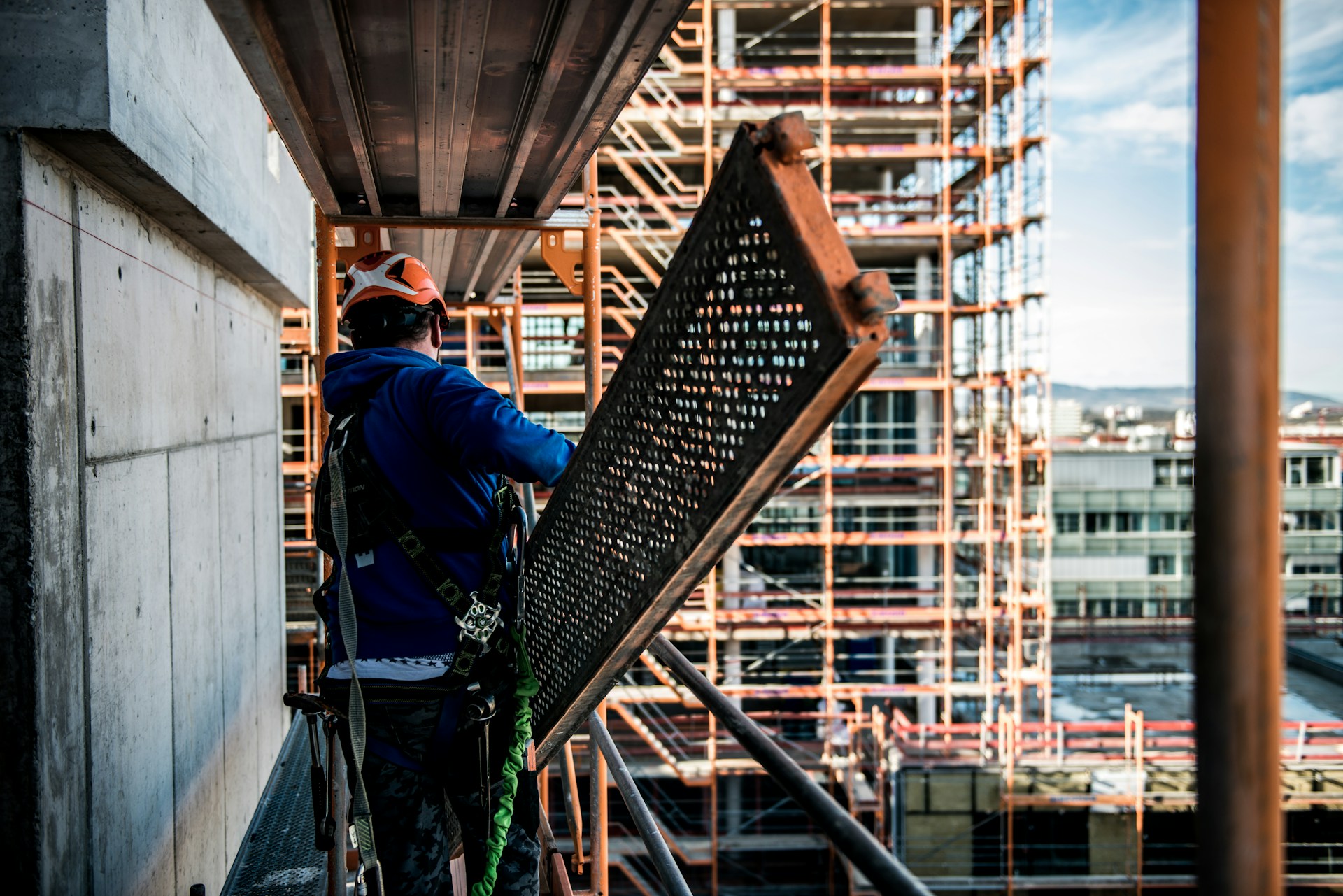
Photo by Paul Becker on Unsplash
Walden’s EHS specialists can help you identify and implement the best fall protection system for your needs. Contact us at 860-846-4069.