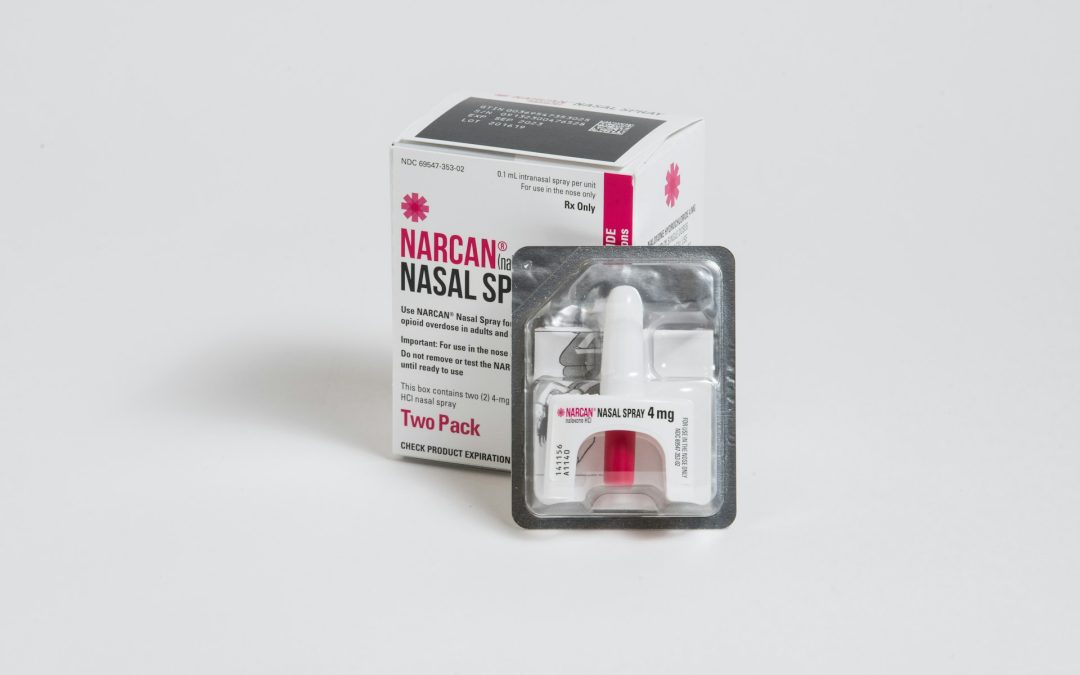
New York State Expands Workplace Access to Narcan (Naloxone)
Introduction On December 13, 2025, New York State Governor Kathy Hochul signed legislation that would require workplaces to include an opioid...
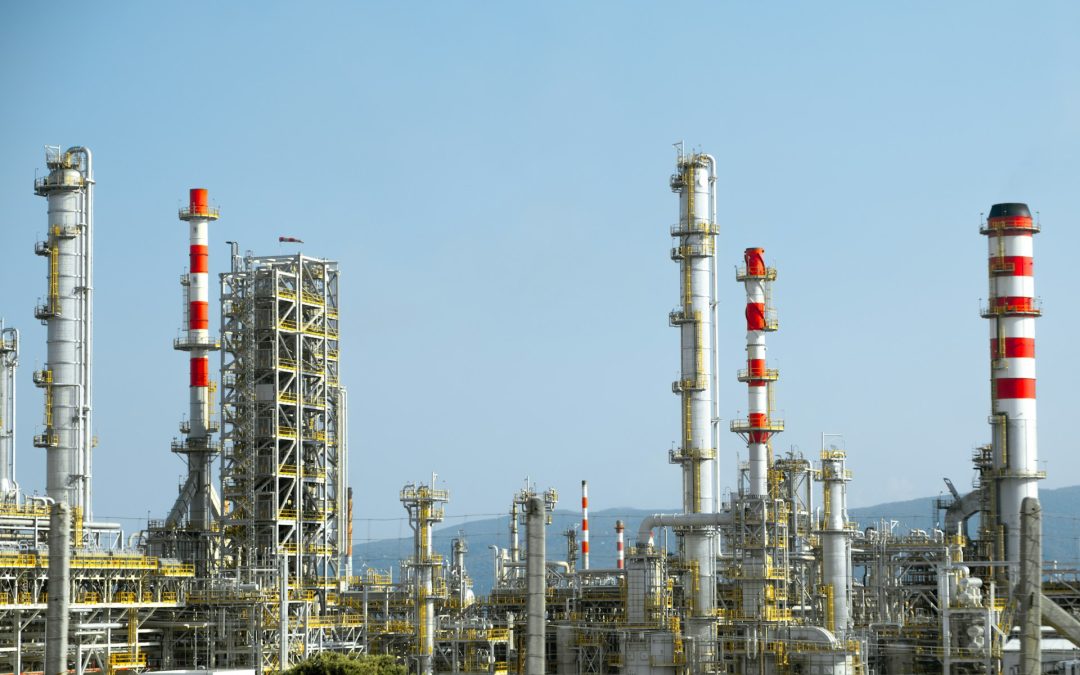
PFAS Reporting Update: What You Need to Know for 2026
The environmental compliance landscape for per- and polyfluoroalkyl substances (PFAS) continues to evolve. After the Environmental Protection Agency...
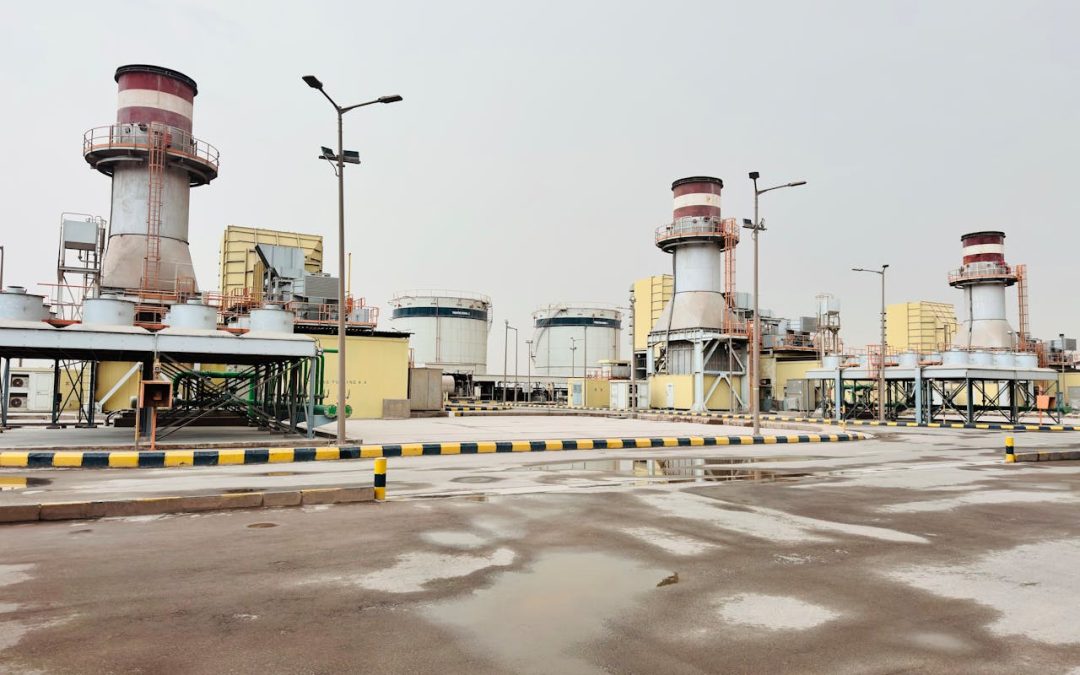
2026 First Quarter Stormwater Deadline Approaching
The first quarter deadline for stormwater compliance tasks is near. March 31, 2026 marks the last day of the quarter. Any facility covered by the...

Bridging the Gap: How to Maintain EHS Compliance When Your Safety Leader Leaves
When your Environmental Health and Safety (EHS) leader leaves – whether expected or not – it doesn’t take long for their absence to have an impact....
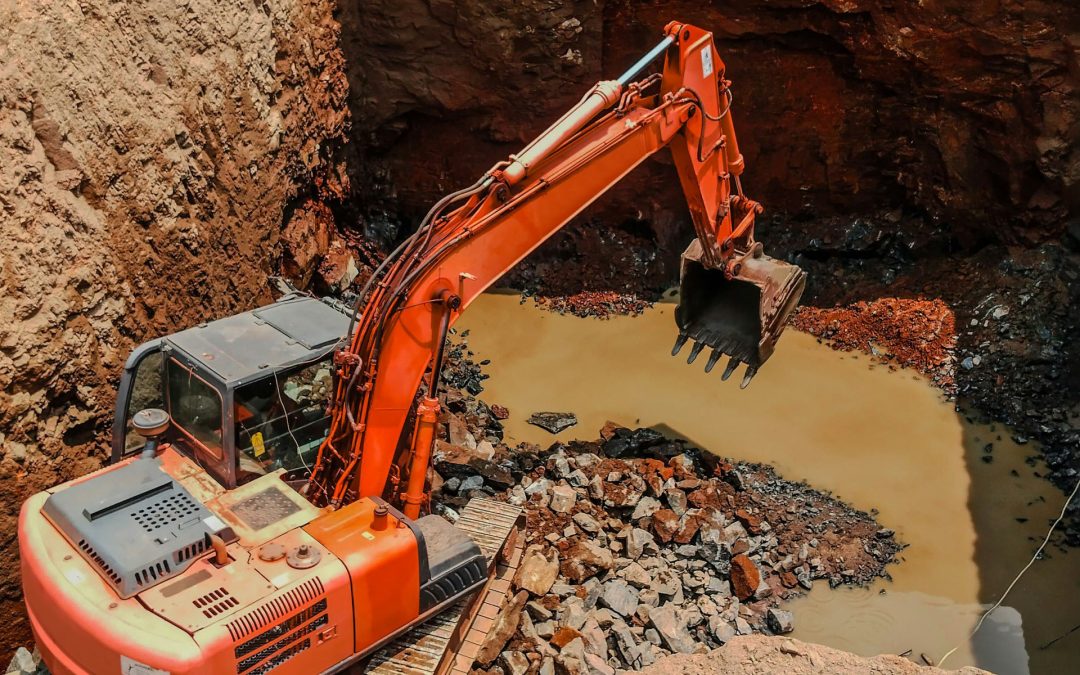
CT Reissues the Dewatering and Remediation Wastewater General Permit
The Connecticut Department of Energy and Environmental Protection (CT DEEP) has reissued the General Permit for the Discharge of Dewatering and...
Revised NYSDEC Part 375 Regulations for Brownfield Cleanup Program
Effective on December 31, 2025, the New York State Department of Environmental Conservation (DEC) has adopted revised 6 NYCRR Part 375,...
Title V Annual Emissions Reporting
Annual emissions reports for facilities holding a Title V Operating Permit in New York State are required to be submitted to the New York State...
Waters of the United States: Updates Regarding Proposed Rule
The term Waters of the United States (or ‘WOTUS’) and its implications on federal wetland protection have been a major point of contention, most...

CT’s New Release-Based Cleanup Regulations
Connecticut (CT) has adopted the Release-Based Cleanup Regulations (RBCRs), a major change to how environmental contamination is managed statewide....
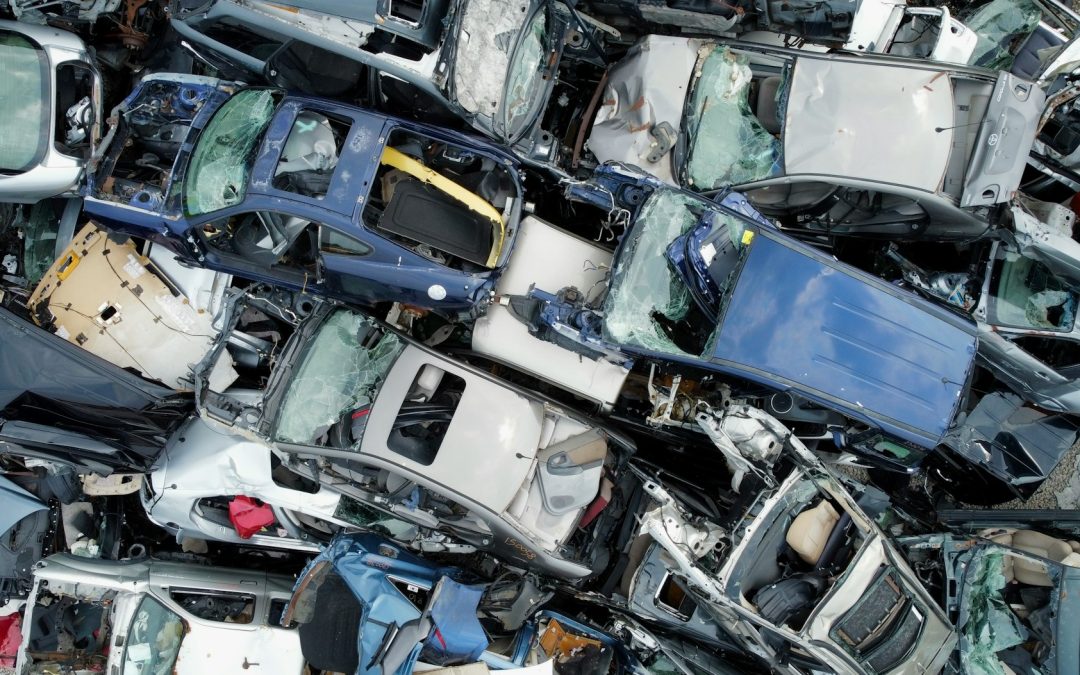
Solid Waste Annual Reports Due March 1
You may have already received an email notice from the New York State Department of Environmental Conservation (NYSDEC), Bureau of Solid Waste...