by Joe Heaney | Aug 7, 2012 | Tanks and Fuel Management
There’s been a lot of talk lately about Phase 1 environmental site assessment. It’s becoming more frequently required to complete real estate purchases, especially for commercial property. Perhaps not surprisingly, myths have developed surrounding Phase 1 site...
by Joe Heaney | Aug 2, 2012 | Tanks and Fuel Management
The first step toward implementing an automated fuel system is self-assessment. Ask yourself: Can we easily and quickly account for all fuel assets? Do we gather information manually or automatically? Are we able to obtain enough data to operate efficiently and plan...

by Joe Heaney | Jul 31, 2012 | Tanks and Fuel Management
The Phase 1 Environmental Site Assessment (ESA) is a broad-based inspection and discovery process designed to determine whether a particular property is or is likely to be contaminated, based on past usage. If you’re considering buying the property, conducting a Phase...
by Joe Heaney | Jul 26, 2012 | Tanks and Fuel Management
You may not need to perform a Phase 1 site assessment if you’re considering purchasing real estate in New York. But why would you not want to? Sure, there’s some time and cost associated with conducting this investigation, but they aren’t onerous and you’ll get...
by Joe Heaney | Jul 24, 2012 | Tanks and Fuel Management
Like communities all across the country, the Town of Hempstead has struggled with skyrocketing fuel costs and other inefficiencies associated with managing their vehicle fleets and fueling facilities. But true fleet fuel efficiency results from more than just getting...

by Joe Heaney | Jul 19, 2012 | Environmental Site Assessments, Environmental Consulting
You’re considering purchasing real estate somewhere in New York. You’ve been told you need to conduct a Phase 1 environmental site assessment (ESA) before moving forward. That’s just great, another rule that requires you to spend money and waste time. Is this really...

by Joe Heaney | Jul 12, 2012 | Environmental Site Assessments, Environmental Consulting
Surely anyone would want to know if the property they were about to purchase – perhaps for millions of dollars – is contaminated in some way. A Phase 1 environmental audit can tell you if it is, and to what extent. As a potential buyer, you want to know if problems...

by Joe Heaney | Jul 10, 2012 | Environmental Site Assessments, Environmental Consulting
If you’re considering purchasing commercial real estate anywhere in New Jersey, you should learn as much as possible about the site before making that final decision to buy. These days it’s especially important to understand whether there’s any possibility your...

by Joe Heaney | Jul 5, 2012 | Environmental Site Assessments, Environmental Consulting
A Phase 1 environmental site assessment is all about self-protection. It’s a straight-forward but essential risk management tool that should be completed as part of your due diligence before purchasing commercial or even residential real estate. It’s important enough...
by Joe Heaney | Jul 3, 2012 | Tanks and Fuel Management
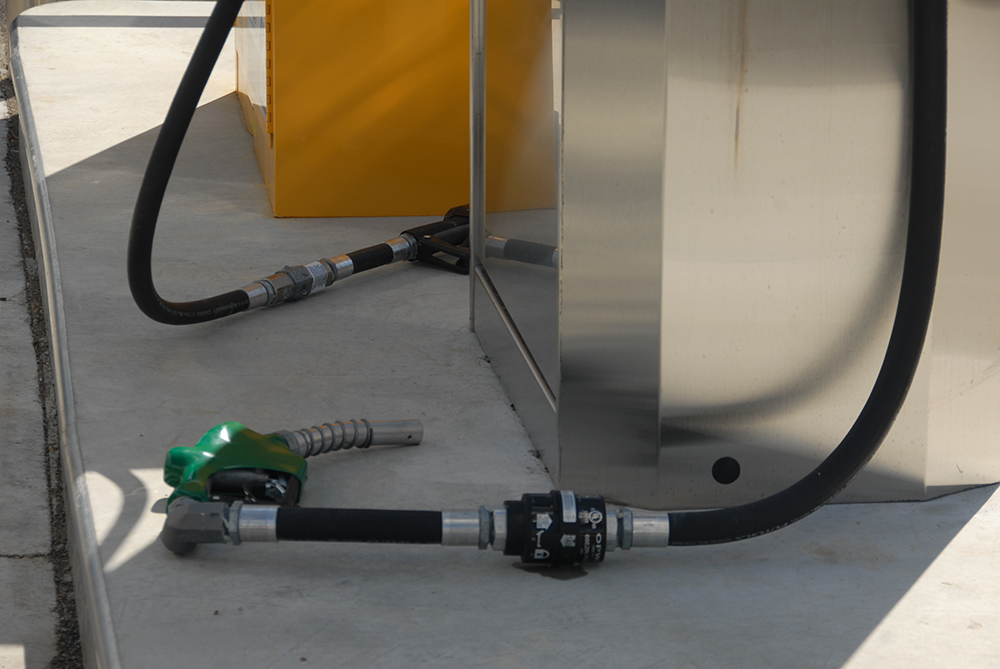
A fuel management system is just what the name implies–a comprehensive technology tool that can help you track and control all your fuel inventory, purchasing and dispensing transactions. Whether you’re a private enterprise or public agency, under intense scrutiny or...