by Louis Goldstein | Jul 9, 2019 | Legionella, Read the latest Environmental Services Articles & News
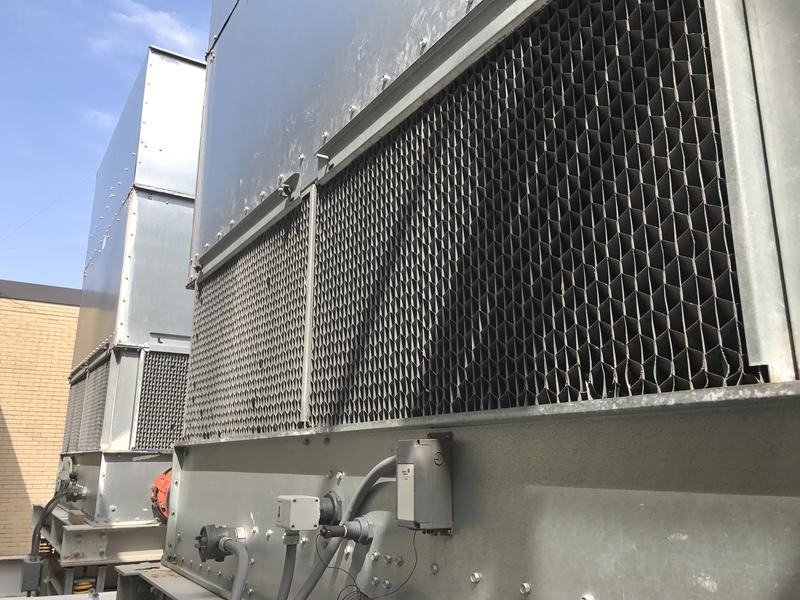
As temperatures remain high over the next couple of months, water-cooled air conditioning systems such as cooling towers and evaporative coolers will be used across the country on a daily basis. As long as the systems are on, the basin within these units will be...
by Ted Nitza P.E. | Jul 2, 2019 | Read the latest Environmental Services Articles & News, Water Quality
Walden at Fort Wayne, Indiana: Lincolndale Drive Area Drainage Study Q&A With Tom Gountras This month, we are highlighting the work of Tom Gountras of the Walden Fort Wayne office with the engineering study he is working on regarding drainage in the Lincolndale...

by Ted Nitza P.E. | Jun 27, 2019 | Permitting and Compliance, Read the latest Environmental Services Articles & News
Cyberthreats to Water and Wastewater Utilities Cyberthreats are a growing concern for water and wastewater utility organizations. Antivirus programs are no longer enough and attackers can intentionally or unintentionally threaten public health and the environment....
by Grace Herrera | Jun 25, 2019 | Read the latest Environmental Services Articles & News, Stormwater Permitting and Design
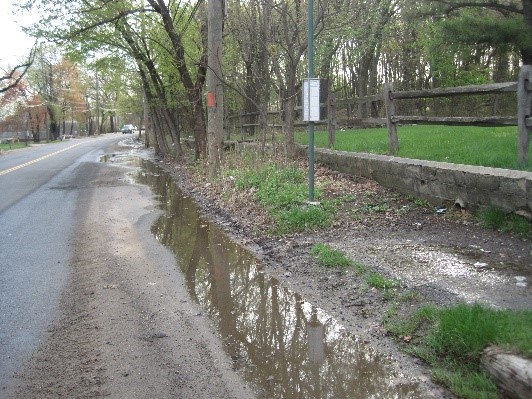
Do you Discharge into MS4? Do you need a SPDES permit? A State Pollutant Discharge Elimination Permit (SPDES) is required to prevent harmful pollutants from being washed or dumped into MS4s or surface waters. A municipal Separate Storm Sewer System (MS4) is a system...
by Joe Heaney | Jun 20, 2019 | Read the latest Environmental Services Articles & News, Right-To-Know Filing
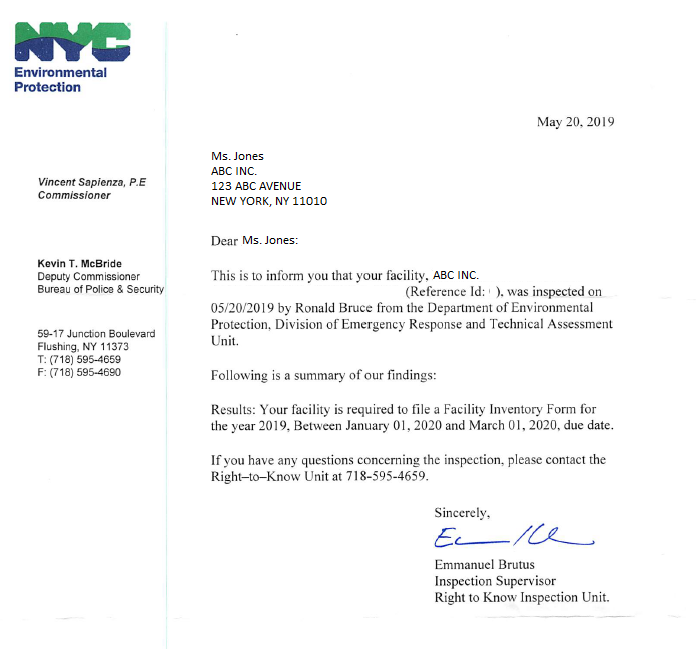
Did you receive a NYCDEP Right-To-Know Violation? Did you know that every facility in New York City that stores hazardous material and substances must submit a Hazardous Materials Inventory of their facility to the New York City Department of Environmental Protection...
by Joe Heaney | Jun 13, 2019 | Environmental Consulting, Read the latest Environmental Services Articles & News
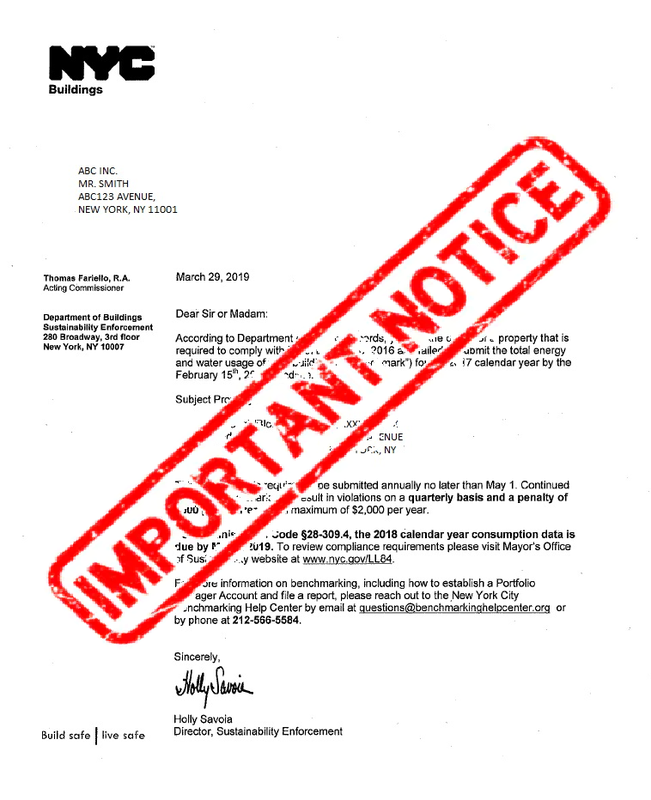
Did you receive a Local Law 84/133 Benchmarking Violation? According to New York City’s Covered Buildings List for Compliance in 2019 (https://www1.nyc.gov/html/gbee/downloads/pdf/2019%20LL87%20CBL%20Final.pdf), over 15,000 buildings larger than 25,000 square feet are...
by Massimiliano Lelli, CSP | Jun 11, 2019 | Read the latest Environmental Services Articles & News, Tanks and Fuel Management
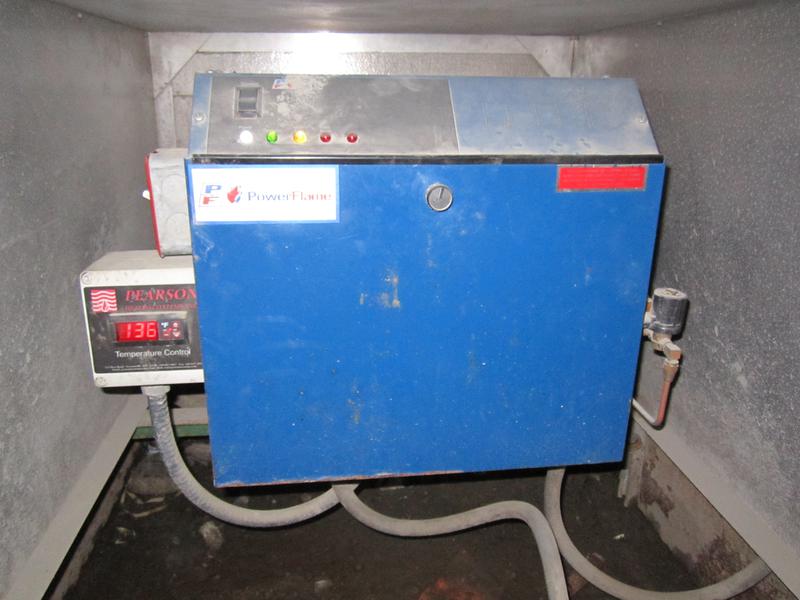
NYCDEP DEADLINES ON FUEL CONVERSION FOR BOILERS The New York City Department of Environmental Protection (NYCDEP), specifically in Title 24 Chapter 1, Subchapter 8 Section 24-168 of the NYC Administrative Code, has set the following deadlines for fuel conversion...
by Massimiliano Lelli, CSP | May 29, 2019 | Environmental Health and Safety, Read the latest Environmental Services Articles & News
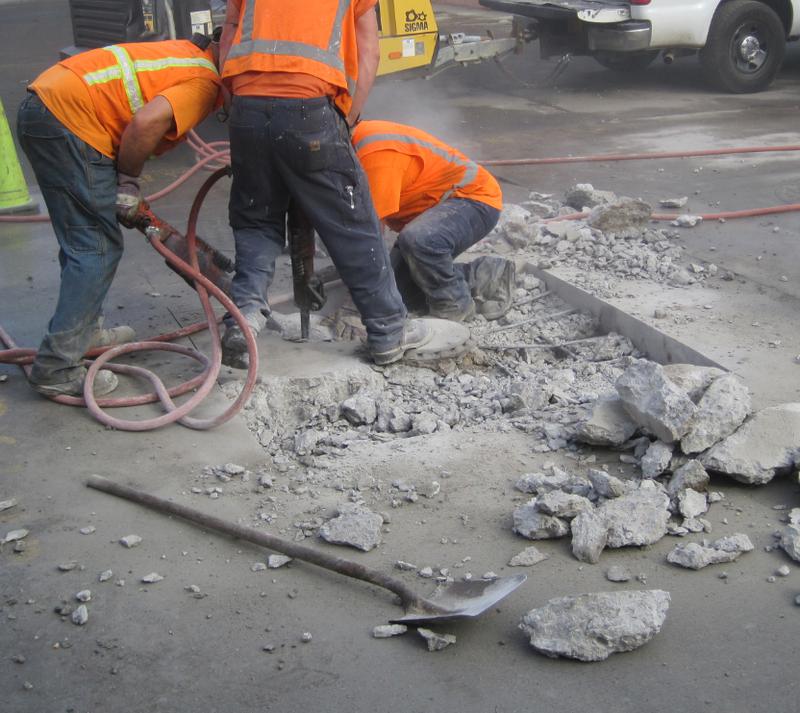
OSHA Interpretation on silica standard for Construction Last March, OSHA released an interpretation letter regarding some aspects of its construction silica standard (“CSS” or “Standard”) 29 CFR 1926.1153. In particular they replied to an inquiry letter on the...
by Edmond Kirby | May 23, 2019 | Read the latest Environmental Services Articles & News, Solid Waste Permitting
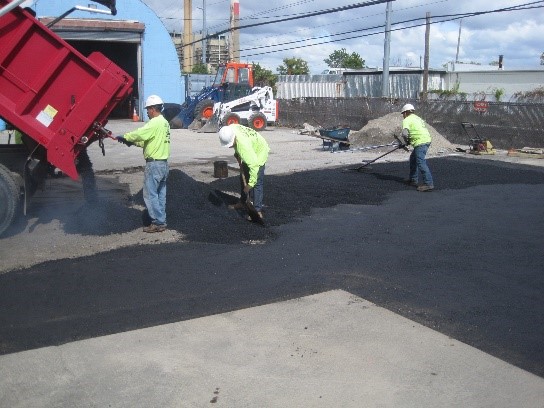
Do you have pavement in need of repair? Have you considered using asphalt millings? Paved surfaces deteriorate over time due to usage, weather and other factors. Typically, a portion of the surface will fail while the rest stays intact, such as the forming of pot...
by Joe Heaney | May 21, 2019 | Read the latest Environmental Services Articles & News, Stormwater Permitting and Design
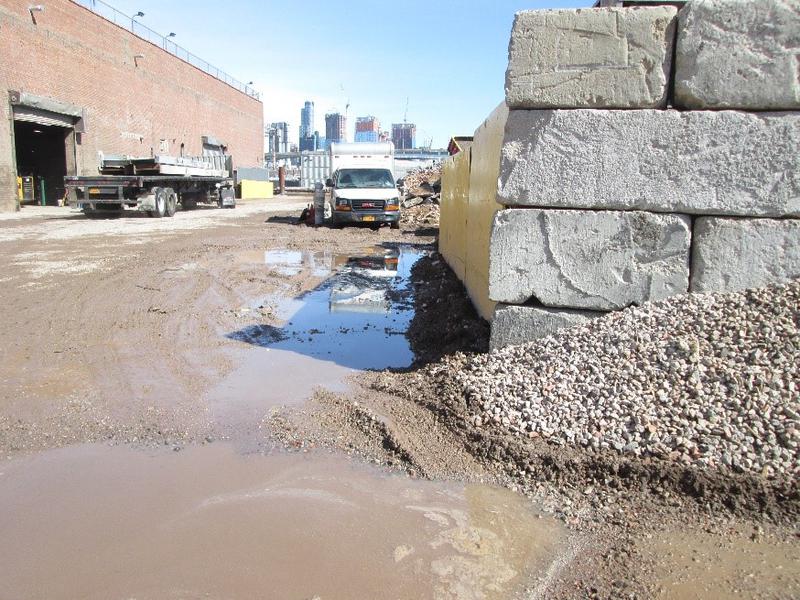
Industrial Stormwater Pollution in MS4 Areas It is illegal to discharge polluted stormwater to surface waterbodies. Many industrial business owners overlook their site’s potential to pollute surface waters because their stormwater drains to a municipal separate storm...