
PFOA and PFOS are in Drinking Water – What Should I Know?
Since the recent discovery of high concentration levels in the Hoosick Fall’s water wells and with Gabreski Air National Guard Base being declared a New York State Department of Environmental Conservation (NYSDEC) State Superfund Site, PFOA and PFOS and their effect...

Regulatory Update: How Will Amendments to NYC Brownfield Cleanup Program Laws Affect You?
Effective August 12, 2016 are two new definitions for “underutilized” and “affordable housing project”, as they relate to 6 NYCRR Subpart 375-3 of the Brownfield Cleanup (BCP) program. This is a result of formally proposed revisions to remain in compliance with Part...
MS4 Annual Reporting due June 1st
Stormwater discharges from Municipal Separate Storm Sewer Systems (MS4) in the New York metropolitan area and other urban and designated areas in the State are regulated by the NYSDEC. The MS4 Program was established to improve stormwater management practices and...
Car Wash Activity Regulations – Part 2
As discussed in Walden’s previous blog, there are multiple regulations that all auto dealerships, auto body shops, car washes, and any other business in New York State that performs any form of washing/cleaning of vehicles on-site are regulated by. Currently, Suffolk...
Car Wash Activity Regulations
Car Wash Activity Regulations– Part 1 It is critical for business owners and managers to be aware of all the regulations around car preparation work and car washing activities. Car dealerships, auto body shops, car washes, and any other business that performs any...

Rising Waters: How Fast and How Far Will Sea Levels Rise in NYS?
Warming temperatures contribute to sea level rise by: expanding ocean water; melting mountain glaciers and ice caps; and causing portions of the Greenland and Antarctic ice sheets to melt or flow into the ocean. [3] Since 1870, global sea level has risen by about 7.5...

Diesel Fuel Makes a Dangerous Solvent!
Don’t let a dirty job become a dangerous one. A number of municipalities have adopted the practice of using diesel fuel as a solvent for cleaning asphalt off both trucks and equipment. This is a risky practice that is in violation of DEC regulations. Due to diesel’s...
Right-to-Know Filings Due by March 1!
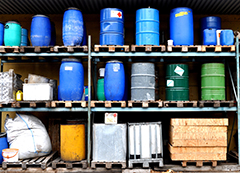
If you have a business in New York City storing hazardous substances or chemicals, the time to act on Right-to-Know filing now! Community Right-to-Know (RTK) regulations require all NYC businesses that store or handle potentially dangerous substances to inventory and...