
Sampling PFOAs and PFOS: What you should know
Poly- and Perfluoroalkyl substances (PFOA’s and PFOS's) have been all over the news lately, but you may be asking yourself “why?”. Well, the United States Environmental Protection Agency(USEPA) Health Advisory Levels established in 2009 for Perfluorooctane Sulfonate...
The Origins of 1,4-Dioxane: How Did It Get Into Long Island’s Drinking Water?
Long Island’s groundwater has recently been reported to contain elevated levels of 1,4-dioxane. As discussed in Walden’s recent blog, “How will the 1,4-Dioxane in my Drinking Water Affect my Health?", 1,4-dioxane, a probable cancer causing chemical, has been detected...
What Does Stormwater Discharge Compliance Look Like in New York State?
Stormwater runoff occurs naturally from rainfall or snow storms, which flows over any land surface and does not percolate into the ground. However, human activities such as construction work, and urbanization can change the natural flow pattern and can...
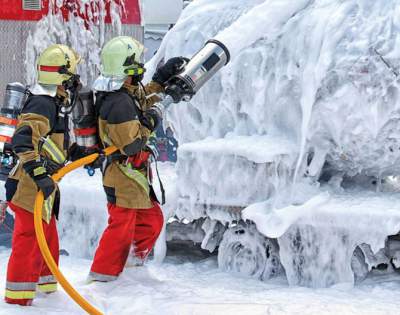
How Will the Adoption of Amendments to 6 NYCRR Part 597 Affect You?
On April 25, 2016, Chemical Bulk Storage (CBS) registration requirements at new facilities became mandatory for perfluorooctanoic acid (PFOA-acid), ammonium perfluorooctanoate (PFOA-salt), perfluorooctane sulfonic acid (PFOS-acid), and perfluorooctane sulfonate...
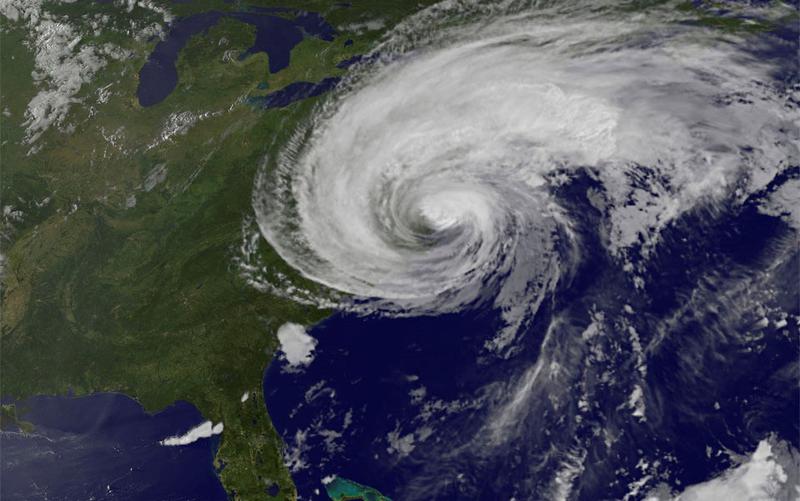
An Eco-Friendly Approach to Coastal Resiliency
20:00, October 29, 2012: The eighteenth named storm of the year, Hurricane Sandy made landfall on the coastline of southern New Jersey. This shift left Long Island and the New York metropolitan area directly in the path of the stronger, eastern side of the Category 2,...
Year End Regulatory Updates Part 2
Mold Program Update On January 1, 2016 New York State Article 32 of Labor Law went into effect. Before Article 32, there were no controls on contractors performing mold-related services. Some contractors were therefore able to take advantage of their customers by...
Year End Regulatory Updates Part 1
Proposed Part 360 Regulations In early 2016, the NYSDEC proposed significant changes to New York State regulations regarding previously unregulated facilities, activities, and waste streams within the existing Part 360 solid waste management program. The proposed...
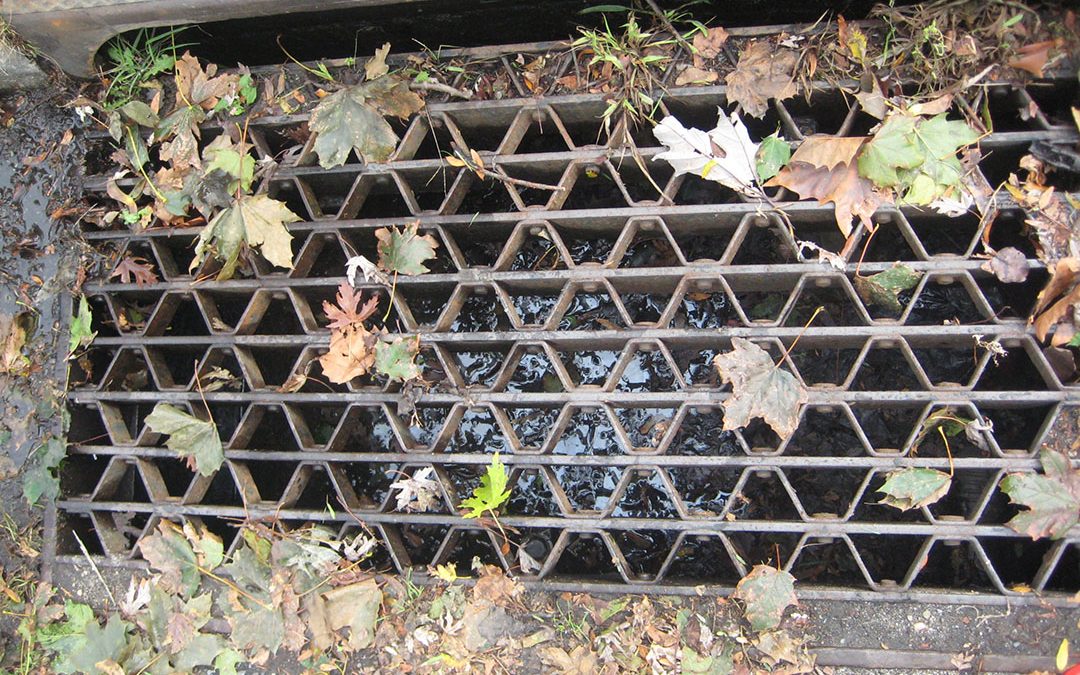
What You Need to Know about the NYC MS4 Permit
On August 1, 2015, the New York State Department of Environmental Conservation (DEC) issued a new comprehensive Municipal Separate Storm Sewer System (MS4) permit to New York City. This permit includes new requirements, which significantly expand the city’s obligation...
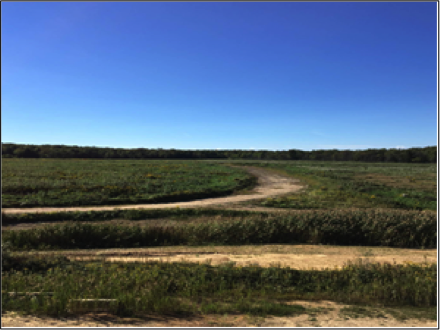
Innovative Closure of Residual Waste Lagoon Restores Site and Establishes Natural Habitat
Walden has prepared a Final Certification Report to document the lagoon closure activities performed at a mid-Atlantic paper mill. From 1937 to 1992, the paper mill discharged wastewater with a high total dissolved solids content into an unlined surface impoundment...
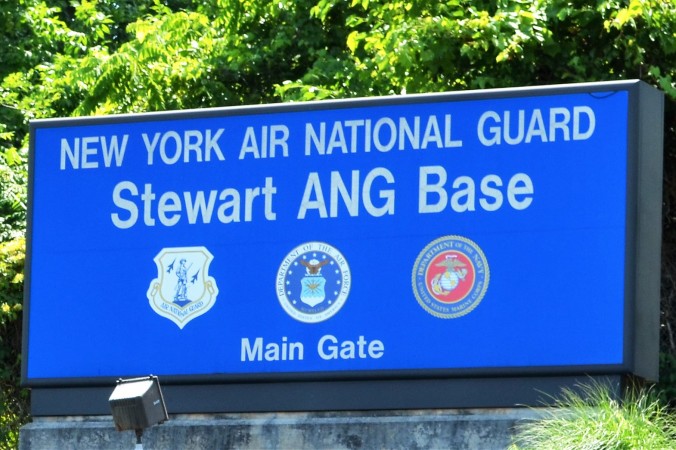
PFOS/PFOA and the Stewart Air National Guard Base: What You Should Know
On August 12th, 2016, the New York State Department of Environmental Conservation (DEC) listed the Stewart Air National Guard Base in Orange County as a Class 2A State Superfund site. The Superfund listing was triggered by the State’s determination that Stewart Air...