

Management of Airbags as per NYSDEC Enforcement Letter
In July 2019, the New York State Department of Environmental Conservation (NYSDEC) issued an enforcement discretion letter regarding the management of vehicle airbags. This letter followed the United State Environmental Protection Agency (EPA) November 2018 final rule...
Bird Dropping Remediation Awareness
Most homeowners and business owners are aware of the dangers related to the disturbance and removal of asbestos containing materials and lead-based paint, but fewer are aware of the dangers associated with the disturbance and remediation of accumulated bird droppings...
SARA Title III and NYS Tier II reporting regulations- How does it affect my business?
The Superfund Amendments and Reauthorization Act (SARA) became law in 1986. Title III of these SARA provisions is also known as the Emergency Planning and Community Right-to-Know Act (EPCRA). On December 4, 1984, methyl isocyanate, an extremely toxic chemical escaped...
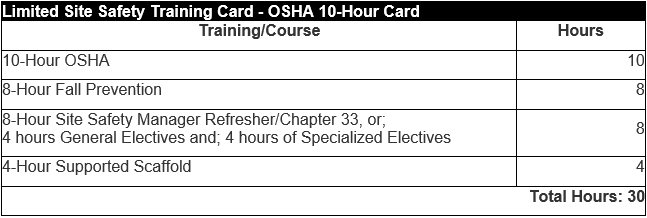
30-Hour OSHA is Now Required!
Under Local Law 196, starting December 1, 2019, New York City will require construction and demolition workers on job sites with a construction superintendent, site safety coordinator, or site safety manager to complete a 30-hour OSHA course or complete a 10-hour OSHA...
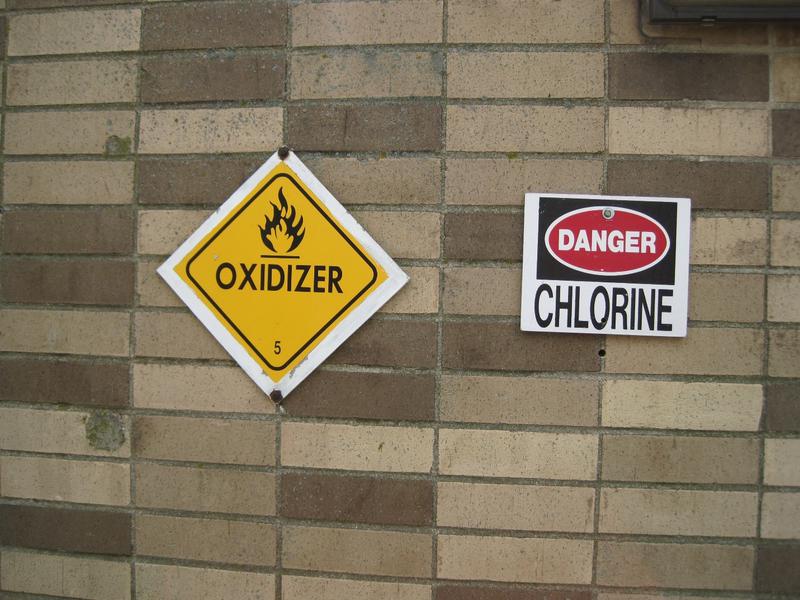
OSHA Hazard Communication: Creating a Safe, Compliant Workplace
Chemical safety is a crucial aspect in general industry, where worker safety is paramount to successful production. Depending on which industry you work in, chemical hazards may be encountered on a daily basis; chemical manufacturers and general employers have a...
Registering Toxic and Hazardous Storage Facilities in Suffolk County
What is Article 12? The registration of Toxic and Hazardous Storage Facilities in Suffolk County is mandated by Article 12 of the Suffolk County Sanitary Code. The purpose of Article 12 is to protect groundwater from chemical contamination by keeping the Suffolk...
Start Preparing Now for National Lead Poisoning Prevention Week (October 20th – 26th, 2019)
The 2019 National Lead Poisoning Prevention Week will be taking place from October 20th – 26th. In preparation for this week, Walden encourages you to review the following information on the topic and consider providing information and preventative measures to your...

Home Water Quality: How to Find Valuable Data About Your Domestic Water Supply
Home Water Quality: How to Find Valuable Data About Your Domestic Water Supply Are you concerned about the water quality in your home? Domestic water supplies provided by municipalities and private companies are frequently monitored for the presence of organic and...
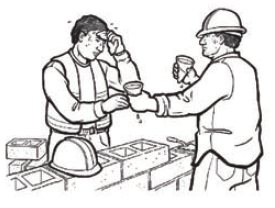
OSHA Safety Standard on Heat Stress
OSHA Safety Standard on Heat Stress During summer time, it is usual for every person working outdoors to be concerned about hot working conditions that might lead to heat stress related illnesses/injuries. According to the Occupational Safety and Health...
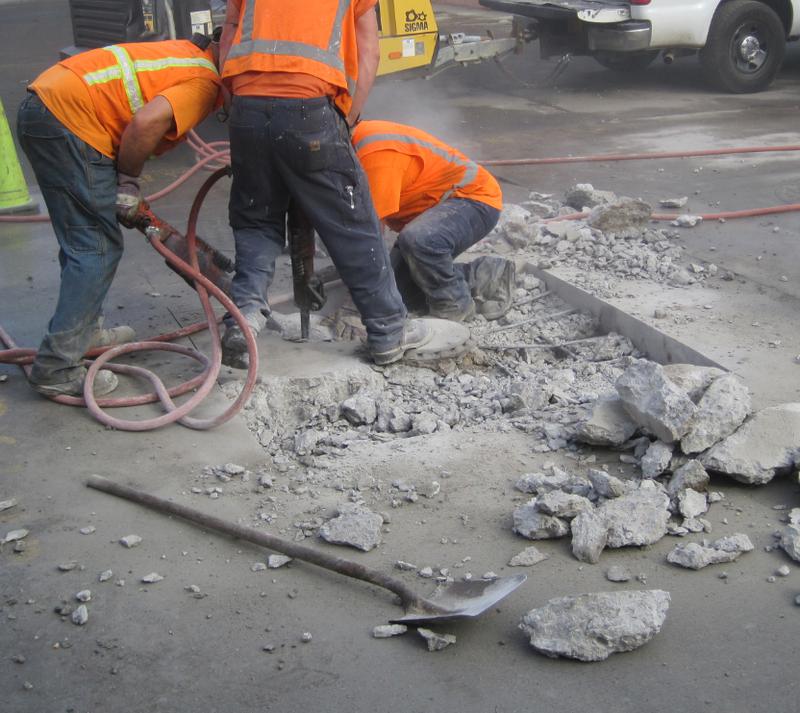
OSHA Interpretation on silica standard for Construction
OSHA Interpretation on silica standard for Construction Last March, OSHA released an interpretation letter regarding some aspects of its construction silica standard (“CSS” or “Standard”) 29 CFR 1926.1153. In particular they replied to an inquiry letter on the...