
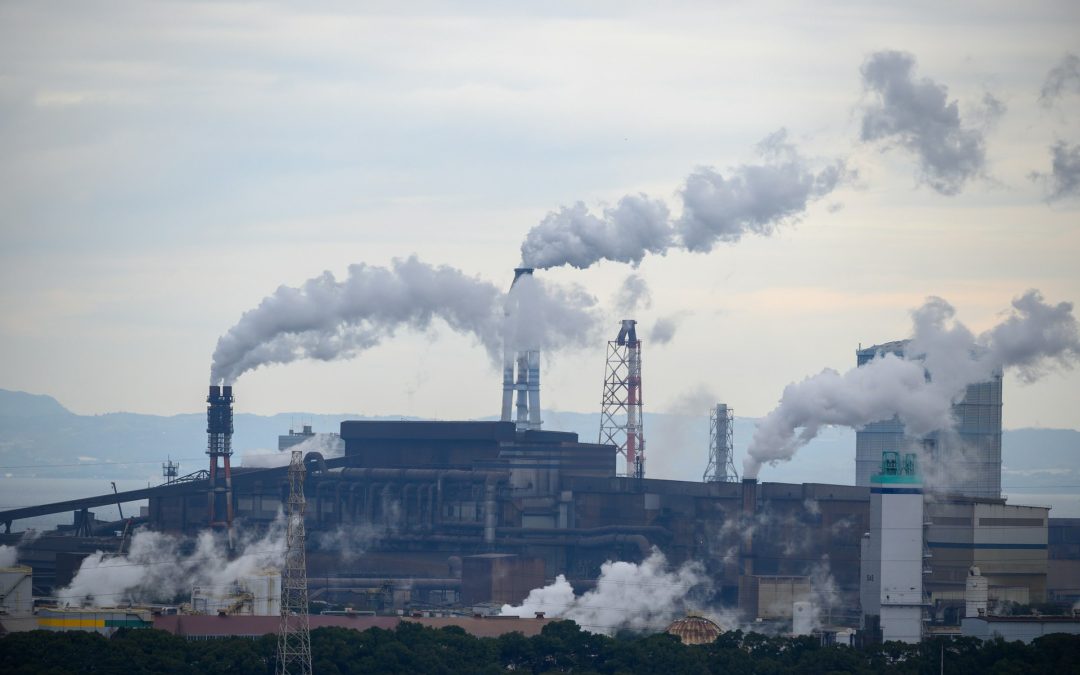
Title V Annual Emissions Reporting
Annual emissions reports for facilities holding a Title V Operating Permit in New York State are required to be submitted to the New York State Department of Environmental Conservation (NYSDEC) by April 15 for the previous calendar year. What Is the Purpose of...
GHG Reporting for General Industry in CT and NY
What Are Greenhouse Gases and GHG Emissions? Greenhouse gases (GHGs) are atmospheric gases, such as carbon dioxide (CO2), methane (CH4), and nitrous oxide (N2O), that trap heat in the atmosphere and contribute to climate change. While GHG reporting has historically...
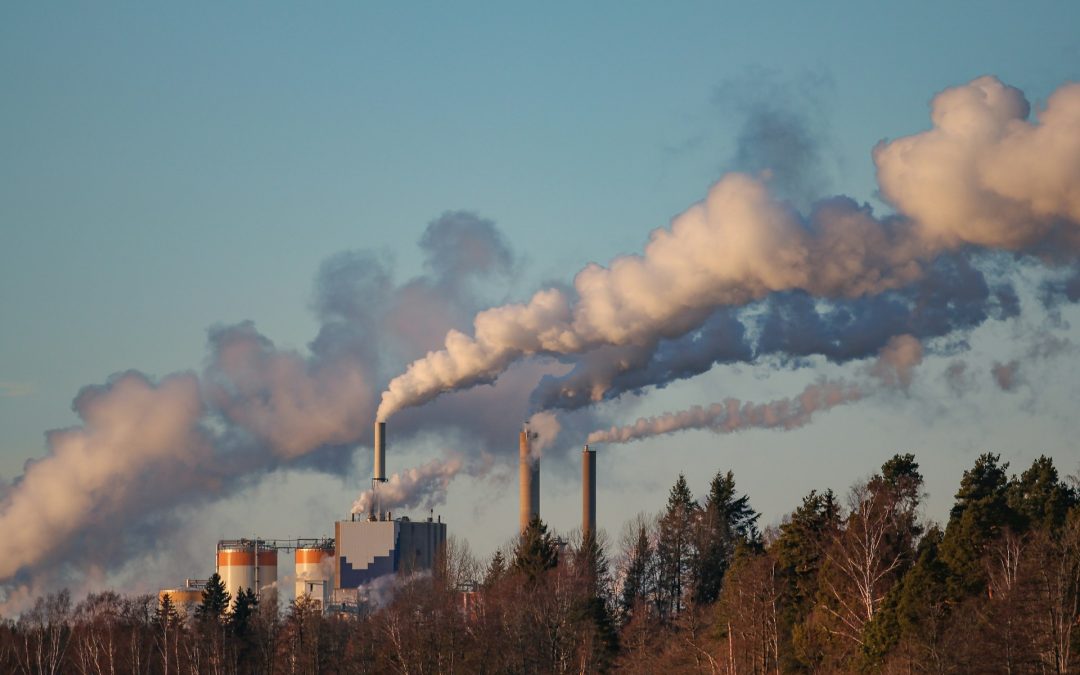
Part 253: DEC Finalizes Program for Climate Pollution Sources Tracking
On December 1, 2025, the New York State Department of Environmental Conservation (DEC) issued its final ruling for Part 253 (Mandatory Greenhouse Gas Reporting), which enacts the state’s new greenhouse gas (GHG) reporting program. These regulations were established to...
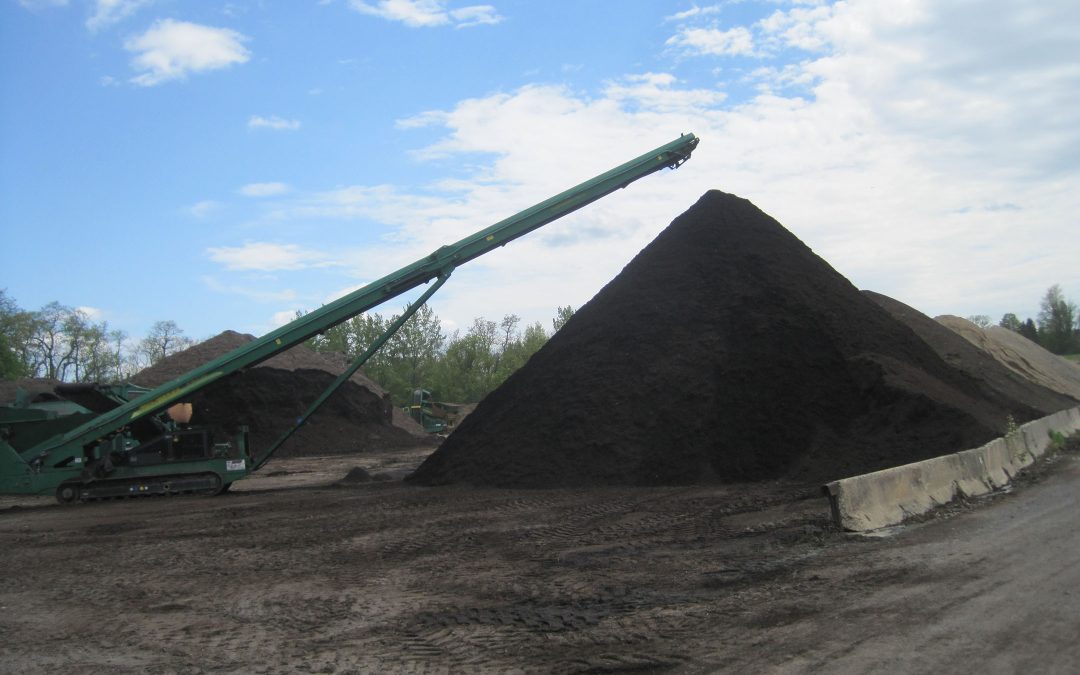
The Importance of Odor Control for Composting Facilities
What Causes Foul Odors When Composting? If not managed properly, organic material that is undergoing the composting process can produce unpleasant odors. The mishandling of compost piles can create an anaerobic environment that produces gases such as hydrogen sulfide...
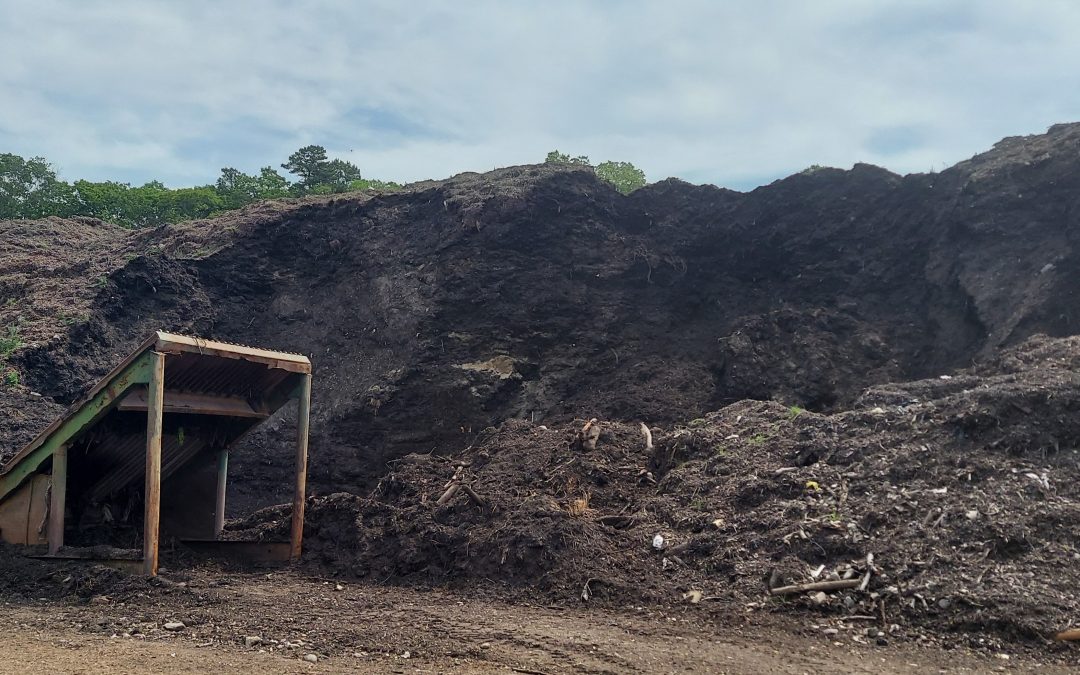
Benefits of Facilities that Compost Organic Material
Why Compost Organic Material? Composting is the process of recycling organic material, such as food waste or yard trimming waste (like leaves and grass), into a beneficial material. Creating compost, rather than just disposing of organic material, helps to reduce the...
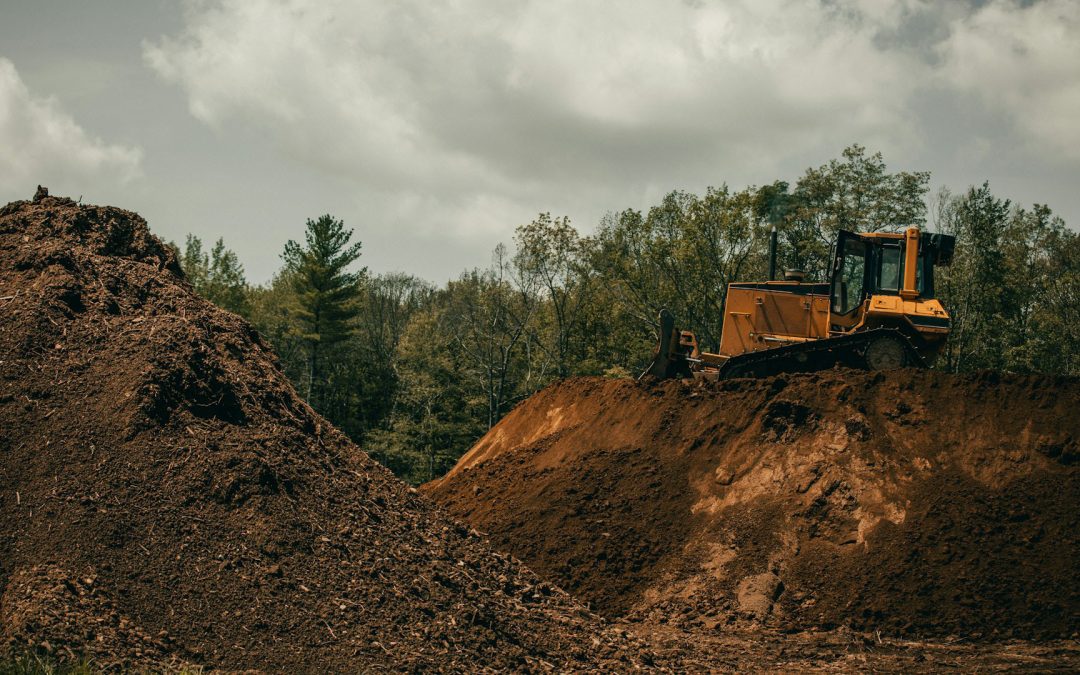
An Introduction to Environmental Data Management Systems
In 2025, technological advancements are leading the way in simplifying everyday tasks. Environmental Data Management Systems, or EDMS, are doing just that for environmental sampling. EDMS are utilized to streamline the collection, management, and reporting of...
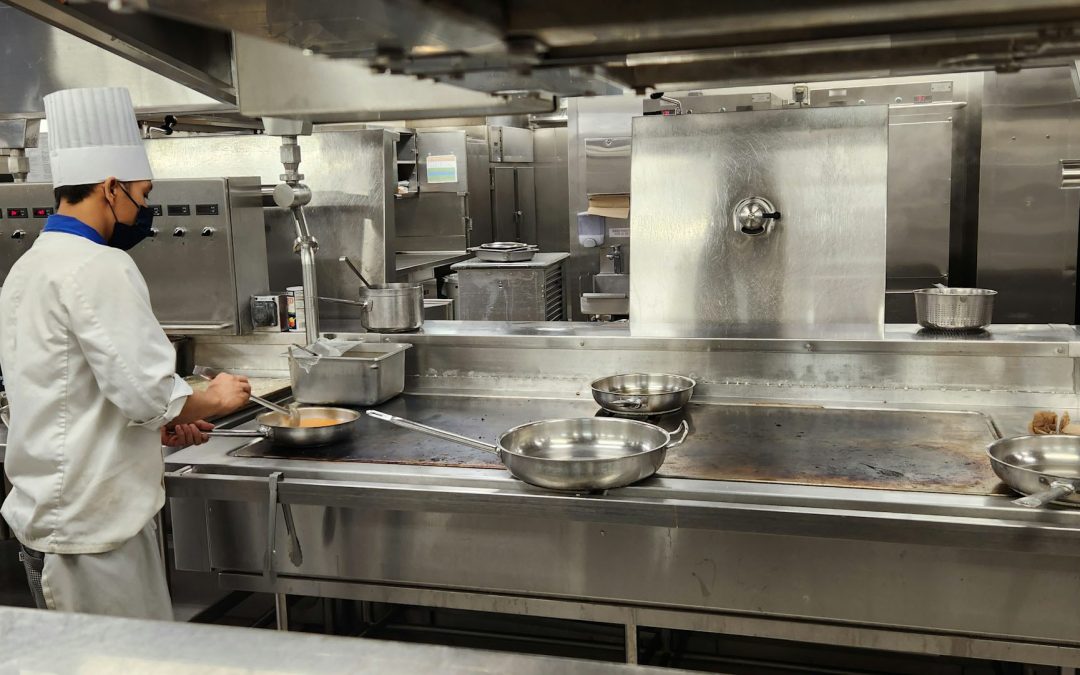
Walden Conducts Cook Stove Emissions Testing in NYC
Cook stove emissions testing is becoming a priority for the New York City Department of Environmental Protection (NYCDEP). The testing criteria, last amended in May 2017, aims to reduce particulate matter emissions from smokers, grills, and stoves in New York City...

EPA Proposes Rescinding 2009 Endangerment Finding and Related Vehicle Standards
The U.S. Environmental Protection Agency (EPA) has recently proposed to review and possibly reverse the 2009 Endangerment Finding decision under the Clean Air Act. This finding originally determined that new motor vehicles’ greenhouse gas emissions endangered public...
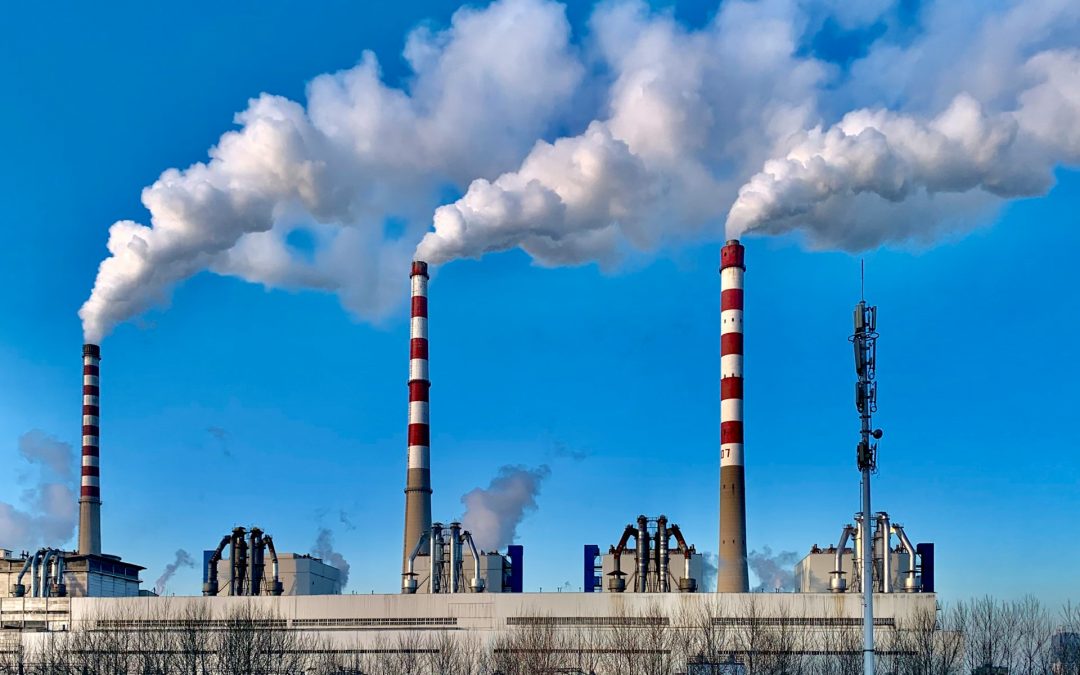
NYC’s Tier IV Engine Rule Is Now in Effect—Here’s What It Means for Your Business
At the beginning of 2025, the New York City Department of Environmental Protection (DEP) began enforcing new Tier IV emission standards for stationary reciprocating compression ignition internal combustion engines. With the rule now in effect, NYC businesses that rely...
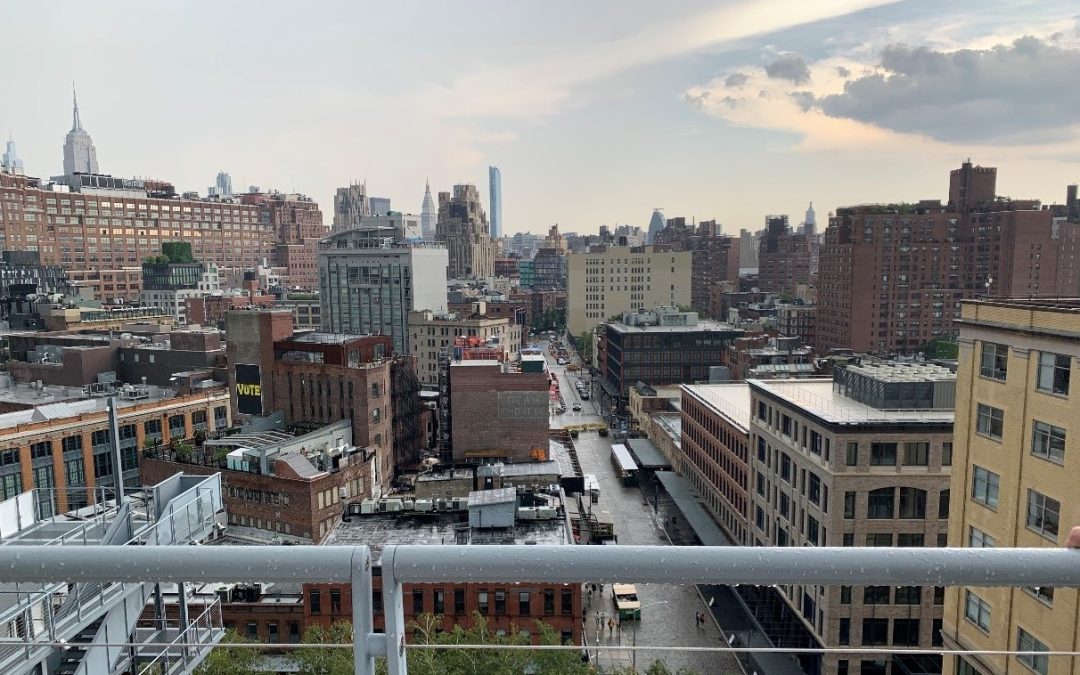
Preparing for the Upcoming NYC LL97 Compliance Reporting Deadline on May 1
In accordance with Local Law 97 (LL97) enacted by the City of New York, certain buildings within New York City (NYC) will need to report their compliance with greenhouse gas emission limitations by May 1, 2025. These buildings include single buildings in excess of...