
EDMS – What is it; What is it not?
Here at Walden we use EQuIS as our environmental database management system (EDMS). EQuIS is an EDMS created by Earthsoft, Inc. I know what you are thinking. “Yeah, that’s great, but what is an environmental database management system?” To answer that question, let’s...
EPA Superfund Sites: Getting Named as a Potential Responsible Parties
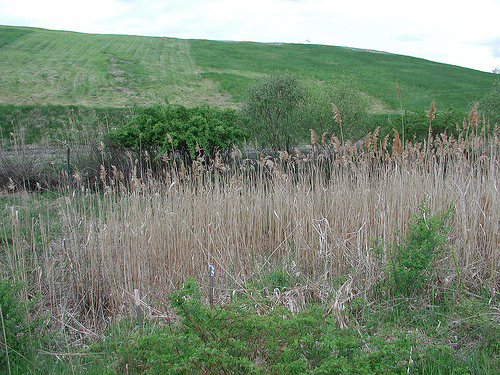
You want to do everything you can to avoid being named one of the “potentially responsible parties” (PRPs) for an EPA Superfund site. And if you are identified as a PRP, you should immediately seek professional help -- not just legal counsel but environmental...

What is a Superfund Site?
Following widely-publicized discovery of extensive toxic waste dumps such as Love Canal in the 1970s, Congress created the Superfund by enacting the Comprehensive Environmental Response, Compensation and Liability Act of 1980 (CERCLA). The name Superfund refers both...
Waste Management Best Practices For Facilities
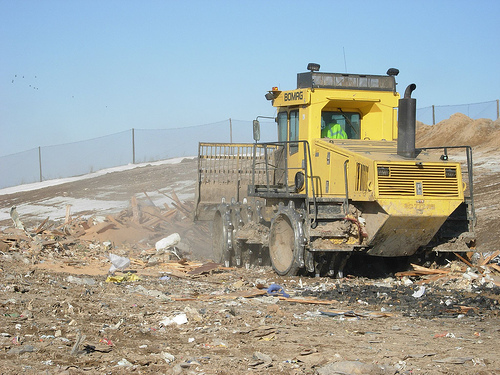
Let’s face it: waste management and disposal regulations can lead to a mine field of confusion. Determining whether wastes you generate are hazardous, knowing what regulations apply to your facility, and being prepared to manage your wastes can help you avoid...
How To Maximize Environmental Data Collection Efforts With An EDMS
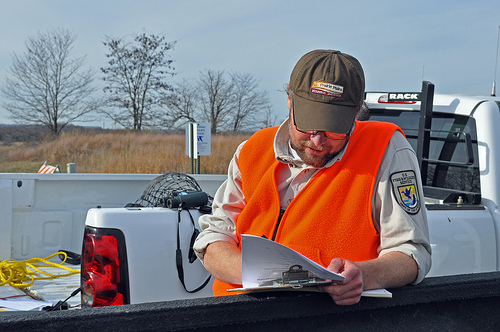
In our fast-paced digital world, remediation project success depends on effective environmental data management. For site managers, environmental consultants, field crews, and clients alike, success hinges on thorough and accurate environmental data collection at the...
NYC Community Right-To-Know Filing: Sara Title III Requirements
To help ensure the safety of employees and the public and safeguard the environment, NYC Community Right-To-Know Filing and SARA Title III require that certain commercial, industrial and even public facilities fulfill these obligations: Annual Inventory Your facility...

NYC Community Right-To-Know Filing Instructions
Filing a NYC Community Right-to-Know annual report is the same under both Federal and City law. If you own or manage multiple facilities, you must file a separate report for each location. The Facility Inventory Form (FIF) requires you to provide the following...

OSHA Inspection Process: What To Expect?
The OSHA inspection process strikes fear into the hearts of business owners and managers. But if you know what to expect there’s no reason to cower. The OSHA inspection process reflects five priorities, in this decreasing order of severity: Imminent danger. OSHA can...
Community Right-to-Know vs Hazardous Communication
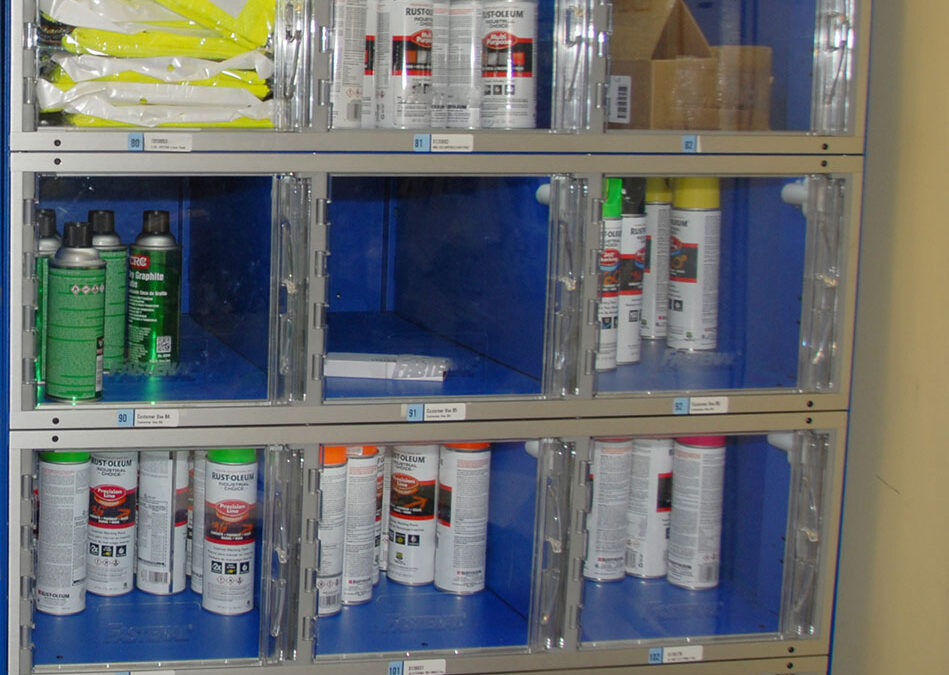
sThe details of Community Right-to-Know (RTK) and Hazardous Communication (HAZCOM) both affect how your facility functions. HAZCOM is one of OSHA’s most important compliance requirements. Its education, training, chemical labeling and safety programs are all designed...

Right-to-Know Filings Due Before March 1!
If you have a business in New York City and you store hazardous substances, the time to act is now! New York City’s Community Right-to-Know (RTK) regulations require all NYC businesses that store or handle hazardous substances to inventory and track those substances...